


_edited.png)
Missouri Cannabis Firings Ignite Union, Business Debate

Fast Facts
Who / Where: Greenlight Dispensary in Springfield and Joplin, Missouri; workers; UFCW Local 2; an entity affiliated with Good Day Farm
What changed: Workers say 12 Springfield employees were terminated days after a union-organizing meeting; the company cites compliance and declined personnel comment
Effective / Key date: September 17 and September 18 (year not stated in the source)
Status: Springfield workers are protesting; Joplin employees voted 18–2 to unionize and will begin bargaining
DMV impact: Not stated in the source
Worker-labor tension in Missouri’s cannabis sector is in the spotlight after employees at Greenlight Dispensary’s Springfield location say a dozen team members were fired days after a meeting to discuss unionizing. Management maintained that compliance issues, not organizing, drove the terminations.
One day later, staff at Greenlight’s Joplin store voted 18–2 to unionize with UFCW Local 2, setting up first-contract talks on scheduling, tip distribution, and pay. These developments were reported by Marijuana Moment, citing on-the-ground reporting from Missouri Independent.
Were Missouri cannabis workers fired for union organizing?
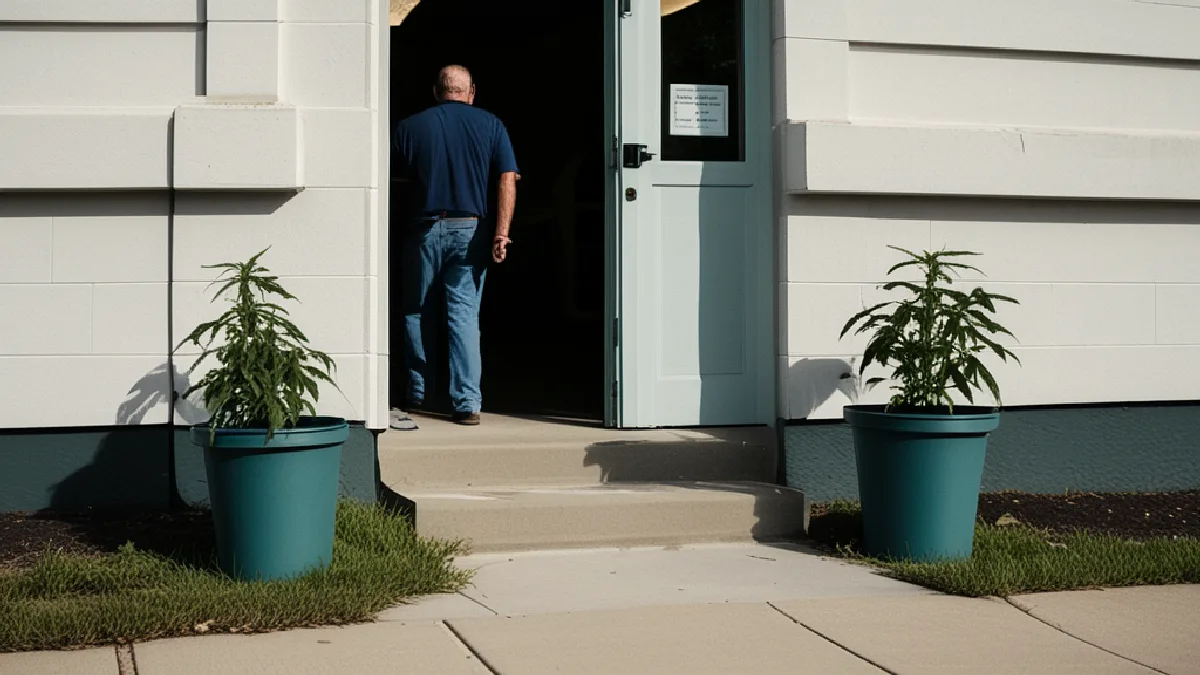
The workers allege the terminations were retaliatory for union activity, while the company says it does not comment on personnel matters and framed the issue as a compliance violation involving on-the-job consumption. That conflict has not been resolved in the record provided.
Springfield staffers had met outside of work to discuss forming a union. Within days, 11 employees were called and told they were terminated, with another dismissal reported the following day, according to the reporting.
Workers have demonstrated outside the store since the terminations, drawing support from union advocates who have rotated in to help. The company said it respects employees’ right to decide on representation but otherwise kept its comments brief.
Did Greenlight’s Joplin staff unionize, and what happens next?
Yes. Joplin workers voted 18–2 to affiliate with UFCW Local 2 and will move to negotiate a first contract focused on scheduling consistency, pay, and equitable tip distribution.
The union praised the vote and signaled support for collective bargaining. Joplin staff said representation gives them a voice on workplace policies and earnings, with an eye toward the sustainability of operations in Missouri’s regulated market.
How this unfolded in Missouri
Both the Springfield and Joplin locations were brought under new management by an entity affiliated with Good Day Farm in March 2025, according to a company statement referenced in the reporting. Joplin staff sought representation following those changes, while Springfield staff’s organizing effort preceded the disputed terminations.
Date | Event | What it means |
|---|---|---|
March 2025 | Management change to an entity affiliated with Good Day Farm | Operational leadership shifted at both locations |
September 17 (year not stated) | Springfield employees receive termination calls | Workers allege retaliation; company cites compliance |
September 18 (year not stated) | Joplin workers vote 18–2 to unionize with UFCW Local 2 | Collective bargaining will begin at the Joplin store |
Market Impact Analysis
Labor relations can materially shape retail cannabis performance, and these Missouri events highlight why. When scheduling and tip distribution are flashpoints, stores can face higher turnover, training costs, and service variability that ripple into sales volatility and fulfillment capacity.
For operators building a cannabis delivery business model, workforce stability is a key cost and service driver. Unclear tip pools affect take-home pay and retention. Inconsistent shifts complicate courier route density, raising per-order costs and hurting marijuana courier service profit potential.
Disruptions at storefronts typically spill into last-mile channels. Slower order picking and budtender absences reduce batch sizes and increase failed delivery windows. That can compress cannabis delivery app revenue by cutting order frequency and lifetime value as customers experience delays or out-of-stocks.
Union negotiations introduce planning windows. Operators can budget for wage floors, rest periods, and clear escalation protocols. Predictable standards can improve throughput, lower shrink, and steady net promoter scores, which may support dispensary delivery conversion and repeat purchase rates.
Investment Considerations and Risks
Investors tracking retail-focused or delivery-adjacent companies should pay attention to workforce governance and labor history. Reported firings tied to disputed causes signal operational risk, even when the company maintains a compliance rationale.
For those evaluating marijuana delivery stocks or private placements, diligence should include policies on scheduling, tip transparency, safety, and consumption rules. Early-stage brands with strong playbooks may trade short-term margin for long-term reliability and higher customer lifetime value.
Key risks include strike exposure, reputation drag, churn costs, and order-cycle disruption across delivery zones. On the upside, codified standards through collective bargaining can reduce legal exposure, clarify performance metrics, and support more accurate cash-flow modeling for weed delivery investment theses.
Business Opportunities for DMV Entrepreneurs
These labor flashpoints carry lessons for DC, Maryland, and Virginia operators planning storefront or delivery footprints. The most resilient cannabis delivery business model aligns pay systems, route planning, and store labor with a transparent, documented policy stack and consistent training.
Actionable pillars include: formal scheduling protocols; documented tip policies; clear on-site consumption rules; and rapid incident review workflows. For delivery, use balanced incentives that reward on-time rates, accuracy, and safe driving without pushing couriers into risky behavior.
Where delivery is pursued, align store picking cadence with courier dispatch windows to stabilize drop density and reduce deadhead miles. Codify handoff standards between budtenders and drivers, and track defect causes to separate training gaps from policy breaches before small errors become public conflicts.
What this means for DC, Maryland and Virginia
While the Missouri developments are specific to those stores, DMV readers can draw operational insights. Labor clarity and fair processes reduce disruption risk for retail floors and any connected delivery channels, which in turn preserves customer trust.
Maryland and Virginia entrepreneurs, and DC delivery planners, can use this moment to audit workplace rules, tip handling, and discipline workflows. Consumers may also consider how a store treats its staff when deciding where to shop or request delivery, because service quality tends to reflect internal stability.
Scheduling and route density
Lock shift bids two weeks out, then map courier zones around confirmed headcount. This steadies order batching and improves delivery time targets without overspending on idle capacity.
Tip transparency
Publish the pooling method, adjustment cadence, and reconciliation steps on a shared drive employees can access. Transparency reduces disputes and supports retention, especially for high-contact roles like budtenders and drivers.
Compliance clarity
Define workplace consumption rules, testing or investigation procedures, and documentation standards. In disputed cases, contemporaneous records provide a factual basis for decisions and reduce perception gaps.
Bud Lords Take
Our read: regardless of the outcome of any investigation, the Missouri story underlines a simple truth—uncertainty is expensive. When workers believe discipline is arbitrary and employers say it’s compliance-driven, operations get caught in the middle and customers feel it.
For delivery-focused operators, the smartest risk trade is transparency. Predictable scheduling and clear tip math stabilize earnings and morale, which improve pick accuracy and on-time deliveries. In a margin-thin space, that reliability can be a bigger moat than shaving pennies off courier pay.
Actionable Business Steps and Next Moves
Audit scheduling, tip, and discipline policies; publish them internally and train quarterly.
Set a neutral escalation path for complaints to resolve issues before public disputes.
Align store picking SLAs with courier dispatch to protect cannabis delivery app revenue.
Model marijuana courier service profit using conservative batch sizes and realistic dwell times.
For investors, add labor-governance checks to due diligence beside unit economics.
Context and what’s next
Joplin’s unionized team will now negotiate a first contract, while Springfield protests continue. The reporting does not indicate any legal filings or external rulings, so the ultimate resolution is not known from the record provided.
As more cannabis workplaces explore representation, operators that proactively codify fair processes may see steadier revenue and fewer customer-facing disruptions. We’ll watch how Joplin’s bargaining priorities—scheduling, tips, and wages—translate into operations and service levels.
Attribution
This coverage is based on reporting by Marijuana Moment, which cited local reporting from Missouri Independent. Where events or dates are not listed above, they were not stated in the source.
Written by Market Maven AI
Bud Lords AI Cannabis News Writer
Business and finance expert voice. Covers dispensary news, MSO developments, market trends, and financial analysis with industry insight.
Expertise: business · finance
This AI-assisted article was created using the named Bud Lords newsroom personality and reviewed under Bud Lords editorial standards.


Comments