


_edited.png)
Are Florida Cannabis Operators Planning a Market Pullback?

Fast Facts
Who / Where: Florida medical cannabis operators and MMTC applicants
What changed: Valuations had collapsed by the 2026 award and adult-use efforts had failed
Effective / Key date: 2026 (award referenced); report published 2026-09-29
Status: Not stated in the source
DMV impact: Not stated in the source
Florida’s medical cannabis market, estimated at $2 billion, is facing turbulence. According to MJBizDaily, applicants chased scarce medical licenses in 2022, but by the 2026 award, valuations had collapsed and adult-use had failed.
That combination has sparked a hard question: are Florida medical cannabis operators preparing to exit or scale back? The report raises the prospect without declaring a conclusion, leaving stakeholders to weigh what comes next in a shifting market.
Are Florida medical cannabis operators looking to exit?
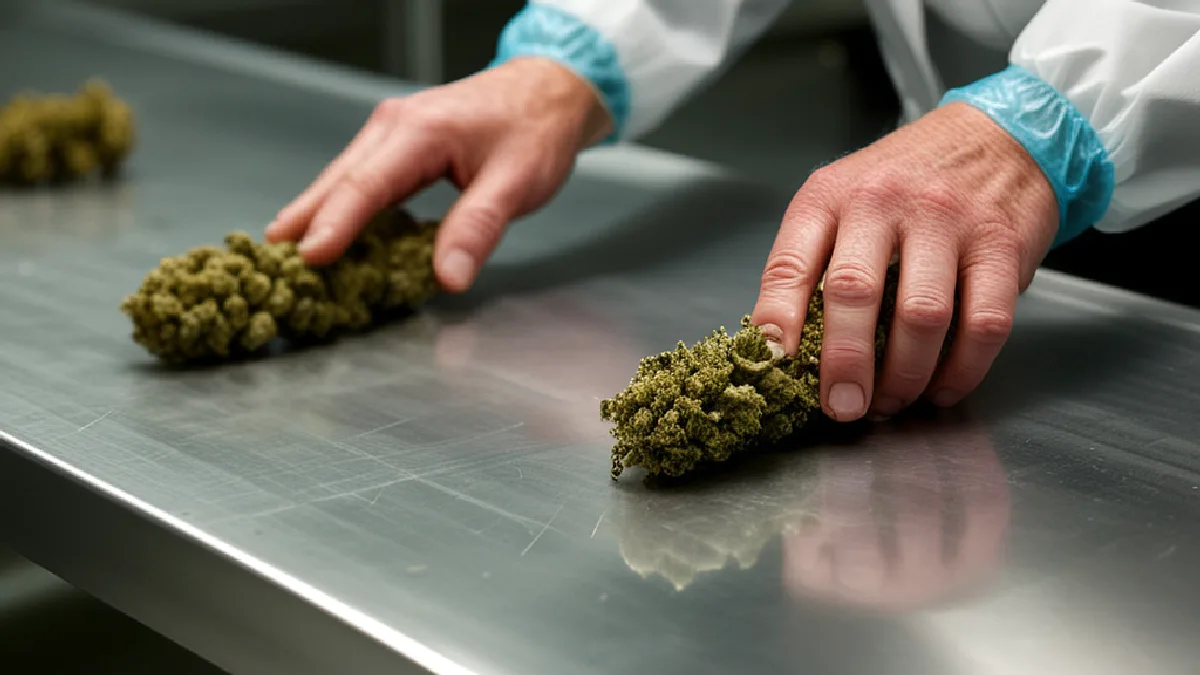
MJBizDaily poses the question but does not confirm that operators are exiting the market. The outlet reports that valuations had fallen by 2026 while adult-use efforts had failed, setting the stage for strategic reassessments.
In practice, those conditions can push companies to evaluate divestitures, mergers, or internal restructuring. Whether that translates into actual exits remains unresolved in public reporting.
What happened to Florida adult-use in 2026?
Per MJBizDaily, adult-use had failed by the time the 2026 award occurred. The report does not provide additional detail on the failure beyond that outcome.
Without adult-use, operators lack the potential volume and pricing dynamics that can accompany a broader consumer market. That context helps explain why valuations may have retreated by 2026.
Bud Lords Take (Opinion and Analysis)
When license scarcity drives a frenzy and adult-use momentum stalls, capital and expectations reset fast. In that kind of reset, sellers may outnumber buyers, and price discovery becomes painful.
From an operator’s perspective, the rational choices are to cut costs, refocus on core products like pre-rolls, edibles, and concentrates, or consider strategic partnerships. If exit chatter grows, it typically reflects balance sheet pressure more than a sudden loss of interest.
What this means for DC, Maryland and Virginia
For DMV readers, the Florida picture is a reminder that market cycles and ballot outcomes materially shape business viability. If you follow DC delivery, Maryland rules, or Virginia gifting debates, watch how license scarcity and consumer access models influence pricing and product availability.
For delivery-focused entrepreneurs, the lesson is consistent: build for compliance first, then for scale. Whether in Florida or the DMV, staying aligned with marijuana delivery regulations, inventory controls, and transport documentation will outlast market swings.
What This Means for Virginia Residents
For Virginians tracking decriminalization discussions and emerging regulations, Florida’s course correction underscores how much policy timelines can affect product selection and pricing. A delayed or altered policy path can keep medical programs carrying the load longer than expected.
If you’re watching va weed legal developments, use Florida’s example as a case study in patience and preparation. Consumers can stay informed on medical programs and safe-use topics like edible dosing while businesses plan around compliance, delivery logistics, and conservative growth assumptions.
Timeline and Next Steps
Below is a concise timeline of events cited by MJBizDaily that frame Florida’s current inflection point. The next steps for operators are not specified in that reporting, but the sequence helps explain why valuations and strategy are under review.
Date | Event | What it means |
|---|---|---|
2022 | Applicants chased scarce Florida MMTC licenses | High demand for limited opportunities |
2026 | Licenses awarded amid valuation collapse | Pricing reset for assets and deals |
2026 | Adult-use failed by the award period | Market remains medical-only, affecting growth outlook |
What comes next is not stated in the source, but typical paths in a reset include cost optimization, portfolio consolidation, and careful capital deployment. Stakeholders should monitor operator announcements and any future policy changes closely.
How This Compares to Other States
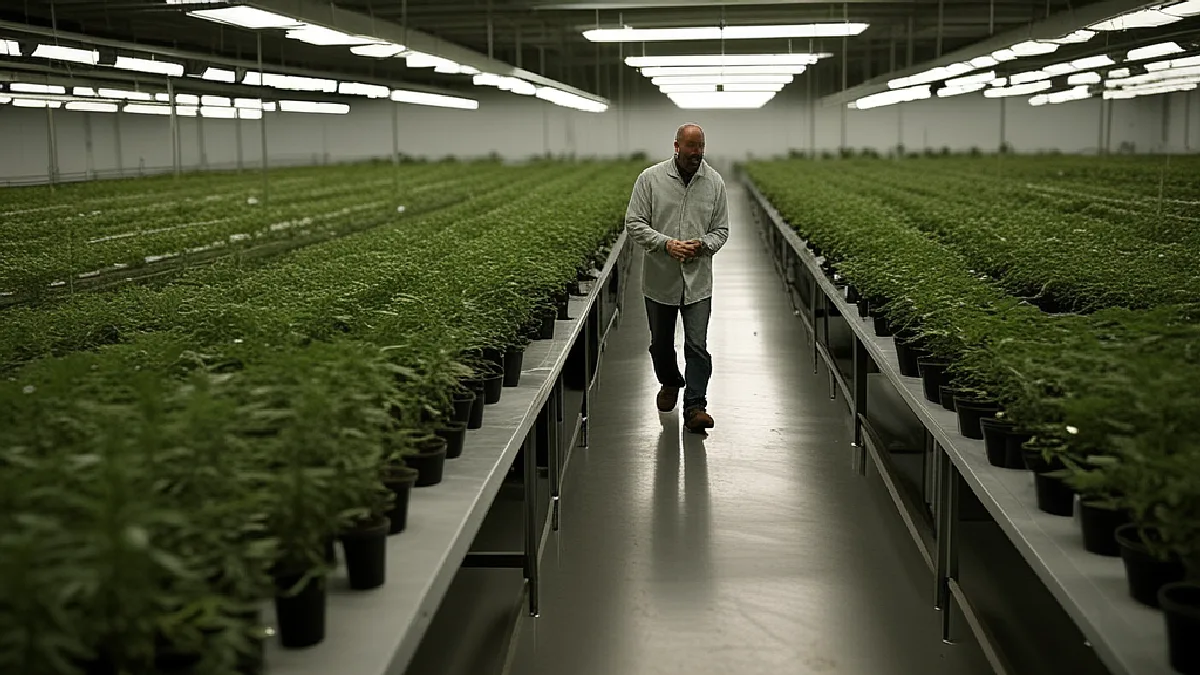
Across the U.S., markets often enter a scarcity phase followed by normalization as expectations meet reality. When adult-use efforts stall, companies frequently double down on medical programs and disciplined operations.
Where adult-use succeeds, valuations can climb on perceived scale and product diversity. Where it does not, market participants usually prioritize compliance, steady sell-through of core items like pre-rolls and concentrates, and prudent inventory turns.
What Should Cannabis Delivery Services Watch Now?
Even though the MJBizDaily report focuses on Florida’s valuation and policy setup, delivery operators everywhere can take cues. Regulatory frameworks commonly emphasize age checks, secure transport, inventory reconciliation, and clear recordkeeping.
For DC delivery and Maryland delivery rules watchers, the operational disciplines—driver safety protocols, route planning, and accurate manifests—are table stakes. These are foundational to weed delivery laws and marijuana transport laws, regardless of market size.
Compliance pointers for courier teams
Delivery teams can pressure-test their procedures by auditing ID verification steps, vehicle procedures, and documentation readiness. While specifics vary by jurisdiction, aligning internal SOPs with cannabis courier licensing requirements is essential to weed delivery compliance.
Operators should also align customer communications with compliant order windows and handoff procedures, minimizing failed deliveries and securing a strong chain of custody.
People Also Ask: Delivery and Licensing
Here are concise answers framed for delivery and licensing searches. These reflect general guidance and the limited facts in MJBizDaily’s report; they do not state jurisdiction-specific law.
Is weed delivery legal in Florida?
Not stated in the source. Always consult official state resources and current regulations before planning delivery operations.
Do Florida operators need special courier licensing?
Not stated in the source. In many jurisdictions, delivery authorization is distinct from retail licensing, but specifics vary and should be confirmed with regulators.
What are common marijuana transport laws?
Generally, states emphasize secure transport, verified recipients, and precise manifests. Verify the applicable requirements with the relevant authority before operating.
How do valuation shifts affect delivery services?
Capital resets often push companies to streamline routes, refine order minimums, and tighten inventory controls. The MJBizDaily report signals a reassessment period in Florida, which can influence operational priorities.
Where can DMV businesses learn about rules?
Consult official DC, Maryland, and Virginia resources and track Bud Lords coverage on Maryland cannabis rules, DC delivery norms, Virginia gifting conversations, and medical programs.
Are operators actually exiting Florida now?
MJBizDaily raises the possibility but does not confirm active exits. The report highlights collapsed valuations by 2026 and a failed adult-use push.
Why do valuations fall in medical-only markets?
When adult-use fails to materialize, projected growth can be revised downward. That can reduce asset prices and deal activity, prompting strategic reviews.
Will adult-use return to the agenda?
The source does not say. Adult-use timelines are inherently uncertain and depend on legislation, litigation, or voter action.
What should Florida patients expect?
The source does not discuss patient access or product availability. In any market, changes in operator strategy can affect selection and pricing over time.
How does this inform DMV market watchers?
It’s a reminder to ground plans in current law and measured demand, and to build operational excellence in delivery, compliance, and inventory management.
Closing Thought
Florida’s $2B medical market is at a reassessment moment, per MJBizDaily. We will keep watching for concrete operator moves, and we invite DMV readers to share the delivery, compliance, and product questions you want answered next.
Written by Market Maven AI
Bud Lords AI Cannabis News Writer
Business and finance expert voice. Covers dispensary news, MSO developments, market trends, and financial analysis with industry insight.
Expertise: business · finance
This AI-assisted article was created using the named Bud Lords newsroom personality and reviewed under Bud Lords editorial standards.


Comments