


Lemon Skunk Strain Guide: Zesty Citrus x Uplifting Focus x Resilient Grow

What Is Lemon Skunk?
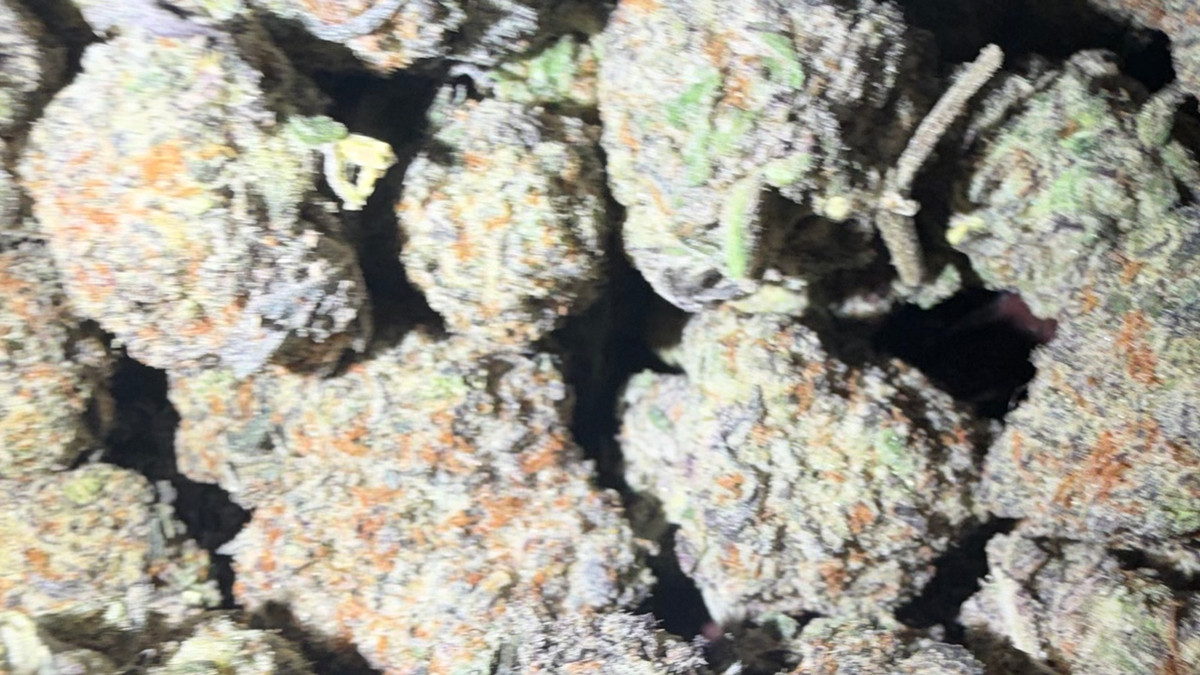
Lemon Skunk is a classic sativa-leaning hybrid celebrated across the cannabis world for its unmistakable sweet-and-sour bouquet and balanced, functional high. Frequently clocking in between 18% and 22% THC, it strikes a sweet spot that appeals equally to casual afternoon consumers and experienced daily enthusiasts looking for clarity rather than sedation.
More on this subject: strain guides and product insights.
Unlike heavier dessert or gas strains that dominate modern dispensary shelves, Lemon Skunk holds firm to the old-school heritage of the Skunk family while delivering an assertive burst of fresh citrus. It suits anyone seeking an invigorating, creative boost for daytime projects, social gatherings across the District, or weekend outdoor strolls along the Potomac. While it provides enough physical ease to soften tense shoulders, its cerebral clarity makes it far less likely to trap you on the couch than its heavy-hitting indica relatives.
Lemon Skunk Product Highlights
Before exploring its genetics and growth patterns, the table below provides a quick reference summary outlining what you can typically expect from high-grade Lemon Skunk flower and extracts.
Spec | Details |
|---|---|
Strain Type | Sativa-dominant hybrid (commonly estimated around 60% sativa / 40% indica) |
Reported THC Range | 18% to 22% (occasional boutique batches reach 24%) |
Dominant Terpenes | Limonene, Beta-Caryophyllene, Myrcene, Terpinolene |
Effect Profile | Clear-headed euphoria, creative focus, gentle physical relaxation, mood lift |
Best Time of Day | Morning, midday, or early evening social hours |
Available Formats | Cured flower, pre-rolls, live resin cartridges, solventless rosin, disposable vape pens |
Lineage and Genetic History
The story of Lemon Skunk traces back to the breeding rooms of DNA Genetics, a storied seed bank that helped shape modern European and North American cannabis menus. The breeders set out to capture the legendary pungency of the classic Skunk family while dialing up the bright, mouth-puckering citrus characteristics that were surfacing in select heritage clones across the United States.
To achieve this, DNA Genetics sourced a prized female cutting known colloquially as Las Vegas Lemon Skunk, a clone that had spent over two decades circulating through private grow rooms in Nevada due to its unmistakable sour lemon aroma. They paired this clone with an exceptionally vibrant Skunk mother brought over from the Netherlands. The resulting offspring inherited the hearty vegetative vigor and heavy resin production of traditional Skunk #1 genetics, complemented by the sharp, candied lemon finish of the Las Vegas parent.
Lemon Skunk went on to earn high honors at major cannabis competitions in the late 2000s, including top placements at the High Times Cannabis Cup and the Spannabis Champions Cup. Beyond its own decorated track record, Lemon Skunk has served as a foundational building block for contemporary legends, most notably serving as the mother parent in the creation of Super Lemon Haze alongside Super Silver Haze.
Aroma, Flavor, and Terpene Profile
Pop open a fresh jar of Lemon Skunk, and you are immediately greeted by an olfactory wake-up call. The primary aroma is a vivid wave of freshly grated lemon zest, sour candied citrus, and sweet lime. Yet just beneath the initial sharpness sits that undeniable legacy undertone: moist earth, faint black pepper, and a rich, musky skunk funk that reminds you this cultivar has deep old-school roots.
The terpene profile tells the chemical story behind this distinctive bouquet. Limonene sits prominently at the wheel, responsible for the upfront lemon rind punch and the uplifting aromatic character. Beta-caryophyllene adds a subtle warm spice and woody richness, while myrcene provides an herbal, earthy anchor that rounds out the sharp edges. Small concentrations of terpinolene and pinene frequently show up on lab certificates, adding crisp pine needles and floral sweetness to the exhale.
When consumed through clean glass or a convection dry herb vaporizer, the flavor mirrors the jar scent with remarkable fidelity. The inhale brings a crisp, sweet-tart burst reminiscent of classic lemon drops, followed by a dense, savory exhale tinged with skunky musk and subtle diesel fuel notes that linger warmly on the palate.
Reported Effects and Everyday Experience
The onset of Lemon Skunk tends to be rapid and mentally illuminating. Within minutes of your first pull, you will likely notice a bright, tingling pressure around the temples and behind the eyes, swiftly accompanied by a positive shift in overall outlook. It delivers an alert, cerebral energy that sweeps away afternoon brain fog without generating the jittery, racy anxiety sometimes associated with pure equatorial landrace sativas.
As the initial rush settles into an even cruise, a comfortable physical tranquility begins to surface through the torso and limbs. This body buzz softens muscle tension and encourages effortless movement, making Lemon Skunk an outstanding choice for tackling domestic chores, finishing creative design work, or meeting friends for brunch in Adams Morgan. You remain functional, articulate, and engaged in your environment.
Over-consumption can lead to dry mouth, mild eye irritation, or a fleeting feeling of sensory overload for low-tolerance newcomers. Moderating your intake ensures that the experience stays crisp, productive, and social throughout its two-to-three-hour duration.
Formats, Hardware, and Extraction Methods
Lemon Skunk adapts remarkably well across several product formats, though your choice of delivery system will influence the speed of onset, flavor complexity, and overall intensity of the session.
Traditional cured flower remains the gold standard for experiencing Lemon Skunk in its fullest expression. Ground into a raw rolling paper or loaded into clean borosilicate glassware, whole flower delivers the full entourage of naturally occurring cannabinoids and secondary plant compounds. For those who prefer maximum convenience, pre-rolls offer a portable option, though you should always inspect packaging dates to ensure the terpene-rich citrus oils haven't degraded on the dispensary shelf.
In the concentrate and vape arena, Lemon Skunk is commonly processed into distillate, hydrocarbon live resin, and solventless live rosin. Distillate vape cartridges stripped to pure THC often re-introduce botanical or cannabis-derived terpenes; while potent, they rarely match the layered complexity of whole-plant extraction. Live resin, made by flash-freezing whole Lemon Skunk plants immediately after harvest and extracting with light hydrocarbons, preserves the fragile, volatile monoterpenes like limonene and terpinolene with remarkable precision.
If you are vaporizing live resin or live rosin cartridges, hardware settings matter immensely. Utilizing a 510-thread battery with adjustable voltage dialed between 2.2V and 2.6V prevents scorching the delicate citrus terpenes. Higher settings above 3.2V will trigger larger clouds but quickly burn off the bright lemon top notes, leaving behind a flat, charred finish. Ceramic-core and quartz heating chambers paired with draw-activation or gentle pre-heat functions help protect the oil and prevent clogs across the life of the cartridge.
Reading the Label: Batch Testing and COAs
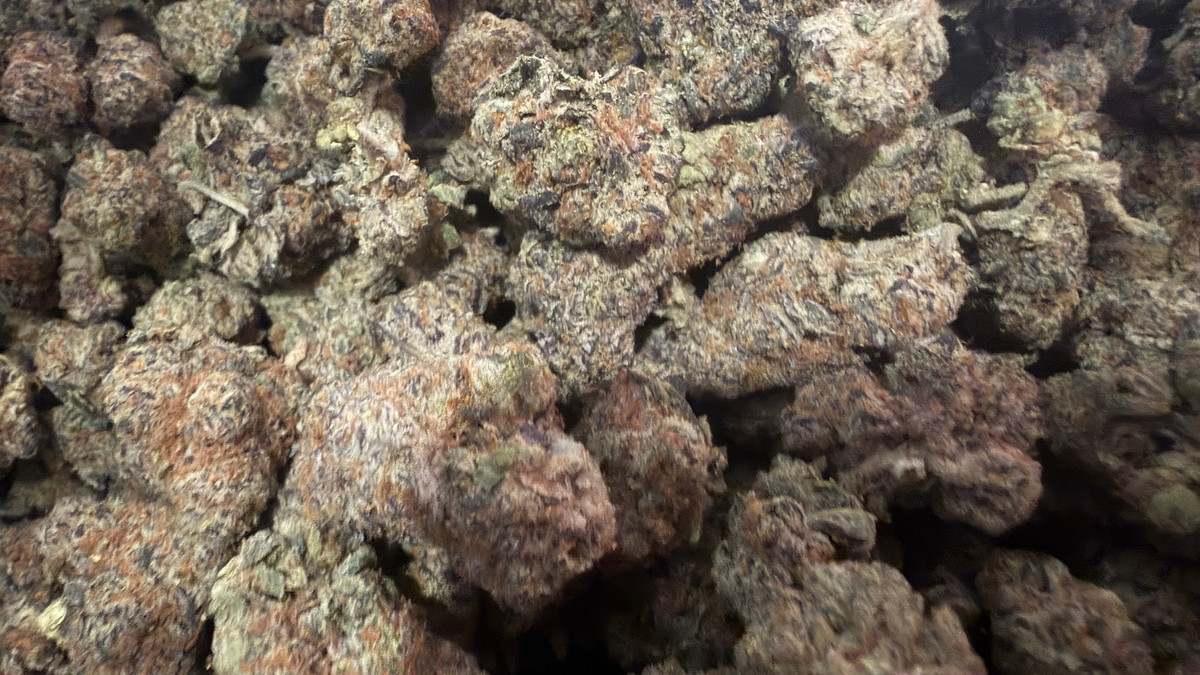
Every reputable dispensary in Maryland, medical provider in Washington DC, or certified testing market requires testing data printed directly on product packaging or linked via a scannable QR code leading to a Certificate of Analysis (COA). Understanding how to decipher these numbers ensures you get a clean, predictable product suited to your preferences.
Start by checking the batch number and packaging date. Because limonene and other volatile citrus terpenes evaporate more rapidly than heavier sesquiterpenes, fresher packaging dates generally translate to a punchier flavor profile. Look beyond total THC to evaluate total active cannabinoids; a batch displaying 20% THCA along with small traces of CBG (often 0.5% to 1.5%) and CBC frequently produces a smoother, more well-rounded experience than a flower boasting elevated THC alone.
Pay close attention to total terpene content on the label. High-end flower typically tests between 1.5% and 3.5% total terpenes by weight. If Lemon Skunk tests below 1% total terpenes, you will likely find the aroma muted and the high less dynamic. Lastly, verified COAs confirm that the batch passed regulatory screening thresholds for heavy metals, residual solvents, pesticides, and microbial contaminants such as Aspergillus and mycotoxins.
How Lemon Skunk Compares to Other Strains
Understanding where Lemon Skunk fits into the wider family of citrus and heritage sativa-dominant cultivars makes it easier to select the right jar for your current mood and schedule.
Strain | Type | Flavor | Effect | Best for |
|---|---|---|---|---|
Lemon Skunk | Sativa-dominant Hybrid | Zesty lemon peel, sweet citrus, pungent skunk musk | Uplifting cerebral clarity paired with a soothing, functional body hum | Daytime chores, creative brainstorms, social gatherings |
Super Lemon Haze | Sativa-dominant Hybrid | Tart lemon candy, sweet tropical fruit, spicy floral haze | High-energy euphoria, intense cerebral buzz, talkative stimulation | Active outdoor adventures, morning motivation, concerts |
Skunk #1 | Pungent roadkill skunk, sour earth, funky musk, mild fruit | Gentle head buzz, deep physical ease, happy relaxation | Evening decompression, watching movies, casual unwinding | |
Lemon Tree | Balanced Hybrid | Sour diesel, tart lemon, crisp pine, damp earth | Heavier mind-body relaxation, calming euphoria, stress release | Late afternoon recovery, post-workout relaxation, quiet nights |
Medical and Wellness Perspectives
While state and federal laws prohibit making unsubstantiated clinical claims about cannabis, many consumers in the DMV medical programs report turning to Lemon Skunk for lifestyle and wellness support. Anecdotal reports consistently highlight its uplifting nature as helpful for breaking through cycles of daytime fatigue, creative burnout, and occasional low mood.
The combination of limonene and beta-caryophyllene makes Lemon Skunk a frequent consideration for those dealing with daily stress and situational tension. Consumers who struggle with racing thoughts from sharper, haze-heavy sativas often find the grounding presence of myrcene in Lemon Skunk provides enough body equilibrium to keep nervous restlessness at bay.
Additionally, some patients report that its gentle body-lightening buzz offers functional daytime relief from minor aches, mild muscle spasms, and joint stiffness without inducing the cognitive fog that interferes with workplace duties. As always, these wellness observations represent personal consumer experiences rather than formal medical recommendations; individuals seeking to address health conditions should consult a qualified physician familiar with cannabinoid medicine.
How to Grow Lemon Skunk: The Master Cultivator Guide
Cultivating Lemon Skunk is an absolute joy in the grow tent, combining classic Dutch resilience with an aromatic explosion that will test every carbon filter in your exhaust line. This cultivar shows strong vegetative vigor, forgiving minor nutrient slip-ups while rewarding thoughtful canopy management with heavy, rock-hard spears of citrus-drenched flower.
The following grow specifications outline what cultivators can expect across indoor setups and outdoor garden beds in a typical run.
Spec | Details |
|---|---|
Grow Difficulty | Moderate |
Indoor Flowering Time | 8 to 9 weeks (56 to 63 days) |
Outdoor Harvest Window | Late September to mid-October (Northern Hemisphere) |
Yield Potential (Indoor) | 450 to 550 grams per square meter |
Yield Potential (Outdoor) | 500 to 650 grams per plant |
Plant Height and Stretch | Medium to tall; expect a 1.5x to 2x stretch after flip |
Ideal Climate | Warm, temperate Mediterranean; 70°F to 82°F |
Mold and Pest Resistance | Moderate; dense cola structure requires strict humidity control |
Grow Difficulty
Lemon Skunk earns a Moderate difficulty rating primarily due to its vigorous vertical stretch and the sheer density of its finished colas. It is exceptionally forgiving when it comes to minor pH fluctuations and environmental temperature dips, making it accessible to intermediate home growers and ambitious beginners who have completed at least one successful harvest. The main challenge lies in managing its height indoors and maintaining rigorous airflow late in bloom to protect its dense, resinous buds from internal moisture buildup.
Canopy, Training and Pruning
In the vegetative stage, Lemon Skunk develops rapid root systems and sturdy, branchy growth with moderate node spacing. Once you flip your lighting cycle to 12/12, prepare for a pronounced vertical stretch of 150% to 200% over the first three weeks. To keep your canopy even and avoid light burn near your fixtures, top your plants once or twice during late veg.
This strain responds brilliantly to Low Stress Training (LST) and Screen of Green (SCROG) setups. Weaving branches through a horizontal trellis net spreads the plant's natural apical dominance across multiple flowering sites, turning what would have been one central spear into a dozen uniform top colas. Execute a thorough defoliation around day 21 of flower, removing large, light-blocking fan leaves and weak lower shoots (lollipoping) to funnel energy into the upper canopy and promote unobstructed airflow through the root zone.
Feeding, Climate and Environment
Lemon Skunk is a moderate-to-heavy feeder with an appetite that spikes rapidly during weeks four through six of bloom. Maintain a steady supply of calcium and magnesium under intense LED lighting to prevent early leaf necrosis. Keep vegetative temperatures between 75°F and 82°F with relative humidity (RH) around 60% to 65%. Once flowers begin to set, steadily decrease humidity levels to 45% to 50% in mid-bloom, dropping down to 40% in the final two weeks.
For outdoor growers in the District, Maryland, and Virginia, the Mid-Atlantic's notorious late-summer humidity requires proactive care. While Lemon Skunk demonstrates solid resilience against common pests like spider mites, its thick, chunky colas can fall prey to botrytis (bud rot) or powdery mildew during muggy August and rainy September spells. Site outdoor plants in full sunlight with generous spacing, prune inner sucker growth aggressively, and position oscillating fans in sheltered greenhouse setups to keep air circulating constantly.
Harvest Timing and Curing
Most Lemon Skunk phenotypes finish flowering between days 56 and 63. Rather than relying on calendar estimates, monitor trichome heads on the calyxes using a 60x jeweler's loupe or digital microscope. To preserve the strain's signature zesty, uplifting kick, aim to harvest when approximately 85% to 90% of trichome heads have turned milky white, with about 10% displaying a warm amber hue. Allowing the amber count to surpass 25% degrades the crisp limonene kick and shifts the effect toward sluggish sedation.
Harvest whole branches and hang them in a dark, clean drying space maintained at 60°F and 60% relative humidity for 10 to 14 days. Slow, cool drying preserves the volatile monoterpenes that define Lemon Skunk's flavor. Once the smaller stems snap cleanly instead of bending, trim the buds and seal them into airtight glass curing jars. Burp the jars daily for the first two weeks, gradually tapering down over a month of curing to lock in that pungent, sweet lemon profile.
Home Grow Rules in the DMV
Home cultivation is legal across the capital region, but every jurisdiction maintains distinct guidelines that growers must respect. In Washington DC, adults 21 and older may cultivate up to six cannabis plants per person, with no more than three mature flowering plants at any given time, capped at a maximum of 12 plants per household. In Maryland, adults 21 and older can grow up to two plants per household, provided they remain securely out of public view and inaccessible to minors. Across the river in Virginia, adults 21 and older may cultivate up to four plants per household, provided each plant is tagged with the grower's name, ID number, and state-mandated notation, and kept shielded from street view. Always verify your local municipal codes before germinating seeds.
Similar Strains Worth Exploring
If Lemon Skunk has earned a regular rotation in your stash box, several closely related or functionally similar cultivars deliver comparable flavor profiles and uplifting dynamics:
Super Lemon Haze remains the most logical sibling to explore, blending Lemon Skunk with Super Silver Haze for an even more pronounced, energetic head rush. Lemon Tree brings a heavier, diesel-infused twist by crossing Lemon Skunk with Sour Diesel, leaning slightly more toward physical relaxation. Amnesia Haze provides a bright, citrus-forward cerebral experience with an earthy, spicy finish for fans of classic European coffee shop sativas. Finally, Tangie offers a sweeter, peel-the-mandarin citrus profile with a cheerful, creative buzz that mirrors Lemon Skunk's everyday functionality.
The Bud Lords Take: DMV Culture and Practical Advice
Our take: Lemon Skunk is an absolute staple that deserves a permanent spot in the DMV cannabis rotation. In an era where dispensaries and pop-ups are saturated with hyper-sweet dessert crosses and candy-gas hybrids that blur together, Lemon Skunk stands tall with genuine personality. It offers an unmistakable, nostril-tingling lemon-peel bite backed by authentic Skunk power that experienced heads instantly recognize.
It shines as one of the best daytime social cultivars you can acquire across the District. Whether you are walking through the National Arboretum, catching an outdoor show at the Anthem, or hosting an intimate backyard gathering in Silver Spring, Lemon Skunk keeps the conversation lively, the vibe buoyant, and the mental fog at bay.
Remember that within Washington DC, retail adult-use sales operate under Initiative 71 guidelines, allowing adult consumers 21 and older to receive cannabis gifts alongside the purchase of non-cannabis items, art, or apparel. In Maryland, licensed adult-use dispensaries serve anyone 21 and older with valid government identification, while Virginia home growers enjoy the freedom to produce their own clean harvest. Whichever corner of the DMV you call home, source your products from transparent providers who provide verifiable batch testing and honor the craft behind the plant.
Frequently Asked Questions
Here is what most people ask about Lemon Skunk in this area.
Is Lemon Skunk an indica or a sativa?
Lemon Skunk is a sativa-dominant hybrid, typically leaning around 60% sativa and 40% indica. It delivers alert, uplifting mental clarity alongside a gentle, calming physical buzz that avoids heavy sedation.
What does Lemon Skunk smell and taste like?
It carries an intense aroma of tart lemon zest, sweet citrus candy, and lime, anchored by an earthy, pungent skunk musk and subtle diesel undertones. The flavor on the exhale mirrors this blend of sour fruit and savory funk.
How potent is the average Lemon Skunk flower?
Most commercial and craft batches of Lemon Skunk test between 18% and 22% THC. While not the highest-testing cultivar on modern shelves, its rich terpene profile produces a robust and durable entourage effect.
Is Lemon Skunk suitable for daytime consumption?
Yes. Lemon Skunk is widely regarded as an excellent daytime strain. Its cerebral, mood-elevating properties promote focus, creativity, and social energy without the grogginess or heavy physical couch-lock common to pure indica varieties.
Lemon Skunk is not in the Bud Lords menu right now. Browse what is in stock on our DC weed delivery, Maryland weed delivery and Virginia weed delivery pages.
More strain guides: Jack Herer, Gelonade, Permanent Marker.
Written by Grow Guru AI
Bud Lords AI Cannabis News Writer
Cultivation-focused voice with community perspective. Covers growing tips, techniques, and cultivation industry news.
Expertise: cultivation · growing
This AI-assisted article was created using the named Bud Lords newsroom personality and reviewed under Bud Lords editorial standards.


Comments