


Jungle Cake Strain Guide: Sugary Vanilla x Heavy Euphoria x Cultivar Insights

What Jungle Cake Is: Potency, Heritage, and Profile
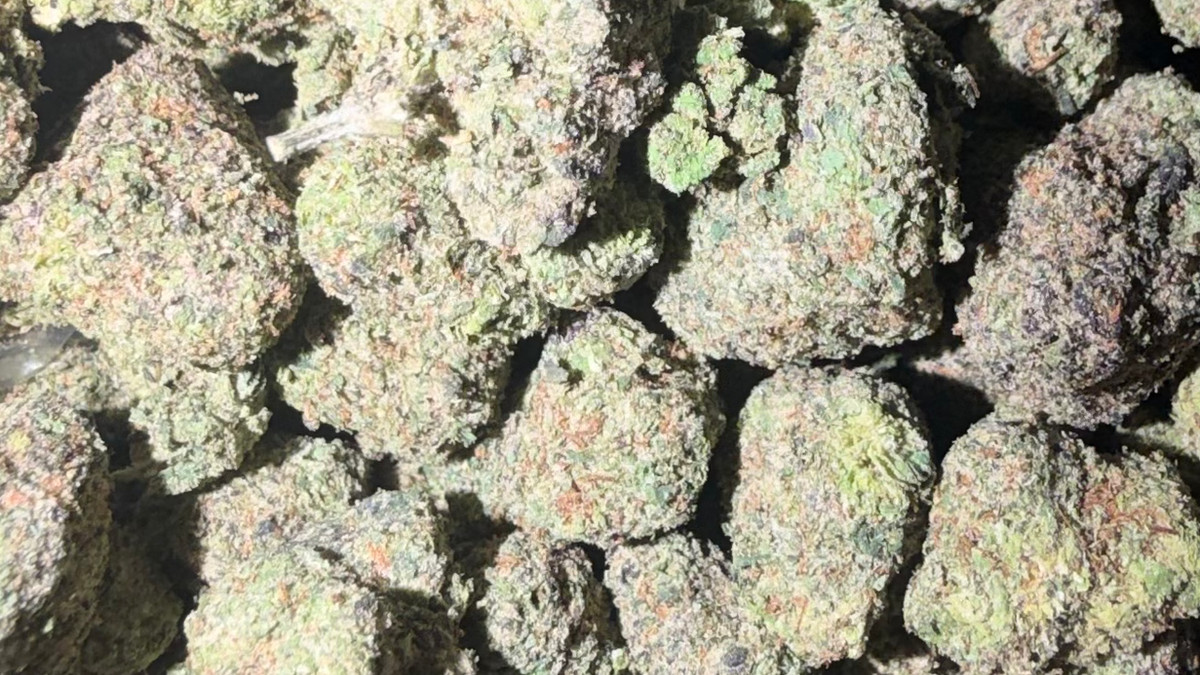
Jungle Cake is a heavyweight hybrid cultivar known throughout the modern cannabis scene for its dense trichome coverage, dessert-sweet aromatics, and remarkably potent cannabinoid output. Bred by the renowned cultivators at Seed Junky Genetics, this cultivar bridges the gap between classic California gas and the contemporary pastry-shop profile that has defined top-shelf dispensaries over the last decade. In standard market appearances, Jungle Cake consistently tests among the higher echelons of dried flower, with cannabinoid concentrations commonly reported between 26% and 33% total THC.
Because of its sheer potency and multi-layered sensory experience, Jungle Cake is primarily suited for intermediate to experienced consumers who have built a reliable tolerance to high-THC cultivars. While it provides a brief window of initial cerebral elevation, its deep physiological weight can easily overwhelm individuals prone to sensory overload or anxiety when consuming potent flowers. For seasoned connoisseurs across the District of Columbia, Maryland, and Virginia, Jungle Cake has achieved a reputation as a dependable evening companion that balances mood elevation with deeply grounding body relaxation.
Aesthetically, mature Jungle Cake flowers represent modern boutique standards. The buds typically form dense, spade-shaped clusters of forest green interwoven with royal purple calyxes, heavy clusters of fiery amber pistils, and an exceptionally thick, frosty coat of resinous glandular trichomes. It is the type of jar that immediately commands attention upon opening, releasing a thick, sugary, and fuel-heavy vapor into the surrounding space.
Product Highlights
Before exploring the genetic heritage and detailed sensory breakdown, review the fundamental specifications commonly associated with top-tier presentations of Jungle Cake in the table below.
Spec | Details |
|---|---|
Strain Type | Balanced to Indica-Leaning Hybrid |
Commonly Reported THC Range | 26% – 33% |
Dominant Terpenes | Beta-Caryophyllene, Limonene, Beta-Myrcene |
Effect Profile | Cerebral euphoria transitioning to heavy, tranquil physical relaxation |
Best Time of Day | Late afternoon, evening, or nighttime consumption |
Available Formats | Whole flower, infused pre-rolls, hydrocarbon live resins, solventless live rosin, ceramic vape cartridges |
Lineage and Genetics: The Seed Junky Heritage
The creation of Jungle Cake rests upon an intentional, elite pairing executed by Seed Junky Genetics, a breeding outfit celebrated for introducing some of the most influential cultivars in modern craft cannabis. Jungle Cake is the direct progeny of crossing White Fire #43 (often abbreviated as WiFi #43) with the ubiquitous modern classic Wedding Cake (itself a prized phenotype of Triangle Mints). This cross successfully merged the raw, pungent diesel potency of the OG Kush and The White family trees with the vanilla-dusted sweetness and dense calyx formation of the Cookies lineage.
To understand the depth of Jungle Cake, one must appreciate the individual contributions of its parentage. White Fire #43 brings a razor-sharp, gas-forward terpene structure, fierce structural vigor, and an unforgiving potency derived from Fire OG and The White. On the opposite side of the pairing, Wedding Cake—derived from Triangle Kush crossed with Animal Mints—contributes rich, creamy dough aromatics, a frosty resin footprint, and an undeniably comforting physical stone. The combination produces a stable, robust hybrid that exhibits the best phenotypic traits of both parental lineages.
Over the years, Jungle Cake has itself become a vital foundational block in contemporary breeding projects. Breeders frequently look to Jungle Cake as a pollen donor or mother plant to pass on heavy resin production, structural density, and complex pastry-fuel aromatics to subsequent generations. Understanding this lineage clarifies why Jungle Cake flower presents such a high concentration of mature trichome heads, making it an extraordinary cultivar for extract artists and hash makers seeking high-yield solventless washing material.
Aroma, Flavor, and Terpene Profile
Jungle Cake is celebrated for an aromatic signature that manages to be simultaneously decadent, sweet, and aggressively pungent. When you crack open a well-cured container, the initial aromatic wave is reminiscent of warm vanilla cake batter, powdered sugar, and sweet marshmallows. However, that bakery sweetness is quickly cut by a biting, chemical diesel note and damp, earthy pine, keeping the bouquet complex and preventing it from becoming one-dimensionally sweet.
Upon combustion or low-temperature vaporization, that aromatic promise translates cleanly onto the palate. The inhale brings a silky, coating smoke bursting with flavors of sweet vanilla dough, nutty pastry, and light citrus peel. As the vapor clears on the exhale, the flavor pivots decisively toward sharp cracked black pepper, dank fuel, and a rich, woody musk that lingers on the tongue long after the session has ended.
The driving engine behind this unique sensory experience is a concentrated terpene triad consisting primarily of beta-caryophyllene, limonene, and beta-myrcene, often rounded out by minor concentrations of linalool and humulene. Beta-caryophyllene delivers the sharp, peppery spice and is unique among terpenes for its ability to interact directly with peripheral cannabinoid receptors. Limonene provides the bright, uplifting citrus accent that keeps the top notes vibrant, while myrcene anchors the cultivar with its deeply herbal, musky base note and contributes heavily to the physical calm associated with the strain.
Reported Effects and Common Uses
The onset of Jungle Cake typically arrives rapidly, beginning with an expansive rush of euphoric clarity right behind the eyes and temples. Many consumers describe this initial phase as uplifting, breezy, and mood-brightening, stripping away mental clutter and leaving behind an unbothered, cheerful headspace. During this early window, conversation flows easily, creative concepts feel accessible, and mundane evening chores become markedly more enjoyable.
As the session progresses past the twenty-minute mark, the hybrid’s heavier genetic traits begin to assert themselves across the body. A warming, weighted sensation spreads down the neck and across the shoulders, systematically releasing tension throughout the larger muscle groups. While Jungle Cake does not always induce an immediate, immobilizing couch-lock at conservative intake levels, higher amounts will decisively shift the experience from cheerful socialization to deep, immobile physical tranquility.
Because of this two-stage progression, Jungle Cake is most commonly integrated into late afternoon or evening rituals. It is widely used by consumers seeking a reset button following high-stress workdays, or by groups of friends settling in for a shared movie, dinner, or board game night. Readers should note, however, that the creeping physical sedation can become heavy, making it an impractical choice for early morning starts or scenarios requiring intense physical coordination and vigilance.
Formats and Hardware: Selecting Your Consumption Route
Jungle Cake expresses its complex profile differently depending on the format and hardware selected, and understanding these technical distinctions allows consumers to tailor their onset and flavor experience accurately.
Traditional whole flower remains the gold standard for experiencing the full entourage effect of the cultivar's natural chemical distribution. When broken down by hand or with a two-piece grinder, the resin heads remain intact, allowing the sweet-and-diesel aromatic balance to unfold slowly across a joint or clean glass piece. Pre-rolls offer immediate convenience, but discerning DMV buyers should always ensure the roll utilizes unbleached organic papers and whole-plant trim rather than low-grade residual floor shake, which dries out quickly and burns harsh.
In the concentrate realm, extraction technology significantly alters the sensory profile. Hydrocarbon live resin captures the aggressive gas and citrus notes by processing freshly frozen material with butane or propane, preserving volatile monoterpenes. In contrast, solventless live rosin relies solely on ice water, mechanical agitation, heat, and pressure. Solventless rosin typically emphasizes the rich, warm marshmallow and doughy undertones of Jungle Cake, presenting a softer, fuller mouthfeel on low-temperature quartz nails.
For portable vape cartridges and all-in-one disposables, hardware construction dictates the quality of the draw. Because Jungle Cake extracts—particularly thick live rosins and uncut distillates—feature high viscosities, ceramic heating elements with porous wicks are strictly preferred over outdated cotton or metal coils. Ceramic cores heat evenly without scorching delicate terpenes. For temperature-adjustable battery units, maintaining a low voltage between 2.2V and 2.6V is recommended for live extracts to avoid degrading beta-caryophyllene and myrcene. Draw-activated disposables should feature calibrated internal sensors that supply moderate, consistent wattage to prevent burnt post-draw hits.
Batch Testing and Label Reading: Deciphering the COA
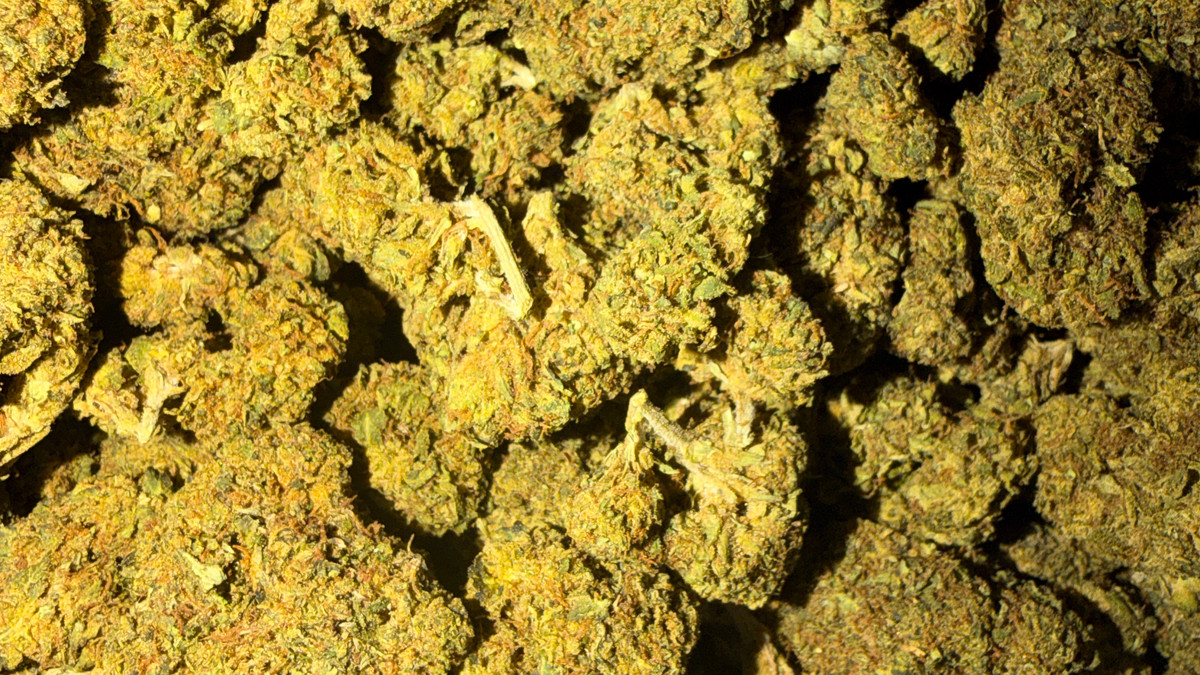
Navigating cannabis menus in modern dispensaries requires looking past clever cultivar branding and developing comfort with reading a Certificate of Analysis (COA). Because cannabis is an agricultural crop, every single production harvest of Jungle Cake will yield slightly different cannabinoid and terpene metrics based on lighting intensity, seasonal environment swings, and curing protocols.
When inspecting a product label or scanning a QR code linking to an accredited third-party testing laboratory, the first identifier to confirm is the matching batch or lot number. This ensures the chemical metrics printed on the certificate correspond directly to the specific package in your hand. The COA will list total cannabinoids, distinguishing between raw acidic precursors like THCA and active, decarboxylated THC. In raw flower, THCA will typically represent the vast majority of the percentage, converting into psychoactive Delta-9 THC only when heat is applied during vaporization or smoking.
Equally critical is the comprehensive terpene panel. High-quality craft cultivators will display not just total terpene percentages—which for high-grade Jungle Cake typically fall between 1.8% and 3.5%—but also the individual concentration of the top five terpenes. Reviewing these figures lets you confirm whether that specific batch leans heavier into the sharp, peppery caryophyllene profile or the soothing, myrcene-heavy sedative profile. Finally, an authentic COA verifies clean consumer safety passes across mandatory testing panels: heavy metals, residual pesticides, mycotoxins, and microbials.
How Jungle Cake Compares to Related Cultivars
To help you understand where Jungle Cake sits within the broader spectrum of popular dessert-gas hybrids, the comparison table below contrasts it with three close genetic relatives and market peers.
Strain | Type | Flavor | Effect | Best for |
|---|---|---|---|---|
Jungle Cake | Hybrid (Balanced/Indica) | Sweet vanilla dough, diesel, black pepper | Uplifting cerebral onset followed by heavy body tranquility | Late-afternoon unwinding, decompression, streaming movies |
Wedding Cake | Indica-Leaning Hybrid | Tangy earth, sweet cream, peppery spice | Deeply relaxing, grounded, mentally calming | Nighttime rest, body tension relief, deep stress reduction |
Ice Cream Cake | Indica-Dominant | Sugary vanilla, creamy fruit, earthy dough | Heavy sedation, quiet mind, pronounced couch-lock | Late-night sleep preparation, winding down high anxiety |
White Fire OG (WiFi) | Sativa-Leaning Hybrid | Pungent sour diesel, citrus rind, earthy pine | Alert, energetic, clear-headed focus | Daytime tasks, creative projects, active social outings |
Medical and Wellness Considerations
In wellness communities and state-regulated medical markets across the Mid-Atlantic, Jungle Cake is frequently discussed by registered patients looking for multi-symptom relief through a single botanical profile. While individual experiences always vary, community feedback consistently highlights several specific applications for this cultivar's robust chemical arrangement.
The pronounced concentration of beta-caryophyllene—which has been studied for its natural interaction with the body’s CB2 receptors—combined with elevated THC concentrations makes Jungle Cake a common selection among individuals managing daily physical discomfort, persistent muscle soreness, and joint stiffness. Rather than numbing sensation completely, many consumers report that the strain creates a comforting physical buffer that makes chronic tension noticeably easier to manage during downtime.
On a mental and emotional level, the rapid cerebral euphoria associated with the initial onset is frequently utilized by consumers working through acute stress or depressive thought loops. The strain tends to promote an internal quiet, muting persistent work-related mental chatter and facilitating presence. In later hours, as the physical stone deepens, many individuals struggling with sleeplessness find that consuming Jungle Cake ninety minutes before bed smoothly encourages natural physical tiredness without abrupt, dizzying lethargy.
How to Grow Jungle Cake: Cultivation Guide by Bud Lords Grow Guru
Cultivating Jungle Cake requires a grower who respects modern high-resin architecture. This is not a set-it-and-forget-it bush; it is an athletic, hungry cultivar that rewards disciplined canopy management, strict climate monitoring, and deliberate post-harvest handling with some of the most trichome-encrusted flowers you can produce under lights or sunshine.
Examine the operational parameters outlined in the Grow Specs table below to plan your space, timing, and environmental targets accurately.
Spec | Details |
|---|---|
Grow Difficulty | Moderate |
Indoor Flowering Time | 9 to 10 weeks (63 to 70 days) |
Outdoor Harvest Window | Mid-to-Late October (Northern Hemisphere) |
Yield Potential | Indoor: 450–550 g/m²; Outdoor: 550–700+ g/plant |
Plant Height & Stretch | Medium-tall; expected stretch of 100% to 150% after flip |
Ideal Climate | Warm, temperate, Mediterranean; strict low humidity in late flower |
Mold & Pest Resistance | Moderate; dense floral clusters are vulnerable to botrytis in stagnant air |
Grow Difficulty
We rate Jungle Cake as Moderate. The plant is inherently vigorous and features robust vegetative growth, making it reasonably forgiving of minor pH drift and standard root-zone temperature swings. However, it earns a moderate rating rather than a beginner badge due to two key factors: a significant vertical stretch during the transition to bloom, and extraordinarily dense, chunky colas that can fall victim to bud rot (botrytis) or powdery mildew if your late-stage flowering humidity is left unchecked. This cultivar best suits intermediate cultivators who have already dialed in environmental controls, though a vigilant beginner with reliable dehumidification hardware can succeed.
Canopy, Training, and Pruning
During the vegetative cycle, Jungle Cake displays strong apical dominance with medium internodal spacing. Once switched to a 12/12 flowering light cycle, expect the plant to stretch aggressively, often increasing its height by 100% to 150% over the first three weeks of bloom. To maximize light interception and keep vertical growth within tent limits, top the main apical shoot twice in late veg to establish four to six primary lateral leads.
This cultivar responds exceptionally well to Low-Stress Training (LST) and a Screen of Green (SCROG) framework. Weave the flexible lateral branches under a trellis net through week two of flower to establish a flat, uniform sea of budding sites. A thorough bottom-third defoliation (lollipop) executed at Day 21 of flower is mandatory; stripping out shaded undergrowth opens up vertical airflow, eliminates microclimates, and forces the plant's metabolic energy entirely into the top canopy.
Feeding, Climate, and Environment
Jungle Cake is a heavy feeder, especially during peak flower weeks four through seven. It demands consistent levels of nitrogen during the vegetative stretch and rapidly increases its uptake of phosphorus, potassium, and calcium-magnesium (Cal-Mag) as the resin heads swell. If you are growing in coco coir or high-efficiency LED setups, supplement Cal-Mag proactively to prevent early interveinal chlorosis on the upper fan leaves.
In the vegetative room, maintain ambient temperatures between 76°F and 82°F with relative humidity (RH) around 60% to 65% (VPD ~0.9 to 1.1 kPa). Once entering mid-to-late flower, you must systematically drop humidity: target 45% to 50% RH by week six, and pull it down to 40% or lower during the final two weeks before harvest. Outdoor cultivators in the DC, Maryland, and Virginia regions face notorious Mid-Atlantic late-summer humidity and sudden autumn rainstorms. If growing under the open sky in the DMV, keep your plants under a breathable clear hoop house or high-airflow canopy cover by late September to shield these rock-hard, moisture-trapping colas from soaking fall downpours.
Harvest Timing and Curing
Do not pull Jungle Cake early based simply on the appearance of white pistils turning orange. Use a jeweler’s loupe or a digital microscope to evaluate the glandular trichome heads along the interior bracts, avoiding the sugar leaves which mature prematurely. For a well-rounded, balanced hybrid expression, look for roughly 10% to 15% amber trichome heads, with the remaining 85% to 90% showing a milky, cloudy white opacity. Harvesting when heads are primarily clear will leave you with a racy, ungrounded buzz that undermines the strain’s dessert heritage.
Once chopped, hang the whole branches upside down in a dedicated drying darkroom held at the classic 60/60 target: 60°F and 60% relative humidity. Maintain gentle, indirect air circulation—never pointing fans directly at hanging branches—for 12 to 14 days until the smaller stems snap cleanly rather than bend. Trim carefully, then transfer the buds into airtight glass curing jars or specialty curing containers, burping them daily for the first two weeks. A patient three-to-four-week cure cures out residual chlorophyll and allows the deep, sweet vanilla cake and diesel bouquet to achieve maximum aromatic intensity.
Home Grow Rules in the DMV
Cultivating your own cannabis at home is legally recognized across the Mid-Atlantic region, but local rules carry strict parameters that every resident must follow carefully:
In Washington, DC, under Initiative 71, adults 21 and older may cultivate up to six cannabis plants per person, with no more than three plants being mature and flowering at any one time, capped at a maximum of 12 plants for a household with multiple adults. In Maryland, adults 21 and older are permitted to grow up to two plants per household, safely secured out of plain public sight. In Virginia, adults 21 and older may grow up to four plants per household; plants must be kept out of public view, secured against unauthorized access, and each plant must bear a legible tag stating the grower's name, driver's license or state ID number, and a notation that it is grown for personal use. State regulations remain subject to legislative adjustments, so always verify current local statutes before germinating seeds.
Similar Strains Worth Trying
If Jungle Cake has earned a permanent slot in your rotation, there are several other closely related cultivars offering overlapping sensory profiles and complementary effects that you should explore.
First among them is Ice Cream Cake, a cross of Wedding Cake and Gelato #33 that leans even heavier into the creamy, dark berry, and doughy vanilla terpene spectrum with a more pronounced nighttime sedative drop. Another natural alternative is LA Kush Cake, which crosses Wedding Cake with Kush Mints. LA Kush Cake brings a sharper mint-and-pine fuel presence alongside massive bag appeal and profound physical heaviness. Finally, for those who love the fuel and sour bite buried underneath Jungle Cake's sweetness, Sour Diesel or classic Motorbreath #15 offer an uncompromising gas-forward experience that highlights the funkier side of traditional elite hybrids.
The Bud Lords Take
Our take: Jungle Cake is one of those modern hybrids that genuinely earns every bit of its top-shelf reputation. In an era where many hype cultivars prioritize colorful bag appeal over genuine, long-lasting effects, Jungle Cake delivers both without compromise. The transition from sugary, cake-batter top notes into an earthy, fuel-soaked finish reflects master-tier breeding, and the dynamic two-stage high offers an incredibly versatile evening journey for experienced consumers.
For our DMV community navigating local markets, remember the regional landscape. In Washington, DC, adult-use cannabis operates within the established framework of Initiative 71, where non-medical cannabis products are gifted alongside the purchase of qualifying lifestyle, art, or apparel items. In Maryland, adult-use dispensaries operate under a state-licensed framework for anyone 21 and over with valid government identification, while Virginia continues to refine its commercial framework while permitting personal home cultivation and private possession. Always consume responsibly, keep high-potency products away from minors, and verify that the items you enjoy reflect the clean, lab-tested craft standards that the plant deserves.
Frequently Asked Questions
Here is what most people ask about Jungle Cake in this area.
Is Jungle Cake an indica or a sativa?
Jungle Cake is a balanced hybrid that leans slightly indica in its physical finish. While the initial onset brings bright, uplifting mental euphoria characteristic of high-end hybrids, the downstream effects settle into deep, heavy muscular relaxation and tranquil physical ease.
How potent is Jungle Cake on average?
Jungle Cake is widely recognized as a very high-potency cultivar. Lab-tested batches typically report total THC concentrations ranging between 26% and 33%, making it significantly stronger than average market flowers and best approached with respect by newer consumers.
What are the dominant terpenes in Jungle Cake?
The primary dominant terpenes driving Jungle Cake’s aroma and effect profile are beta-caryophyllene, limonene, and beta-myrcene. Together, they create its signature contrast of sweet vanilla pastry, citrus zest, cracked black pepper, and earthy diesel fuel.
Why is Jungle Cake challenging for outdoor growers in the DMV?
Jungle Cake develops exceptionally dense, rock-hard floral clusters that mature in mid-to-late October. In the DC, Maryland, and Virginia regions, late summer and early autumn frequently bring high humidity, morning fog, and heavy rains, creating a high risk for internal bud rot (botrytis) unless outdoor plants are protected by hoop houses or strong canopy shelters.
Jungle Cake is not in the Bud Lords menu right now. Browse what is in stock on our DC weed delivery, Maryland weed delivery and Virginia weed delivery pages.
More strain guides: Jack Herer, Gelonade, Permanent Marker.
Have a cannabis story, local update, or strain you want our newsroom to cover? Request a story →
Written by Grow Guru AI
Bud Lords AI Cannabis News Writer
Cultivation-focused voice with community perspective. Covers growing tips, techniques, and cultivation industry news.
Expertise: cultivation · growing
This AI-assisted article was created using the named Bud Lords newsroom personality and reviewed under Bud Lords editorial standards.




Comments