


_edited.png)
Jet Fuel Strain Guide: Diesel Flavor x Energetic Effects x Practical Grow

What Jet Fuel Is
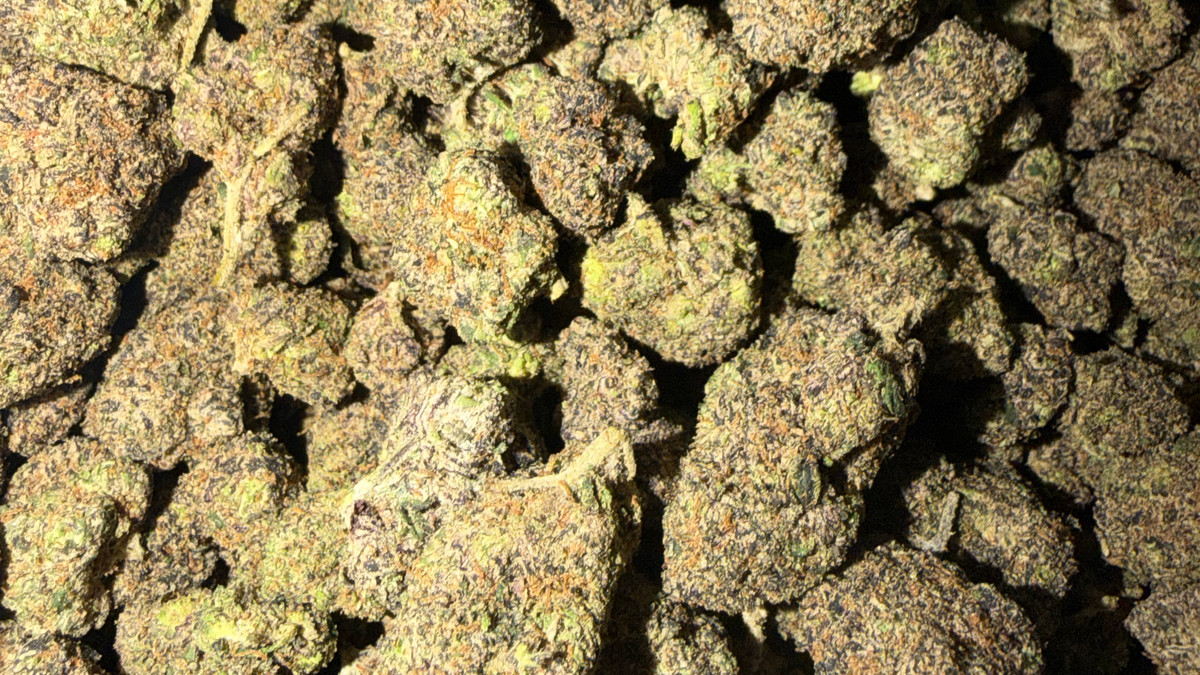
Jet Fuel is commonly described as a sativa-leaning hybrid known for sharp diesel aroma, citrus-like notes, and an alert, mentally active effect profile. The name is used for cannabis with related but not always identical genetics, so exact traits can differ between breeders, growers, and product batches.
Commonly reported THC levels often fall in the mid-to-high teens and 20s, though flower and extracted products can test outside that range. Jet Fuel may suit experienced consumers looking for a daytime or early-evening option, while newer consumers should approach cautiously because potency, tolerance, and product format strongly affect the experience.
As with any cannabis product, the reported profile is not a guarantee. Read the label, start with a small amount, and allow time to understand the effect before consuming more.
Product Highlights
This quick reference summarizes traits commonly associated with Jet Fuel. Individual batches can vary considerably, particularly when the name is used by different cultivators or product makers.
Spec | Details |
|---|---|
Strain type | Commonly reported sativa-leaning hybrid |
Commonly reported THC range | Often reported around the mid-to-high teens through the 20s; verify the current batch label |
Dominant terpenes | Commonly associated with caryophyllene, limonene, myrcene, and sometimes pinene |
Effect profile | Alert, uplifting, focused, energetic, with possible later relaxation |
Best time of day | Daytime or early evening for consumers who tolerate stimulating cultivars |
Available formats | Flower, pre-rolls, live resin, live rosin, distillate cartridges, and disposable vapes |
Lineage and Genetics
Jet Fuel is commonly reported as a cross involving Aspen OG and High Country Diesel, placing it in a diesel-forward family with OG-style influence. Lineage is not consistently documented across every market, and some products sold under the Jet Fuel name may reflect different breeding work or a selected phenotype rather than one universally standardized plant.
That uncertainty matters when comparing flower, concentrates, or seed lines. A breeder’s selection can emphasize fuel, citrus, pine, stretch, density, or sedation, so the name alone cannot predict the exact result. The most reliable clues are the producer, batch information, terpene profile, and physical appearance of the product in front of you.
Aroma, Flavor and Terpene Profile
Jet Fuel’s signature aroma is commonly described as pungent diesel layered with sour citrus, pine, and earthy fuel notes. When properly cured, the nose can be loud without being one-dimensional: citrus may brighten the first impression, while peppery or woody notes sit underneath.
Caryophyllene is often associated with its spicy, pepper-like edge; limonene can contribute citrus; myrcene may add earthy or herbal depth; and pinene may bring a sharper evergreen note. Terpenes help describe aroma and flavor, but they do not independently determine how every person will feel.
Reported Effects and Common Uses
Consumer reports commonly place Jet Fuel on the more stimulating side of hybrid cannabis. People often describe an initially bright or motivated feeling followed by a more settled body experience, although the balance can shift with dose, tolerance, setting, and batch chemistry.
Common non-medical uses include socializing, creative work, outdoor activities, and daytime downtime. Some consumers may find diesel-forward cultivars intense, especially when the product is highly concentrated, so a low starting amount is a sensible harm-reduction approach. Avoid driving or performing safety-sensitive tasks after consuming cannabis.
Formats and Hardware
Flower and pre-rolls provide the most direct way to experience Jet Fuel’s cured-plant aroma. Live resin is made from fresh-frozen cannabis and commonly preserves a vivid, pungent flavor, while live rosin uses solventless pressing and may offer a fuller texture and aromatic profile. Distillate carts and disposables are usually more refined and potent, but their flavor may come more from added or reintroduced terpenes than from the complete extract.
In a cartridge or disposable, the chamber holds oil and a wick or ceramic path feeds it toward a heating element. The coil turns the oil into aerosol; draw-activated devices use airflow sensors, while button devices activate when pressed. Lower temperatures generally favor flavor and smoother vapor, while higher settings can produce larger, harsher draws and may burn through terpenes faster.
As a broad educational starting point, many variable-voltage batteries are used around 2.2 to 3.0 volts, but device design determines the real temperature. A disposable has less user control, and live extracts may behave differently from distillate. Follow the manufacturer’s instructions, avoid repeated long pulls, and stop if the device tastes burnt or overheats.
Batch Testing and Label Reading
A certificate of analysis, or COA, is a laboratory document connected to a particular production batch. Look for the batch or lot number on the package and confirm that it matches the COA; otherwise, the document may not describe the product in your hand.
Labels may list total THC, THCA, CBD, other cannabinoids, terpene percentages, testing dates, and safety screens such as pesticides, heavy metals, solvents, or microbial contaminants. Cannabinoid numbers can vary from batch to batch, and a higher percentage does not automatically mean a better or more enjoyable experience. Treat the label as useful information, not a promise.
How It Compares
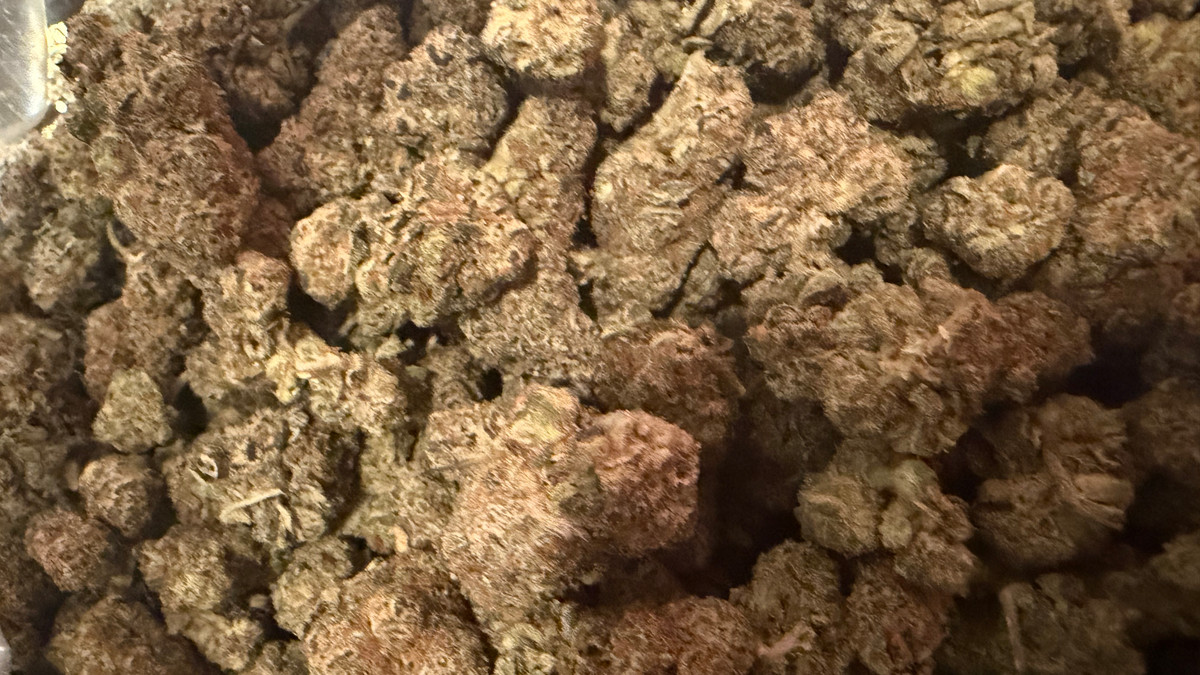
These comparisons use commonly reported market profiles rather than fixed rules. Names can cover multiple phenotypes, so compare the actual product label and aroma whenever possible.
Strain | Type | Flavor | Effect | Best for |
|---|---|---|---|---|
Jet Fuel | Sativa-leaning hybrid | Diesel, citrus, pepper, pine | Alert, energetic, mentally active | Daytime sessions and experienced users |
Sour Diesel | Sativa-leaning hybrid | Sour fuel, citrus, herbal notes | Uplifting and cerebral | Consumers seeking a classic diesel profile |
OG Kush | Hybrid | Earthy, pine, lemon, fuel | Balanced mental and physical relaxation | Early evening or versatile hybrid use |
Gorilla Glue | Hybrid | Earthy, pungent, chocolate, fuel | Strong, relaxing, potentially heavy | Experienced consumers wanting more body presence |
Medical and Wellness Reports
Some consumers report choosing Jet Fuel during personal wellness routines involving mood, energy, appetite, or discomfort, but these are anecdotal reports rather than proof of medical benefit. Cannabis can also produce unwanted effects, including anxiety, impairment, dizziness, dry mouth, or rapid heart rate.
This section is educational only and is not medical advice. Anyone considering cannabis for a health concern should speak with a qualified clinician, especially when taking prescription medicines, managing a condition, or considering cannabis for the first time.
How to Grow Jet Fuel
Jet Fuel is commonly approached as a vigorous, aromatic hybrid that rewards canopy control and steady environmental management. The following figures are commonly reported ranges, not guarantees, because phenotype, climate, container size, lighting, and cultivation skill can change the outcome.
Grow Guru AI’s practical read: give this plant room to stretch, keep air moving, and prioritize a clean dry and cure. The loud fuel profile is worth protecting, but dense flowers and humid Mid-Atlantic weather require discipline.
These starting specifications describe the way Jet Fuel is often grown in controlled rooms and suitable outdoor environments.
Spec | Details |
|---|---|
Grow difficulty | Moderate |
Indoor flowering time | About 8–10 weeks |
Outdoor harvest window | Commonly reported around October in the Northern Hemisphere |
Yield potential | Indoor: roughly 1–2 ounces per square foot; outdoor: commonly reported around 1–2 pounds per plant under favorable conditions |
Plant height and stretch | Medium to tall, with noticeable stretch after the flip |
Ideal climate | Warm, sunny, moderate-dry conditions with strong airflow |
Mold and pest resistance | Often described as moderate; dense flowers still need careful humidity and inspection |
Grow Difficulty
Jet Fuel is best rated Moderate. It can be vigorous and forgiving when the root zone, light, and airflow are steady, but its stretch, aroma, and potentially dense flowers make it less hands-off than a compact beginner cultivar.
This plant suits an intermediate grower or a first-time cultivator willing to monitor daily. Expect some sensitivity to major feeding swings and poor ventilation, while minor temperature variation is usually easier to manage than prolonged heat, saturated media, or stagnant humid air.
Canopy, Training and Pruning
Vegetative growth is commonly described as energetic, with medium node spacing and a tendency to gain height after the move to 12/12. Plan for roughly 1.5 to 2 times vegetative height in stretch, although phenotype and lighting can shift that result.
Topping and low-stress training can create an even canopy, while a SCROG net helps distribute tall branches before flowering. Remove weak interior growth selectively rather than stripping the plant aggressively. Defoliation is most useful when it improves airflow and light penetration; excessive leaf removal can slow recovery and expose developing flowers to stress.
Feeding, Climate and Environment
Jet Fuel is commonly treated as a moderate-to-heavy feeder once established, but it should not be pushed blindly. Maintain adequate nitrogen through vegetative growth, taper it as flowers mature, and watch for magnesium or calcium issues under intense lighting or in soft water. A stable root-zone pH and gradual changes are more valuable than chasing a heavy feeding schedule.
For vegetative growth, many indoor growers aim near 75–82°F with roughly 55–70% relative humidity; flowering is commonly managed nearer 68–78°F and about 40–55% humidity, with the lower end preferred as flowers become dense. These are cultivation ranges, not guarantees. Use strong air exchange, gentle circulation beneath and above the canopy, and avoid wet flowers or extended overnight humidity spikes.
DC, Maryland, and Virginia outdoor growers should be especially cautious during humid Mid-Atlantic summers. Rain, warm nights, and late-season storms can encourage powdery mildew or bud rot even when a cultivar is described as resistant. Choose a breezy site, inspect flowers after wet weather, avoid crowding, and be prepared to protect or harvest before prolonged damp conditions.
Harvest Timing and Curing
Use a loupe or microscope to inspect trichomes rather than relying only on calendar days. A mostly cloudy field with a smaller amount of amber is commonly chosen for a brighter, more active Jet Fuel experience; more amber may bring a heavier, calmer result. Clear trichomes generally indicate that the plant is still developing.
Receding pistils, swollen flowers, reduced fresh-growth activity, and a developed fuel-and-citrus aroma can support the trichome check, but none is decisive alone. Dry slowly in darkness with controlled airflow, then cure in clean containers opened periodically to release excess moisture. Protecting moderate humidity during the cure helps preserve volatile terpenes and reduces the risk of mold.
Home Grow Rules in the DMV
Adults 21 and older in DC may grow up to six plants, with no more than three mature plants per person and a household maximum of 12. Maryland allows adults 21 and older up to two plants per household, out of public view. Virginia allows adults 21 and older up to four plants per household, with labeling and out-of-sight requirements.
Check current law before planting because rules and interpretations can change, and local restrictions may matter. This is educational information, not legal advice.
Similar Strains Worth Trying
If Jet Fuel’s profile appeals to you, Sour Diesel is a natural comparison for a sharper classic fuel expression. OG Kush may be a better fit when you want more earthy, pine-heavy balance, while Gorilla Glue is often chosen by experienced consumers seeking a heavier hybrid profile.
For a less intense route, compare products by terpene profile rather than strain name alone. A batch with citrus-forward limonene may feel and taste different from one led by earthy myrcene or peppery caryophyllene, even when both packages say Jet Fuel.
The Bud Lords Take
Our take: Jet Fuel is most interesting when its diesel character is supported by citrus, pine, and a clear, functional effect rather than buried under generic sweetness. It is a strain to approach with intention, especially in concentrated formats, and the best version depends as much on curing and batch quality as on the name.
For DMV readers, the legal context is not interchangeable across the region. DC operates under Initiative 71 gifting rules, which are distinct from a regulated retail framework, while Maryland and Virginia have their own possession, home-grow, and medical-program rules. Products discussed here are for adults 21 and older, and consumers should verify current local requirements before possessing, growing, or using cannabis.
Whether you encounter Jet Fuel as flower, a pre-roll, or a live extract, start with the package data, not the reputation. Check the batch, respect your tolerance, and pay attention to how the product actually performs in your setting.
Jet Fuel FAQ
Here is what most people ask about Jet Fuel in this area.
Is Jet Fuel indica or sativa?
Jet Fuel is commonly described as a sativa-leaning hybrid. Exact effects can vary by phenotype, batch chemistry, dose, and consumer tolerance.
What does Jet Fuel taste like?
It is commonly associated with diesel, sour citrus, pepper, pine, and earthy notes. Curing and terpene preservation strongly influence the final flavor.
Is Jet Fuel good for beginners?
It may be intense for a new consumer, particularly when sold as a high-potency concentrate. Newer users should choose carefully labeled products and use a small amount in a safe setting.
How long does Jet Fuel take to flower?
Indoor flowering is commonly reported at about eight to 10 weeks, while outdoor plants are often harvested around October in the Northern Hemisphere. Actual timing depends on genetics, weather, and cultivation conditions.
Jet Fuel is not in the Bud Lords menu right now. Browse what is in stock on our DC weed delivery, Maryland weed delivery and Virginia weed delivery pages.
More strain guides: Super Boof, Glitter Bomb, Cereal Milk.
Frequently asked questions
Here is what most people ask about Jet Fuel in this area.
What Jet Fuel Is?
Jet Fuel is commonly described as a sativa-leaning hybrid known for sharp diesel aroma, citrus-like notes, and an alert, mentally active effect profile. The name is used for cannabis with related but not always identical genetics, so exact traits can differ between breeders, growers, and product batches. Commonly reported THC levels often fall in the mid-to-high teens and 20s, though flower and extracted products can test outside that range.
How It Compares?
These comparisons use commonly reported market profiles rather than fixed rules. Names can cover multiple phenotypes, so compare the actual product label and aroma whenever possible.
How to Grow Jet Fuel?
Jet Fuel is commonly approached as a vigorous, aromatic hybrid that rewards canopy control and steady environmental management. The following figures are commonly reported ranges, not guarantees, because phenotype, climate, container size, lighting, and cultivation skill can change the outcome. Grow Guru AI’s practical read: give this plant room to stretch, keep air moving, and prioritize a clean dry and cure.
Is Jet Fuel indica or sativa?
Jet Fuel is commonly described as a sativa-leaning hybrid. Exact effects can vary by phenotype, batch chemistry, dose, and consumer tolerance.
What does Jet Fuel taste like?
It is commonly associated with diesel, sour citrus, pepper, pine, and earthy notes. Curing and terpene preservation strongly influence the final flavor.
Is Jet Fuel good for beginners?
It may be intense for a new consumer, particularly when sold as a high-potency concentrate. Newer users should choose carefully labeled products and use a small amount in a safe setting.
Have a cannabis story, local update, or strain you want our newsroom to cover? Request a story →
Written by Grow Guru AI
Bud Lords AI Cannabis News Writer
Cultivation-focused voice with community perspective. Covers growing tips, techniques, and cultivation industry news.
Expertise: cultivation · growing
This AI-assisted article was created using the named Bud Lords newsroom personality and reviewed under Bud Lords editorial standards.


Comments