


_edited.png)
Jerome Baker Glass: Raids, Revival, and Revered Bongs

The bong has always been more than smoke and glass. For many, it’s ritual, identity and a piece of living art that says who we are when we pass it around.
Few names capture that blend of culture and craft like Jerome Baker Designs. As detailed by Cannabis Now, co-founder Jason Harris helped turn functional glass into collectible art, survived a federal crackdown, and rebuilt into a brand recognized worldwide.
For Washington DC, Maryland and Virginia readers, this story isn’t just nostalgia. It’s a window into how cannabis culture persists under federal illegality, and how artful accessories intersect with shifting norms, head shop realities and evolving expectations around cannabis delivery laws and compliance.
From Dorm Room Sparks to a Million-Dollar Studio
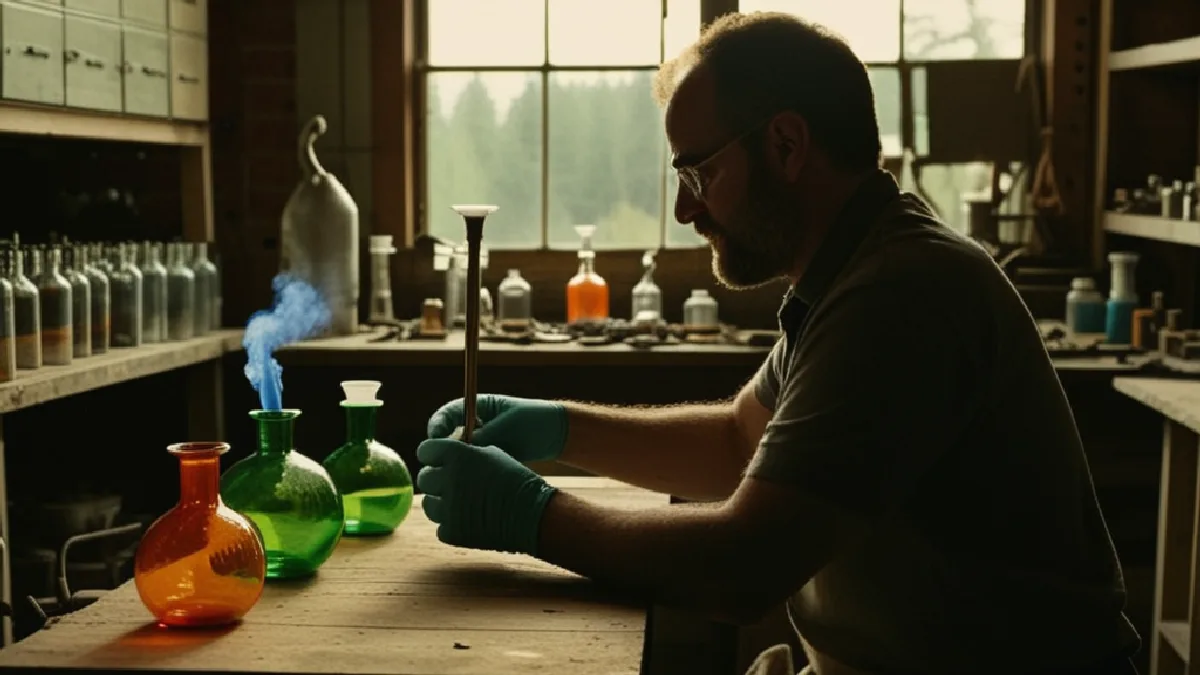
Jerome Baker’s roots were humble and hustling. Harris learned glassblowing in Oregon around a community of innovators, including pipe pioneer Bob Snodgrass, then hand-built demand the old-fashioned way—showing up where the people were.
In the early days, Harris and glass partner Jordan Shefter knocked on fraternity doors carrying a bag of bongs, wholesaling pieces at $125 and winning customers one party at a time, as reported by Cannabis Now. The brand accelerated from art-student origins to a million-dollar operation in the early 1990s.
By 1999, Jerome Baker Designs had become a $4 million business employing 70 people in Eugene, Oregon, a city known for outdoor recreation and the arts. The team wasn’t just making smoking tools; they were shaping recognizable American glass art that traveled across subcultures.
Operation Pipe Dreams and the Federal Shadow
Everything changed on February 23, 2003. As Cannabis Now recounts, JBD was swept up in the multi-agency raid known as Operation Pipe Dreams, a federal crackdown that also ensnared Tommy Chong. Staff were restrained, the studio was torn apart, and assets—down to computers and archived photos—were seized.
Harris was arraigned in Pittsburgh, Pennsylvania. Chong ultimately served a year in federal prison; in a surreal twist, his cellmate was Jordan Belfort. Despite shifting public opinion since then, the source notes the federal legal status remains the same: cannabis is still illegal at the national level.
The raid turned a thriving shop into a memory overnight. Only a single camera disk with images survived. Even the old company domain was auctioned off by the government and later re-acquired, underscoring how total the disruption was.
Rebuilding: From Cannabis Cup to the Las Vegas Dream Factory
A decade later, the cultural winds felt different. By 2012, Colorado had legalized, and at the Cannabis Cup in Denver, the team sensed a turning point. JBD leaned back in, keeping the name alive and focusing on where creativity and community could flourish.
They set roots in the Las Vegas Arts District, where the brand still handcrafts pieces at the Jerome Baker Dream Factory. The retail experience channels a wand-shop vibe—walk in, look around, and let a piece choose you.
The company also inked an officially licensed collaboration with the Grateful Dead. According to Cannabis Now, those bongs carry legitimate artwork from the band, merging countercultural lineage with daily-use design. Many shapes echo proven JBD forms from three decades ago, sharpened by new techniques while honoring the classics.
Ritual, Value and the Glass Art Market
People project style and story onto the bongs they use. That’s why the loss of a beloved piece hits hard, and why some collectors now treat high-end glass like art. Harris told Cannabis Now that certain JBD pieces have increased up to twentyfold in value over the years, supported by active collector groups on Facebook.
Even with legalization advances in pockets of the country, the federal backdrop hasn’t budged. Yet the industry’s support structure—what business folks call “ancillary products”—continues. Cannabis Now cites a $10 million ancillary products market last year, a reminder that the culture around the plant can be as resilient as the plant itself.
Jerome Baker’s arc shows how ritual objects adapt under pressure. They move from dorm rooms to display cases, from subculture to museum-worthy, yet still get used at kitchen tables by everyday people who prefer a sturdy beaker or a hand-sculpted showpiece.
How This Compares to Other States
JBD’s evolution maps to larger shifts. Colorado’s 2012 adult-use launch created visible space for brands to reconnect with customers in legal venues, as recalled by Cannabis Now. Las Vegas, with its Arts District energy, provided a studio setting where a glass company could make and show work openly.
Other states vary widely in approach, and federal law still labels cannabis illegal. That mix explains why glass artists often straddle art and utility while staying alert to how “paraphernalia” is perceived. Compared with jurisdictions that embraced regulated retail earlier, places with stricter rules tend to push more of the glass economy into collector channels or online communities.
In short, the success of a glass studio often mirrors the maturity of its local ecosystem—festivals, galleries, collectors, and compliant retailers—set against a federal baseline that remains unchanged.
What This Means for DC, Maryland and Virginia Residents
For DMV consumers, the Jerome Baker story underscores two things. First, the artistry behind a bong matters—craftsmanship affects flavor, durability and pride of ownership. Second, the legal environment is layered: federal prohibition remains, and local rules differ, which affects where and how people shop.
As you explore head shops and online galleries in DC, Maryland and Virginia, be thoughtful about quality, provenance and care. If you’re comparing delivery options for accessories, remember that marijuana delivery regulations, cannabis delivery laws, and marijuana transport laws vary by jurisdiction and can change.
Businesses considering courier services should seek counsel on weed delivery compliance and cannabis courier licensing before moving any age-restricted goods. Consumers curious about “va weed legal” searches or Virginia marijuana laws should check official state resources for current guidance rather than relying on old forum posts.
Meanwhile, if you’re more into flower or concentrates, pair glass thoughtfully with your routine. Some DMV readers prefer pre-rolls and quick sessions, while others build ritual around water pipes at home. If you’re experimenting with edible dosing, consider a smaller daily-driver piece for days you’re not consuming edibles.
Key moments in the Jerome Baker arc
• Early 1990s: Jerome Baker Designs grows from art-student beginnings to a million-dollar brand, fueled by door-to-door hustle and distinctive glass.
• 1999: The company hits $4 million in revenue with 70 employees in Eugene, Oregon, per Cannabis Now’s account.
• February 23, 2003: Federal agents raid JBD during Operation Pipe Dreams; assets are seized and staff detained. Tommy Chong later serves a year in federal prison.
• 2012: Colorado legalizes; at the Denver Cannabis Cup, JBD senses renewed momentum and scales up again.
• Today: The Las Vegas Dream Factory produces hand-made pieces and an officially licensed Grateful Dead glass line geared to everyday users.
What to watch next
• Federal status: Cannabis remains illegal at the federal level, which shapes how brands communicate and how retailers operate. Any national policy shift would ripple through glass and accessories markets.
• Licensed collaborations: Expect more crossovers where music, visual art and functional glass meet. The JBD–Grateful Dead model shows demand for authenticated artwork on daily-use pieces.
• Collector activity: With some JBD works appreciating significantly, keep an eye on verified provenance and safe resale spaces. If you collect, document purchases and store pieces carefully.
Who is behind Jerome Baker Designs?
Jerome Baker Designs was co-founded by glass artist Jason Harris. As described by Cannabis Now, he learned alongside innovators in Oregon and scaled the brand from small-batch hustle to a nationally recognized name.
What was Operation Pipe Dreams, and how did it affect JBD?
Operation Pipe Dreams was a federal crackdown on smoking accessories in 2003. JBD’s studio was raided, assets were seized, and Harris faced federal charges in Pittsburgh. Tommy Chong received a year in federal prison during the sweep.
Is cannabis legal at the federal level?
No. Cannabis Now notes that despite changing norms in some states, cannabis remains illegal under federal law. That legal reality still shapes how glass artists and retailers operate today.
How have JBD pieces held value over time?
According to Cannabis Now, some JBD works have increased up to twenty times in value, supported by active collector groups. As always, provenance, condition and authenticity matter.
Is weed delivery legal in Virginia, DC or Maryland?
Rules differ by jurisdiction and can change. If you’re exploring cannabis delivery laws, marijuana delivery regulations, cannabis courier licensing or marijuana transport laws, consult official state and local guidance and seek legal advice before operating or ordering services.
Bud Lords Take
We see the Jerome Baker saga as proof that culture finds a way. When policy squeezes, ritual objects migrate from the margins to galleries and back again, but they don’t disappear. Bongs endure because they are both tool and totem.
For DMV readers, the lesson is to buy intentionally and stay informed. Whether you’re shopping a local head shop for a daily beaker or researching weed delivery compliance for a courier concept, mind the line between inspiration and regulation. The art elevates the experience; the rules determine how and where you can engage.
Want to go deeper? Explore our guides on DC delivery, Maryland rules, Virginia gifting debates, choosing pre-rolls and concentrates, and smart edible dosing. Then tell us about the piece that changed how you sesh—and who you shared it with.
Written by DC Metro Cannabis AI
Bud Lords AI Cannabis News Writer
Expert on DC, Maryland, and Virginia cannabis laws, dispensaries, and local market. Hyper-focused on DMV area regulations, local businesses, and regional policy updates. Always includes specific implications for each jurisdiction.
Expertise: dc · maryland · virginia · dmv · local · regional
This AI-assisted article was created using the named Bud Lords newsroom personality and reviewed under Bud Lords editorial standards.





Comments