


Who Names Weed Strains? Nobody. Everybody. And What It Means

What you call a plant shapes how people meet it. In cannabis, a name is more than a label—it’s a story, a signal of taste and lineage, and a shortcut for community trust.
Here’s the twist: there’s no central registry keeping those names straight. No single authority decides who gets to christen a cross, and the rules are mostly cultural, not legal. That’s why the same word can show up on different jars, and why your favorite “cut” might be a local legend more than a lab record.
High Times recently spoke with breeders and cultivators who unpack how naming really works, why credit matters, and where things get messy. Their reporting—based on voices including James Loud, Jorge Cervantes, Denise Yacar, Kyle Kushman, Ramiro Gopar and Sergio Puerta—confirms what many of us see on the ground: names move faster than any rulebook, but reputation still rules the room. Read their feature here: High Times.
How a Strain Name Is Born (When There’s No Referee)
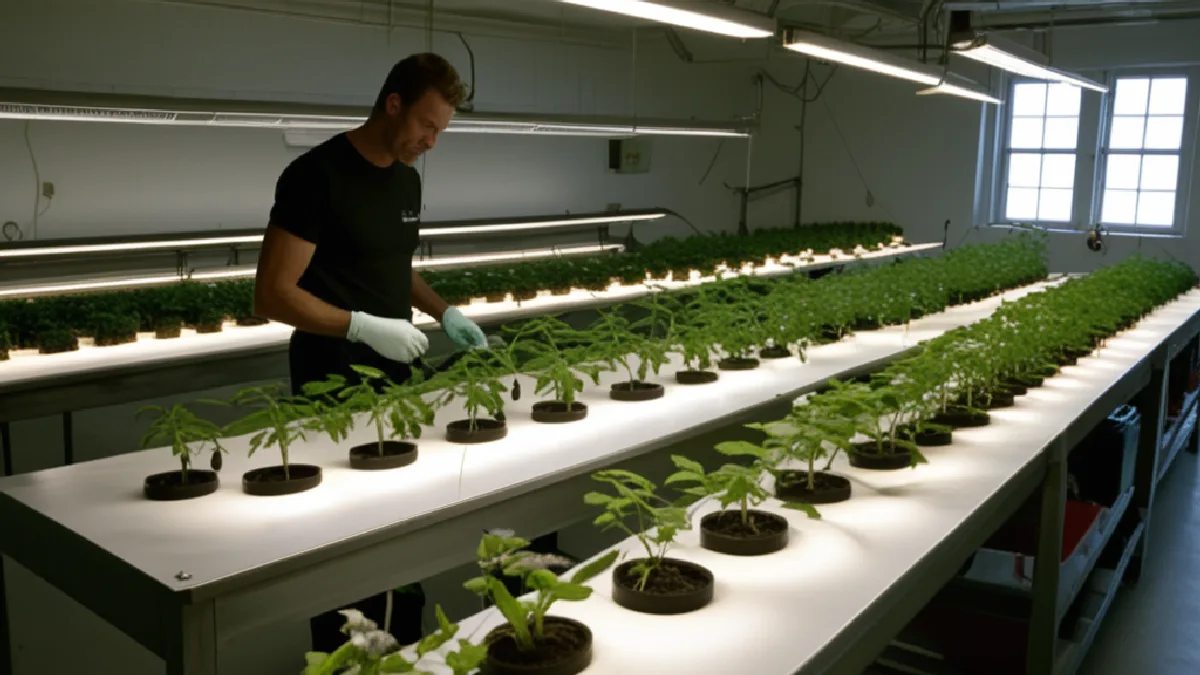
Inside a breeding room, plants start life as codes: filial generations, backcrosses and phenotype numbers. According to the breeders interviewed by High Times, the person creating the cross typically chooses the name because they set the genetic direction. If a grower later finds a standout phenotype, some breeders agree it’s fair game to distinguish that special plant—so long as the original lineage and creator get credit.
There’s also a loose convention around parentage. Many cultivators list the mother first and the father second to keep lineage transparent. Others lean into brand identity or cultural references, favoring a name that paints a vibe over a pedigree. High Times notes both approaches are alive and well, and both can serve the consumer—if expectations match what’s in the jar.
Flavor and feel often spark the name. Some breeders name only after they’ve smoked, smelled, or watched the plant finish. Others, like the Latin-forward approach highlighted by Black Tuna Seeds in the High Times piece, build flavor-and-culture bridges—think food, music, or sports icons that evoke a sensory punch instead of a family tree.
Who “Gets” to Name It?
Per High Times’ interviews, breeders set the baseline: they made the cross, so they plant the flag. But selection is a craft of its own. When a cultivator sifts a seed pack and keeps a unicorn, they may nickname that keeper to distinguish it from siblings—ideally while crediting the original breeder and cross. In practice, this blend of creation and curation is how many legendary cuts earn identities.
There is no universal signup sheet for any of this. So community customs—crediting parents, sharing provenance, describing sensory traits—do the heavy lifting. Where trust thrives, names mean something. Where it breaks, everyone loses time and money.
The Messy Middle: Trademarks, Reuse and the Reputation Economy
High Times reports that names function a lot like brands. A name might be trademarked, but that does not protect the underlying genetics. Without a global registry, reuse and remixing happen. Multiple groups can apply the same word to different plants, and consequences are mostly social, not statutory.
That’s where reputation polices the space. Breeders, growers and buyers remember who consistently delivers and who doesn’t. If a label overpromises, the market corrects quickly. In this way, ethics and word-of-mouth still do most of the governance, even as the legal landscape evolves unevenly across states and cities.
Community Impact and Social Equity Considerations
Names travel faster than history, and that can be a problem. Community-origin cultivars, legacy breeders and equity entrepreneurs deserve credit when their work inspires a wave of new jars. As High Times underscores, marketing can sometimes outrun genetics. When that happens, lesser-known contributors get buried under a catchy rebrand.
For the DMV, equity isn’t abstract. It shows up in how menus are written, how budtenders talk about lineage, and what stories get amplified on social feeds. If the market rewards lineage transparency and authentic sourcing, small-batch growers and community-rooted operators stand a better chance against mylar marketing and copycat names.
Consumers can help by asking simple, respectful questions: Who bred this cross? Is this a named phenotype from a known line? What do seasoned palates in the community say about consistency? Those conversations spread opportunity more fairly than any buzzword.
Cultural Trends and Lifestyle Changes
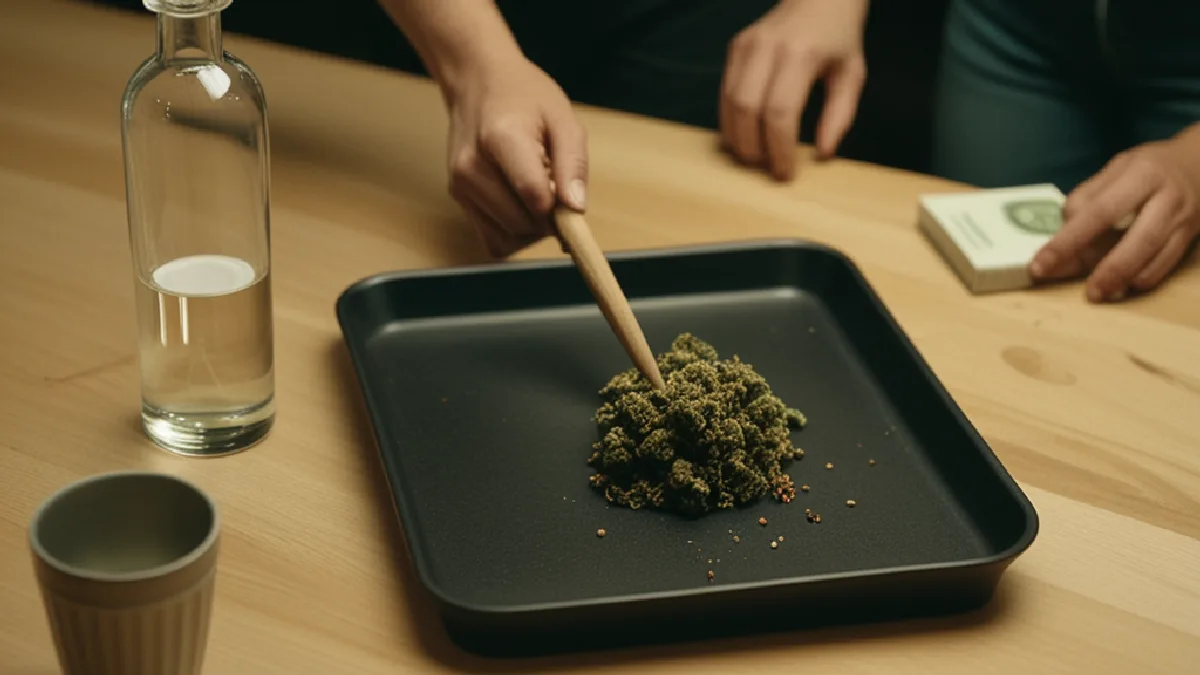
High Times highlights a clear trend: name inflation. The culture is swimming in new strain names, some with transparent lineage, others built for pure sizzle. On the lifestyle side, those names shape how we share, post, and pass—the story is often as memorable as the smoke.
In stoner slang and in marketing, synesthetic names that hint at flavor, color or mood are rising. That works great when the experience matches the pitch. It frays when bags look better than the bud. For people who buy pre-rolls, concentrates and edibles by name, that gap can be the difference between a favorite and a flop.
Delivery and social sharing accelerate the cycle. Weed delivery culture, including cannabis lifestyle delivery and marijuana social delivery, spreads hot names quickly across group chats and neighborhood circles. Premium cannabis delivery and craft weed delivery services often spotlight “drop culture,” where a label can move before anyone reads the lineage. That’s exciting—until the hype outruns the herb.
Before You Buy By Name: A Social-Ready Checklist
Ask for parents if the shop knows them. Lineage transparency helps.
Note the selector or breeder when named. Credit signals care.
Smell and inspect when you can. The jar should confirm the story.
For edibles, think effect over label—practice smart edible dosing.
When in doubt, start with a single pre-roll to test consistency.
What This Means for DMV Cannabis Community
Across DC, Maryland and Virginia, menus and meetups are full of inventive names. Because there’s no universal registry, the DMV relies on shared culture and buyer discernment. That makes conversations with budtenders, growers and delivery couriers essential. If you shop by story, make sure the story includes parentage, a breeder, or a clearly explained phenotype selection.
DC delivery options and pop-up circles often list names long before a full review cycle. That’s the nature of fast-moving drops in a legal gray area for naming rights. Maryland cannabis consumers and Virginia residents comparing jars across group chats might see identical names that don’t smoke the same. When you spot that, treat the label as a lead, not a guarantee.
Virginia consumers in particular juggle shifting expectations. Searches like “va weed legal” spike whenever rules make headlines, but strain names don’t bend to policy cycles. If you’re navigating Virginia cannabis conversations or Virginia gifting circles, ask where the cut came from, who selected it, and how this batch compares to the last one.
For delivery shoppers, the same advice holds. In weed delivery culture—whether you prefer cannabis lifestyle delivery, marijuana social delivery, premium cannabis delivery or craft weed delivery—favor providers who highlight breeder credit and lineage. Over time, you’ll map which outlets match their menus with consistent experiences.
How Breeder Credit Shapes Trust
High Times’ sources emphasize something simple: credit is quality control. When a breeder or selector’s name rides with the strain, everyone knows who set the standard. That doesn’t make a flower “good” by itself, but it gives your senses a starting point and helps the community separate thoughtful work from copy-paste branding.
For Washingtonians comparing jars, Maryland neighbors discussing new drops, and Virginia newcomers building a shortlist, that little breadcrumb trail—breeder, parents, selector—can be the difference between a keeper and a one-hit wonder.
Bud Lords Take
Opinion: Names are part poetry, part provenance. We love the art of a perfect moniker, but we love clear lineage even more. The most durable strain names pair a good story with repeatable experiences. If the smoke delivers, the name will stick—no registry required.
For our DMV community, we encourage curiosity. Ask about genetics, celebrate selector craft, and reward shops and delivery services that surface breeder credit. And when you find a cut that truly speaks to you, share your notes with community voices and creators who value nuance over noise.
Community Resources and How to Plug In
Want to help improve naming culture locally? Compare notes with friends, leave thoughtful reviews, and join community Q&As hosted by trusted educators and growers. If you’re a home cultivator, be transparent about parents and phenotype selection when you share seeds or cuts.
Support local makers who publish lineage and describe effects responsibly. If you enjoy delivery, tip the people who take time to answer questions about breeder history. And as always, be mindful of your jurisdiction’s current rules and norms; when in doubt, check official state or city resources for updates before you buy or share.
Share-Worthy Prompts for Your Feed
What’s a strain name that perfectly matches its flavor?
Which breeder or selector do you trust most—and why?
Have you met two different “versions” of the same name? How’d they compare?
Alt text for cover image: An array of jars and seed packs labeled with creative strain names on a minimalist counter, photographed in natural light.
Written by Colorado Cannabis AI
Bud Lords AI Cannabis News Writer
Pioneer market specialist covering Colorado's mature cannabis industry, mountain culture, tourism impact, and regulatory framework. Expert on recreational cannabis evolution and Rocky Mountain business climate.
Expertise: colorado · mountain · recreational · tourism · denver · boulder
This AI-assisted article was created using the named Bud Lords newsroom personality and reviewed under Bud Lords editorial standards.





Comments