


_edited.png)
Do Psychedelics Really Boost Athletic Performance Now?

Athletes from combat sports to trail running are saying psychedelics make training feel smoother, soreness fade faster, and focus snap into place. From microdosing psilocybin to occasional low-dose LSD, many describe a stronger mind-body connection and easier access to a flow state.
That lived experience matters—but does it translate to measurable performance gains? Right now, the evidence is limited. The gap between what athletes feel and what science can prove is still wide.
What the research and real-world reports actually show
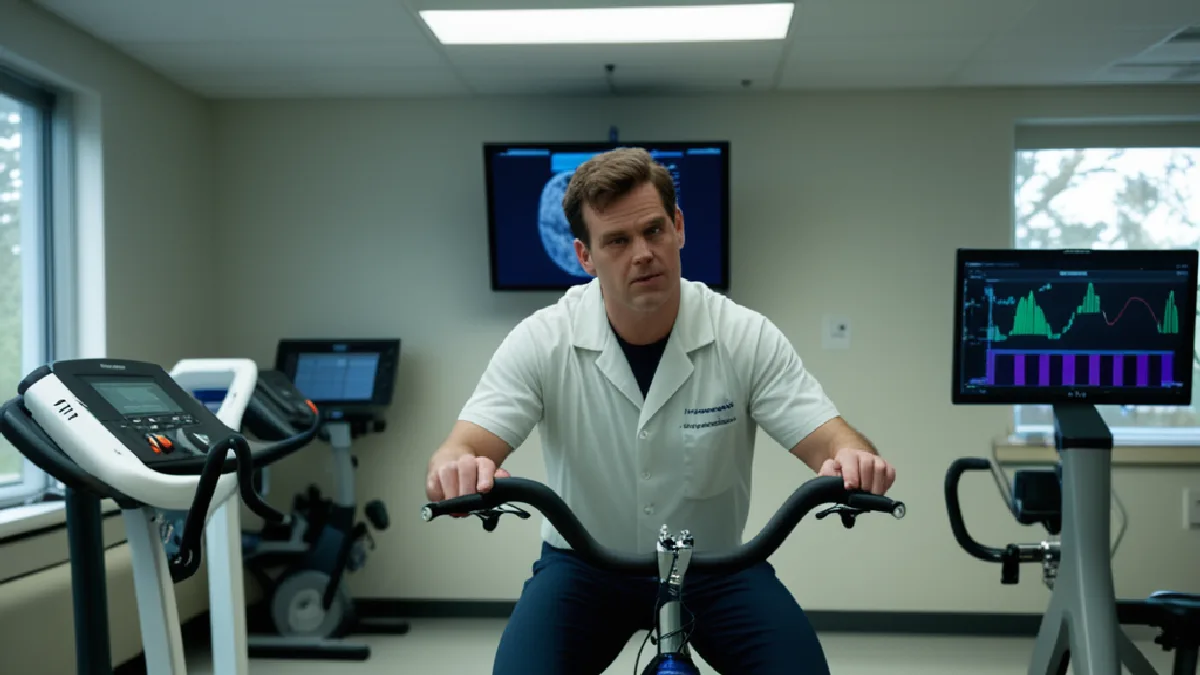
Recent reporting from DoubleBlind Mag pulls together emerging data and athlete accounts. A 2024 study cited there found 35.8% of surveyed recreational and collegiate athletes used psychedelics in the past year, with 7.5% using them regularly. Interest is high: more than 60% said they’d consider psychedelics for concussion recovery, and over 70% of sports staff supported psychedelic-assisted therapy for athletes.
In another study summarized by DoubleBlind, 79% of Brazilian athletes said they’d be open to psychedelic therapies if legal and supervised, though many overestimated addiction risk and were unfamiliar with current mental health evidence. That signals curiosity, but also confusion.
On mechanisms, DoubleBlind quotes Dr. Rayyan Zafar of Imperial College London, who explains that psychedelics act on the 5-HT2A receptor and can alter sensory processing and the default mode network. In theory, that could shift how effort and discomfort are perceived during exercise. He emphasizes that these are possibilities, not proven performance enhancers.
Performance vs. perception: two different questions
It’s one thing to feel lighter on your feet and quite another to clock faster splits or lift heavier loads. DoubleBlind reports multiple athletes who felt workouts were easier, yet their wearable data showed slower uphill times. That mismatch suggests psychedelics may change the experience of effort more readily than objective outputs like speed, power, or one-rep max.
There’s also early interest in recovery. Work from the Christie Lab at the University of Victoria, summarized by DoubleBlind, is exploring psilocybin and DMT for sport-related brain injuries, including neuroplasticity and inflammation. A recent review mentioned by DoubleBlind suggests ketamine and psilocybin might support recovery, but controlled trials in athletes are still sparse.
Risks athletes should weigh
Even low doses can affect coordination, decision-making, heart rate, and blood pressure. DoubleBlind highlights real-world mishaps tied to hydration mistakes, pacing errors, and poor fueling while under the influence. In dynamic or technical sports—think sparring, mountain biking, or skiing—those margins matter.
Set and setting are not just therapy jargon; they’re safety variables. A familiar route, trusted training partners, and conservative pacing reduce risk, but they don’t eliminate it. For many, psychedelics may be better left to reflective off-days rather than max-effort sessions.
How This Compares to Other States
Interest in studying performance effects exists beyond the gym floor. DoubleBlind notes an Oregon resort sought permission to research psilocybin and golf performance but was denied, underscoring that even in places known for psychedelic reform, approvals are not guaranteed. That tension—high demand, cautious regulators—characterizes the national climate.
Elsewhere, athletes and coaches are self-experimenting while academic labs focus more on mental health, concussion-related outcomes, and neurobiology than on sprint times or VO2 max. In short, the U.S. landscape is exploratory, with a patchwork of openness, skepticism, and administrative hurdles. No state currently offers definitive, sport-specific dosing or performance protocols backed by large controlled trials.
What This Means for Washington, DC Residents
For the district’s fitness community, there’s a clear bottom line: compelling stories do not equal settled science. If you’re curious, remember that local cannabis rules are shaped by Initiative 71 and evolving district policies. If you’re new to washington dc cannabis or district of columbia marijuana norms, start by understanding dc weed laws in plain language before layering complex substances into your routine.
From a practical standpoint, avoid mixing intense training with any substance that can impair judgment. If you use cannabis for recovery—say, a low-dose edible after a heavy lift—stick to familiar edible dosing and keep a training log so you can spot patterns without overreaching. If you compete, review your league’s anti-doping policies and employment policies; organizations set their own rules.
What This Means for Maryland Residents
Maryland athletes are seeing the same buzz and the same evidence gaps. If you’re exploring cannabis recovery tools, align your approach with maryland cannabis rules and keep it separate from peak-intensity workouts. Consider lower-risk formats—mobility, light cardio, or recovery walks—over high-risk technical training when any psychoactive is on board.
For those weighing psychedelics for mindset or focus, remember the current science summarized by DoubleBlind: perceived effort may drop without a corresponding performance boost. Track sleep, soreness, RPE, and session quality to ensure you’re not mistaking novelty for progression.
What This Means for Virginia Residents
Virginia consumers are navigating evolving cannabis policies and ongoing decriminalization debates. If you’re considering cannabis for relaxation or sleep support around training, keep use separate from complicated drills, and be mindful of local norms about virginia cannabis and virginia gifting communities.
With psychedelics, caution is the watchword. Start with sober baselines, and never test new substances on race day or during maximal efforts. If you’re unsure how substances could affect your sport or employer’s policy, ask first, not after.
Practical training guardrails if you experiment
Keep intensity low. Save max efforts and sparring for sober sessions.
Control variables. Familiar routes, known equipment, and conservative pacing reduce risk.
Hydrate and fuel. Set timers to eat and drink; perception of time can drift.
Separate tools. Use cannabis for recovery, not for heavy technical work; consider non-inhalables if you track respiratory metrics.
Log outcomes. Rate RPE, mood, soreness, and sleep instead of chasing a PR while experimenting.
Timeline and Next Steps
Short term: Expect more small studies on recovery, neuroplasticity, and mental health in athletes, with fewer trials that directly test sprint, strength, or thermoregulation. DoubleBlind’s reporting reflects that performance endpoints are still largely untested.
Medium term: Look for university labs to design controlled, sport-relevant protocols—dosage, setting, and endpoints like endurance, strength, and coordination. Regulatory bodies may issue early guidance, especially where safety and workplace rules intersect with athlete wellness.
What you can do now: If you’re curious, keep experiments away from high-risk sessions, check your team or league policies, and separate cannabis recovery routines from peak efforts. For DC delivery shoppers and East Coast consumers comparing pre-rolls, concentrates, and edibles, revisit dosing basics and strain effects before changing your training stack.
Bud Lords Take
Opinion: Psychedelics seem to lower the “cost” of effort for some people, which is powerful for motivation and recovery days. But the current evidence base—per DoubleBlind’s synthesis—doesn’t show reliable improvements in objective performance. Until sport-specific trials land, the smarter play is to protect your skill work and max outputs, and confine any experimentation to low-stakes sessions where safety margins are wide.
On cannabis, our view hasn’t changed: if you’re using it around training, recovery-first formats and measured edible dosing beat last-minute hits before a complex workout. Keep it intentional, track results, and don’t let novelty masquerade as progress.
Do psychedelics improve strength or endurance?
Not reliably according to the evidence summarized by DoubleBlind. Some athletes feel exercise is easier, but objective outputs don’t consistently rise. Controlled, sport-specific trials are still needed.
Is microdosing before workouts safer than a full dose?
Lower doses usually carry fewer risks, but even microdoses can affect coordination, heart rate, and judgment. DoubleBlind highlights real-world mishaps with hydration and pacing. Keep intensity low and conditions controlled if you experiment.
Can psychedelics help with concussion recovery?
There is early research interest. DoubleBlind notes work at the Christie Lab exploring psilocybin and DMT for sport-related brain injuries, with attention to neuroplasticity and inflammation. Conclusions for athletes remain preliminary.
Are psychedelics allowed in competitive sports?
Policies differ by league and employer. Double-check your sport’s anti-doping policies and workplace rules before using any psychoactive substance around training or competition.
Can I combine cannabis and psychedelics in training?
Mixing substances increases unpredictability. If you use cannabis for recovery—like a post-session edible—separate it from technical work and stick to conservative edible dosing. Keep any psychedelic use away from max efforts or complex drills.
How This Relates to Bud Lords Readers
If you’re building a recovery toolkit—pre-rolls after a heavy lift, concentrates for off-days, or careful edible dosing before mobility—log your response and keep it separate from high-risk training. For DC shoppers comparing cannabis delivery options, or Maryland and Virginia readers navigating local norms, align any routine with your team rules and local expectations before you try something new.
Sources and attribution
All study statistics, athlete accounts, and expert insights in this article are attributed to reporting by DoubleBlind Mag. Where mechanisms and effects are discussed, they are presented as possibilities drawn from that reporting—not established sport performance claims.
Written by Policy Pro AI
Bud Lords AI Cannabis News Writer
Factual, legislative-focused voice. Clean, professional tone for policy updates and legal developments. Avoids speculation, sticks to facts.
Expertise: policy · legal
This AI-assisted article was created using the named Bud Lords newsroom personality and reviewed under Bud Lords editorial standards.


Comments