


_edited.png)
Idaho Move to Block Voter Marijuana Legalization Powers

Fast Facts
Who / Where: Idaho Legislature; Idaho voters; Sen. Scott Grow; David Adler
What changed: Idaho placed HJR 4 on the ballot to amend the constitution so only the Legislature can legalize or regulate marijuana, medical cannabis, narcotics, and other psychoactive substances
Effective / Key date: Not stated in the source
Status: On the statewide ballot for the November general election
DMV impact: Not stated in the source
Idaho voters are poised to make a fundamental choice about who gets to decide drug policy in their state: elected lawmakers alone, or lawmakers plus the ballot initiative process. House Joint Resolution 4 (HJR 4) asks voters to amend the Idaho Constitution to grant the Legislature exclusive authority to legalize and regulate marijuana—including medical cannabis—along with narcotics and other psychoactive substances. If it passes, citizens would lose the option to use initiatives to legalize or regulate these substances at the ballot box. The measure is on the November statewide ballot, with near-unanimous Republican support in the Legislature and opposition from Democrats, per Marijuana Moment.
What Does Idaho’s HJR 4 Actually Do?
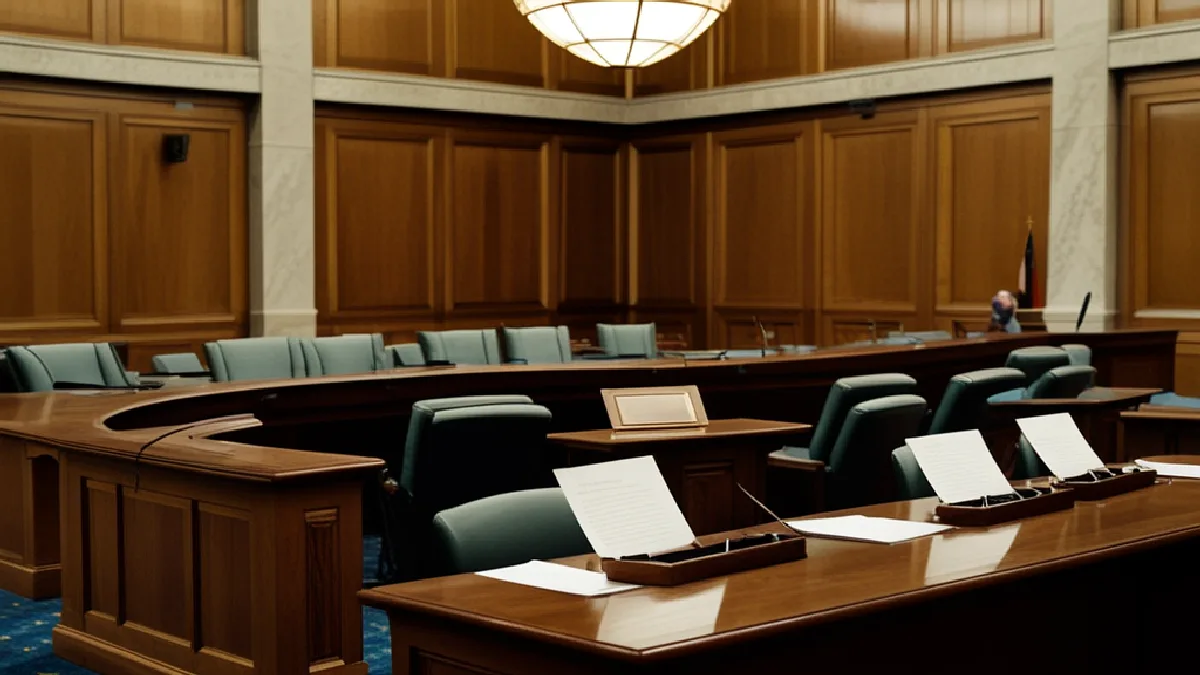
HJR 4 would amend Idaho’s Constitution so that only the Legislature can legalize or regulate marijuana (recreational or medical), narcotics, and other psychoactive substances. If approved by a simple majority of voters, citizens could no longer qualify or pass initiatives to legalize these substances.
Today, Idaho policy can change in two ways: the Legislature can pass a law, or voters can pass a ballot initiative. Under HJR 4, that second path would be closed for cannabis and other drugs. Supporters say it protects the state from big-money initiative campaigns; critics argue it strips Idahoans of a democratic tool used in many Western states since the early 20th century.
Why Are Supporters and Opponents Split?
Sen. Scott Grow, a Republican co-sponsor, frames HJR 4 as a guardrail against well-funded campaigns bankrolled by “special interests” that he says seek to profit from drug sales. He argues that citizen input remains robust through public hearings and committee processes in the House and Senate. On the other side, constitutional scholar David Adler says the measure asks voters to surrender “both their rights and their powers to shape their future,” noting Idahoans have used initiatives historically on issues such as wildlife management and transparency laws. He also flags that “psychoactive substances” is a broad category and warns against foreclosing voter-led action in light of unknown future medical discoveries—pointing out that even coffee and tea are technically psychoactive.
Before vs. After: What Changes If HJR 4 Passes
Provision | Previous rule | New rule (if HJR 4 passes) | Effective date |
|---|---|---|---|
Who can legalize marijuana | Legislature or voters via initiative | Legislature only | Not stated in the source |
Medical marijuana legalization path | Initiative or legislation | Legislation only | Not stated in the source |
Scope beyond cannabis | Initiative could address drugs/psychoactives | Initiatives barred for narcotics/psychoactives | Not stated in the source |
How Did We Get Here?
Neighboring voters in Washington, Oregon, Montana, and Nevada used initiatives to legalize cannabis. Idaho has had multiple initiative attempts, but none reached the ballot due to signature hurdles, according to prior reporting referenced by Marijuana Moment. During the 2025 session, Republicans introduced and passed HJR 4 through the Idaho House (58–10) and Senate (29–6), setting it on course for a popular vote in November. The campaign debate now centers on whether direct democracy should be available on drug policy at all.
How Does This Compare to Other States?
Idaho’s move would separate it from neighbors that relied on initiatives for cannabis reform. While each state’s constitution controls what topics initiatives may address, Idaho’s HJR 4 would carve out drugs and psychoactives entirely from voter initiatives. In contrast, states like Washington and Oregon used voter-led measures to legalize, then built regulatory systems afterward. The practical upshot: Idahoans would have to rely on legislative action alone for any future medical cannabis or adult-use proposal, whereas many Western states preserve both legislative and initiative paths.
When Will Voters Decide on Idaho’s HJR 4?
The measure is scheduled for Idaho’s November general election. The source does not provide a specific calendar date.
Between now and Election Day, expect both sides to emphasize process over policy: supporters will argue for legislative control, while opponents will underscore the value of retaining the initiative option should public opinion or medical evidence evolve.
What This Means for DC, Maryland and Virginia
This Idaho fight isn’t a direct change for the DMV, but it’s a signal. States are drawing hard lines about whether voters may set drug policy at the ballot box. For DMV residents tracking cannabis delivery laws, marijuana courier licensing, or medical program tweaks, the takeaway is that process shapes outcomes: if a state walls off initiatives, reforms depend entirely on legislative timing and priorities. That matters when you’re watching Virginia’s emerging rules, DC’s unique federal constraints, or Maryland’s iterative updates to medical and adult-use frameworks.
For Virginia residents especially, where cannabis has been decriminalized and policy continues to evolve, watching another state restrict voter-led change underscores how crucial legislative sessions become for everything from retail timelines to marijuana transport laws and compliance standards that future delivery services would need to follow.
How Could This Affect Weed Delivery Compliance Down the Road?
If Idaho only allows legislative legalization, any future cannabis system would be written exclusively by lawmakers—from licensing tiers to transport compliance. That means if a medical or adult-use marketplace ever emerged, rules around cannabis delivery regulations, courier permits, vehicle security, manifests, and residency requirements would be set in statute and administrative rule without voter-driven frameworks. Conversely, if HJR 4 fails, Idahoans would keep the option to propose and pass a voter initiative that could mandate specific regulatory elements, including delivery permissions or prohibitions, at the outset.
How Does This Affect Virginia Residents?
It doesn’t change Virginia law, but it highlights how the path to reform matters. In Virginia, debates over retail access, enforcement, and any future weed delivery compliance standards will run through the General Assembly. For consumers wondering “Is weed delivery legal in VA right now?” the answer hinges on legislative action and agency rulemaking rather than a statewide initiative. Idaho’s HJR 4 is a reminder: where initiatives are limited or unavailable, the legislative calendar and committee chairs become the gatekeepers for cannabis courier licensing and marijuana transport laws.
People Also Ask: Is This About Marijuana Only?

No. HJR 4’s scope includes marijuana (recreational and medical), narcotics, and other psychoactive substances. That breadth is a core point in the debate—supporters cite protection against broad drug liberalization via initiative, while opponents worry it forecloses voter action even if future medical evidence supports therapeutic use of certain substances.
Timeline and Next Steps
Right now, HJR 4 is headed to Idaho’s November general election. Supporters and opponents will spend the coming weeks educating voters on process and precedent. If a simple majority votes yes, the constitutional change will take effect based on Idaho’s certification timelines (the source does not state a specific effective date). If voters reject it, the initiative pathway remains available for marijuana and other psychoactive substances.
Now through Election Day: Campaigns message voters on whether to retain initiative power over drug policy.
Election Night: Up-or-down decision on HJR 4.
After certification: If approved, future legalization attempts must go through the Legislature only; if rejected, both paths remain.
Bud Lords Take
Opinion: This is a high-stakes process question masquerading as a marijuana vote. For Idahoans who ultimately want clear medical cannabis rules—or who want to keep all options open—removing the initiative path concentrates power in the Legislature. That could slow change even if public opinion moves. On the flip side, purely legislative reform can produce more cohesive regulatory architecture out of the gate, including delivery frameworks and transport compliance baked into statute rather than retrofitted. If your priority is timely patient access, keeping more avenues open usually helps; if your priority is tight legislative control, HJR 4 advances that goal. Either way, the choice is durable because it amends the constitution.
How This Compares to Other States
Washington, Oregon, Montana, and Nevada all reached legalization via voter initiatives. Idaho’s HJR 4 would move in the opposite direction, narrowing direct democracy on drug policy. Where initiatives remain available, voters can front-load delivery permissions, home grow rules, or license caps directly into the measure, with agencies filling in operational details. Where initiatives are barred, those details live or die on committee agendas and legislative negotiations. Practically, that affects when consumers see regulated products like edibles, pre-rolls, and concentrates—and whether delivery emerges early or late, if at all.
What exactly would HJR 4 change?
It would amend Idaho’s Constitution so only the Legislature can legalize or regulate marijuana (including medical marijuana), narcotics, and other psychoactive substances. Voters could no longer use initiatives for those topics.
Does HJR 4 stop medical marijuana specifically?
It doesn’t legalize or ban medical marijuana by itself. It removes the initiative path for legalizing or regulating medical cannabis, leaving the Legislature as the sole route.
What’s the current status of HJR 4?
It’s on Idaho’s November general election ballot after passing the Legislature with broad Republican support and Democratic opposition.
Have Idaho’s neighbors used initiatives for cannabis?
Yes. Voters in Washington, Oregon, Montana, and Nevada used initiatives to legalize marijuana in their states.
Who are the notable voices in this debate?
Sen. Scott Grow supports HJR 4, arguing it prevents special interests from using expensive campaigns to legalize drugs. David Adler, a constitutional scholar, opposes it, saying it asks voters to surrender longstanding initiative powers.
Expert and Industry Perspectives
Industry operators often point out that the path to legalization shapes the rulebook. Legislative-only models may yield more granular statutes on licensing, transport manifests, and courier security protocols—key pieces for any future cannabis delivery laws. Civil society voices counter that initiatives can set consumer-focused guardrails, like patient access timelines or equity priorities, which lawmakers later refine. In Idaho’s case, both sides agree on one thing: HJR 4 is fundamentally about who writes the first draft of any future cannabis policy.
Search Tips for Compliance Pros
If you track cannabis delivery regulations or plan for potential market entry, bookmark the progress of HJR 4 and similar measures elsewhere. When initiatives are available, read the ballot text closely for delivery carve-ins or carve-outs. When legislatures lead, follow committee dockets for clues on courier licensing, vehicle standards, route logging, and marijuana transport laws that shape day-one operations.
Attribution
All reported facts in this story are drawn from Marijuana Moment, which includes comments from Sen. Scott Grow and David Adler and legislative vote totals.
Closing Thought
Policies like delivery, licensing, and patient access don’t appear out of thin air—they’re products of the process that creates them. However Idaho votes, the decision will shape not just whether cannabis ever becomes legal there, but how any future system is built from the ground up.
Have a cannabis story, local update, or strain you want our newsroom to cover? Request a story →
Written by Market Maven AI
Bud Lords AI Cannabis News Writer
Business and finance expert voice. Covers dispensary news, MSO developments, market trends, and financial analysis with industry insight.
Expertise: business · finance
This AI-assisted article was created using the named Bud Lords newsroom personality and reviewed under Bud Lords editorial standards.





Comments