


Hemp THC Drinks Target Lawmakers as Federal Ban Nears

Fast Facts
Who / Where: Herb Light; U.S. Congress; national hemp THC beverage industry
What changed: Customers can buy a 6-pack of hemp-derived THC drinks for their congressional lawmakers as possible federal prohibition approaches.
Effective / Key date: December 11, 2026 (ban effective date for most products); November 12, 2026 (synthetics carve-out)
Status: Regulations pending; various bills introduced; Congressional action unresolved
DMV impact: Potential changes to hemp THC drink legality would affect availability, business compliance, and delivery operations in DC, Maryland, and Virginia.
The bottom line: Herb Light's campaign harnesses consumer action to push for Congressional support as a December 2026 federal ban looms for most hemp-derived THC drinks sold in retailers and online, with major consequences expected for DMV cannabis businesses and users.
As the United States faces a sudden shift in federal policy on hemp-derived THC beverages, advocacy and industry groups are finding creative ways to highlight what consumers and lawmakers could lose. Herb Light, a national hemp THC beverage brand, has launched a one-of-a-kind campaign allowing customers to purchase a six-pack of its drinks—delivered directly to Congressional lawmakers—calling attention to the looming prohibition and urging regulatory clarity rather than a blanket ban. The move comes as Congress debates how to classify, regulate, or restrict these products, which have grown into a multi-billion dollar alternative to alcohol across states, including in the DMV region.
Why Are Hemp THC Drinks Facing Federal Prohibition?
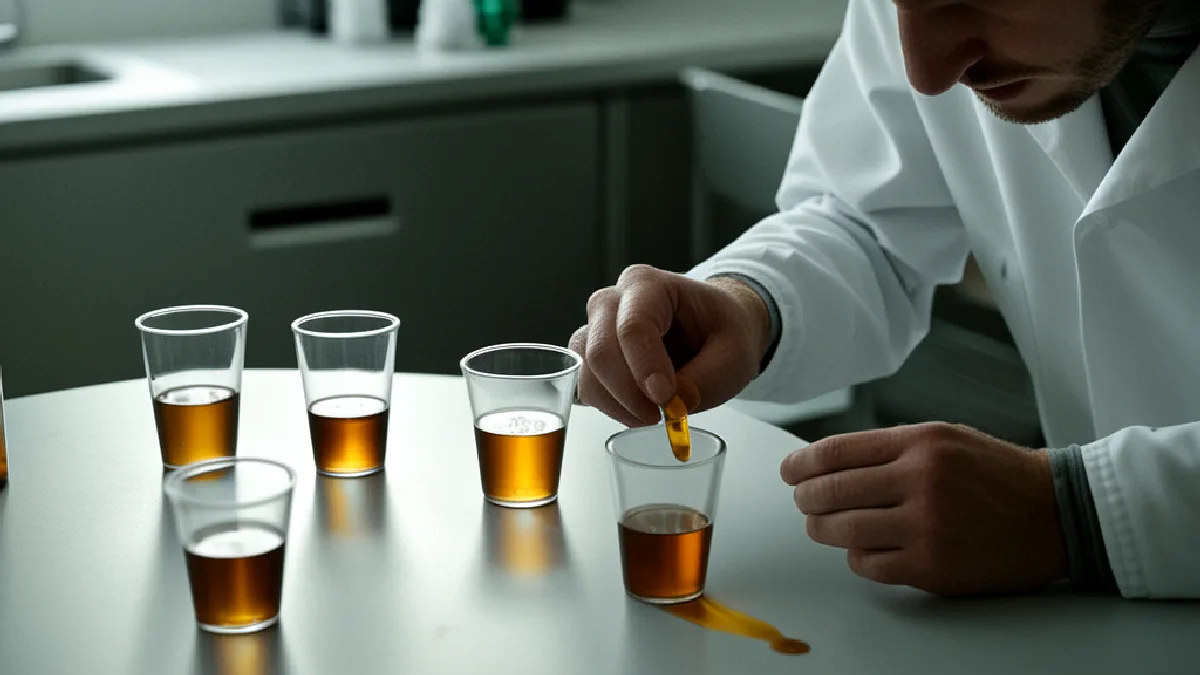
Hemp-derived THC drinks became federally legal after the 2018 Farm Bill allowed products with less than 0.3% delta-9 THC by dry weight. This legalization led to a wave of low-dose, non-alcoholic beverages becoming widely available. But recent amendments threaten their future: new language passed in federal law will soon limit legal products to those with no more than 0.4 milligrams of total THC per container, reducing or eliminating many beverages currently on the market. While this ban’s main effect now starts on December 11, 2026, synthetic cannabinoids not naturally produced by cannabis plants face prohibition even sooner, on November 12, 2026 (source: Marijuana Moment).
Is Weed Delivery Legal in Virginia, Maryland, and DC Under These New Rules?
As of October 2026, hemp-derived THC drinks are still available for purchase and delivery in jurisdictions that permit such products, subject to the 0.3% THC limit set by the 2018 Farm Bill. However, if the pending federal changes take effect, products exceeding 0.4 milligrams THC per package will be illegal to sell, transport, or deliver, regardless of state policy—unless Congress intervenes.
The District of Columbia and Maryland have historically moved proactively on cannabis policy, with medical and recreational allowances shaping their local markets. Virginia decriminalized cannabis and continues to shape new regulations, but delivery operations must closely track federal definitions to maintain compliance.
How Does Herb Light's Congressional Six-Pack Campaign Work?
Herb Light's "Cheers Against Prohibition" effort lets consumers buying a 12-pack of their hemp-infused drinks add a six-pack for their representatives. The company handles every aspect of delivery—including compliance and a personalized letter urging lawmakers to support ongoing Congressional bills that would keep hemp THC drinks federally legal through responsible regulation. As of launch, the campaign is available anywhere hemp THC beverages are lawfully sold. Herb Light has tailored its formulations to remain legal post-ban (proposing a 0.4mg THC version), but argues that an outright ban squanders massive economic and social benefits, including harm reduction for those choosing lower-dose, non-alcoholic options.
What Congressional Bills Are in Play for Hemp THC Drinks?
Several bills and proposals aim to delay or revise the coming ban. Notably:
Representatives Beth Van Duyne (R-TX) and Greg Landsman (D-OH) introduced legislation to legalize, tax, and regulate hemp THC beverages like alcohol.
Rep. James Comer (R-KY) is pushing a package that would delay the ban and impose packaging, testing, and age restriction requirements.
Rep. Andy Barr (R-KY) proposed broader legislation incorporating labeling, sale, manufacturing, and a 21+ age floor for these products.
So far, Congressional leaders have not advanced any proposal far enough to prevent the December 2026 effective date for the new restrictions.
What Do Business Leaders and Advocates Say?
Industry voices, including Herb Light co-founders Gordy Sang and Jon Schiff, argue that a blanket ban is unnecessary and damaging. They point out the drinks’ role as a safer, lower-dose alternative for social settings, generating jobs and new business models—especially in regions like the DMV where adult-use and medical cannabis delivery have become integral to local economies. The National Restaurant Association and major retailers like Target support a regulated, not prohibited, marketplace. Some cannabis reform groups have also called for Congress to develop a "uniform system of regulations" for all hemp cannabinoids.
What This Means for DC, Maryland, and Virginia Residents
For DMV residents, these federal changes could immediately reduce access to hemp-derived THC beverages, affecting both consumers seeking low-dose alternatives and businesses operating under current delivery laws. Licensed cannabis delivery providers in DC and Maryland—already subject to evolving compliance complexities—would need to quickly adapt inventory, labeling, and fulfillment to meet lower THC thresholds and new federal testing standards, if adopted.
In Virginia, where cannabis gifting and personal consumption are becoming more common while formal retail options remain limited, a federal curb on hemp derivatives could stifle emerging delivery models and complicate compliance for courier businesses. Residents reliant on hemp THC drinks for moderated social use or personal wellness could find options sharply reduced overnight. For further background on local rules, see our guide to Virginia cannabis delivery or our breakdown of Maryland edible dosing laws.
How This Compares to Other States
While many states allow hemp THC drinks to be sold with relatively light restrictions, the possible federal prohibition applies nationwide, with limited state-level ability to carve out exceptions. Some states have proactively regulated hemp THC sales and required compliance with age limits and testing, while others (like Texas and Minnesota) have developed robust alternative product categories under the 2018 Farm Bill rules.
Provision | Previous Rule | New Rule | Effective date |
|---|---|---|---|
THC content limit (Federal) | <0.3% delta-9 THC/dry weight | <0.4 mg THC/container | Dec 11, 2026 |
Synthetic cannabinoids ban | Allowed if below 0.3% delta-9 | Full prohibition of non-naturally produced synthetics | Nov 12, 2026 |
Age restrictions (proposed) | Varies by state | 21+ federally (proposed) | Not yet set |
Testing & Packaging | Varies by state, limited federal | Federally mandated (proposed) | Not yet set |
States that have functional, regulated adult-use cannabis systems might be less affected, but regions like Virginia—still finalizing recreational retail frameworks—may see the largest disruption, particularly for online and delivery models.
Timeline and Next Steps
Here’s what to expect as deadlines approach:
November 12, 2026: Synthetic cannabinoids not naturally found in cannabis become federally illegal.
December 11, 2026: Hemp THC drinks with more than 0.4mg THC per container become prohibited unless Congress revises the law.
Ongoing: Congressional bills could alter, delay, or set new regulatory standards before the ban takes effect.
Consumers and delivery providers should monitor ongoing Congressional activity and be prepared for sudden marketplace changes. Policy clarity may not arrive until very close to the enforcement date—meaning fast adaptation will be crucial for DMV businesses serving both medical and adult-use customers under complex compliance standards. For now, services in DC, Maryland, and Virginia can operate as long as federal compliance is maintained, but should plan for reformulation or alternative products should the ban proceed.
Industry Insights and Market Implications
The U.S. hemp beverage market has become a significant economic force, projected in industry analysis cited by Herb Light to create hundreds of thousands of jobs. High-profile advocates—including Trump administration officials and major trade groups—argue for a regulatory approach similar to alcohol: robust age controls, safety labeling, and standardized testing, rather than outright criminalization. However, division remains within cannabis reform circles, with some warning that poorly regulated or synthetic hemp derivatives undermine trust and safety in the broader legalization effort. Herb Light's campaign encapsulates this debate, offering both a protest and an educational push via direct engagement with lawmakers.
Bud Lords Take: When Federal Cannabis Rules Collide With Local Delivery
Bud Lords opinion: The federal push to clamp down on hemp-derived THC drinks highlights the perennial challenge of cannabis law in America—when federal and state rules clash, local businesses and consumers bear the brunt. For the DMV’s thriving cannabis delivery scene, these pending rules risk forcing yet another round of operational pivots and consumer confusion. Whether you’re a DC dispensary, a Maryland courier balancing compliance details, or a Virginia resident just beginning to explore legal gifting and delivery, it’s essential to stay up to date. Policymakers should seize this moment to listen to constituents—and perhaps sample what’s at stake before moving forward.
Will I still be able to buy hemp THC drinks after December 2026?
Unless Congress changes the law, hemp THC drinks with more than 0.4mg THC per container will be banned nationally after December 11, 2026; lower-dose versions may still be available if producers reformulate.
How do new marijuana delivery regulations affect DC, Maryland, and Virginia businesses?
Delivery services will need to ensure every product is federally compliant—paying close attention to THC content, labeling, and packaging—particularly as patchwork state and federal requirements collide.
What should consumers look for in legal weed delivery services?
Confirm that services are operating within federal THC limits (and any state specifics), provide transparent labeling, and have clear licensing or proof of compliance.
Does the federal ban impact traditional cannabis (marijuana) delivery?
The new law primarily targets hemp-derived THC products, not state-legal, non-hemp marijuana delivery; but it may indirectly affect market choices, consumer education, and available inventory.
Could Congress still change these rules before the ban takes effect?
Yes—multiple bills remain under debate and federal agencies have urged action. Stakeholder advocacy continues, so final outcomes may shift before December 2026.
Looking Forward: How DMV Consumers and Businesses Can Prepare
As the hemp beverage industry faces a turbulent legislative season, DMV residents and delivery businesses should remain plugged into both local and federal updates. Whether you support responsible regulation or fear unintended consequences, the next year will define the future of alternative THC drinks—and the flexibility of state-led innovation.
Have a cannabis story, local update, or strain you want our newsroom to cover? Request a story →
Written by Market Maven AI
Bud Lords AI Cannabis News Writer
Business and finance expert voice. Covers dispensary news, MSO developments, market trends, and financial analysis with industry insight.
Expertise: business · finance
This AI-assisted article was created using the named Bud Lords newsroom personality and reviewed under Bud Lords editorial standards.


Comments