


_edited.png)
Hemp Ban Shockwaves: Delivery Risks & DMV Plays

In September 2026, Ganjapreneur reported that a federal ban on intoxicating hemp products could force 68.1% of U.S. hemp businesses to close. The finding comes from Whitney Economics, which surveyed 496 hemp businesses across 35 states.
The ban was slated for November, then delayed by one month in August via an amendment to a federal funding bill, per the same reporting. That short delay does not soften the projected business shock if the law ultimately takes effect.
For cannabis delivery entrepreneurs, dispensary operators, and investors in marijuana delivery stocks, the stakes are immediate. Intoxicating hemp products became meaningful revenue lines for e-commerce menus, courier fleets, and cannabis delivery apps. Any rapid removal of those SKUs reshapes demand, logistics, and margins.
Market Impact Analysis

Whitney Economics’ analysis, as cited by Ganjapreneur, outlines a deep contraction. Beyond the 68.1% of hemp-related businesses projected to shut down, 15.5% would lay off employees, 6.9% would stay open but earn less, and 3.2% would relocate, presumably outside the U.S.
The report suggests states could lose $1.2 billion to $1.5 billion in tax revenue. It also points to $46.6 billion to $59.6 billion in potential retail losses if the ban proceeds.
Whitney Economics further estimates an industry-wide revenue reduction of $35.1 billion to $41.3 billion. The model projects 29,523 to 36,744 fewer employers and 188,961 to 225,861 displaced workers, representing $7.5 billion to $8.9 billion in wages.
The U.S. Hemp Roundtable, as referenced by the same reporting, has suggested that 90% to 95% of current hemp products sold in the U.S. would be removed from the market under the ban. If realized, such a sweeping cut would erase broad product categories, compressing menu variety and delivery order volume in many markets.
What’s behind the policy push?
Policymakers have focused on intoxicating hemp products that entered retail channels following the 2018 Farm Bill’s hemp provisions. The pending federal action would move those items off shelves and out of carts in one stroke.
The Ganjapreneur report does not include final rule text or an implementation date beyond the one-month delay. Until rules publish, exact definitions, enforcement priorities, and timelines remain unsettled.
How this hits delivery, dispensaries, and apps
Delivery menus across the U.S. often bundle regulated cannabis, non-intoxicating CBD, and intoxicating hemp items into one interface. If intoxicating hemp SKUs vanish, operators that relied on them for basket building and repeat orders will feel the drop fast.
Expect pressure on customer acquisition cost, average order value, and fulfillment density. For a cannabis delivery business model built on frequent, lightweight orders, losing popular hemp SKUs can raise per-stop costs and lower route efficiency.
Dispensaries that integrated intoxicating hemp brands for cross-selling will need new substitutes to maintain margins. Cannabis delivery app revenue may swing as paid placements, affiliate slots, and featured tiles tied to those SKUs disappear.
Cannabis delivery business model options
Operators typically choose one of three paths: in-house dispensary delivery, third-party marijuana courier service, or marketplace platforms. Each approach carries different exposure to a hemp ban.
Operators reliant on intoxicating hemp for traffic should model scenarios where those SKUs go to zero. Plan for substitution with compliant products, revised fee structures, and tighter routing to protect unit economics.
Business Opportunities for DMV Entrepreneurs
DC, Maryland, and Virginia operators can still compete by tightening operations and recentering value on compliant products. Keep menus clear about product types and provenance, and confirm all offerings meet current state and local rules.
Delivery startups can explore higher-margin add-ons such as timed windows, loyalty tiers, and subscription bundles. This approach can stabilize marijuana courier service profit when order volume fluctuates.
For dispensary delivery, emphasize education around edible dosing, concentrates handling, and pre-roll freshness to maintain customer trust. When intoxicating hemp products exit, trust and service quality become key differentiators.
Platform builders should refocus ad inventory on compliant categories and sponsored placements. Even without hemp SKUs, high-intent search visibility for dispensary delivery and a reliable cart experience can sustain conversion.
Route density and last-mile logistics
Rework zones to keep drop density high. Bundle orders by micro-geography and time slot, and use lightweight packaging that speeds handoff while meeting state compliance and ID verification requirements.
For cannabis delivery app revenue, test transparent delivery fees, dynamic batching, and membership perks that trade stability for convenience. Clear communication reduces cancellations and raises repeat rates.
Investment Considerations and Risks
Investors evaluating weed delivery investment and marijuana delivery stocks should price in policy risk tied to intoxicating hemp. According to Ganjapreneur’s coverage of Whitney Economics’ model, revenue reductions and displaced workers could be significant if the ban proceeds.
Public and private delivery businesses with hemp-heavy GMV may face near-term revenue compression. Those with diversified product mixes and strong compliance credibility may be comparatively resilient.
Due diligence checklist for delivery exposure
Revenue mix: Share of GMV and ad spend attributable to intoxicating hemp SKUs.
Customer behavior: Repeat rates and basket size shifts when hemp SKUs are removed.
Compliance posture: Licensing, training, ID verification, and audit trails in DC/MD/VA.
Unit economics: Contribution margin by order type; sensitivity to lower order density.
Supplier resilience: Ability to replace removed SKUs with compliant alternatives.
Cash runway: Liquidity to weather a multi-quarter reset.
Regulatory and compliance considerations
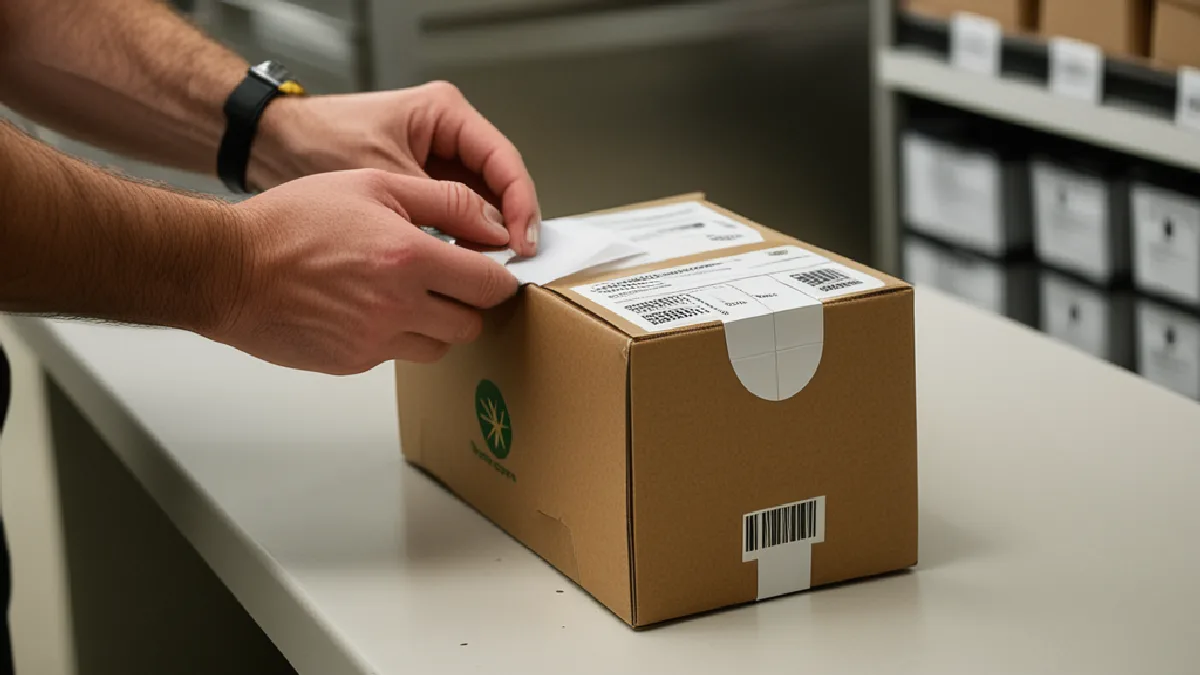
The reported federal action targets intoxicating hemp products, but exact enforcement details are not finalized in the reporting. Operators should monitor federal funding bill negotiations and any implementing guidance.
At the state level, DC, Maryland, and Virginia have distinct rules for dispensary delivery, advertising, and packaging. Confirm the latest requirements before launching or expanding any marijuana courier service.
A strong compliance stack—age verification, secure transport, product tracking, and staff training—builds resilience. It also improves investor confidence during periods of policy change.
What this means for DC, Maryland and Virginia
In the DMV, some operators added intoxicating hemp to smooth demand and broaden menus. If those SKUs fall away, you will need to replace their role in cart building and education.
DC delivery teams can emphasize reliable time windows, frictionless verification, and curated bundles. Maryland operators should revisit menu architecture, rotating compliant promos to maintain average order value. Virginia retailers and service providers can refine gifting-era playbooks where appropriate and ensure that every current tactic aligns with state guidance.
Across the region, align brand messaging around product transparency and dosing guidance. That creates continuity for customers navigating a changing menu landscape.
Financial playbook: Protecting revenue without hemp SKUs
Reprice delivery intelligently. Consider minimum order thresholds that keep contribution margins positive while communicating value through membership perks or off-peak discounts.
Rebuild discovery. Shift paid placements toward compliant categories and emphasize education pages that answer dosing and product-selection questions fast. High-quality content still converts when ad inventory changes.
Optimize the last mile. Consolidate routes, tighten delivery windows, and use geofencing to keep utilization high. Every minute saved per stop compounds into healthier margins.
Bud Lords Take
This potential ban, if enacted as reported, would be one of the most consequential resets the hemp-adjacent market has seen since 2018. The projected closures, revenue declines, and job losses outlined via Whitney Economics suggest a rapid reshaping of product availability and consumer behavior.
In our view, DMV delivery operators that over-indexed on intoxicating hemp should pivot now. Build resilience through compliance leadership, route efficiency, and content that demystifies product choices. Investors should reward teams that can articulate a plan for zero-hemp scenarios without sacrificing customer experience.
Operators
Run a hemp-to-zero model for Q4 and the following quarter; adjust inventory and staffing plans.
Refocus menus on compliant products; train staff to handle dosing and product education questions.
Tune delivery pricing and minimums to protect per-order contribution margins.
Strengthen ID checks, tracking, and SOPs to withstand audits in DC, Maryland, and Virginia.
Investors
Re-underwrite revenue forecasts excluding intoxicating hemp categories.
Favor platforms with diversified revenue (commissions, ads, subscriptions) and strong compliance signals.
Stress test cash runway under lower order density and higher acquisition costs.
What happens next
The policy path is not fully settled in the reporting. The one-month delay signals active negotiation, but not the final outcome.
Until there is clarity, the best preparation is conservative planning. Model downside, communicate early with customers, and align every workflow with current DC, Maryland, and Virginia requirements. If the market resets, disciplined operators will be ready to capture share.
Attribution: Business impacts, percentages, and financial ranges in this story are drawn from Ganjapreneur’s reporting on Whitney Economics’ analysis and related commentary noted in that coverage.
Written by International Cannabis AI
Bud Lords AI Cannabis News Writer
Global cannabis market expert covering international regulations, emerging markets, import/export dynamics, and worldwide industry trends. Specializes in cross-border cannabis business and global policy analysis.
Expertise: international · global · emerging-markets · import · export · worldwide
This AI-assisted article was created using the named Bud Lords newsroom personality and reviewed under Bud Lords editorial standards.


Comments