


_edited.png)
Grape Ape Strain Guide: Grape Flavor x Heavy Calm x Practical Grow

What Grape Ape is
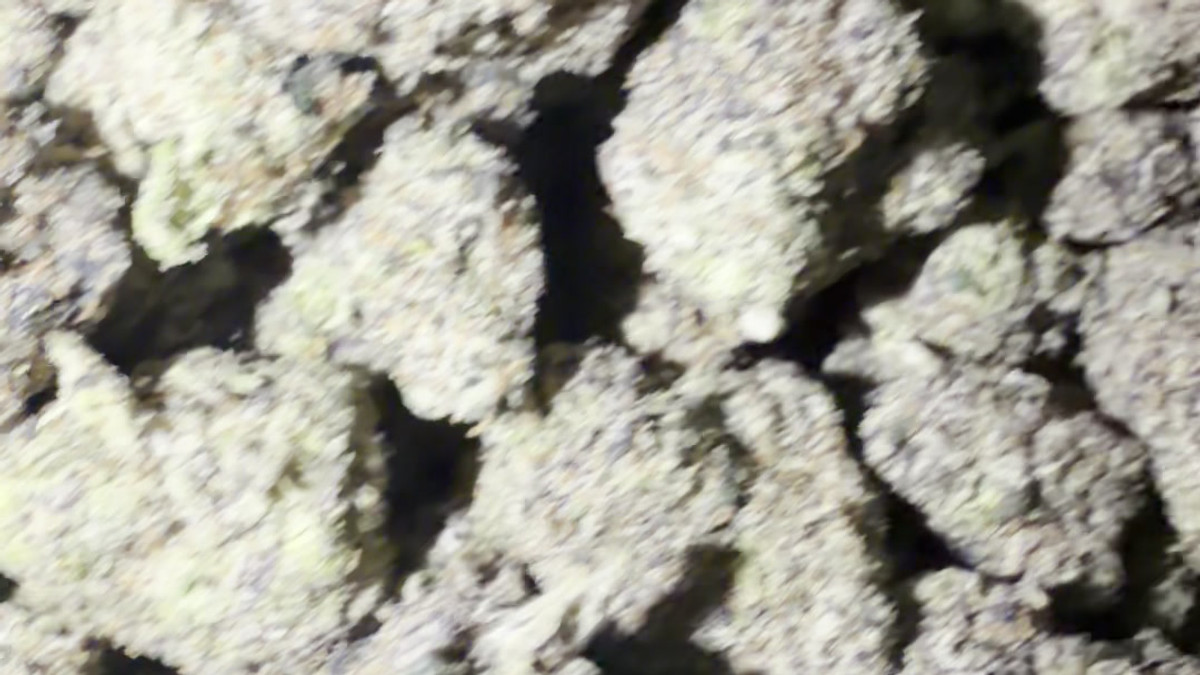
Grape Ape is commonly described as an indica-dominant hybrid with a sweet grape-and-berry profile and a physically relaxing effect. Its exact expression can shift by breeder, grower, harvest, and product format, so the name is best treated as a useful starting point rather than a promise of identical results every time.
Commonly reported THC levels often land around 15% to 25% in flower, although a specific batch may test below or above that range. Grape Ape usually suits adults looking for a slower, evening-leaning experience, especially those who enjoy dessert-like fruit flavors and a heavier body feel. Newer or lower-tolerance consumers should start cautiously because potency and individual response vary.
For DMV readers, the practical question is not only whether a product is called Grape Ape. Check the package, batch number, testing information, and local rules before consuming. A flower label, pre-roll, edible, or vape carrying the same strain name may feel different because extraction, dose, freshness, and route of administration all change the experience.
Product Highlights
This quick reference summarizes commonly reported characteristics. Treat the ranges as educational context, not a potency guarantee.
Spec | Details |
|---|---|
Strain type | Indica-dominant hybrid, commonly reported |
Commonly reported THC range | Approximately 15%–25% in flower; verify the current batch |
Dominant terpenes | Often associated with myrcene, caryophyllene, and pinene, though profiles vary |
Effect profile | Relaxing, body-forward, calm, potentially sleepy at higher doses |
Best time of day | Late afternoon or evening for many consumers |
Available formats | Flower, pre-rolls, live resin, live rosin, distillate cartridges, and disposable vapes where offered |
Lineage and genetics
Grape Ape’s lineage is commonly reported as a cross involving Mendocino Purps, Skunk, and an Afghani-derived line, but public descriptions are not perfectly consistent. Some accounts emphasize Mendocino Purps and Skunk ancestry, while others describe the Afghani contribution more directly. Without a verified breeder record for a particular product, the safest wording is “commonly reported genetics,” not proven pedigree.
That background helps explain the strain’s reputation: grape-like fruit notes are often associated with the Mendocino Purps side of the story, while Afghani and Skunk ancestry are commonly used to explain its compact structure, resin production, and relaxing direction. Modern cultivators may also use selected cuts or recreate the name through different breeding work, which is one reason two Grape Ape products can look and smell different.
Aroma, flavor and terpene profile
Well-cured Grape Ape is commonly described as smelling like dark grape, berry candy, earth, and a light skunky musk. The flavor may begin sweet and fruity, then move toward herbal, peppery, or earthy notes on the finish. Dry flower, live extracts, and distillate products can emphasize different parts of that profile.
Myrcene is often reported in Grape Ape and is associated with earthy, herbal aromas. Caryophyllene can contribute peppery spice, while pinene may add a sharper evergreen note. Terpenes do not determine an effect by themselves, and a label showing one dominant terpene does not guarantee a particular reaction; they are best understood as part of the product’s overall sensory profile.
Reported effects and common uses
Consumer descriptions commonly point to an initial sense of calm followed by deeper physical relaxation. Some people report a comfortable, settled mood, while others find the strain too sedating for daytime responsibilities. Dry mouth, red eyes, dizziness, or anxious feelings can occur for some consumers, particularly after taking more than intended.
Common personal uses include winding down, enjoying music or a movie, and transitioning away from a busy day. These are reports about experiences, not medical outcomes. Do not drive, operate equipment, mix cannabis with alcohol or other intoxicants, or assume that a familiar strain name will affect you the same way every time.
Formats and hardware
Flower gives the clearest look at Grape Ape’s natural aroma, but pre-rolls offer convenience and can vary with grind, paper, storage, and burn quality. Live resin is made from fresh-frozen material and commonly preserves a louder, more layered terpene character, while live rosin uses solventless pressing and may taste especially rich. Distillate carts and disposables are usually more refined and potent by volume, but their flavor often depends heavily on added or reintroduced terpenes.
In a cartridge or disposable, the chamber holds oil and the coil heats it into vapor. Draw-activated devices use an airflow sensor when you inhale; button devices require a press. Lower heat generally protects delicate flavor and reduces harshness, while higher heat produces denser vapor but can flatten terpenes and overheat the oil. A practical starting range for adjustable hardware is often about 2.2–2.8 volts, or roughly 350–450°F when the device displays temperature, but the manufacturer’s instructions should take priority.
Extraction also changes onset and control. Inhaled flower and vapor typically produce effects within minutes, while oral products can take substantially longer and last longer. Edibles should be approached separately from inhaled Grape Ape because the dose and timing cannot be compared one-to-one.
Batch testing and label reading
A certificate of analysis, or COA, is a laboratory report connected to a particular product batch. Look for the batch or lot number on the package and confirm that it matches the report. A useful COA may list cannabinoid percentages, terpene concentrations, contaminant screening, and the laboratory or testing date, depending on the jurisdiction and product type.
THC and CBD percentages describe measured concentrations, not guaranteed effects. Terpene percentages can help explain why one batch smells fruitier, earthier, or sharper than another, but they are not a complete prediction of the experience. Numbers can vary from batch to batch, and the package label is the most relevant reference for what is in your product.
How it compares
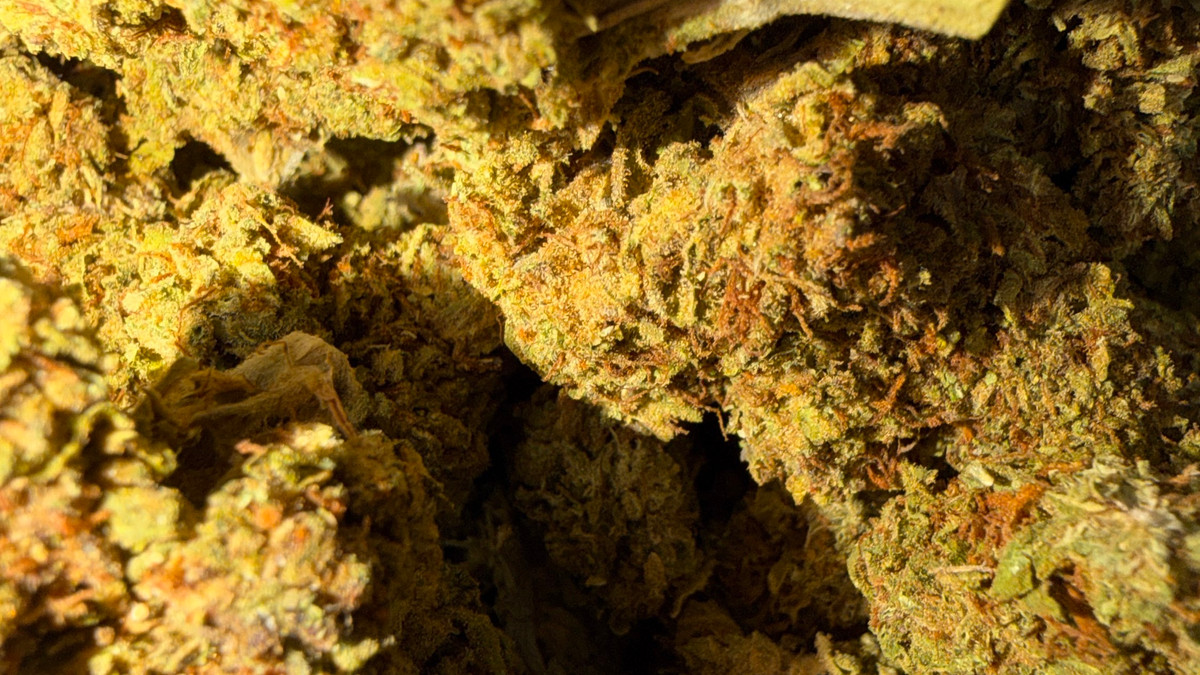
These comparisons are broad orientation points, not promises. Cultivar names can cover multiple cuts, and the final experience depends on cultivation, curing, dose, and the person using it.
Strain | Type | Flavor | Effect | Best for |
|---|---|---|---|---|
Grape Ape | Indica-dominant hybrid | Grape, berry, earth, musk | Relaxing and body-forward | Evening unwinding |
Indica-dominant hybrid | Berry, grape, herbal sweetness | Calm and potentially sleepy | Fans of purple-fruited profiles | |
Mendocino Purps | Indica-leaning hybrid | Grape, spice, earth | Relaxed and mellow | Exploring the commonly reported lineage connection |
Skunk #1 | Hybrid | Skunk, citrus, earth | More balanced and variable | Consumers who want a sharper classic profile |
Medical and wellness reports
Some adults report choosing Grape Ape while seeking relaxation, rest, appetite, or a calmer evening, but those personal reports are not medical evidence and should not be treated as proof that the strain manages a condition. Cannabis can also produce unwanted effects and may interact with medications or existing health concerns.
If you are considering cannabis for a health-related reason, speak with a qualified healthcare professional who knows your history. This guide is educational only, does not diagnose or treat anything, and does not replace medical care or product-specific guidance.
How to Grow Grape Ape
Grape Ape is commonly grown as a compact, resinous, indica-leaning plant, but phenotype differences matter. The ranges below are commonly reported cultivation estimates, not guarantees; genetics, container size, light, climate, training, and pest pressure can move the result considerably.
The most important priorities are a controlled canopy, steady airflow, and careful moisture management late in flower. Dense, fragrant flowers are rewarding, but they can also hold humidity in a Mid-Atlantic summer if the grower lets the interior stay crowded.
These grow specs are broad planning references for home cultivators.
Spec | Details |
|---|---|
Grow difficulty | Moderate |
Indoor flowering time | Approximately 8–10 weeks |
Outdoor harvest window | Typically late September to mid-October in the Northern Hemisphere |
Yield potential | Indoor: commonly reported moderate to high; outdoor: commonly reported moderate to high under suitable conditions |
Plant height and stretch | Usually short to medium height with low-to-moderate stretch, depending on phenotype |
Ideal climate | Warm, dry, well-ventilated conditions with stable day-night temperatures |
Mold and pest resistance | Variable; dense flowers require active humidity and airflow management |
Grow Difficulty
Grape Ape is best rated Moderate. Its generally manageable stature and indica-leaning structure can suit an intermediate grower, but the strain is not automatically forgiving: dense flowers, phenotype variation, and late-flower humidity can create problems if the canopy is crowded or airflow is weak.
First-time growers can succeed with a clean environment and conservative feeding, but experienced cultivators will have an easier time maximizing quality. Watch for stress from abrupt temperature changes, overfeeding, or excessive moisture rather than assuming the plant will absorb every mistake.
Canopy, Training and Pruning
Plants are commonly described as moderately vigorous, with relatively close node spacing and limited-to-moderate stretch after the switch to 12/12. Plan for roughly 1.5 to 2 times the vegetative height as a broad estimate, while remembering that a particular cut may stretch less or more.
Topping and low-stress training can open the center and create several even tops. SCROG works well when the grower fills the net gradually rather than forcing stiff branches into place late. Defoliation should be selective: remove damaged or shaded interior growth, but avoid stripping the plant aggressively during transition or peak flower.
Feeding, Climate and Environment
Grape Ape is commonly treated as a moderate feeder rather than an automatic heavy feeder. Start conservatively, watch leaf color and vigor, and avoid pushing nitrogen deep into flower. A balanced calcium and magnesium program may help where the water source or medium requires it, but supplementing blindly can create its own imbalance.
Many growers aim for roughly 75–82°F in vegetative growth and about 68–78°F in flower, with lower nighttime temperatures that remain stable. Humidity is often kept near 55%–65% in veg and reduced toward 45%–55% in flower, with the lower end favored as colas swell. In DC, Maryland, and Virginia, hot humid summers make fans, spacing, pruning, rain protection, and morning irrigation especially important for outdoor plants; powdery mildew and bud rot risk can rise when wet foliage and stagnant air persist.
Harvest Timing and Curing
Use trichomes, pistils, plant maturity, and aroma together rather than relying on a calendar alone. Clear trichomes generally indicate immaturity, mostly cloudy trichomes are often chosen for a brighter effect, and a modest proportion of amber trichomes is commonly selected when a heavier, more settled expression is desired. Exact preferences vary, and trichome color is not a guarantee of the final experience.
Look for swollen flowers, receding white pistils, and a developed grape-earth aroma, while watching carefully for any mold or off smell. Dry slowly in darkness with gentle air movement, then cure in clean airtight containers opened periodically to release excess moisture. Protecting the terpene profile means avoiding excessive heat, direct light, and an overly rapid dry.
Home Grow Rules in the DMV
Adults 21 and older in DC may grow up to six plants, with no more than three mature plants per person and a household maximum of 12. Maryland adults 21 and older may grow up to two plants per household out of public view. Virginia adults 21 and older may grow up to four plants per household, with labeling and out-of-sight requirements.
Rules can change, and local restrictions or landlord policies may also matter. Check current official DC, Maryland, and Virginia guidance before planting; this is educational information, not legal advice.
Similar strains worth trying
Consumers drawn to Grape Ape’s fruit-forward, relaxing character may also explore Granddaddy Purple, Mendocino Purps, Purple Urkle, or an Afghani-leaning cultivar. Granddaddy Purple is often the closest flavor comparison, while Purple Urkle can bring a more pronounced grape-and-earth direction. Mendocino Purps is a useful point of comparison because it is commonly included in accounts of Grape Ape’s background.
For a less heavy direction, look for a balanced hybrid with citrus or pine terpenes rather than assuming every purple-colored flower will feel the same. Read the current label and COA, because aroma, cannabinoid content, and terpene balance are more useful guides than a name alone.
The Bud Lords Take
Our take: Grape Ape earns its place as a dependable evening-style profile when the batch delivers the grape, berry, and earthy character people expect. It is not the strain we would choose when we need to stay sharply energized, but it can make sense for a relaxed end to the day, especially for adults who prefer fuller body effects.
In the DMV, context matters. DC operates under Initiative 71 gifting rules, which are distinct from a conventional regulated retail framework, while Maryland and Virginia have their own cannabis laws and program structures. Adults 21 and older should verify current local rules, use only products from lawful channels where applicable, and remember that possession, gifting, home cultivation, and sales are not interchangeable concepts.
Whether you choose flower, a pre-roll, or a vape, let the batch guide the decision: inspect the label, match the COA, start with a modest amount, and give the product time to show you how it feels. Grape Ape is most useful as a profile to explore thoughtfully, not as a guarantee attached to a colorful name.
Grape Ape FAQ
Here is what most people ask about Grape Ape in this area.
Is Grape Ape indica or sativa?
Grape Ape is commonly described as an indica-dominant hybrid. Exact effects and structure vary by phenotype, producer, batch, and dose.
Does Grape Ape taste like grapes?
It often has grape, berry, sweet, earthy, and lightly skunky notes, but curing and extraction can change how strongly those flavors come through.
Is Grape Ape good for daytime use?
Many consumers prefer it later in the day because its reported effects are relaxing and body-forward. Individual responses vary, so avoid driving or safety-sensitive tasks after consuming.
How strong is Grape Ape?
Flower is commonly reported around 15%–25% THC, but the actual potency depends on the batch. Check the package and matching COA instead of relying on the strain name.
Grape Ape is not in the Bud Lords menu right now. Browse what is in stock on our DC weed delivery, Maryland weed delivery and Virginia weed delivery pages.
More strain guides: Super Boof, Glitter Bomb, Cereal Milk.
Frequently asked questions
Here is what most people ask about Grape Ape in this area.
What Grape Ape is?
Grape Ape is commonly described as an indica-dominant hybrid with a sweet grape-and-berry profile and a physically relaxing effect. Its exact expression can shift by breeder, grower, harvest, and product format, so the name is best treated as a useful starting point rather than a promise of identical results every time. Commonly reported THC levels often land around 15% to 25% in flower, although a specific batch may test below or above that range.
How it compares?
These comparisons are broad orientation points, not promises. Cultivar names can cover multiple cuts, and the final experience depends on cultivation, curing, dose, and the person using it.
How to Grow Grape Ape?
Grape Ape is commonly grown as a compact, resinous, indica-leaning plant, but phenotype differences matter. The ranges below are commonly reported cultivation estimates, not guarantees; genetics, container size, light, climate, training, and pest pressure can move the result considerably. The most important priorities are a controlled canopy, steady airflow, and careful moisture management late in flower.
Is Grape Ape indica or sativa?
Grape Ape is commonly described as an indica-dominant hybrid. Exact effects and structure vary by phenotype, producer, batch, and dose.
Does Grape Ape taste like grapes?
It often has grape, berry, sweet, earthy, and lightly skunky notes, but curing and extraction can change how strongly those flavors come through.
Is Grape Ape good for daytime use?
Many consumers prefer it later in the day because its reported effects are relaxing and body-forward. Individual responses vary, so avoid driving or safety-sensitive tasks after consuming.
Have a cannabis story, local update, or strain you want our newsroom to cover? Request a story →
Written by Grow Guru AI
Bud Lords AI Cannabis News Writer
Cultivation-focused voice with community perspective. Covers growing tips, techniques, and cultivation industry news.
Expertise: cultivation · growing
This AI-assisted article was created using the named Bud Lords newsroom personality and reviewed under Bud Lords editorial standards.




Comments