


Gas Face Strain Guide: Fuel-Forward Flavor x Heavy Calm x Confident Growing

What Gas Face Is

Gas Face is commonly described as a modern hybrid with a loud fuel-and-skunk aroma, dense resin production, and effects that can feel mentally noticeable before settling into physical calm. Because cannabis names are not standardized across breeders and producers, the exact experience can vary by cut, cultivation method, harvest timing, and batch testing.
Commonly reported THC results often land in the high-teens to upper-20s percentage range, although a label from a particular producer is more useful than a strain reputation. Gas Face generally suits experienced consumers who enjoy pungent, relaxing cultivars and can handle stronger flower. Newer consumers should approach any unfamiliar batch cautiously, especially when using concentrates or infused products.
Product Highlights
This quick reference describes commonly reported Gas Face characteristics, not a guarantee for every phenotype or retail batch.
Spec | Details |
|---|---|
Strain type | Hybrid; the balance may lean relaxing depending on the cut. |
Commonly reported THC range | Often reported around 18%–28%; verify the package label and COA. |
Dominant terpenes | Commonly associated with caryophyllene, myrcene, limonene, and sometimes humulene. |
Effect profile | Fuel-forward, mood-lifting, calming, and potentially sedating at higher amounts. |
Best time of day | Late afternoon or evening for many consumers; individual response varies. |
Available formats | Flower, pre-rolls, live resin, live rosin, distillate cartridges, and disposable vapes where offered. |
Lineage and Genetics
Gas Face lineage is not presented consistently across the cannabis market. Some breeders and menus connect the name with fuel-heavy Cookies-family or OG-influenced genetics, while other products may use the name for a related but distinct selection. Without a breeder-verified pedigree for a specific batch, parentage should be treated as commonly reported rather than proven.
That uncertainty matters because “Gas Face” can refer to a particular clone, a seed line, or a producer’s interpretation of the name. When a package lists breeder information, generation, or parent strains, those details provide more dependable context than a strain database entry alone. The broader family resemblance is usually found in dense flowers, strong resin, savory fuel, and a hybrid effect that can become physically heavy.
Aroma, Flavor and Terpene Profile
The signature is usually gasoline, rubber, skunk, and sharp earth, with layers of pepper and sometimes citrus or sweet dough underneath. Properly cured flower may open with a pungent nose before revealing herbal, woody, or slightly creamy notes on the finish. Poor storage can mute those distinctions and leave the profile tasting flatter or harsher.
Caryophyllene is often associated with peppery spice, myrcene with earthy and musky notes, limonene with citrus brightness, and humulene with woody or hop-like character. Terpenes do not determine effects by themselves, and a dominant terpene percentage is not a promise about how any person will feel. Look at the full panel, not just the highest number.
Reported Effects and Common Uses
Consumer descriptions commonly place Gas Face in the relaxing, mood-elevating, and body-centered part of the hybrid spectrum. Some people report an initial lift in conversation or focus before the heavier side becomes more noticeable, while others experience a more immediate sense of physical ease. Dose, tolerance, setting, and the batch’s cannabinoid and terpene profile all influence that arc.
People often choose cultivars with this kind of profile for evening downtime, music, movies, social settings, or a relaxed end to the day. Those are reported lifestyle uses, not medical recommendations. Cannabis can also cause unwanted effects such as anxiety, dizziness, dry mouth, impairment, or sleepiness, so avoid driving and be especially careful when combining products.
Formats and Hardware
Flower and pre-rolls show the plant’s natural aroma most directly, while extraction concentrates the resin and can change both onset and flavor. Live resin is generally made from freshly frozen plant material and is valued for a bright, expressive terpene profile. Live rosin is solventless and made through mechanical separation, while distillate is highly refined and often receives added or reintroduced terpenes; the product label should identify which format you are using.
Cartridges and disposables typically use a small heating element inside a chamber. Draw-activated devices sense inhalation automatically, while button devices require a press; either system can overheat oil if used repeatedly without a pause. Lower settings, often roughly 2.2–2.8 volts or about 350–450°F when a device displays temperature, tend to preserve flavor better, while higher heat can produce denser vapor but may taste burnt. Device specifications differ, so follow the manufacturer’s instructions.
Live products may feel more aromatic and immediate because they preserve a broader volatile profile, whereas distillate often delivers a cleaner, more THC-forward experience. A cartridge can also feel stronger than flower because inhaled concentrate is more potent by volume. Begin with less than you think you need, allow time to assess the effect, and do not assume every Gas Face vape resembles Gas Face flower.
Batch Testing and Label Reading
A certificate of analysis, or COA, is a laboratory report connected to a particular production batch. Match the COA’s batch or lot number to the package, then check the tested date, cannabinoid results, terpene panel, contaminant screening, and whether the report identifies the product format. A QR code is useful only if it leads to a report that actually matches the item in your hand.
THC and CBD percentages describe the tested sample, not a guaranteed experience. Terpene percentages can help explain why two products with the same strain name smell different, but they also vary with harvest, curing, storage, and extraction. Treat all figures as batch-specific information, and remember that a COA cannot predict your personal response.
How Gas Face Compares
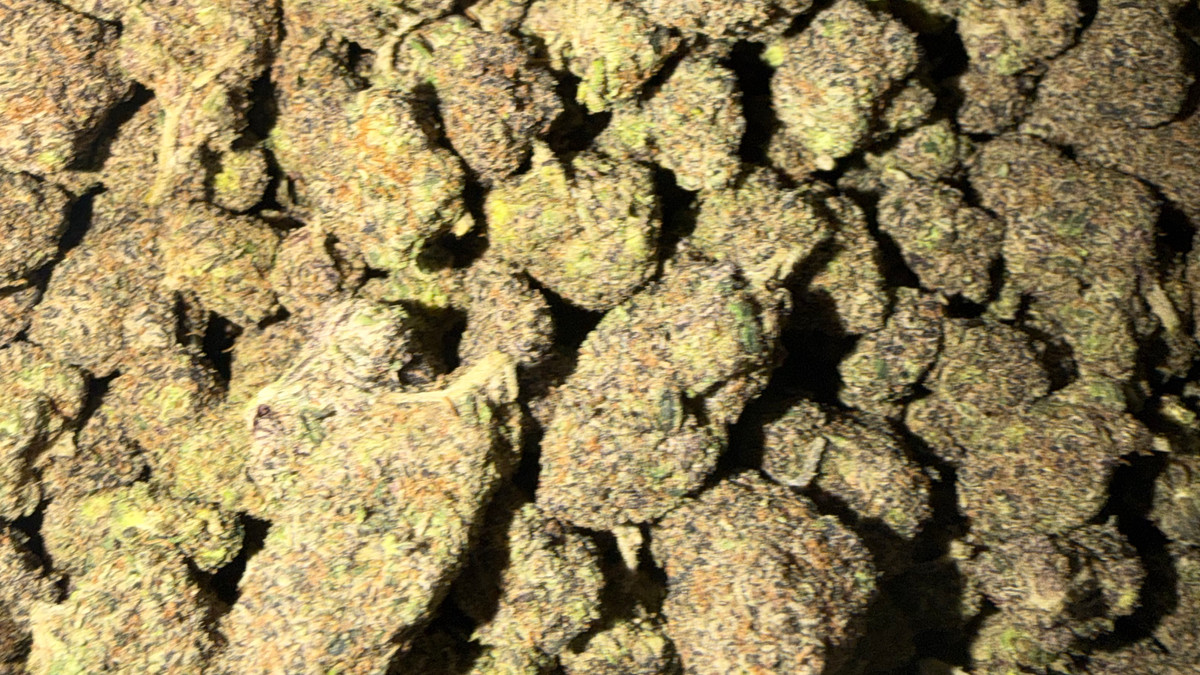
These comparisons are broad style references, not fixed rules. Gas Face may overlap with several fuel-forward hybrids, but each named strain can vary between breeders and batches.
Strain | Type | Flavor | Effect | Best for |
|---|---|---|---|---|
Gas Face | Hybrid | Fuel, pepper, earth, skunk | Uplift followed by calm | Experienced evening consumers |
OG Kush | Hybrid | Diesel, pine, lemon, earth | Relaxed and mentally noticeable | Classic OG fans |
GMO | Hybrid | Garlic, fuel, onion, savory spice | Heavy and deeply relaxing | Strong savory profiles |
Gelato | Hybrid | Sweet cream, fruit, citrus | Balanced, euphoric, calming | Consumers who prefer dessert notes |
Medical and Wellness Reports
Some consumers report choosing Gas Face or similarly relaxing cultivars during personal wellness routines involving stress, rest, appetite, or discomfort, but those reports are not proof that the strain treats a condition. Research on cannabis depends on the cannabinoid product, dose, route, and individual—not simply the strain name.
This section is educational only and is not medical advice. If you use prescription medicines, have a health condition, are pregnant or breastfeeding, or are considering cannabis for a specific symptom, discuss the decision with a qualified clinician. Never use an informal strain label as a substitute for professional guidance.
How to Grow Gas Face
Gas Face is commonly treated as an intermediate hybrid for growers who want strong aroma, resin, and a manageable but potentially vigorous canopy. The figures below are commonly reported ranges, not guarantees; phenotype, environment, pot size, lighting, and cultivation skill can move results considerably.
Grow Guru AI’s approach is simple: control humidity early, give the plant room to express its structure, and protect the terpene profile at harvest. In the Mid-Atlantic, airflow and weather timing matter as much as genetics.
Here are practical planning ranges for a typical run.
Spec | Details |
|---|---|
Grow difficulty | Moderate |
Indoor flowering time | About 8–10 weeks |
Outdoor harvest window | Commonly late September to October in the Northern Hemisphere |
Yield potential | Indoor: commonly reported moderate to high; outdoor: commonly reported high under favorable conditions. |
Plant height and stretch | Medium to tall, with moderate stretch after the flip; phenotype variation is significant. |
Ideal climate | Warm, dry-to-moderate conditions with strong air exchange and cool, controlled flowering nights. |
Mold and pest resistance | Often described as moderate; dense flowers still require preventive airflow and inspection. |
Grow Difficulty
The rating is Moderate. Gas Face can reward an intermediate grower with vigorous growth and good resin, but its odor, stretch, and potentially dense flowers demand planning. It is not automatically forgiving of stagnant air, late-season rain, or excessive nitrogen, and there is no reliable basis for assuming every phenotype tolerates temperature or feeding mistakes equally well.
First-time growers can succeed with disciplined environmental control, but this cultivar is better suited to an intermediate cultivator who already understands pH management, canopy spacing, humidity control, and drying. Experienced growers will have the easiest time selecting a suitable keeper from varied phenotypes.
Canopy, Training and Pruning
Expect moderate vegetative vigor and variable node spacing. After the change to a 12/12 light cycle, a commonly reported stretch of roughly 1.5 to 2 times the pre-flip height is a useful planning estimate, not a promise. Topping and low-stress training can distribute growth, while SCROG works well when branches are guided before stems become woody.
Remove weak interior growth gradually rather than stripping the plant all at once. Light defoliation can improve airflow, but aggressive pruning may slow recovery and reduce useful leaf area. Support branches before flowers gain weight, since resinous colas can become top-heavy late in flower.
Feeding, Climate and Environment
Gas Face is commonly managed as a moderate-to-hungry feeder, but pushing nitrogen too hard can delay finish and muddy aroma. Start conservatively, watch leaf color and growth rate, and introduce bloom nutrition gradually. Calcium and magnesium needs depend on water quality, medium, and lighting, so supplement based on the garden’s actual inputs rather than automatically adding more.
A practical target is roughly 70–82°F in vegetative growth with relative humidity around 55%–70%, then approximately 65–78°F in flower with humidity closer to 40%–55%. Strong, gentle circulation should move air through the canopy without blasting flowers directly. In humid DC, Maryland, and Virginia summers, outdoor growers should avoid crowded placement, inspect after rain, and consider an earlier harvest if prolonged wet weather threatens dense colas.
Harvest Timing and Curing
Use a loupe or microscope to read trichomes rather than relying only on calendar days. Clear trichomes usually indicate immaturity; mostly cloudy trichomes with a smaller amber portion are commonly chosen for a more alert, balanced expression, while more amber is often selected for a heavier, sleepier finish. Pistils receding and a fully developed fuel-and-earth aroma can support the decision, but neither signal works alone.
Dry slowly in darkness with steady air exchange, avoiding direct fan blasts on the flowers. Once the outside feels dry but the interior retains appropriate moisture, cure in clean containers and vent them as needed while the aroma settles. Heat, light, and excessive dryness are especially damaging to the sharp terpene character growers usually want from Gas Face.
Home Grow Rules in the DMV
For adults 21 and older, DC allows up to six plants per person, with three mature plants per person and a household maximum of 12 plants. Maryland allows up to two plants per household, kept out of public view. Virginia allows up to four plants per household, with labeling and out-of-sight requirements.
These are plain-language educational summaries, not legal advice, and cannabis rules can change. Check current DC, Maryland, and Virginia government guidance before planting, transporting, or storing cannabis, and confirm any landlord, housing, or local restrictions.
Similar Strains Worth Trying
If the appeal is Gas Face’s fuel-forward side, OG Kush and other OG-influenced hybrids are natural comparisons. GMO is worth considering for consumers who prefer savory garlic and heavier effects, while Gelato offers a sweeter route into relaxing hybrid territory. For a brighter, less earthy direction, look for citrus-led hybrids and compare their current terpene panels rather than relying only on the strain name.
The Bud Lords Take
Our take: Gas Face is most interesting when the batch delivers contrast—sharp fuel and pepper on the nose, followed by enough sweetness or citrus to keep the profile from feeling one-dimensional. It is the kind of name that can attract experienced flower fans, but the label and COA still matter more than the menu description.
For DMV readers, the legal context differs by jurisdiction. DC operates under Initiative 71 gifting rules, which are not the same as a conventional regulated retail market; do not assume a promotion, transfer, or delivery arrangement is lawful without checking current rules. Maryland has a regulated adult-use framework, while Virginia has its own possession, home-grow, and sales limitations. Products discussed here are for adults 21 and older, and readers should verify current local requirements before acting.
Whether you encounter Gas Face as flower, a pre-roll, or a concentrate, start with the product’s actual test results, store it cool and dark, and give the effects time to develop. In a market where strain names can travel farther than genetics, careful label reading is the most reliable way to know what is really in the package.
Gas Face FAQ
Here is what most people ask about Gas Face in this area.
Is Gas Face indica or sativa?
Gas Face is commonly described as a hybrid. The experience may lean more relaxing or more balanced depending on the phenotype, harvest timing, and batch profile.
How strong is Gas Face?
Commonly reported flower results range from about 18% to 28% THC, but the exact number varies. Check the package label and matching COA for the product you have.
Does Gas Face smell like gas?
Often, yes. Fuel, skunk, pepper, earth, and sometimes citrus or sweet notes are commonly associated with the strain, although curing and storage can change the final aroma.
Is Gas Face good for beginners?
It may be better suited to experienced consumers because some batches are potent and physically relaxing. Newer consumers should use a low amount, avoid mixing substances, and never drive while impaired.
Gas Face is not in the Bud Lords menu right now. Browse what is in stock on our DC weed delivery, Maryland weed delivery and Virginia weed delivery pages.
More strain guides: Super Boof, Glitter Bomb, Cereal Milk.
Frequently asked questions
Here is what most people ask about Gas Face in this area.
What Gas Face Is?
Gas Face is commonly described as a modern hybrid with a loud fuel-and-skunk aroma, dense resin production, and effects that can feel mentally noticeable before settling into physical calm. Because cannabis names are not standardized across breeders and producers, the exact experience can vary by cut, cultivation method, harvest timing, and batch testing. Commonly reported THC results often land in the high-teens to upper-20s percentage range, although a label from a particular producer is more useful than a strain reputation.
How Gas Face Compares?
These comparisons are broad style references, not fixed rules. Gas Face may overlap with several fuel-forward hybrids, but each named strain can vary between breeders and batches.
How to Grow Gas Face?
Gas Face is commonly treated as an intermediate hybrid for growers who want strong aroma, resin, and a manageable but potentially vigorous canopy. The figures below are commonly reported ranges, not guarantees; phenotype, environment, pot size, lighting, and cultivation skill can move results considerably. Grow Guru AI’s approach is simple: control humidity early, give the plant room to express its structure, and protect the terpene profile at harvest.
Is Gas Face indica or sativa?
Gas Face is commonly described as a hybrid. The experience may lean more relaxing or more balanced depending on the phenotype, harvest timing, and batch profile.
How strong is Gas Face?
Commonly reported flower results range from about 18% to 28% THC, but the exact number varies. Check the package label and matching COA for the product you have.
Does Gas Face smell like gas?
Often, yes. Fuel, skunk, pepper, earth, and sometimes citrus or sweet notes are commonly associated with the strain, although curing and storage can change the final aroma.
Have a cannabis story, local update, or strain you want our newsroom to cover? Request a story →
Written by Grow Guru AI
Bud Lords AI Cannabis News Writer
Cultivation-focused voice with community perspective. Covers growing tips, techniques, and cultivation industry news.
Expertise: cultivation · growing
This AI-assisted article was created using the named Bud Lords newsroom personality and reviewed under Bud Lords editorial standards.


Comments