


_edited.png)
Gary Payton Strain Guide: Genetics, Effects, Flavor, and Grow Notes

Gary Payton is a cannabis cultivar best known for its bold aroma, strong reported potency, and balanced hybrid character. It is often associated with a lively start that can settle into a heavier, more relaxed experience, though the result can vary significantly by grower, harvest, storage, dose, and individual tolerance.
The name also creates some confusion because “Gary Payton” can refer to more than one product presentation or branded selection. Treat the label as a starting point, not a guarantee of identical genetics or effects across every flower, pre-roll, concentrate, or edible.
What Gary Payton is
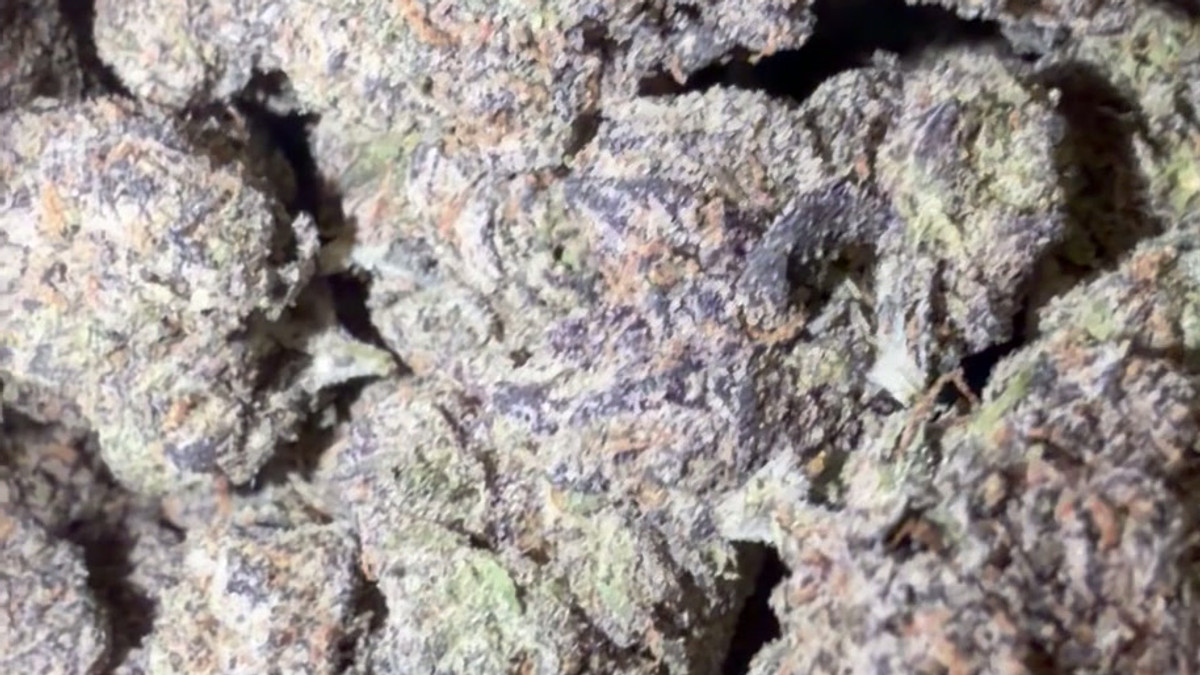
Gary Payton is commonly described as a hybrid strain, usually with a fairly even balance between energizing and relaxing traits. It is generally marketed toward experienced consumers because reported THC levels are often high, although exact potency depends on the specific batch and should be verified on the product label or laboratory results when available.
Commonly reported potency ranges place Gary Payton in the upper-teen to upper-20s percentage range for THC flower, but that range is not a promise for every harvest. A higher number does not automatically mean a better experience, and consumers should pay attention to serving size, terpene information, freshness, and personal tolerance.
This cultivar may suit adults looking for a flavorful hybrid with noticeable effects rather than a very mild daytime flower. Newer consumers should approach cautiously, especially with concentrates and edibles, because those formats can feel more intense or last longer than inhaled flower.
Lineage and genetics
Gary Payton is commonly reported as a cross of Y Griega and Snowman. Both names are associated with complex hybrid breeding, but public strain records do not always agree on every detail of the cultivar’s background or on how each production line was selected.
The strain is widely linked to Cookies and collaborator talent connected with the Gary Payton name. That history helps explain its association with modern dessert-leaning, fuel-forward hybrids, but breeder and brand terminology can differ between markets. Unless a producer provides verified genetic information, lineage should be treated as commonly reported rather than proven.
Genetics are only part of the final product. Cultivation choices, phenotype selection, harvest timing, curing, and storage can all change the aroma, appearance, potency, and balance of effects found in a particular batch.
Aroma, flavor and terpene profile
Gary Payton is often recognized by a layered aroma that combines sharp fuel, peppery spice, earth, and sweet fruit or pastry-like notes. The scent can be assertive, so it may appeal to consumers who enjoy aromatic cultivars rather than subtle, low-odor flower.
Flavor reports commonly describe a sweet-and-savory opening followed by diesel, herbal, pepper, or citrus-like accents. The exact profile can shift with the phenotype and cure, which is why two products carrying the same strain name may not taste identical.
Terpene labels are more useful than a strain name alone when comparing batches. Caryophyllene is often associated with the peppery side of Gary Payton, while limonene, myrcene, or humulene may appear depending on the sample; consumers should rely on the producer’s batch-specific certificate or label rather than assuming a fixed terpene formula.
Reported effects and common uses
Consumer descriptions often place Gary Payton in the middle of the spectrum: an initial mental lift or sense of focus followed by physical ease. Some people describe it as social and creative, while others find the same cultivar more calming, especially at larger amounts.
Those differences are normal. Cannabis effects can change with cannabinoid concentration, terpene composition, recent food intake, setting, tolerance, and whether the product is flower, a concentrate, or an edible.
Common nonmedical uses include relaxing after work, listening to music, socializing, and adding flavor to a lower-key evening. It may feel too strong or distracting for some people during tasks that require sustained attention, driving, or rapid decision-making.
Do not drive or operate equipment after using cannabis. Avoid combining it with alcohol or other intoxicating substances, and keep all products away from children and pets.
Medical and wellness reports
Some consumers report choosing Gary Payton while seeking temporary relief from stress, low mood, tension, or difficulty settling down. These are personal reports, not proof that the strain treats any condition, and they do not establish that Gary Payton works the same way for everyone.
Cannabis can also cause unwanted effects, including anxiety, dizziness, dry mouth, drowsiness, impaired coordination, or a racing heartbeat. People with health conditions, those who take prescription medicines, and anyone who is pregnant or breastfeeding should speak with a qualified healthcare professional before considering cannabis.
For education purposes, start by understanding the product’s THC and CBD information, format, serving size, and expected duration. Edibles deserve particular caution because effects may take longer to appear and can last substantially longer than inhaled cannabis; do not repeatedly consume more simply because the first effects have not arrived.
Grow notes for Gary Payton
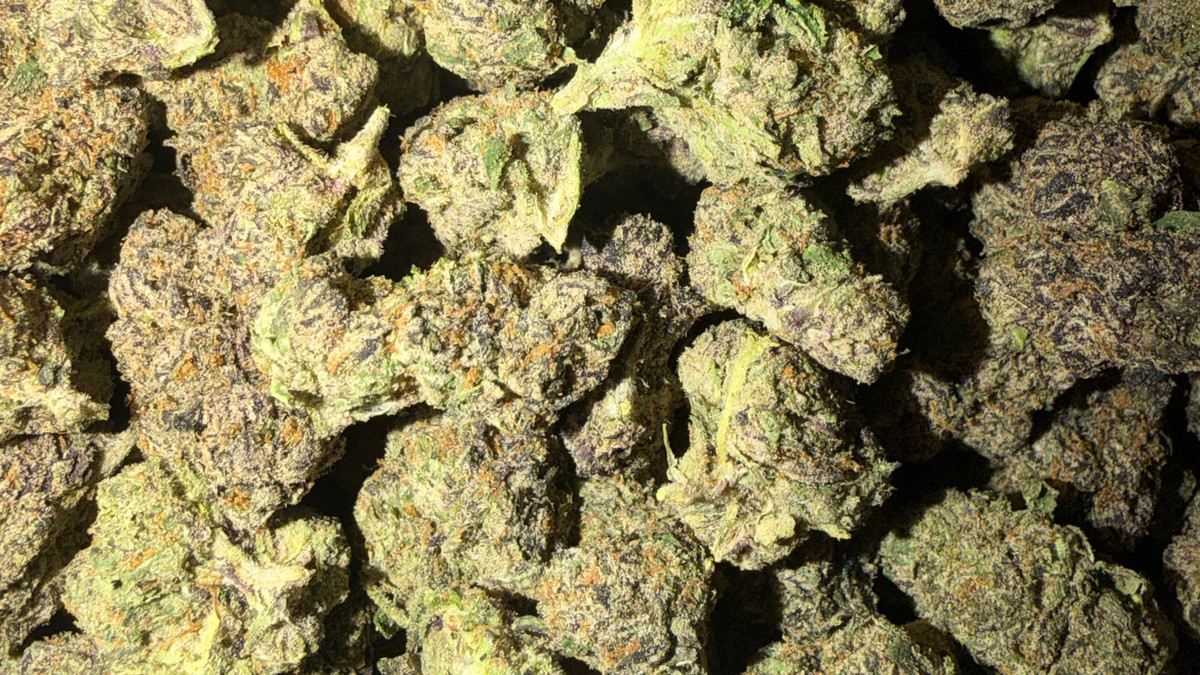
Gary Payton is commonly considered a moderate-difficulty cultivar rather than the easiest choice for a first grow. Its performance can vary by phenotype, but growers often look for vigorous hybrid structure, strong lateral branching, and dense flowers that require attention to airflow and humidity.
Reported flowering times commonly fall around eight to ten weeks indoors, although the actual finish depends on the specific cut and growing conditions. Outdoor timing varies with climate, daylight, temperature, and local weather, so a generic harvest date should not be treated as universal.
Yield is also highly dependent on light, plant training, root health, nutrition, environmental control, and the grower’s experience. Gary Payton is often described as capable of moderate to strong production under good conditions, but no strain label can guarantee a particular harvest size.
Growers should watch dense flower sites closely and prioritize sanitation, ventilation, and stable environmental conditions. Because the cultivar may produce pungent flowers, odor management can matter in enclosed spaces, and local laws should be reviewed before growing.
Similar strains worth trying
Consumers who enjoy Gary Payton’s sweet, gassy hybrid profile may want to explore Gelato, Jealousy, or Wedding Cake. These cultivars can share dessert, fruit, cream, spice, or fuel notes, but their effects and potency may differ from Gary Payton.
For a more traditionally relaxing direction, Granddaddy Purple or GMO may be worth comparing, depending on the terpene profile and product format. For a brighter, more citrus-forward experience, strains such as Super Lemon Haze offer a different expression while remaining firmly aromatic.
When comparing alternatives, look beyond the strain name. Review the batch date, cannabinoid panel, terpene results, cultivation method, and whether the product is flower, pre-roll, concentrate, or edible.
The Bud Lords Take
Our take: Gary Payton earns its reputation through character more than simple potency. The best examples bring a memorable mix of sweet gas, pepper, and herbal depth, with effects that can move from alert and social toward calm without feeling locked into only one lane.
For DC, Maryland, and Virginia readers, consistency is the practical question. Cannabis products can differ across local programs, brands, and product formats, so a familiar strain name should not replace checking the package details and the rules that apply where you live.
That matters especially when moving between flower, pre-rolls, concentrates, and edibles. A Gary Payton flower may feel manageable to one person while a concentrate or edible carrying the same name produces a much stronger or longer experience.
Use the cultivar as a guide to flavor and general style, then let the batch information shape your expectations. If you are exploring the strain, a lower amount in a familiar setting is a more sensible way to learn how that particular product affects you than relying on reputation alone.
Gary Payton FAQ
Here is what most people ask about Gary Payton in this area.
Is Gary Payton indica or sativa?
Gary Payton is most commonly classified as a hybrid. Its effects are often described as a balance of mental uplift and physical relaxation, but the experience can vary by phenotype, batch, dose, and consumer.
Is Gary Payton a strong strain?
It is commonly associated with moderate-to-high THC flower, but potency varies by product and harvest. Check the package or batch-specific laboratory information rather than assuming every Gary Payton product has the same strength.
What does Gary Payton taste like?
Common descriptions include sweet fruit or pastry, fuel, pepper, earth, and herbal notes. The terpene profile can change between growers, so the label provides a better guide than the strain name alone.
Is Gary Payton good for beginners?
Some beginners may find it too potent or intense, particularly in concentrate or edible form. Anyone new to cannabis should understand the product’s serving information, avoid mixing intoxicants, and never drive after use.
Gary Payton is not in the Bud Lords menu right now. Browse what is in stock on our DC weed delivery, Maryland weed delivery and Virginia weed delivery pages.
More strain guides: Super Boof, Glitter Bomb, Cereal Milk.
Frequently asked questions
Here is what most people ask about Gary Payton in this area.
What Gary Payton is?
Gary Payton is commonly described as a hybrid strain, usually with a fairly even balance between energizing and relaxing traits. It is generally marketed toward experienced consumers because reported THC levels are often high, although exact potency depends on the specific batch and should be verified on the product label or laboratory results when available. Commonly reported potency ranges place Gary Payton in the upper-teen to upper-20s percentage range for THC flower, but that range is not a promise for every harvest.
Is Gary Payton indica or sativa?
Gary Payton is most commonly classified as a hybrid. Its effects are often described as a balance of mental uplift and physical relaxation, but the experience can vary by phenotype, batch, dose, and consumer.
Is Gary Payton a strong strain?
It is commonly associated with moderate-to-high THC flower, but potency varies by product and harvest. Check the package or batch-specific laboratory information rather than assuming every Gary Payton product has the same strength.
What does Gary Payton taste like?
Common descriptions include sweet fruit or pastry, fuel, pepper, earth, and herbal notes. The terpene profile can change between growers, so the label provides a better guide than the strain name alone.
Is Gary Payton good for beginners?
Some beginners may find it too potent or intense, particularly in concentrate or edible form. Anyone new to cannabis should understand the product’s serving information, avoid mixing intoxicants, and never drive after use. Gary Payton is not in the Bud Lords menu right now.


Comments