


_edited.png)
Cherry Pie Strain Guide: Cherry Flavor x Balanced Effects x Reliable Indoor Grow

What Cherry Pie is
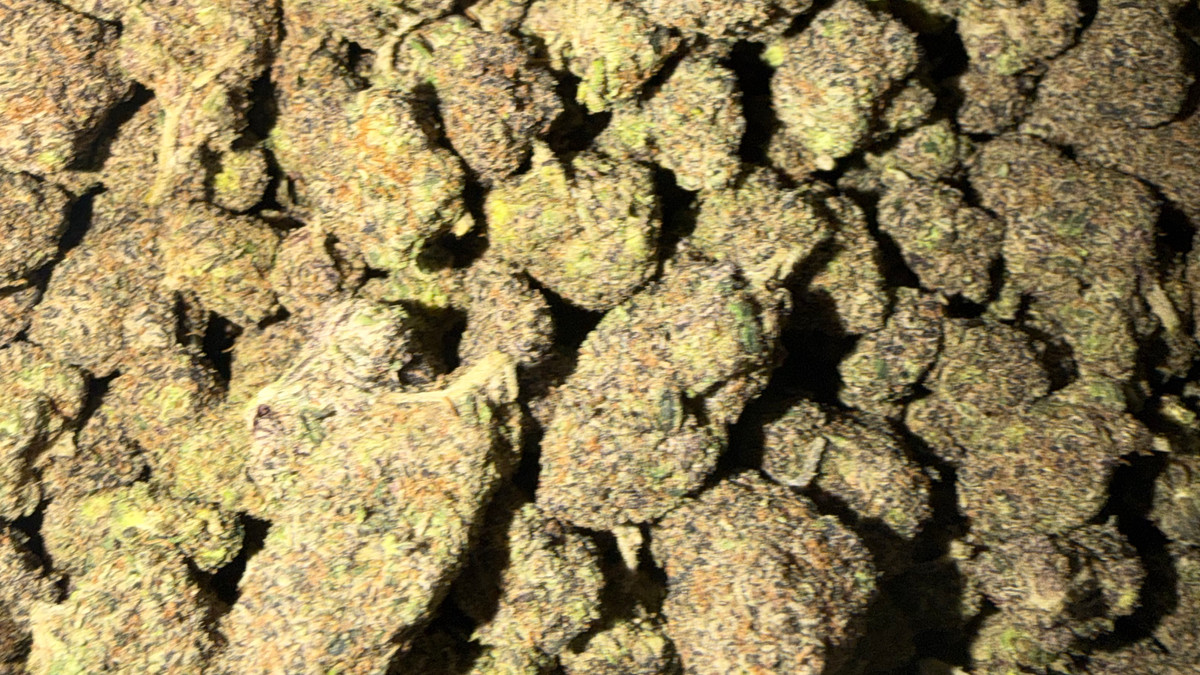
Cherry Pie is commonly described as an indica-dominant hybrid with a sweet cherry-and-dough flavor profile and effects that can feel mentally pleasant before becoming physically relaxing. Its name refers to its aroma and taste, not a guaranteed terpene or cannabinoid formula.
Reported THC levels often fall in the mid-to-high teens through the mid-20% range, although the number can vary substantially by grower, harvest, and testing laboratory. That makes the label more useful than the strain name alone when you are deciding how strong a product may feel.
Cherry Pie may suit adults who want a hybrid experience with noticeable relaxation and a flavorful smoke. Newer consumers should remember that strain names do not standardize effects, and higher-THC flower or concentrates can feel much stronger than the same name in another batch.
Product Highlights
This quick reference summarizes commonly reported traits, not a guarantee for every Cherry Pie product. Always use the package label and batch-specific certificate of analysis when those details are available.
Spec | Details |
|---|---|
Strain type | Commonly reported indica-dominant hybrid |
Commonly reported THC range | Often reported from the high teens to mid-20% range; actual batches vary |
Dominant terpenes | Frequently associated with caryophyllene, myrcene, and limonene, though profiles vary |
Effect profile | Reportedly upbeat, euphoric, relaxing, and potentially sedating at higher doses |
Best time of day | Late afternoon or evening for many consumers; individual responses differ |
Available formats | Flower, pre-rolls, live resin, live rosin, distillate cartridges, and disposables where offered |
Lineage and genetics
Cherry Pie is commonly reported as a cross of Granddaddy Purple and Durban Poison. That pairing would help explain the strain’s reputation for combining grape-like, dessert-leaning notes with a more energetic or focused opening effect.
Lineage records are not always consistent across breeders, brands, and menus. Some products use familiar strain names without publishing a complete breeding history, so the Granddaddy Purple-by-Durban Poison description is best treated as widely circulated lineage rather than a universally verified pedigree.
The strain is often connected with the broader Bay Area cannabis breeding scene and is associated with the breeder known as Ken Estes, but brand documentation can differ. For a specific product, the producer’s genetics information and testing documents are more dependable than a menu description alone.
Aroma, flavor and terpene profile
Cherry Pie is usually recognized by a dessert-like nose: sweet fruit, baked pastry, and sometimes a grape or berry note. Depending on the batch, the aroma may also include pepper, herbs, or a light citrus edge.
Caryophyllene is commonly associated with its spicy, peppery character, while myrcene can contribute earthy or herbal depth. Limonene may add brightness. Terpenes are shared across many cultivars, and their presence does not guarantee a particular feeling or medical outcome.
How Cherry Pie tastes depends on more than genetics. Harvest timing, drying, curing, storage, and the product format can all change whether the fruit, spice, or pastry notes lead the experience.
Reported effects and common uses
Consumer descriptions often place Cherry Pie between a cheerful hybrid and a relaxing evening strain. People commonly report an initial lift in mood or sociability followed by physical calm, though the balance can shift with dose, tolerance, setting, and batch chemistry.
Some adults choose it for unwinding after work, listening to music, watching a movie, or easing into a slower evening. Others may find the same cultivar too heavy, especially when using potent flower or concentrates.
Start with the product label rather than the strain name. Avoid driving or performing tasks that require full attention after consuming cannabis, and do not combine cannabis with alcohol or other intoxicating substances.
Formats and hardware
Flower is the most direct way to experience Cherry Pie’s cured aroma and changing terpene balance. Pre-rolls offer convenience, but their grind, paper, storage, and burn can affect flavor and consistency. A sealed package and clear batch information are useful signs of better traceability.
Cherry Pie may also appear in live resin, live rosin, or distillate cartridges and disposables. Live resin is generally made to preserve more of the plant’s aromatic compounds through processing, while live rosin uses solventless pressing. Distillate is typically more refined and often has a simpler cannabinoid profile, with flavor added or rebuilt in some products.
Cartridges contain an oil chamber, a heating element, and a mouthpiece. A battery sends power to the coil; draw-activated devices fire when you inhale, while button batteries require a press. Keep hardware upright when possible, and stop using a device if it leaks, tastes burnt, or becomes unusually hot.
Lower temperature settings are commonly preferred for flavor, while higher settings produce larger, harsher draws and may reduce delicate aromatic notes. A broad starting range around 2.2 to 2.8 volts is often used for oil cartridges, but the correct setting depends on the battery and oil. Follow the manufacturer’s instructions rather than treating any temperature as universal.
Extraction also changes onset and feel. Inhaled products can be felt quickly, while edible products take longer and last longer; Cherry Pie’s name does not make an edible interchangeable with flower or a cartridge.
Batch testing and label reading
A certificate of analysis, or COA, is a laboratory document tied to a particular cannabis batch. It may list cannabinoids, terpene percentages, contaminants, moisture, and laboratory or compliance information, depending on the jurisdiction and testing program.
Look for a batch or lot number that matches the package. Then compare the listed THC, THCA, CBD, and terpene values with the COA when available. Flower labels may show both THC and THCA because raw cannabis contains THCA that changes chemically when heated.
Numbers vary from harvest to harvest, even when the cultivar name stays the same. Treat percentages as measurements for that batch, not a potency guarantee for every Cherry Pie product or a prediction of exactly how you will feel.
How it compares
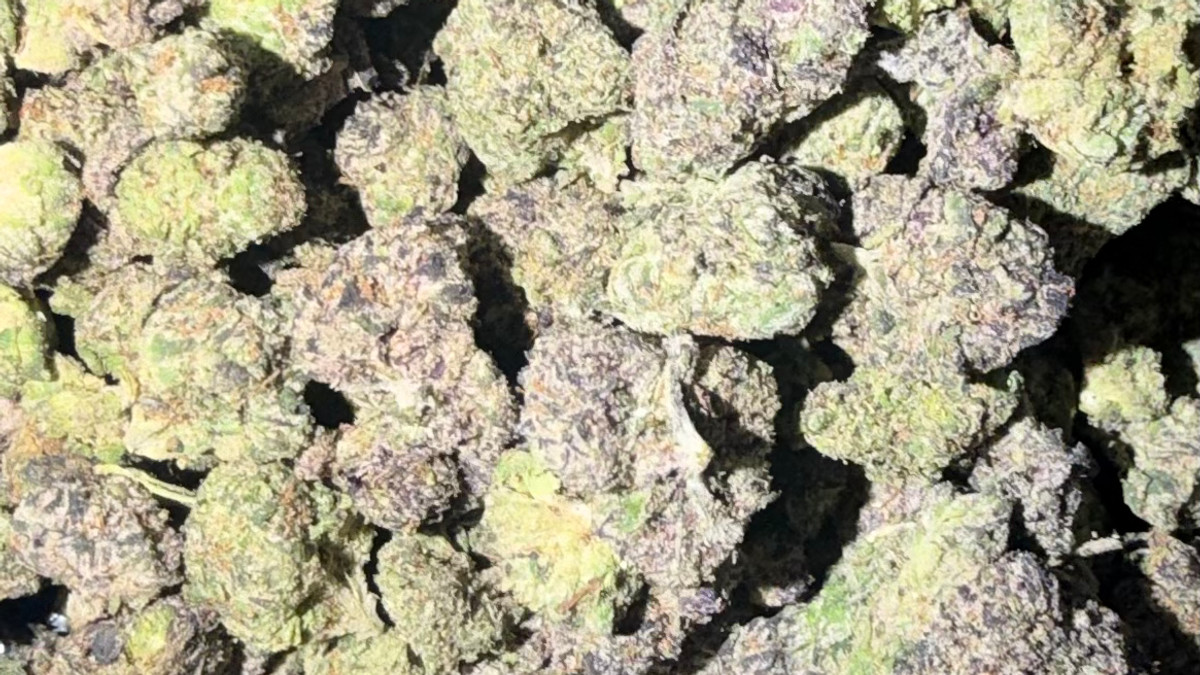
These comparisons are broad, based on commonly reported strain identities and flavor impressions. Actual products can differ by breeder, batch, cultivation method, and processing.
Strain | Type | Flavor | Effect | Best for |
|---|---|---|---|---|
Cherry Pie | Indica-dominant hybrid | Cherry, pastry, grape, pepper | Upbeat at first, then relaxing | Flavor-focused evening sessions |
Granddaddy Purple | Indica-dominant hybrid | Grape, berry, earth | Relaxing and potentially sedating | Quiet nighttime use |
Durban Poison | Sativa-leaning landrace cultivar | Anise, spice, citrus | Often described as energetic and alert | Daytime or creative activities |
Girl Scout Cookies | Balanced hybrid | Sweet, earthy, minty, doughy | Euphoric and relaxing | Consumers seeking a stronger hybrid profile |
Medical and wellness reports
Adults sometimes discuss Cherry Pie in connection with relaxation, mood, appetite, or sleep routines, but these are personal reports rather than medical conclusions. Strain names and terpene profiles cannot diagnose, treat, cure, or prevent a condition.
If you use cannabis alongside prescription medicines or have questions about side effects, ask a qualified healthcare professional. Medical-program patients should also follow the guidance of their clinician and the rules of their state program.
Grow notes
Cherry Pie is commonly considered a moderate-difficulty cultivar for growers. Its indica-leaning structure may produce sturdy branching, while the Durban Poison influence is often associated with a more vigorous stretch. Training and canopy management can help maintain an even indoor garden, but exact behavior depends on the seed line or clone.
Reported flowering times are commonly around eight to ten weeks indoors, though breeder descriptions vary. Outdoor timing depends on climate and local conditions. Yield is often described as moderate to good under suitable conditions, but light, nutrition, environment, genetics, and grower skill matter more than the strain name alone.
A stable environment, adequate airflow, and careful humidity management are especially important as flowers become dense. Growers should confirm local cultivation rules before starting, since plant limits and home-growing permissions differ across the DMV.
Similar strains worth trying
For a more grape-forward and heavier direction, Granddaddy Purple is the obvious comparison. Consumers looking for a brighter, more daytime-leaning profile may explore Durban Poison, while Girl Scout Cookies offers another dessert-leaning hybrid route.
Other cherry, berry, or pastry cultivars may overlap with Cherry Pie’s flavor without sharing its lineage. When comparing products, review the cannabinoid and terpene information instead of relying only on the cultivar name printed on the front.
The Bud Lords Take
Our take: Cherry Pie remains appealing because it sits at a useful middle ground. It has a memorable dessert profile, enough reported lift to avoid feeling one-dimensional, and enough body relaxation to make it a natural candidate for slower evenings.
For DC readers, remember that the District operates under Initiative 71 gifting rules, which are not the same thing as a conventional recreational retail system. Rules around cannabis, gifts, possession, delivery, and sales can be specific and change over time, so check current official guidance and understand what a transaction actually involves.
Maryland has a regulated cannabis market, while Virginia’s framework and retail access differ from Maryland’s. Products are for adults 21 and older, and local rules still matter. Whether you are comparing flower, pre-rolls, concentrates, or a medical-program product, the practical move is to verify the label, batch information, and current jurisdictional requirements.
Cherry Pie is best approached as a family of products with a shared name, not a guaranteed experience. The batch, format, dose, and setting will shape the result more than the name alone.
Cherry Pie FAQ
Here is what most people ask about Cherry Pie in this area.
Is Cherry Pie indica or sativa?
Cherry Pie is commonly described as an indica-dominant hybrid. Labels can differ by producer, and the designation does not reliably predict the effects of every batch.
What does Cherry Pie taste like?
It is usually associated with cherry, berry, grape, baked pastry, and peppery notes. Curing and extraction can change which aromas stand out.
Is Cherry Pie good for daytime use?
Some consumers report an uplifting opening effect, but its relaxing side may make it better suited to late afternoon or evening. Review potency and start cautiously.
How strong is Cherry Pie?
Reported THC levels often range from the high teens to the mid-20% range, but actual potency varies by batch and product type. Use the package label and COA when available.
Cherry Pie is not in the Bud Lords menu right now. Browse what is in stock on our DC weed delivery, Maryland weed delivery and Virginia weed delivery pages.
More strain guides: Super Boof, Glitter Bomb, Cereal Milk.
Frequently asked questions
Here is what most people ask about Cherry Pie in this area.
What Cherry Pie is?
Cherry Pie is commonly described as an indica-dominant hybrid with a sweet cherry-and-dough flavor profile and effects that can feel mentally pleasant before becoming physically relaxing. Its name refers to its aroma and taste, not a guaranteed terpene or cannabinoid formula. Reported THC levels often fall in the mid-to-high teens through the mid-20% range, although the number can vary substantially by grower, harvest, and testing laboratory.
How it compares?
These comparisons are broad, based on commonly reported strain identities and flavor impressions. Actual products can differ by breeder, batch, cultivation method, and processing.
Is Cherry Pie indica or sativa?
Cherry Pie is commonly described as an indica-dominant hybrid. Labels can differ by producer, and the designation does not reliably predict the effects of every batch.
What does Cherry Pie taste like?
It is usually associated with cherry, berry, grape, baked pastry, and peppery notes. Curing and extraction can change which aromas stand out.
Is Cherry Pie good for daytime use?
Some consumers report an uplifting opening effect, but its relaxing side may make it better suited to late afternoon or evening. Review potency and start cautiously.
How strong is Cherry Pie?
Reported THC levels often range from the high teens to the mid-20% range, but actual potency varies by batch and product type. Use the package label and COA when available. Cherry Pie is not in the Bud Lords menu right now.


Comments