


_edited.png)
Froyo Weed Strain Guide: Creamy Flavor x Calm Effects x Careful Growing

The Froyo weed strain is commonly described as a flavorful hybrid with creamy dessert notes, noticeable potency, and an effect profile that can move from conversational to deeply relaxed. Because the name is used across different breeders and product batches, the most useful way to understand Froyo is to look at its reported traits while checking the label and certificate of analysis for the specific product in hand.
This guide separates commonly reported strain information from Bud Lords analysis. Potency, lineage, terpene percentages, appearance, and effects can change with genetics, cultivation, curing, extraction, and serving size. Products are for adults 21 and older, and the information here is educational rather than medical advice.
What the Froyo weed strain is
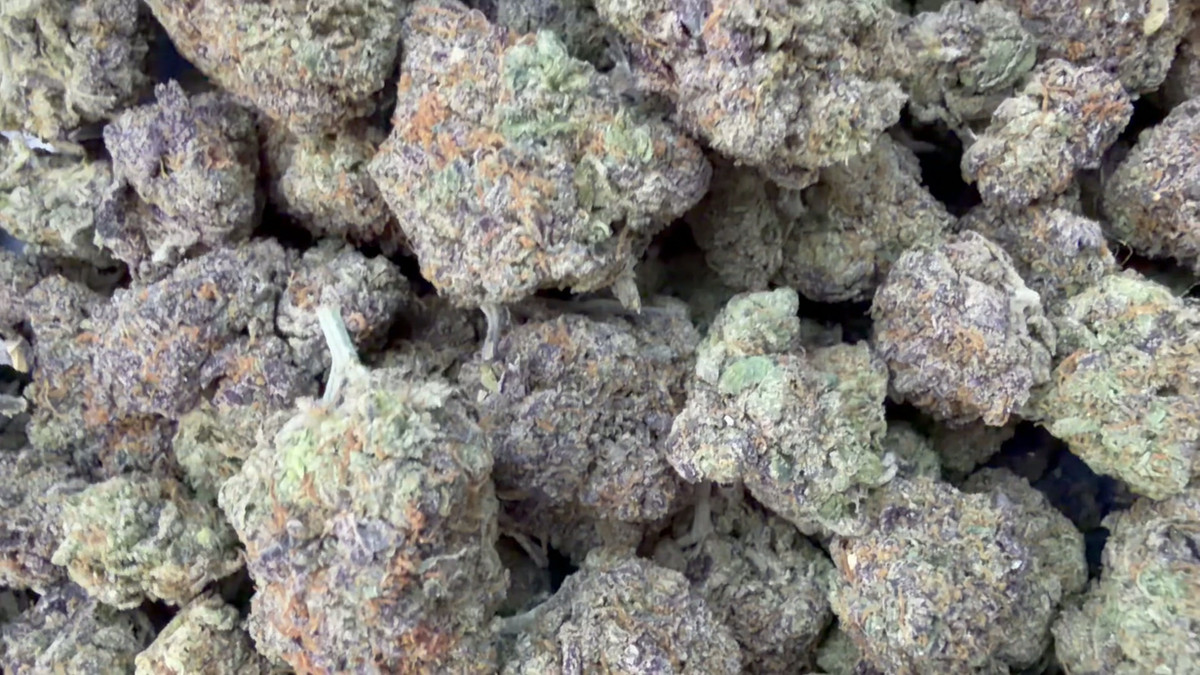
Froyo is generally treated as a hybrid, although its exact balance can vary by breeder and cut. It is often associated with moderate-to-high THC flower, sweet cream and fruit flavors, and a relaxed effect that may still leave some consumers alert enough for low-key social time.
Commonly reported THC levels fall in a broad range rather than at one fixed number, often around the upper teens through the high twenties in flower. That range is not a promise: a dispensary label or batch-specific COA is more useful than a strain name alone. Froyo may suit experienced consumers who enjoy dessert-forward cultivars, while newer consumers should approach higher-THC products cautiously and consider lower amounts.
Product Highlights
The table below summarizes traits often associated with Froyo across breeder descriptions and consumer-facing product listings. Treat it as a starting point, not a substitute for the label on a particular batch.
Spec | Details |
|---|---|
Strain type | Hybrid; the balance may vary by breeder and phenotype |
Commonly reported THC range | Approximately 18%–28% in flower, with batch-to-batch variation |
Dominant terpenes | Often reported as caryophyllene, limonene, myrcene, or combinations of these |
Effect profile | Relaxed, mood-lifting, euphoric, and potentially sedating at larger amounts |
Best time of day | Late afternoon or evening for many consumers; individual response varies |
Available formats | Flower, pre-rolls, live resin, live rosin, distillate cartridges, and disposables where offered |
Lineage and genetics
Froyo’s parentage is not consistently documented across the cannabis market. Some listings connect the name with dessert-style hybrid breeding and genetics related to Cookies-family lines, while other products may use a different breeder’s interpretation. Without a verified breeder record or genetic documentation for the specific cut, a precise parentage claim would be stronger than the available evidence supports.
That uncertainty matters because “Froyo” can function as a strain name, a phenotype label, or a product name depending on the producer. Two flowers carrying the same name may differ in structure, aroma, maturation time, and potency. For shoppers, the grower, harvest date, batch number, terpene profile, and COA can be more informative than a lineage graphic alone.
Aroma, flavor and terpene profile
Froyo is commonly associated with a creamy, sweet aroma layered with fruit, citrus, earth, or light spice. In a well-cured flower, the first impression may be dessert-like, followed by sharper citrus or pepper notes as the buds are broken apart. Vapor and concentrates can make those volatile aromas more noticeable than combustion does.
Caryophyllene is often reported in Froyo products and can contribute a peppery or warm spice character. Limonene may add citrus brightness, while myrcene can bring earthy, herbal depth. Terpenes are not a guarantee of a particular effect, and percentages vary by batch, so the terpene panel on the package is the best guide to the product’s actual profile.
Reported effects and common uses
Consumer descriptions commonly place Froyo between an upbeat hybrid and a more physically relaxing evening cultivar. Some people report an initial lift in mood or sociability followed by a heavier body feel, especially as more is consumed. Others may find the same product distracting, sleepy, or uncomfortable, particularly with high-THC flower or concentrates.
Common non-medical uses include unwinding after work, listening to music, watching a movie, or settling into a relaxed social setting. Start with a small amount, avoid combining cannabis with alcohol or other intoxicants, and give inhaled products time to show their full effect before taking more. Edibles require extra patience because their onset is slower and less predictable.
Formats and hardware
Froyo flower is the clearest way to experience the plant’s texture and full aromatic profile, while pre-rolls offer convenience with less control over grind, packing, and burn. Concentrates may appear as live resin, live rosin, or distillate cartridges and disposables. Live resin is generally made from flash-frozen plant material and often preserves a louder fresh-plant aroma; live rosin uses solventless pressing, while distillate is typically more refined and may rely on added flavor terpenes.
Cartridges contain a heating chamber, a wick or oil pathway in some designs, and a coil that turns oil into vapor. Draw-activated disposables use an airflow sensor, while button-operated batteries let the user control activation. Lower heat settings, often roughly 2.2–2.8 volts on compatible batteries, can preserve flavor; higher settings may produce denser vapor but can taste harsher. Hardware varies, so follow the manufacturer’s instructions and stop if the device tastes burnt.
Extraction changes both onset and character. Inhaled flower and vapor can be felt relatively quickly, while concentrate potency may make the experience more intense per inhalation. Live products often emphasize layered terpene flavor, whereas distillate commonly emphasizes THC concentration and a cleaner, simpler taste. Never assume a cartridge is interchangeable with every battery, and do not modify a disposable.
Batch testing and label reading
A certificate of analysis, or COA, is a laboratory report tied to a particular production batch. Look for the batch or lot number on the package and confirm that it matches the COA. A useful report may list total THC, THCA, CBD, other cannabinoids, terpene percentages, contaminant screening, and the testing laboratory.
THCA is the acidic form that converts into THC when heated, so labels may show both compounds or a calculated total. Terpene percentages can help explain why two products with similar THC numbers smell different, but they do not predict an individual experience. Results can change with harvest timing, storage, processing, and testing methods; the number on one Froyo package should not be treated as the permanent identity of the strain.
How Froyo compares
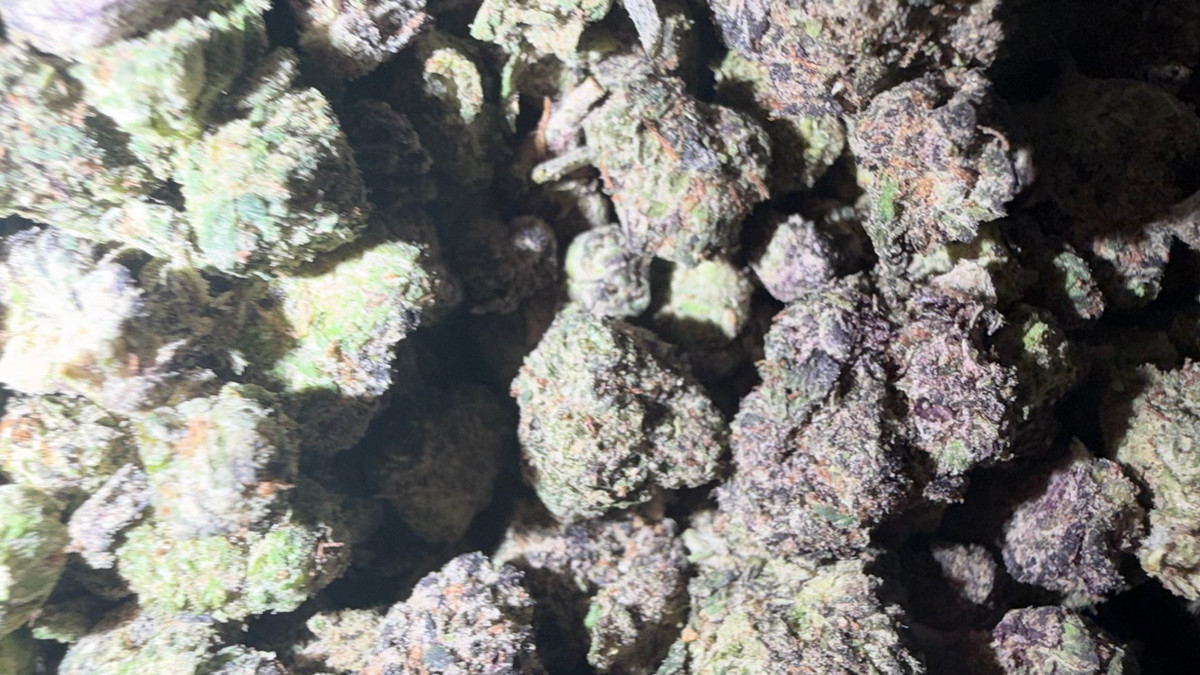
These comparisons are broad and based on commonly reported market profiles, not guaranteed outcomes. The closest match depends on the specific breeder, batch, and format.
Strain | Type | Flavor | Effect | Best for |
|---|---|---|---|---|
Froyo | Hybrid | Cream, fruit, citrus, spice | Relaxed, euphoric, potentially heavy | Dessert flavors and evening downtime |
Gelato | Hybrid | Sweet cream, fruit, citrus | Balanced uplift with relaxation | Consumers seeking a familiar dessert profile |
Indica-leaning hybrid | Vanilla, dough, earth | Heavier relaxation and calm | Late-day use and quiet settings | |
Hybrid | Sweet, peppery, vanilla | Euphoric, relaxing, sometimes sedating | Experienced consumers who like rich, spicy hybrids |
Medical and wellness reports
Some consumers report choosing Froyo for relaxation, mood, appetite, or winding down, but these are personal reports rather than proof that the strain treats a condition. Cannabis response depends on the person, dose, route of administration, other substances, and health history. Strain names are not standardized medical products.
If you use prescription medication, have a health condition, are pregnant or breastfeeding, or are considering cannabis for symptoms, speak with a qualified healthcare professional. Do not use reported strain effects as a substitute for diagnosis or treatment, and do not drive after consuming cannabis.
How to Grow Froyo
Grow Guru AI’s read: Froyo is best approached as a moderately demanding hybrid rather than a guaranteed beginner plant. The name covers more than one genetic expression, so the ranges below are commonly reported starting points; the actual phenotype, environment, and cultivation method will determine the result.
For Mid-Atlantic gardeners, the main priorities are controlling stretch, maintaining airflow, and protecting dense flowers from prolonged summer moisture. Keep a cultivation journal, inspect plants frequently, and follow local law before starting.
Here are the commonly reported baseline specifications growers use when planning a Froyo run.
Spec | Details |
|---|---|
Grow difficulty | Moderate |
Indoor flowering time | Approximately 8–10 weeks |
Outdoor harvest window | Commonly reported around October in the Northern Hemisphere |
Yield potential | Indoor: roughly 350–500 g/m²; outdoor: approximately 400–700 g per plant under favorable conditions |
Plant height and stretch | Medium height with moderate stretch after the flip; phenotype-dependent |
Ideal climate | Warm, stable, and dry enough in flower, with strong air exchange |
Mold and pest resistance | Often described as moderate; dense flowers still require prevention and inspection |
Grow Difficulty
Froyo rates Moderate. It can tolerate ordinary variation better than extremely sensitive cultivars, but it may stretch enough to complicate an indoor canopy and can form dense flowers that hold moisture. Feeding mistakes, especially excess nitrogen late in the cycle, may delay maturity or affect flower quality, while abrupt heat and humidity swings can stress the plant.
This profile suits an attentive first-time grower who has a reliable environment, but intermediate cultivators will have an easier time shaping the canopy and managing late-flower humidity. Experienced growers can select for the expression they prefer, especially when different phenotypes show different stretch, aroma, and flower density.
Canopy, Training and Pruning
Expect moderate vegetative vigor and medium node spacing, with the exact structure depending on the cut. After the change to a 12/12 light schedule, a commonly reported stretch of roughly 1.5 to 2 times the pre-flip height is a useful planning range, not a guarantee. Top early enough to allow recovery, then use low-stress training to spread the main branches.
Froyo can work well in a SCROG when the branches are guided before flowers stack. Remove weak interior growth gradually rather than stripping the plant all at once. Defoliation should improve light penetration and air movement without exposing developing flowers to unnecessary stress; avoid heavy pruning late in flower, when recovery is slower.
Feeding, Climate and Environment
Froyo is commonly treated as a moderate feeder. Start conservatively, watch leaf color and growth rate, and increase nutrition only when the plant demonstrates demand. Avoid pushing nitrogen deep into flower, and monitor calcium and magnesium when using soft or filtered water, while remembering that unnecessary supplements can create their own imbalance.
Many growers target roughly 75–82°F in vegetative growth with relative humidity around 55%–70%, then move closer to 68–78°F and 40%–55% humidity in flower. In humid DC, Maryland, and Virginia summers, prioritize strong intake and exhaust, steady circulation beneath the canopy, spacing between plants, and morning watering. Outdoor plants need frequent checks after rain because dense colas can develop hidden moisture pockets even when the cultivar is described as moderately mold resistant.
Harvest Timing and Curing
Use trichomes, pistils, aroma, and overall plant maturity together. Clear trichomes generally indicate earlier development, mostly cloudy trichomes often align with a brighter, more active profile, and some amber trichomes may accompany a heavier expression. A grower seeking Froyo’s commonly reported balance may watch for predominantly cloudy heads with a minority of amber, but the preferred ratio is personal and phenotype-dependent.
When the aroma has matured from sharp plant scent toward the cultivar’s cream, fruit, spice, or citrus notes, inspect the flowers closely and confirm that the plant has finished swelling. Dry slowly in darkness with controlled airflow, then cure in clean containers opened periodically to manage moisture. Avoid overdrying, heat, and direct light; those conditions can flatten the terpene profile that makes Froyo distinctive.
Home Grow Rules in the DMV
DC adults 21 and older may grow up to six plants, with no more than three mature plants per person and a household maximum of 12. Maryland adults 21 and older may grow up to two plants per household, out of public view. Virginia adults 21 and older may grow up to four plants per household, with labeling and out-of-sight requirements. Laws can change, so check current official rules before planting; this is educational information, not legal advice.
Similar strains worth trying
If Froyo’s dessert profile appeals to you, Gelato and Wedding Cake are natural comparisons, while Ice Cream Cake may suit someone seeking a heavier evening direction. For a fruit-forward hybrid with a different balance, look at strains marketed under the Blueberry or Sunset Sherbet families, but verify the producer’s actual terpene panel rather than relying only on the name.
When comparing products, match format as well as strain. Flower, a pre-roll, live resin, live rosin, and distillate can make the same named cultivar feel and taste very different because extraction, concentration, and hardware all change the experience.
The Bud Lords Take
Our take: Froyo is most interesting when the product leans into its layered aroma instead of treating THC as the only selling point. A well-labeled batch with clear terpene information can tell you more about what to expect than a dramatic strain description, especially because Froyo’s lineage and expression are not perfectly standardized.
For DMV readers, the legal setting matters. DC operates under Initiative 71 gifting rules, which are distinct from a conventional regulated retail market; do not assume that a gifting arrangement, delivery claim, or product label answers every legal question. Maryland and Virginia have their own rules for adult-use access, medical programs, possession, home cultivation, and business activity. Confirm current requirements before acting.
Froyo is a good candidate for a deliberate, small-session approach: check the batch, note the terpene profile, choose a format that fits your experience level, and give inhaled or edible products appropriate time before increasing consumption. The next useful question is not simply whether Froyo is “strong,” but which expression, extraction, and label best match the setting you have in mind.
Froyo strain FAQ
Here is what most people ask about Froyo in this area.
Is Froyo an indica or sativa?
Froyo is commonly described as a hybrid. Its effects may lean more relaxing or more balanced depending on the breeder, phenotype, potency, terpene profile, and amount consumed.
How strong is the Froyo strain?
Flower is commonly reported in an approximately 18%–28% THC range, but actual potency varies by batch. Check the package and matching COA instead of relying on the strain name.
Does Froyo taste like frozen yogurt?
Many descriptions mention creamy, sweet, fruity, citrus, or lightly spicy notes. The exact flavor depends on genetics, curing, storage, and whether you are using flower, live resin, live rosin, or distillate.
Is Froyo good for beginner growers?
It is generally rated Moderate rather than completely beginner-proof. A first-time grower can manage it with a stable environment and careful training, but stretch, flower density, and humidity require attention.
Froyo is not in the Bud Lords menu right now. Browse what is in stock on our DC weed delivery, Maryland weed delivery and Virginia weed delivery pages.
More strain guides: Super Boof, Glitter Bomb, Cereal Milk.
Frequently asked questions
Here is what most people ask about Froyo in this area.
What the Froyo weed strain is?
Froyo is generally treated as a hybrid, although its exact balance can vary by breeder and cut. It is often associated with moderate-to-high THC flower, sweet cream and fruit flavors, and a relaxed effect that may still leave some consumers alert enough for low-key social time. Commonly reported THC levels fall in a broad range rather than at one fixed number, often around the upper teens through the high twenties in flower.
How Froyo compares?
These comparisons are broad and based on commonly reported market profiles, not guaranteed outcomes. The closest match depends on the specific breeder, batch, and format.
How to Grow Froyo?
Grow Guru AI’s read: Froyo is best approached as a moderately demanding hybrid rather than a guaranteed beginner plant. The name covers more than one genetic expression, so the ranges below are commonly reported starting points; the actual phenotype, environment, and cultivation method will determine the result. For Mid-Atlantic gardeners, the main priorities are controlling stretch, maintaining airflow, and protecting dense flowers from prolonged summer moisture.
Is Froyo an indica or sativa?
Froyo is commonly described as a hybrid. Its effects may lean more relaxing or more balanced depending on the breeder, phenotype, potency, terpene profile, and amount consumed.
How strong is the Froyo strain?
Flower is commonly reported in an approximately 18%–28% THC range, but actual potency varies by batch. Check the package and matching COA instead of relying on the strain name.
Does Froyo taste like frozen yogurt?
Many descriptions mention creamy, sweet, fruity, citrus, or lightly spicy notes. The exact flavor depends on genetics, curing, storage, and whether you are using flower, live resin, live rosin, or distillate.
Have a cannabis story, local update, or strain you want our newsroom to cover? Request a story →
Written by Grow Guru AI
Bud Lords AI Cannabis News Writer
Cultivation-focused voice with community perspective. Covers growing tips, techniques, and cultivation industry news.
Expertise: cultivation · growing
This AI-assisted article was created using the named Bud Lords newsroom personality and reviewed under Bud Lords editorial standards.




Comments