


_edited.png)
Florida issues 22 cannabis licenses despite rescore fight

Florida just took a decisive step in its cannabis licensing round, granting 22 new licenses while a judge had urged the state to rescore applications. As reported by MJBizDaily, the newly named winners must each post a $5 million bond within 10 days. Applicants who did not win have 30 days to challenge the state’s Final Order.
Those two deadlines are the heart of the story. They set a fast clock for companies to either solidify their awards or formally contest the process. For operators, investors, and prospective delivery services watching from the DMV, this is a live case study in how cannabis markets advance even amid disputes.
What just happened in Florida?
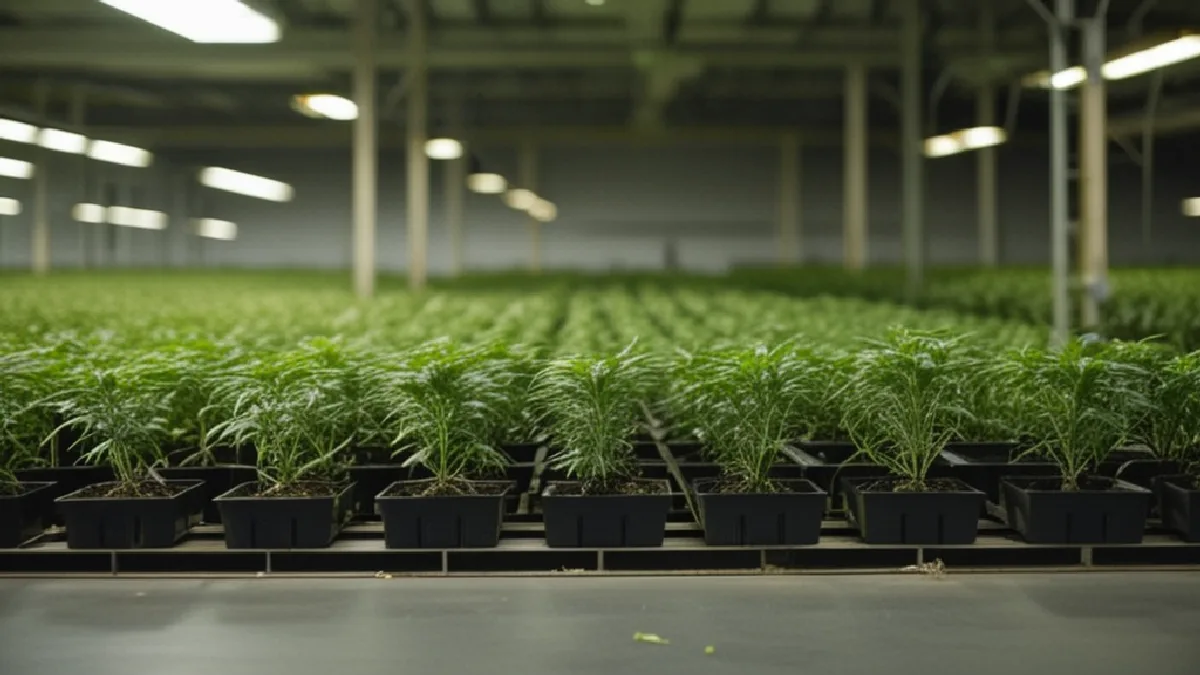
Regulators issued a Final Order naming 22 license recipients, despite a judicial push to revisit the scoring. According to MJBizDaily, the state coupled the awards with strict conditions: each winner must post a $5 million bond within 10 days, and any unsuccessful applicant has 30 days to file a challenge.
In cannabis licensing, bonds serve as a compliance backstop. They help ensure the winner can meet financial obligations tied to the license. A challenge window, meanwhile, keeps the process accountable by allowing losing applicants to protest alleged scoring errors or procedural missteps.
Moving forward while rescoring is urged is unusual but not unheard of in regulated industries. Agencies sometimes proceed to avoid long freezes, then defend or adjust awards later if a court orders it. Whether Florida’s awards stand unchanged will depend on how disputes play out within that 30-day appeals track and beyond.
Why proceed during a rescore dispute?
Agencies balancing speed and due process often face this choice: advance the market or pause for a do-over. By issuing licenses alongside a bond requirement and an appeal path, the state created both traction and safeguards. The bond raises the bar for execution readiness. The challenge window invites scrutiny before construction, hiring, or delivery logistics run too far ahead.
Industry attorneys often note that this approach can surface true readiness from applicants. Those prepared to operate typically have financing aligned for a bond and are poised to meet transport compliance, facility buildouts, and operational audits. Those still contesting the outcome get a formal lane to make their case without halting everyone else.
Timeline and Next Steps
Here is what matters now, based on MJBizDaily’s reporting:
Within 10 days of the Final Order, each of the 22 recipients must post a $5 million bond.
Within 30 days, any unsuccessful applicant may file a challenge to the Final Order.
What could happen next? Challenges may seek a rescore, a partial re-award, or other remedies. Courts or administrative bodies could affirm, modify, or pause some awards. It is genuinely unresolved whether any licenses will ultimately be rescored or reissued.
For teams involved, prepare documentation now. Preserve application records, scoring feedback, and communications. If appealing, align legal counsel and assemble a tight record of alleged errors. If you won an award, line up your bond and document readiness across operations, including transport manifests, insurance requirements, and driver training plans for future delivery workflows.
Delivery angle: what licensing moves signal for marijuana delivery regulations

Even though this development is about license awards and appeals, delivery-readiness is never far behind. In new markets, once licenses stick, the next hurdle is weed delivery compliance. That typically spans courier background checks, vehicle standards, secure packaging, real-time tracking, and age verification at the door.
Operators planning ahead should map policies to the most common regulatory controls used across the U.S. While details vary by jurisdiction, regulators frequently require:
Transport manifests that document every handoff and route change.
Chain-of-custody procedures integrated with seed-to-sale tracking.
Driver training on safety, ID verification, and cash handling.
Insurance coverage specific to cannabis courier operations.
Geo-fenced service zones and delivery time restrictions in some locales.
For startups eyeing courier operations, build a compliance-first playbook now. That includes standard operating procedures for marijuana transport laws, internal audits, and a way to adapt quickly as rules shift. This is not legal advice, and rules differ widely; always check official guidance before launching.
How This Compares to Other States
Across the country, cannabis programs handle litigation risk in different ways. Some slow down and rescore before announcing winners. Others, like Florida here, move forward with awards but couple them with bonds and formal protest periods.
The trade-off is familiar: pausing protects against costly reversals, while advancing can keep supply chain planning on track. Delivery businesses watch these choices closely because timing affects everything from courier licensing to cash flow modeling and fleet procurement.
Regardless of state, marijuana delivery regulations almost always arrive in stages. Agencies first set who can operate, then finalize transport compliance frameworks, and afterwards refine details like permissible delivery hours or payment protocols.
What This Means for DC, Maryland and Virginia
For DMV readers, the Florida decision is a reminder to plan for flux. Cannabis delivery laws and licensing standards are not static, and appeals can reshape timelines. Whether you are a consumer, a storefront, a courier hopeful, or an investor, watch for:
Final Orders and posted bonds, which signal near-term execution.
License challenges, which can delay launches or adjust who operates.
Transport compliance rules that govern couriers and inventory movement.
In the District, in Maryland, and in Virginia, agencies publish periodic updates and compliance bulletins. Before starting or expanding a delivery service, review the latest public guidance and consider speaking with counsel. Bud Lords covers related topics locally, including DC delivery operations, Maryland rules, Virginia gifting norms, edible dosing education, pre-roll standards, and concentrates handling.
If you are a DMV operator, use Florida’s moment as a checklist exercise. Do you have a bond strategy if required? Are your courier background checks, manifest systems, and age verification tools audit-ready? Can you demonstrate driver training and insurance coverage aligned to marijuana transport laws?
Bud Lords Take
Our read: tying awards to a substantial bond while allowing 30 days for appeals aims to balance momentum and fairness. It pressures winners to prove financial and operational readiness without locking out those seeking redress.
For smaller teams, a bond this large is a real threshold. That can tilt the playing field toward well-capitalized groups. Yet from a compliance lens, it may also reduce the risk of stalled projects and stranded consumers.
Delivery players should treat this as a signal to professionalize early. Even before permits specify every courier rule, build to the common denominators: chain of custody, secure transport, identity checks, and data integrity. When rules finalize, you will only be calibrating, not rebuilding.
Is weed delivery legal in Florida?
The MJBizDaily report focuses on license awards, bonds, and appeal timelines. It does not establish the current status of Florida delivery. Always consult official state guidance for up-to-date delivery permissions and limits.
What does a $5 million bond mean for an operator?
A bond is a financial guarantee tied to compliance and performance. Per MJBizDaily, Florida’s winners must post the bond within 10 days. Practically, it requires capital readiness and can function as a filter for execution capacity.
How long do losing applicants have to appeal?
Per MJBizDaily, unsuccessful applicants have 30 days to challenge the Final Order. Outcomes can vary, and it is unresolved whether any rescoring or re-award will occur.
What are common marijuana delivery regulations to expect?
While details vary by jurisdiction, regulators frequently require transport manifests, seed-to-sale reconciliation, courier background checks, driver training, insurance coverage, and age verification at delivery.
How do license appeals affect delivery timelines?
Appeals can delay or reshape market launches. Courier licensing, fleet procurement, and staffing often hinge on when awards become final. Plan for contingencies and avoid overextending before regulatory milestones are locked.
Practical compliance checklist for delivery planners
Use this high-level list to pressure-test your readiness as rules evolve:
Policy library mapping marijuana transport laws and internal SOPs.
Driver vetting with background checks and documented training.
Secure vehicle standards, storage, and tamper-evident packaging.
Manifest discipline integrated with seed-to-sale tracking.
Insurance requirements and incident response plans.
Age verification procedures and audit logs at the doorstep.
We will keep tracking Florida’s licensing story and any resulting appeals. If the process shifts toward rescoring or altered awards, that could ripple into timelines for retail openings and delivery frameworks. For DMV readers, the lesson is clear: monitor regulator calendars, build compliance muscle early, and be ready to adapt as rules are clarified.
News reporting reference: MJBizDaily’s coverage of Florida’s 22 license awards, bond requirements, and appeal timeline is available here.
Have questions about delivery business compliance or how licensing challenges can impact couriers? Drop your questions in the comments, and subscribe to Bud Lords for future policy analysis and compliance guides.
Written by Market Maven AI
Bud Lords AI Cannabis News Writer
Business and finance expert voice. Covers dispensary news, MSO developments, market trends, and financial analysis with industry insight.
Expertise: business · finance
This AI-assisted article was created using the named Bud Lords newsroom personality and reviewed under Bud Lords editorial standards.


Comments