


_edited.png)
Hemp ban delay shakes the $38.7B hemp supply chain

Federal policymakers may have hit pause on a hemp-related ban, but the market isn’t waiting around. MJBizDaily reports that while the ban’s extension offers breathing room, the supply chain is already unwinding across an industry estimated at $38.7 billion.
For operators in and around the District, Maryland, and Virginia, the headline isn’t just about hemp—it’s about delivery logistics, courier licensing, and transport compliance in a period of uncertainty. Even a temporary delay can trigger contract rewrites, SKU rationalization, and tighter vendor terms.
What’s changing and why it matters

Uncertainty is its own form of regulation. When rules are in flux, businesses often move first to reduce risk: scaling back purchase orders, trimming assortments, and tightening payment windows. That behavior slows the flow of goods long before any formal effective date arrives.
MJBizDaily’s reporting that the ban is delayed but momentum is already reversing fits a familiar pattern. Distributors and retailers tend to unwind exposure when they can’t model future compliance clearly. For delivery services, that can mean fewer eligible SKUs, more age-gating checks, and cautious transport policies—especially for hemp-derived products that may face changing definitions or potency thresholds.
Delivery laws, courier regulations, and transport compliance
Whether you deliver cannabis under a licensed marijuana program or handle hemp-derived products in general commerce, your risk profile rises when product categories could be redefined. That’s because delivery operations touch multiple compliance points: customer verification, labeling, manifests, vehicle procedures, and recordkeeping.
Here are practical areas delivery leaders review during policy shifts. They’re not legal conclusions—just operational guardrails you can control while the rules get sorted:
Age verification: Confirm your ID process meets the strictest standard in your service area, including in-person checks at the door.
Product labeling: Ensure labels include accurate ingredient information and any required warnings. Avoid claims that could be interpreted as medical advice.
Manifests and receipts: Maintain clear documentation of what moved, when, to whom, and who handled the order.
Driver protocols: Standardize vehicle inspections, delivery windows, tamper-evident packaging, and secure storage during transport.
Inventory controls: Implement batch tracking and reconcile inventory daily to detect discrepancies early.
Common licensing patterns we see
Delivery and courier requirements vary by jurisdiction and program. Generally, operators should expect a mix of business licensing, delivery-specific permissions, background checks, and vehicle standards. In some regulated marijuana programs, track-and-trace applies to every handoff; in others, hemp logistics may be treated more like mainstream consumer goods.
Because details differ widely, confirm your obligations with official state and local sources before launching or expanding routes. When in doubt, operate as if stricter marijuana transport laws apply to your processes, even for hemp, until you receive written guidance.
What This Means for DC, Maryland and Virginia
In the DMV, cannabis delivery laws, marijuana delivery regulations, and hemp logistics have always been nuanced. A delayed federal action does not automatically simplify local compliance. Instead, it can prompt distributors and retailers to narrow product selections and revisit delivery coverage areas while they wait for clarity.
For DC delivery operators and consumers, expect more due diligence around age verification and packaging. Maryland businesses evaluating new hemp-derived SKUs may pause launches and focus on core items such as pre-rolls, edibles with clear dosing information, and concentrates from established channels. In Virginia, where market structures evolve through policy updates, delivery plans often benefit from conservative transport protocols and rigorous driver training.
If you run a delivery service, this is a moment to strengthen your compliance checklist, revisit courier licensing documentation, and audit your transport procedures. If you’re a consumer, confirm product information, ask about batch tracking, and stick with providers who communicate openly about their policies.
How This Compares to Other States
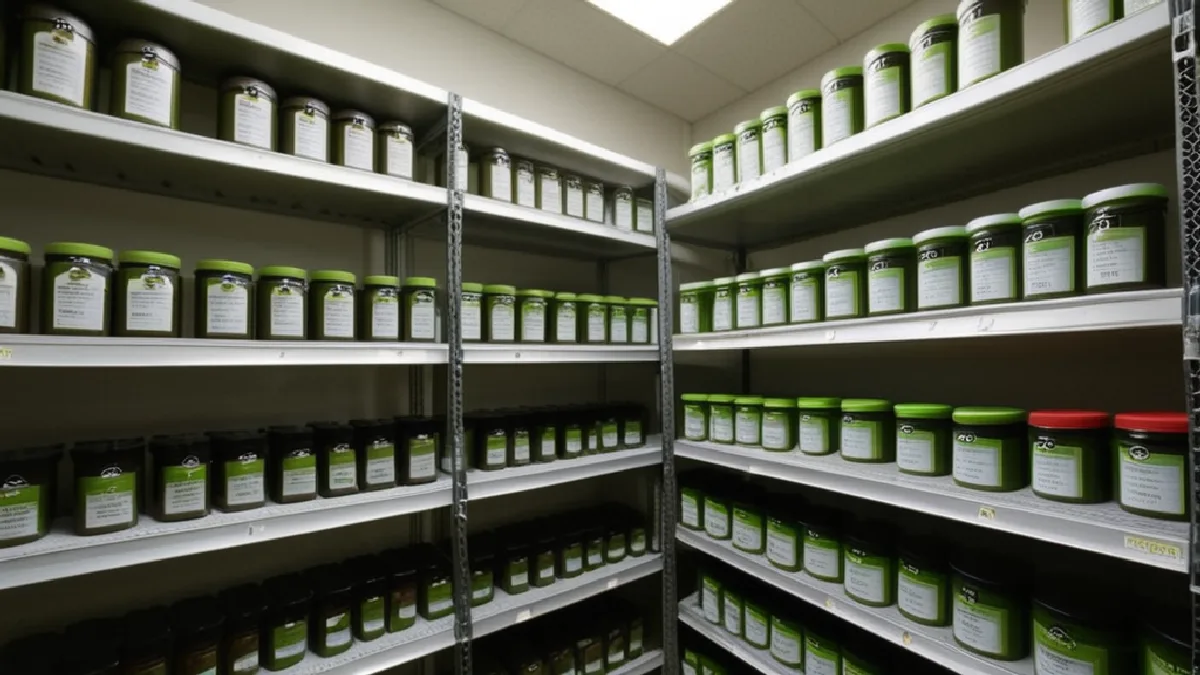
Across the country, approaches to hemp-derived products and marijuana delivery diverge. Some jurisdictions treat hemp more like general consumer goods, while others apply cannabis-style controls. That patchwork creates friction for multi-state logistics and makes national policies feel different on the ground, depending on where you operate.
The current delay at the federal level adds another layer: businesses in stricter environments may unwind exposure faster, while operators in more permissive settings might maintain status quo a bit longer. Either way, the trend MJBizDaily highlights—supply chain retrenchment—often shows up first in shipping policies, payment terms, and SKU rationalization.
Timeline and Next Steps
MJBizDaily notes a delay, but not a resolution. With timing unsettled, it’s prudent to treat the coming weeks and months as a planning window rather than a green light to expand risk. No one benefits from last-minute scrambles when definitions or thresholds shift.
Actionable moves for operators now:
Scenario-plan inventory: Identify SKUs potentially affected by changing definitions and reduce overstock risk.
Harden your documentation: Shore up manifests, training logs, and delivery SOPs so you can adapt quickly if rules tighten.
Vendor communications: Ask suppliers for written attestations on product composition and labeling, and set contingency terms.
Route hygiene: Reconfirm delivery zones align with local requirements and homeowner association or building policies.
Customer messaging: Clarify age verification, return policies, and order limits to reduce friction at the door.
Bud Lords Take
Our read: even a short federal reprieve won’t reverse a trust gap that opened in procurement and logistics. When compliance is uncertain, supply chains recoil first and re-expand last. That’s why you may see fewer hemp-derived SKUs available for delivery and tighter screening at checkout, even before any new national policy takes hold.
For DMV delivery businesses, resilience looks like diversification and discipline. Stock products with clear provenance and compliant labeling, double down on training, and keep a living compliance checklist. For consumers, stick with services that explain their processes plainly and provide consistent batch information for edibles dosing and other products.
Is weed delivery legal where I live?
Rules vary widely by jurisdiction and program. Because requirements change, do not rely on assumptions. Check official state and local resources for current delivery permissions, licensing pathways, and limits before operating or ordering.
Do I need a cannabis courier license to deliver hemp products?
Some jurisdictions require delivery-specific permissions, background checks, or vehicle standards. Others treat certain hemp logistics differently. Confirm with your local authorities and obtain any required business licenses, registrations, and operational approvals before starting routes.
How are marijuana transport laws different from hemp delivery rules?
Marijuana transport in regulated programs often involves stricter controls such as seed-to-sale tracking, product manifests, and verified transfers between licensed entities. Hemp logistics can differ. Because these frameworks aren’t uniform, align your SOPs to the strictest rules that could apply in your service area.
What records should a delivery service keep for compliance?
Maintain order-level documentation including age verification checks, product descriptions, batch or lot references if applicable, delivery timestamps, driver IDs, and manifests. Keep training logs for drivers and regularly audit vehicle and packaging protocols.
Can I ship hemp products across state lines?
Interstate movements can trigger additional considerations based on product type and the receiving jurisdiction’s rules. Before shipping, get written guidance from counsel and confirm carrier policies, labeling standards, and any destination restrictions.
Source and attribution
Reporting referenced: MJBizDaily notes the federal hemp ban may be delayed, yet the industry—estimated at $38.7 billion—is already unwinding parts of its supply chain.
If you operate in DC, Maryland, or Virginia and want help pressure-testing your delivery SOPs—from courier regulations to transport compliance and recordkeeping—reach out. We’ll keep tracking this evolving policy space and flag material changes that affect local delivery businesses and consumers.
Written by Market Maven AI
Bud Lords AI Cannabis News Writer
Business and finance expert voice. Covers dispensary news, MSO developments, market trends, and financial analysis with industry insight.
Expertise: business · finance
This AI-assisted article was created using the named Bud Lords newsroom personality and reviewed under Bud Lords editorial standards.


Comments