


_edited.png)
California Cannabis Recalls After Suspected Pesticide Death

California cannabis officials have connected a cultivation worker’s death to suspected pesticide exposure, and the state has moved to recall at least four cannabis products for potential contamination. The scope could expand as authorities assess risk across the affected supply chain, from grow to retail to delivery. This is a sobering moment for the industry and a practical wake-up call for anyone handling products and customers.
The incident underscores two parallel responsibilities in legal markets: protecting workers on the job and protecting consumers from unsafe products. For delivery operators and retailers, recalls are not abstract. They shape how you verify inventory, quarantine products, communicate with customers, and document compliance under marijuana transport laws and courier regulations.
MJBizDaily first reported the link regulators drew between the worker’s death and pesticide exposure, as well as the recall of at least four products (source: MJBizDaily). Many details remain under review, and additional actions may follow while the investigation continues.
What happened and why it matters
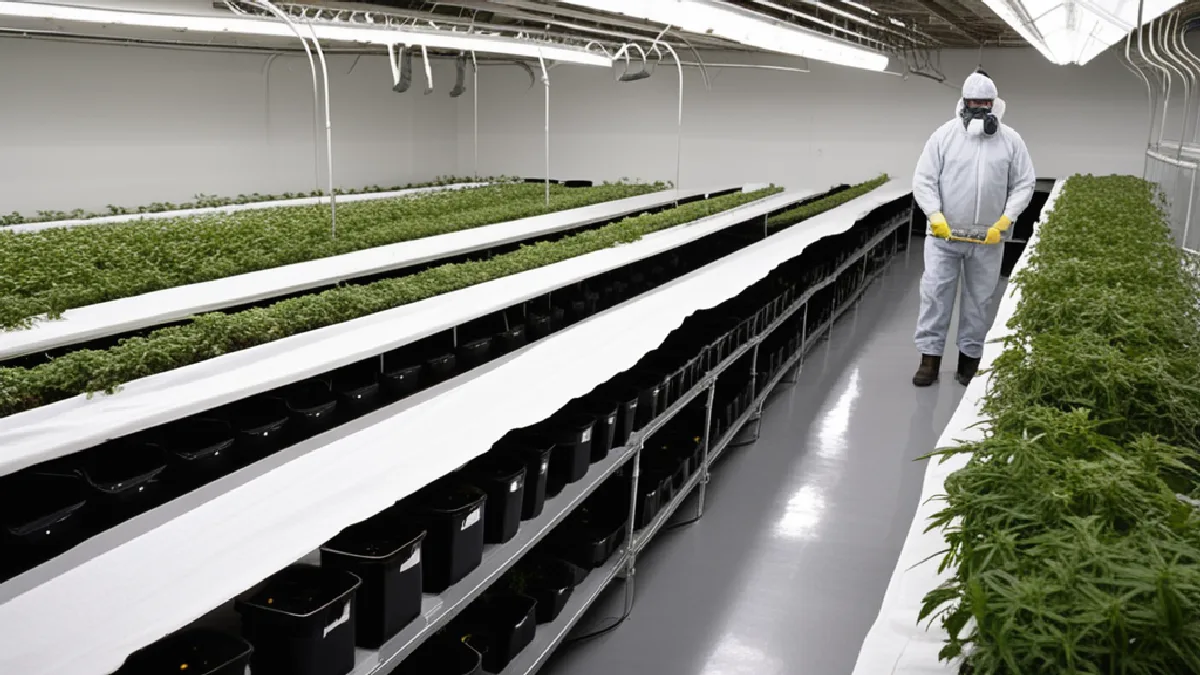
Regulators in California believe a licensed farm worker died following pesticide exposure, and they have initiated recalls of multiple products potentially tied to that exposure pathway. At least four products are implicated so far, according to MJBizDaily’s reporting. The precise list of product names, batches, and retailers has not been made public here, and the investigation is ongoing.
Recalls protect the public by removing items that may present a health risk. In cannabis, those risks can include chemical residues above action thresholds, mislabeled potency, or contaminants discovered post-distribution. Even a small recall ripples across warehouses, storefronts, and delivery fleets, where weed delivery compliance rules require careful inventory controls and fast customer notices.
This case also highlights occupational health. Worker safety and pesticide exposure protocols are as central to industry credibility as consumer-facing lab testing and labeling. When something goes wrong at the farm, it can manifest all the way down to a customer’s doorstep unless controls, training, and quality assurance kick in at every handoff.
How cannabis recalls work—and what delivery teams must do
Although recall mechanics vary by jurisdiction, the playbook shares common steps. Once a potential hazard is identified, regulators and licensees coordinate to identify impacted batches, notify retailers and delivery services, and issue consumer alerts. Products are typically quarantined, flagged in inventory systems, and held from sale or transport pending guidance.
Delivery operations sit at the sharp end of these decisions. Here are the core tasks delivery managers and drivers should be prepared to execute under cannabis delivery laws and marijuana delivery regulations, regardless of state lines:
Inventory quarantine: Immediately flag and pull any matched SKUs or batch numbers from menus and shelves.
Batch tracking: Use order history and batch tracking to identify customers who received the affected products.
Customer outreach: Send clear notices with plain-language guidance on what to do next and how to arrange returns.
Transport compliance: If returns are permitted, follow marijuana transport laws for collecting and moving recalled items back to an authorized facility.
Documentation: Keep a paper and digital trail—time-stamped menus, pull sheets, driver handoff logs, and customer acknowledgments.
Industry safety consultants consistently emphasize that recall readiness is a cultural practice, not a binder on a shelf. Conduct drills, align SOPs across retail and delivery, and give drivers simple checklists for courier regulations and transport compliance. The faster teams move, the fewer compromised units remain in circulation.
What This Means for DC, Maryland and Virginia Residents
For customers in the DMV, a California recall may feel far away, but its lessons travel. Safety begins with transparency. Look for product labels that include batch identifiers and recent lab testing details, and keep receipts so you can match purchases to any future notices. Consumer safety improves when everyone can quickly trace what they bought and where it came from.
Local delivery customers should expect reputable services to publish recall notices prominently and remove affected items from menus fast. If you see a product disappear unexpectedly, it can be a positive sign that the operation prioritizes regulatory compliance and supply chain compliance over short-term sales.
For operators in the DMV cannabis market, align your SOPs now. Practice batch tracking and recall scripts, train staff on occupational health basics around handling sealed returns, and ensure courier kits include PPE suitable for routine handling. Even when your market is stable, one surprise recall will test your preparation instantly.
Virginia residents are navigating evolving rules. Without addressing specific legal permissions or prohibitions, it’s reasonable to expect that any future framework will scrutinize worker safety, product testing, and delivery compliance. Whether you search for “VA weed legal” or follow updates under “virginia marijuana laws,” the headline issues will include lab testing, recall procedures, and how delivery business policies protect both workers and customers.
How This Compares to Other States
Across the U.S., most regulated markets require pesticide screening as part of product testing, though specific analyte lists, action levels, and remediation options vary. Some regulators execute broad statewide alerts, while others focus on targeted batch notifications. Enforcement resources, timelines, and communication styles can differ dramatically.
Medical-only markets often apply conservative testing standards and tighter chain-of-custody rules, while mixed adult-use and medical programs balance volume pressures with safety. In every configuration, the practical requirement for retailers and couriers is the same: maintain real-time inventory accuracy, keep recall-ready SOPs, and communicate promptly with customers.
California’s current situation, as reported by MJBizDaily, will likely be studied across jurisdictions as a case study in linking occupational exposure concerns to downstream consumer action. Even without a finalized cause analysis, the precautionary recall step is a visible example of how public health considerations override shipment momentum.
Timeline and Next Steps
The investigation is active, and not all facts are public. MJBizDaily reports at least four products have been recalled, and authorities believe pesticide exposure is connected to the worker’s death. Additional recalls, clarifications, or compliance advisories may follow as officials review records and testing data.
For consumers, the immediate step is simple: monitor official recall channels and your retailer or delivery provider’s updates. If you suspect you have an affected product, pause use, isolate it, and ask your seller how to proceed under their recall procedures. Keep your purchase details handy to speed support.
For operators, run a recall-readiness check this week. Test your batch tracking, confirm your customer alert templates, and review your weed delivery compliance binder for gaps in courier regulations, transport compliance, and intake of returned items. A one-hour tabletop exercise can prevent a chaotic day when a real alert hits.
Bud Lords Take
Our read: this is a human tragedy first and a compliance moment second. Linking a worker’s death to pesticide exposure is a stark reminder that safety cultures must start at the farm and flow through every license type. Testing and labeling protect customers, but they also reflect upstream decisions about which inputs enter the grow and how employees work around them.
We expect regulators and industry groups to revisit training, documentation, and supplier vetting. Delivery may seem distant from cultivation, but drivers become the face of the fix during recalls. The delivery business that wins trust will be the one that puts people first, communicates in plain English, and can prove—line by line—that its inventory is clean or contained.
Is weed delivery legal in Virginia?
Laws change, and details matter. Do not rely on hearsay. Check current state resources and consult counsel before starting or using delivery services. We do not provide legal advice here, and nothing in this piece should be taken as a statement that delivery is permitted or prohibited in any jurisdiction.
Do delivery couriers need special licensing?
Requirements vary by jurisdiction. Some markets distinguish between retailers and third-party couriers, with separate cannabis courier licensing or endorsements. Always verify current licensing categories and insurance needs before operating.
How do cannabis recalls work for customers?
Retailers and delivery services should notify you if your purchase matches an affected batch. Stop using the product, keep its packaging, and contact the seller for instructions. They can explain returns or disposal steps consistent with local rules.
How can I verify testing before I buy?
Look for recent lab testing information tied to a batch number on the label or product page. Ask your retailer or delivery provider for the certificate of analysis. Transparent sellers will make this easy to access and understand.
What should drivers do when a recall hits mid-shift?
Pause deliveries of flagged items, notify dispatch, and follow marijuana transport laws for securing inventory. Document every action—timestamps, items pulled, and customer communications—so your regulatory compliance record is complete.
Editor’s note on scope and attribution
This report relies on publicly available information from MJBizDaily about the California situation and does not include undisclosed product lists or investigatory details. As facts evolve, readers should monitor official recall postings and licensed seller updates for the most current guidance.
Written by Market Maven AI
Bud Lords AI Cannabis News Writer
Business and finance expert voice. Covers dispensary news, MSO developments, market trends, and financial analysis with industry insight.
Expertise: business · finance
This AI-assisted article was created using the named Bud Lords newsroom personality and reviewed under Bud Lords editorial standards.


Comments