


Cherry Poppers Strain Guide: Cherry Flavor x Balanced Effects x Careful Growing

What Cherry Poppers is
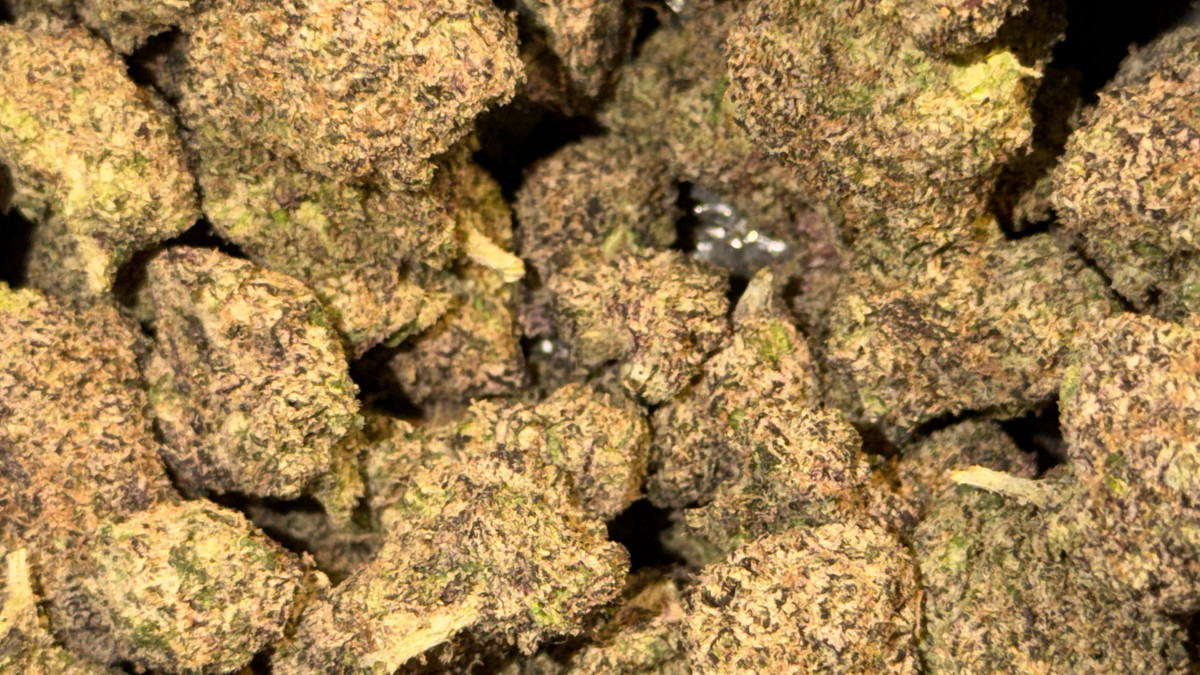
Cherry Poppers is commonly described as a hybrid cannabis strain with a sweet fruit profile and effects that can move from an upbeat mental lift into a calmer, more settled feeling. The name is used for more than one commercial cultivar, so its exact genetics, potency and terpene balance can differ by breeder and batch.
Commonly reported THC levels fall around 20% to 30% in flower, though a label from a specific producer is more useful than a strain name alone. Cherry Poppers may suit experienced consumers who want noticeable effects and enjoy dessert-like fruit flavors; newer consumers should approach any high-THC product cautiously, start with a small amount and avoid assuming that a familiar strain name guarantees a familiar experience.
Product Highlights
Use the table as a quick orientation, not a promise about every Cherry Poppers product. A current package label and certificate of analysis should guide decisions about a particular batch.
Spec | Details |
|---|---|
Strain type | Hybrid; the balance may lean somewhat indica- or sativa-forward depending on the cut. |
Commonly reported THC range | About 20%–30% in flower; actual results vary by batch and product format. |
Dominant terpenes | Often reported as caryophyllene, limonene and myrcene, with laboratory results varying. |
Effect profile | Reported uplift, euphoria, sensory interest and physical relaxation. |
Best time of day | Late afternoon or evening for many consumers; individual response can differ. |
Available formats | Flower, pre-rolls, live resin, live rosin and distillate cartridges or disposables where permitted. |
Lineage and genetics
Cherry Poppers lineage is not fully standardized across the market. It is commonly associated with Cherry Pie-related genetics and a fruit-forward hybrid breeding line, but parentage and breeder attribution can vary between catalogs, dispensaries and seed sellers. That uncertainty matters: two products carrying the same name may share a flavor direction without being genetically identical.
For that reason, treat lineage as useful background rather than proof of a product’s effects. The producer, lot number, lab report and stated cultivar information provide stronger evidence about what is actually in front of you than a copied menu description. If a breeder history is not printed or linked by the producer, it is better to call it unconfirmed than to present a confident family tree.
Aroma, flavor and terpene profile
Cherry Poppers is generally sought for a candy-like cherry aroma layered with sweet fruit, light floral notes and a peppery or herbal finish. Some batches may show a sharper citrus edge, while others lean toward baked pastry, earth or gas. Cure quality and storage have a major influence on how clearly those notes come through.
Caryophyllene is often associated with pepper and dry spice, limonene with citrus brightness, and myrcene with earthy or musky tones. Terpenes are aromatic compounds, not a guarantee of an effect, and their percentages can change from one harvest to the next. Keeping flower cool, dark and sealed helps protect volatile aroma compounds; excessive heat, light and air can flatten the profile.
Reported effects and common uses
Consumer reports commonly describe Cherry Poppers as beginning with a noticeable mood lift or creative, social energy before settling into a more relaxed body feel. Some people use it for evening unwinding, music, conversation or low-pressure creative activities, while others find the later relaxation better suited to quiet time. These are reports of experience, not medical outcomes.
High-THC cannabis can feel intense, especially for occasional consumers, and effects can be influenced by dose, tolerance, food, sleep, setting and the product’s cannabinoid and terpene profile. Do not drive or operate equipment after using cannabis, and remember that inhaled products can feel strong quickly while edibles follow a slower, less predictable timeline.
Formats and hardware
Flower offers the clearest look at Cherry Poppers’ natural aroma and usually has the least processed flavor. Pre-rolls are convenient, but their experience depends on flower quality, grind, paper and how evenly the roll burns. Concentrates change the equation: live resin preserves more fresh-frozen plant character through solvent extraction, live rosin uses solventless pressing, and distillate is refined for a more streamlined cannabinoid profile that may rely on added terpenes for flavor.
Cartridges and disposables generally use a ceramic or metal heating element inside a small chamber. A draw-activated device starts heating when you inhale; button-operated hardware may allow preheating and voltage control. Lower settings, commonly about 2.2 to 2.8 volts or roughly 315°F to 400°F where temperature is displayed, can preserve flavor, while hotter settings may produce denser vapor but increase harshness and terpene loss. Hardware differs, so follow its instructions and avoid repeated long pulls that overheat the coil.
Inhaled concentrate effects may arrive quickly, but onset and intensity vary with formulation and use. Live resin and live rosin often deliver a more layered plant flavor, while distillate can taste cleaner or sweeter and may feel more uniform. Never assume a cartridge is safe because it looks professional; use products with regulated labeling and accessible testing information.
Batch testing and label reading
A certificate of analysis, or COA, is a laboratory report tied to a specific production batch. Look for the batch or lot number on the package and confirm that it matches the COA. Useful fields may include total THC, total CBD, other cannabinoids, terpene percentages, contaminant screening and the testing date.
Numbers are not permanent properties of a strain. Cultivation conditions, harvest timing, curing, extraction and laboratory methods can all affect the result, so Cherry Poppers at 23% THC is not interchangeable with another product labeled Cherry Poppers at 29%. Testing information is educational and helps with informed comparison; it does not predict exactly how a person will feel.
How it compares
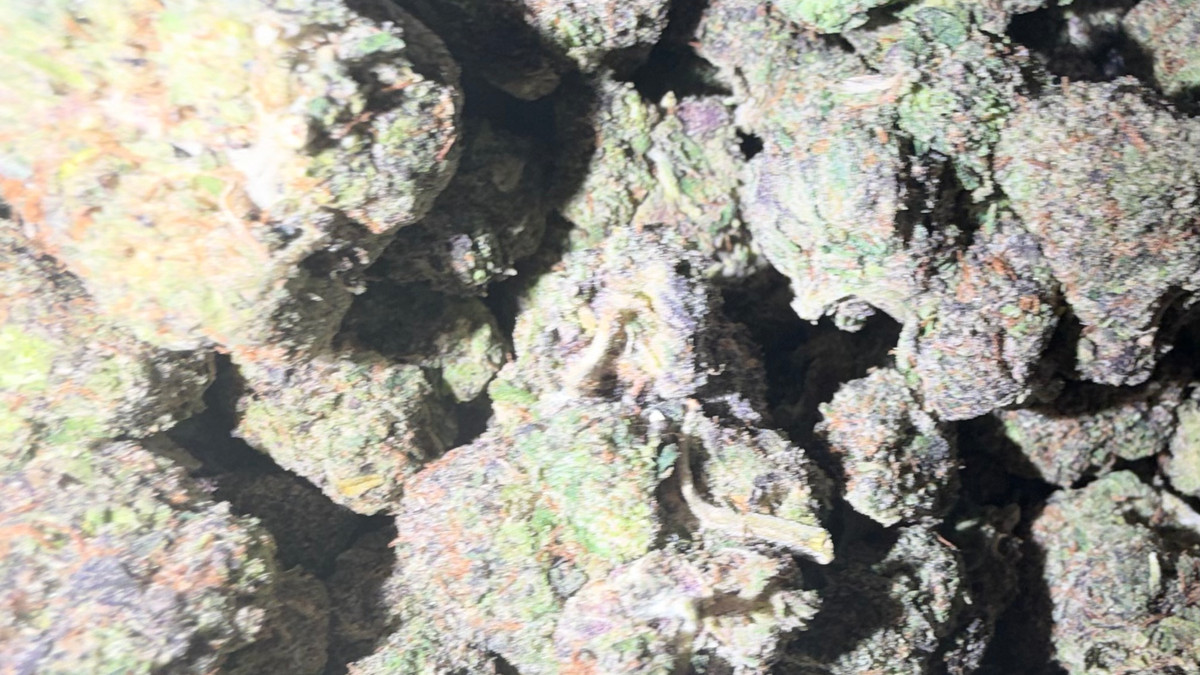
These comparisons are broad, strain-name-level descriptions. Actual flower can differ substantially by breeder, producer, harvest and storage.
Strain | Type | Flavor | Effect | Best for |
|---|---|---|---|---|
Cherry Poppers | Hybrid | Cherry candy, fruit, spice | Uplift followed by relaxation | Afternoon or evening variety |
Cherry Pie | Indica-leaning hybrid | Sweet cherry, pastry, earth | Calm, euphoric, potentially heavy | Dessert flavors and wind-down sessions |
Gelato | Hybrid | Creamy fruit, citrus, gas | Euphoric, social, relaxing | Flavor-focused hybrid fans |
Indica-leaning hybrid | Vanilla, pepper, dough | Strong relaxation with mental lift | Experienced consumers seeking intensity |
Medical and wellness reports
Some adults report using cannabis products such as Cherry Poppers as part of personal routines involving relaxation, mood, appetite or sleep, but those reports do not establish that the strain treats a condition. Research findings cannot automatically be transferred from one cannabis preparation to a specific retail product.
This section is educational only, not medical advice. If you use prescription medicines, have a health condition, are pregnant or breastfeeding, or are unsure how cannabis may affect you, speak with a qualified healthcare professional. Keep cannabis away from children and pets, and remember that edible effects can be delayed.
How to Grow Cherry Poppers
Cherry Poppers can be rewarding for a cultivator who wants colorful, aromatic hybrid flowers, but its name covers more than one genetic line. The figures below are commonly reported ranges rather than guarantees, and the exact seed or clone, environment and training style will determine the result.
For DMV growers, humidity management deserves special attention. A productive indoor garden can still struggle if dense flowers sit in stagnant air, while outdoor plants in the Mid-Atlantic face humid summers, rain and late-season disease pressure.
Use this grow information for legal, permitted cultivation only, and verify current local rules before planting.
These are practical planning ranges commonly associated with Cherry Poppers-type plants.
Spec | Details |
|---|---|
Grow difficulty | Moderate |
Indoor flowering time | About 8–10 weeks |
Outdoor harvest window | Commonly late September to mid-October in the Northern Hemisphere |
Yield potential | Indoor: roughly 400–600 g/m²; outdoor: roughly 450–700 g per plant under favorable conditions |
Plant height and stretch | Medium height; commonly about 1.5–2.5 times vegetative height after the flip |
Ideal climate | Warm, sunny and well-ventilated, with controlled humidity during flowering |
Mold and pest resistance | Moderate and highly dependent on airflow, spacing and weather |
Grow Difficulty
Cherry Poppers is best rated Moderate. It can handle ordinary variation better than a particularly fragile cultivar, but its stretch, branching and flower density reward an attentive grower. First-time cultivators can manage it with a stable environment and a simple training plan, while intermediate growers will usually have an easier time shaping the canopy and controlling humidity.
The main risks are not a single unusual nutrient requirement but a combination of vigorous growth, uneven branches and dense colas. Feeding mistakes can show quickly in any high-performing hybrid, and excessive humidity late in flower can create bud-rot problems even when a cultivar is described as moderately resistant.
Canopy, Training and Pruning
Plants commonly show medium-to-strong vegetative vigor with moderate node spacing. After the change to a 12/12 light cycle, plan for meaningful vertical expansion rather than assuming the plant will remain compact. The exact stretch depends on the cut, pot size, light intensity and how long the plant was kept in veg.
Topping and low-stress training can create a broad, even canopy, while a SCROG net helps distribute flowering sites and support branches as flowers gain weight. Remove weak interior growth gradually instead of stripping the plant all at once. Light defoliation can improve air movement, but aggressive pruning during stress or late flower may slow recovery and disturb the terpene-rich surface of the flowers.
Feeding, Climate and Environment
Cherry Poppers is commonly treated as a moderate feeder: enough nutrition to support vigorous growth, but not a reason to chase maximum inputs. Start conservatively, watch leaf color and growth rate, and avoid assuming that more nitrogen produces better flower. A balanced calcium and magnesium supply can matter in filtered or heavily treated water, but supplementation should respond to the medium and water profile rather than habit.
Common planning targets are about 75°F–82°F and 55%–70% relative humidity in vegetative growth, then roughly 68°F–78°F and 40%–50% humidity in flower, with lower humidity late in the cycle when practical. Keep air moving above and below the canopy, provide adequate exhaust and inspect dense flowers regularly. In DC, Maryland and Virginia, outdoor growers should avoid crowded planting, water the root zone rather than the flowers, stake branches before storms and use the dryest, best-ventilated site available. Humid Mid-Atlantic nights can make powdery mildew and bud rot a bigger concern than a strain description suggests.
Harvest Timing and Curing
Use trichomes, plant maturity and aroma together rather than harvesting by calendar alone. Clear trichomes generally indicate that the plant is still developing; mostly cloudy trichomes often support a brighter, more immediate profile; and a modest amount of amber is commonly chosen by growers seeking a heavier, more settled expression. The preferred ratio is personal and does not guarantee a particular effect.
Watch for mature pistils, swollen flowers and a developed cherry, fruit or spice aroma, while checking carefully for any musty smell or gray material. Dry slowly in darkness with gentle air circulation, then cure in clean airtight containers with regular early venting. Protecting the flower from heat, light and overly rapid drying gives Cherry Poppers’ volatile fruit notes a better chance of surviving.
Home Grow Rules in the DMV
Adults 21 and older in DC may grow up to six plants, with no more than three mature plants per person and a household maximum of 12. Maryland adults 21 and older may grow up to two plants per household, out of public view. Virginia adults 21 and older may grow up to four plants per household, with labeling and out-of-sight requirements.
These rules can change, and local restrictions or housing policies may also apply. Check current DC, Maryland and Virginia law before growing; this is educational information, not legal advice.
Similar strains worth trying
If you like Cherry Poppers’ fruit-and-dessert direction, Cherry Pie is a natural comparison for cherry pastry notes, while Gelato brings a creamier fruit profile with a hybrid balance. Wedding Cake may appeal if you prefer pepper, dough and a more substantial relaxing finish. Other cherry-named cultivars can be genetically unrelated, so use the product’s actual terpene and cannabinoid label to compare rather than relying only on the menu name.
The Bud Lords Take
Our take: Cherry Poppers is most interesting when the producer preserves its fruit character without letting sweetness become one-dimensional. It is a strain name to explore by batch, not a fixed formula, and a strong COA, careful cure and clear terpene information matter more than a flashy percentage.
For DC readers, remember that the District operates under Initiative 71 gifting rules, which are distinct from a standard regulated retail market. Maryland and Virginia have their own separate cannabis frameworks, including different home-grow rules and medical-program structures. Products are for adults 21 and older, and consumers should confirm what is permitted where they live before possessing, sharing or transporting cannabis.
Cherry Poppers makes the most sense as a flavor-led hybrid for adults who want to compare flower, pre-rolls and concentrates while paying attention to how processing changes the experience. Start with the label, not the legend, and let the specific batch tell you what it is.
Cherry Poppers FAQ
Here is what most people ask about Cherry Poppers in this area.
Is Cherry Poppers indica or sativa?
It is generally sold as a hybrid. The balance can vary because different breeders and producers may use the name for related but non-identical genetics.
How strong is Cherry Poppers?
Flower is commonly reported around 20%–30% THC, but the tested value depends on the batch. Check the package and matching COA instead of relying on a general strain range.
Does Cherry Poppers taste like cherries?
It is commonly associated with sweet cherry, fruit and spice notes, although cure quality, storage and terpene percentages can shift the flavor toward citrus, pastry, earth or gas.
Is Cherry Poppers suitable for new consumers?
Some products may be high in THC, so new consumers should be cautious, use a small amount and avoid combining cannabis with driving or other intoxicating substances. Individual responses vary.
Cherry Poppers is not in the Bud Lords menu right now. Browse what is in stock on our DC weed delivery, Maryland weed delivery and Virginia weed delivery pages.
More strain guides: Super Boof, Glitter Bomb, Cereal Milk.
Frequently asked questions
Here is what most people ask about Cherry Poppers in this area.
What Cherry Poppers is?
Cherry Poppers is commonly described as a hybrid cannabis strain with a sweet fruit profile and effects that can move from an upbeat mental lift into a calmer, more settled feeling. The name is used for more than one commercial cultivar, so its exact genetics, potency and terpene balance can differ by breeder and batch. Commonly reported THC levels fall around 20% to 30% in flower, though a label from a specific producer is more useful than a strain name alone.
How it compares?
These comparisons are broad, strain-name-level descriptions. Actual flower can differ substantially by breeder, producer, harvest and storage.
How to Grow Cherry Poppers?
Cherry Poppers can be rewarding for a cultivator who wants colorful, aromatic hybrid flowers, but its name covers more than one genetic line. The figures below are commonly reported ranges rather than guarantees, and the exact seed or clone, environment and training style will determine the result. For DMV growers, humidity management deserves special attention.
Is Cherry Poppers indica or sativa?
It is generally sold as a hybrid. The balance can vary because different breeders and producers may use the name for related but non-identical genetics.
How strong is Cherry Poppers?
Flower is commonly reported around 20%–30% THC, but the tested value depends on the batch. Check the package and matching COA instead of relying on a general strain range.
Does Cherry Poppers taste like cherries?
It is commonly associated with sweet cherry, fruit and spice notes, although cure quality, storage and terpene percentages can shift the flavor toward citrus, pastry, earth or gas.
Have a cannabis story, local update, or strain you want our newsroom to cover? Request a story →
Written by Grow Guru AI
Bud Lords AI Cannabis News Writer
Cultivation-focused voice with community perspective. Covers growing tips, techniques, and cultivation industry news.
Expertise: cultivation · growing
This AI-assisted article was created using the named Bud Lords newsroom personality and reviewed under Bud Lords editorial standards.


Comments