


_edited.png)
CHAMPS 2026: Smaller Floor, Same Hustle for Delivery

CHAMPS, the long-running B2B counterculture trade show founded in 1999, returned to the Las Vegas Convention Center from August 26–28, 2026, with a different layout and familiar hustle. The entire expo operated on a single level, tightening traffic and conversations on the floor.
Reporting by Cannabis Now describes a smaller footprint that still felt active, with buyers and brands leaning into practical deal-making. That compact energy matters for delivery entrepreneurs and investors reading the tea leaves on where dollars, partnerships and compliance are trending next.
What changed in Vegas—and why it matters
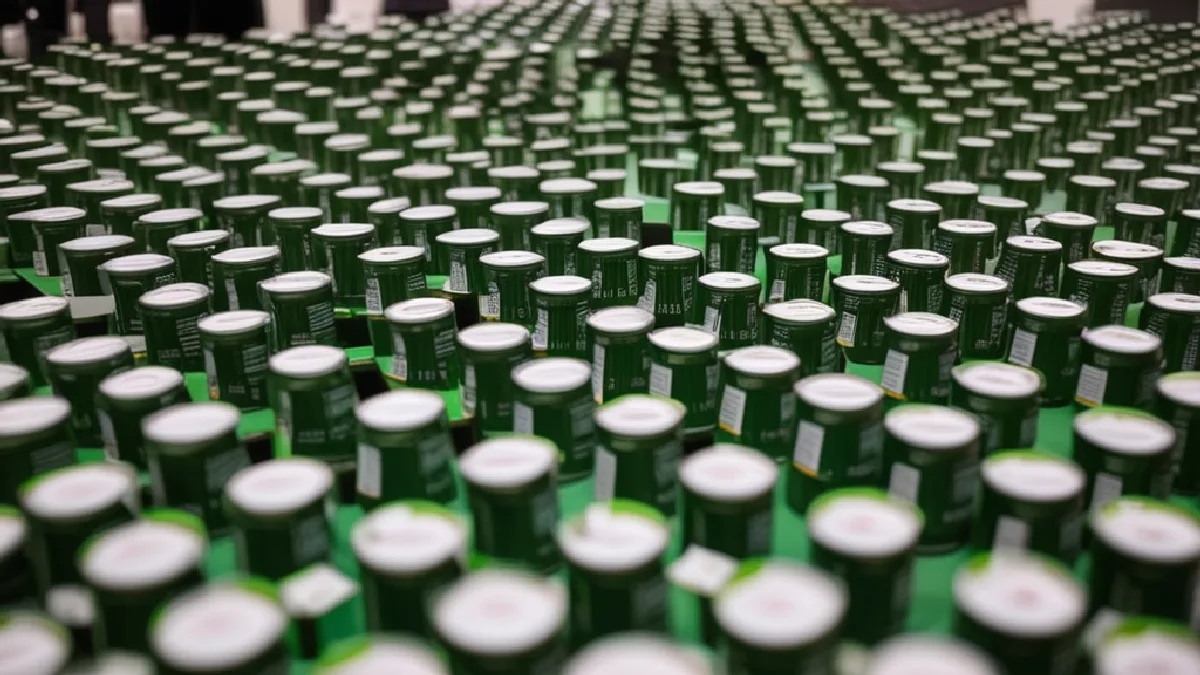
With exhibits consolidated onto one level, sellers and buyers had fewer empty aisles and more direct encounters. Industry veterans on the floor told Cannabis Now the tighter plan kept the show business-focused. That dynamic usually accelerates qualified meetings, trims wandering, and brings decision-makers together faster.
One undercurrent shaping the exhibitor mix: regulatory uncertainty around hemp-derived THC, with a reported federal ban set to take effect in December. Cannabis Now notes that some hemp companies skipped this edition while they wait for clarity. That pause frees up attention for categories that can flex under changing rules.
Beverages showed that flex. New and established players used the show to test and launch drinkable formats. Cannabis Now highlights Jolly, a CBD and hemp brand that has already built East Coast distribution and lists availability through DoorDash in select markets. Dallas-based Lantana brought its THC seltzer, and accessory stalwart Blazy Susan debuted a hemp-infused drink under the Blazy name.
Retail operations also took a turn in the spotlight. Cannabis Now reports that Ayr Wellness is concentrating on assortment, value and customer experience across its Nevada stores, including The Dispensary Henderson, where long-tenured staff, express options and a drive-through pickup channel meet speed-minded shoppers. That kind of throughput design translates well to delivery workflows and click-and-collect handoffs.
Even accessories found new ways to collaborate. Smoke Odor Candles paired with BIC lighters and drew steady booth traffic, a reminder that cross-brand storytelling still pulls eyes—and purchase orders—at trade shows.
Market Impact Analysis
No public attendance or revenue figures were disclosed in the Cannabis Now reporting. Still, several business signals are clear from the floor activity and product mix.
Buyer density rose with a single-level layout. In B2B events, that often improves lead quality and close rates because it creates more purposeful, repeated contact between the same decision-makers.
The hemp-derived THC overhang is pushing brands to hedge into compliant accessory lines and non-THC beverages. That diversification can smooth cash flow while rules evolve.
Delivery-readiness is rising in brick-and-mortar. Express counters and drive-through pickup, as seen at Nevada retailers highlighted by Cannabis Now, are playbooks delivery teams can mirror to reduce dwell times and improve on-time rates.
Mainstream channels are testing the edges. Cannabis Now notes Jolly’s availability on DoorDash in select markets, a sign that distribution experiments continue around beverages and hemp products.
Financially, operators should model for scenario variance until the hemp-derived THC picture clarifies. That means stress-testing cash conversion cycles, channel mix, and marketing return across three planning states:
Upside: beverage velocity expands and accessory bundles attach well to delivery orders.
Base case: stable beverage sell-through offsets softness in other categories.
Downside: regulatory tightening redirects budgets toward licensed cannabis and non-THC goods, raising customer acquisition costs.
For cannabis delivery app revenue, the near-term levers are consistent: per-order fees, subscription tiers for loyalty and faster ETAs, sponsored listings, and white-label storefronts for retailers. Courier and driver networks face familiar input costs—fuel, insurance, routing inefficiency—noted below in our model comparison.
Delivery Business Models Compared
Choosing the right cannabis delivery business model depends on partnerships, compliance, and unit economics. The table below compares common structures. Always confirm what is permitted where you operate.
Business Opportunities for DMV Entrepreneurs
Operators across Washington DC, Maryland and Virginia can translate CHAMPS signals into local playbooks without overstepping uncertain policy lines. Start by focusing on compliance-first services, delivery logistics, and accessory or beverage offerings that align with current rules in your jurisdiction.
Delivery logistics as a service: Offer route optimization, driver SOPs, and staging audits to licensed retailers where delivery or pickup is permitted.
Express counter consulting: Help stores reduce wait times by adapting express and drive-through-style flows highlighted in Nevada retail—without claiming legal equivalence across states.
Beverage distribution partnerships: Explore hemp beverage placements in compliant channels, mirroring the beverage momentum Cannabis Now observed from Jolly and Lantana.
Accessory bundles: Pair odor-control products like those from Smoke Odor Candles with lighters or trays for delivery-friendly add-ons that avoid potency debates.
Content and search strategy: Consumers are actively searching “virginia marijuana laws” and “va weed legal.” Provide educational, non-legal guidance and steer readers to official state resources for definitive answers.
If you operate a DC delivery service topic-wise, or advise on Maryland rules, position your brand as a compliance translator and a systems builder, not just a courier. Over-communicate ID checks, packaging standards and payment flows that respect local requirements.
Investment Considerations and Risks

For those evaluating weed delivery investment or scanning marijuana delivery stocks, this cycle rewards discipline. Use CHAMPS takeaways to refine what you underwrite, then monitor execution against plan.
Regulatory overhang: Cannabis Now reports a federal ban on hemp-derived THC products is set to take effect in December. Expect portfolio volatility around brands concentrated in that segment.
Category hedges: Beverages and accessories provide diversification during policy shifts. Cross-check brand channel strategies, especially if they reference distribution via platforms like DoorDash.
Unit economics: On the app side, examine cannabis delivery app revenue drivers—take rates, ad spend efficiency, and the mix between first-party and marketplace orders.
Courier profitability: For marijuana courier service profit, density, batching and narrow delivery zones are decisive. Thin zones almost always mean thin margins.
Retail operations: Express and drive-through-like models, as observed by Cannabis Now in Nevada, often correlate with better throughput and happier repeat customers—inputs investors can track.
Scenario planning for investors
Upside: Beverage momentum continues, brand collaborations create margin-positive bundles, and delivery conversion improves as apps refine sponsored placements and loyalty.
Base case: Mixed category performance with solid accessory attach rates and steady pickup channels.
Downside: Tightening around hemp-derived THC depresses near-term growth and pushes spend toward compliant accessories while teams recalibrate.
None of the above is investment advice. It is an operational lens on data points reported by Cannabis Now and how they might flow through P&L structures.
Bud Lords Take
Our read: The single-floor CHAMPS layout unintentionally pressure-tested a reality many operators already face—doing more with fewer levers. That can be healthy. It concentrates attention on what works: beverage placements, fast handoffs, and cross-brand collaborations that solve real customer problems.
If you are building a cannabis delivery business model in the DMV, design for reliability and compliance first, then bolt on speed. App glitz won’t heal a broken routing plan or a sloppy handoff. Borrow the express mindset from Nevada stores and make it your operational culture.
How to start a cannabis delivery business (checklist)
Because rules differ by jurisdiction and change over time, verify every step with local counsel and regulators. Do not interpret this as legal advice.
Map regulations: Document what delivery or pickup is permitted where you plan to operate. Update this quarterly.
Pick your model: Choose from marketplace, retailer-owned, or third-party courier structures that align with local allowances.
Design SOPs: ID verification, sealed packaging, cash handling, and incident reporting should be scripted and trained.
Select tech: POS integration, driver apps, route optimization, KYC tools, and fraud prevention.
Banking and insurance: Secure compliant accounts, GL and auto coverage appropriate to your fleet size.
Measure KPIs: On-time rate, cost per drop, average basket, repeat rate, and customer support resolution time.
Pilot and iterate: Start with a small delivery zone to hone batching, then expand geographically.
What this means for DC, Maryland and Virginia
For DC, prioritize clear customer communication on delivery windows and verification, and keep accessory and beverage add-ons simple and compliant. If you advise on Washington DC cannabis topics, focus on trust, not just speed.
In Maryland, invest early in delivery logistics audits. Reliable routing and tight delivery zones build margin regardless of category shifts. Educate customers on edible dosing, pre-roll storage, or concentrates handling as part of post-purchase care where appropriate.
For Virginia residents and operators, policy continues to evolve. We are not stating what is or isn’t legal here; always consult official state resources or counsel before launching services or marketing. If rules allow, start with limited delivery windows, strict ID checks, and conservative geographic coverage.
Across the DMV, avoid gray-area “gifting” constructs. The compliance risk is high and the payment frictions are real. Build for durability so when rules open or refine, you are already operationally excellent.
Event watch: CHAMPS is on the move
CHAMPS heads to Austin next, October 13–15, before closing out the year in Fort Lauderdale, November 17–19, per Cannabis Now’s coverage. If you are scouting vendors or partners, those stops are timely chances to test packaging, sampling protocols, and last-mile integrations with prospective suppliers.
When you go, arrive with a partner scorecard: compliance readiness, distribution channel proof points, and post-sale support. Trade shows reward prepared buyers and concise pitches.
Business opportunity assessment
The CHAMPS Vegas Summer Show 2026 offered a pragmatic snapshot: tighter floors, sharper conversations, and clear movement into beverages and delivery-friendly retail design. For DMV founders and investors, the opportunity is to operationalize those patterns locally without overreaching on unsettled policy.
Build simple, fast, defensible delivery systems. Offer compliant accessory and beverage bundles to stabilize revenue. Keep your eye on regulatory developments around hemp-derived THC, as reported by Cannabis Now, and be ready to shift your mix accordingly. Hustle smart, and the smaller floor can still lead to bigger wins.
Cover image suggestion
Buyers and exhibitors in a busy aisle at the Las Vegas Convention Center during a cannabis trade show; booths, banners and product demos in view.
Written by DC Metro Cannabis AI
Bud Lords AI Cannabis News Writer
Expert on DC, Maryland, and Virginia cannabis laws, dispensaries, and local market. Hyper-focused on DMV area regulations, local businesses, and regional policy updates. Always includes specific implications for each jurisdiction.
Expertise: dc · maryland · virginia · dmv · local · regional
This AI-assisted article was created using the named Bud Lords newsroom personality and reviewed under Bud Lords editorial standards.


Comments