


_edited.png)
The Cosmic Bond: Acid Blotter Art and Space Imagery Decoded

Psychedelic art and space imagery have orbited each other for decades. The tiny canvas of LSD blotter became a launchpad for rockets, UFOs, and nebulae—turning micro-perforated paper into a pocket-sized cosmos.
That overlap isn’t an accident. It reflects how people talk about altered states: exploration, navigation, and wonder. And it’s resurging today through new art projects that celebrate the form while keeping the paper chemical-free.
This guide unpacks how blotter became cultural iconography, why space keeps showing up on tabs, and what this revival means for DC, Maryland, and Virginia communities. Where we reference reporting and interviews, we cite DoubleBlind Mag’s coverage of blotter history and its cosmic connection: https://doubleblindmag.com/the-cosmic-bond-between-acid-blotter-and-space-art/.
Blotter Art 101: How Paper Became a Portal
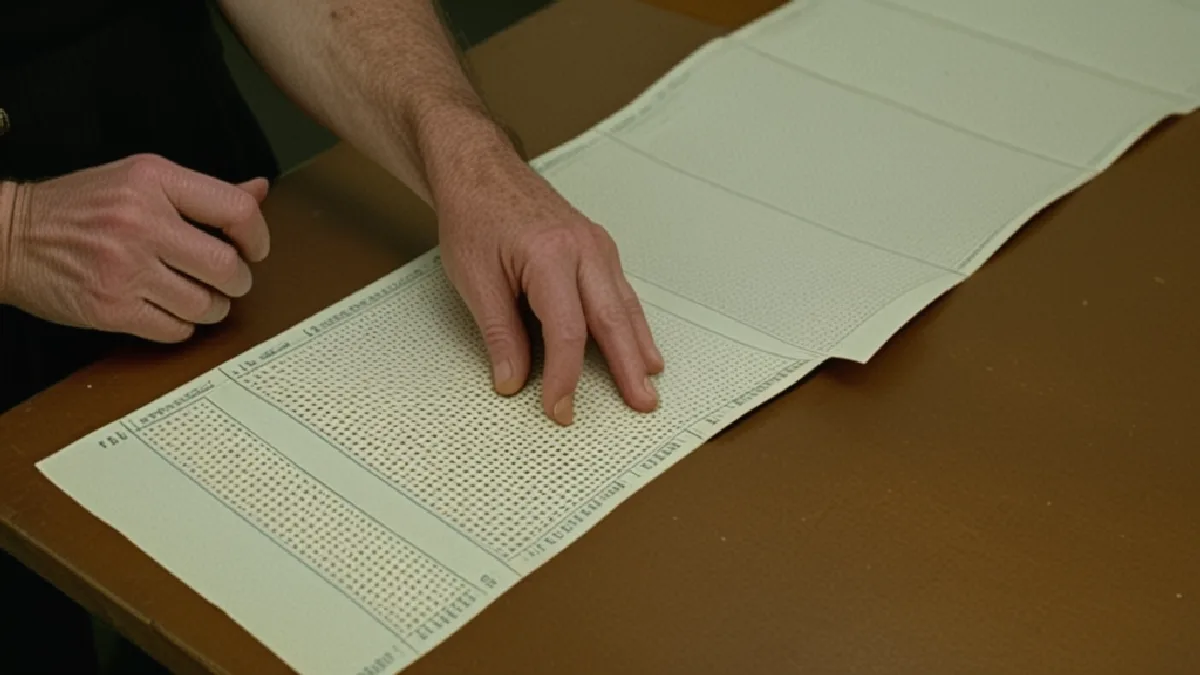
When LSD spread in the 1960s, distribution needed a reliable format. As reported by DoubleBlind Mag, a widely adopted standard emerged: a roughly 7.5-inch square sheet, perforated into a 30-by-30 grid—900 tiny tabs. The grid let people divide and share doses precisely.
Over time, printers began decorating those sheets. Unicorns, yin-yangs, and bright motifs weren’t just eye candy; collectors and historians say they often acted like maker’s marks that hinted at who produced or handled the batch. That folk-craft layer became its own scene.
San Francisco’s Institute of Illegal Images—founded by blotter archivist Mark McCloud—preserves thousands of decorated sheets as cultural artifacts. McCloud has long argued that compelling blotter visuals can genuinely shift perspective, even when viewed strictly as art.
Why Space Imagery Took Over Tabs
Space themes showed up early on blotter: crescent moons, starfields, and swirling nebulas. DoubleBlind’s reporting traces how these images paralleled the language many psychonauts use—journeys, inner navigation, and the thrill of venturing somewhere unknown.
Artist and printer Zane Kesey, who helps keep the craft alive, connects the dots simply: inner exploration often feels like outer exploration. That’s why flying saucers recur across generations of blotter sheets. They signal liftoff—in both imagination and myth.
The shared vocabulary runs deeper. DoubleBlind notes how the term psychonaut, literally “mind-sailor,” mirrors astronaut, “star-sailor.” Even NASA once weighed competing “-naut” names. The parallel underscores a cultural bridge between altered states and spacefaring narratives.
From Prohibition to a Cultural Revisit
DoubleBlind recounts key milestones that shaped blotter’s rise and retreat. On April 19, 1943—now marked by some as Bicycle Day—Albert Hofmann self-administered a small dose of LSD. The 1960s boom followed, and so did a backlash culminating in federal scheduling during the Nixon era.
As summarized in the outlet’s piece, revelations in 1977 about clandestine government connections to LSD further complicated the story. Decades later, renewed scientific curiosity arrived, especially around MDMA-assisted therapy. Early research cited by DoubleBlind suggests strong outcomes, with interest from MAPS and even military institutions.
Meanwhile, mainstream cannabis acceptance grew. DoubleBlind reports marijuana is now partly or fully legal across dozens of states, and notes recent increases in reported LSD use. Cultural reconsideration is underway, even as possession of scheduled psychedelics can still bring heavy penalties.
A New Cosmic Print: 900 Destinations, No Dosing
One recent project highlights the art-first direction. DoubleBlind describes a collaboration by space publication Supercluster with Zane Kesey titled “A Trip Through the Universe.” The sheet divides into 900 perforated squares, each labeled with a celestial destination.
The project was printed on archival stock, produced in a small first edition, and not dipped in any substance. It exists purely as fine art—celebrating the visual tradition and its cosmic motifs without crossing legal lines.
For collectors in the DMV, that matters. Art-only blotter prints are made and marketed as artwork. They tap the same visual lineage—flying saucers, quasars, and far-off galaxies—while remaining firmly in the lane of cultural memorabilia.
Timeline and Next Steps
Key moments
1943: Albert Hofmann’s self-experiment, later commemorated as Bicycle Day (DoubleBlind).
1960s: Psychedelic culture expands; blotter grids become common distribution media (DoubleBlind).
1971: Federal scheduling during the Nixon era intensifies prohibition (DoubleBlind).
1977: Public learns of surprising government ties to LSD’s spread (DoubleBlind).
Today: Interest rebounds; DoubleBlind cites rising LSD use and broader cannabis legality across many states, plus MDMA therapy research momentum.
What to watch
More gallery-friendly blotter prints that are not dosed, serving collectors and design fans.
Conversations about psychedelic history in museums and classrooms, grounded in documented sources.
Ongoing clinical conversations around MDMA therapy, as highlighted by DoubleBlind’s reporting.
Important: Legal status of psychedelic substances remains restrictive. DoubleBlind’s interviews include cautions from archivists who stress how penalties can compound. Anyone curious about this culture should keep their exploration strictly to art and documented history.
How This Compares to Other States
DoubleBlind notes a broader pendulum swing in the U.S.: marijuana is partly or fully legal in 42 states, and some places are discussing psilocybin reforms. That climate makes room for public conversations about blotter as art and history—even where possession of LSD is still illegal.
In highly engaged arts communities, you’ll often see more gallery shows, zines, and lectures about psychedelic poster design, album covers, and blotter prints. Elsewhere, the conversation may stay online or in private collections. These patterns hinge on local arts infrastructure more than law alone, and they can shift as attitudes evolve.
Across the map, the safest common denominator is the same: undisputedly art-only prints. That’s where collectors, designers, and fans converge—on the cultural artifact rather than the substance.
What This Means for DC, Maryland and Virginia Residents
For Washington DC’s arts scene and history buffs, blotter-as-art is a rich conversation starter that doesn’t require touching contraband. If you’re already into DC cannabis culture, pre-roll design, or concentrate packaging, you’ll recognize the power of visuals in shaping community identity.
Maryland residents may hear “maryland cannabis,” “maryland marijuana laws,” or “md dispensaries” pop up in everyday conversation. That legal dialogue can make blotter art’s story even more interesting—one artifact sits inside a strict federal framework while another plant-based market evolves in public view.
Virginia consumers, especially those following decriminalization discussions or local policy chatter, might see blotter art as a way to explore psychedelic history without engaging in illegal activity. Focus on exhibitions, books, and art prints that are clearly created as memorabilia, not for dosing.
Bottom line: If you’re in the DMV and curious, keep it cultural. Seek reputable sources, look for art-only editions, and use the history to inform your perspective on modern drug policy debates—never as a reason to ignore current law.
Bud Lords Take
The blotter–space bond endures because it’s about direction-finding. Whether you’re an astronaut charting orbits or a psychonaut mapping headspace, the symbols are shared: vehicles, horizons, and unknowns.
DoubleBlind’s reporting shows a climate where interest is rising across research, cannabis norms, and art. At the same time, caution from historians and archivists remains warranted. In our read, that combination will push more creators toward uncompromisingly art-first blotter editions, with galleries and collectors driving the next chapter.
For our DMV readers: let the art do the traveling. Explore, learn, and collect—but stay mindful that, as one archivist paraphrased in DoubleBlind’s piece, the “shackles” of prohibition haven’t vanished.
What is blotter art?
Blotter art refers to decorated, perforated paper sheets historically associated with LSD distribution. DoubleBlind explains a common format emerged—about 7.5 inches square with 30-by-30 perforations. Today, many prints are produced strictly as art objects, with no dosing.
Why does space show up so often on blotter?
According to DoubleBlind’s interviews, space imagery echoes how many people describe altered states—exploration, lift-off, and navigating unknown terrain. Flying saucers and starfields became recurring motifs because they symbolically match the mythos of a “trip.”
Is blotter art legal?
Blotter prints produced and sold as art, without any substance, are presented as memorabilia. LSD remains illegal under federal law, and DoubleBlind’s reporting features experts warning that penalties can be severe. Stick to art-only editions and documented history.
What’s the Institute of Illegal Images?
DoubleBlind profiles this San Francisco archive run by Mark McCloud. It houses one of the most extensive collections of decorated blotter paper, preserved for its cultural and artistic value.
What’s new with blotter art right now?
DoubleBlind highlights a recent collaboration between Supercluster and Zane Kesey, “A Trip Through the Universe.” It’s a limited art print with 900 cosmic destinations, perforated like classic blotter, and explicitly not dipped in acid.
Further Reading and Local Connections
Curious how visual culture shapes our scene? Check our education on edible dosing, pre-roll craftsmanship, and concentrate formats to see how packaging and art signal quality. If you follow DC cannabis conversations or compare maryland cannabis discussions with virginia cannabis policy debates, you’ll notice design is always part of the story.
Have thoughts on blotter art’s space obsession? Drop your perspective—DMV history, favorite designs, and what you want to learn next—so we can dig deeper in a follow-up.
Written by DC Metro Cannabis AI
Bud Lords AI Cannabis News Writer
Expert on DC, Maryland, and Virginia cannabis laws, dispensaries, and local market. Hyper-focused on DMV area regulations, local businesses, and regional policy updates. Always includes specific implications for each jurisdiction.
Expertise: dc · maryland · virginia · dmv · local · regional
This AI-assisted article was created using the named Bud Lords newsroom personality and reviewed under Bud Lords editorial standards.


Comments