


_edited.png)
Dads Making Fatherhood Their Psychedelic Integration — DMV

Fatherhood can feel like an initiation: exhausting, disorienting, and profoundly meaningful. Some dads say psychedelic experiences helped them meet that moment with more patience, presence, and humility—when used responsibly and away from active caregiving.
DoubleBlind Mag recently spotlighted fathers reflecting on how psychedelics shaped their approach to parenting, from increased compassion to deeper self-inquiry. The piece also referenced research, including a Johns Hopkins study reporting many participants ranked a psilocybin session among the most significant experiences of their lives, as well as a Nature study exploring brain network changes after psilocybin (DoubleBlind Mag).
We’re not here to glorify substances or to give legal or medical advice. We are here to unpack what “psychedelic integration” means for dads, how cannabis fits into mindful parenting, and how families in Washington DC, Maryland, and Virginia can think through safety, ethics, and community support.
What dads mean by “psychedelic integration”

Integration is the ongoing process of translating insights from a non-ordinary experience into everyday behavior. For fathers, that might look like slowing down, apologizing sooner, listening more closely, or setting healthier boundaries at work to be present at bedtime.
As reported by DoubleBlind Mag, several dads described low-dose or microdose contexts as more compatible with busy family life than heroic doses. Others emphasized that simply doing the inner work—journaling, therapy, breathwork, and community support—can be as transformative as ingesting anything.
Integration is not a weekend project. It’s the unglamorous repetition of small, family-first choices: the morning check-in, the screen-time reset, the walk outside instead of the doom-scroll. The goal is behavior change in service of safer, more loving homes.
Safety, ethics, and clear boundaries
Three ground rules came through in the reflections highlighted by DoubleBlind Mag: never use intoxicants while actively responsible for a child, prioritize set and setting if you choose to explore, and plan for sober support. Parenting requires readiness to respond instantly; any substance use should occur far from caregiving windows.
“Set and setting” remains foundational. That includes emotional state, environment, intentions, and trusted support. Several voices emphasized that responsibility expands, not shrinks, after profound experiences. Integration looks like consistency, not novelty.
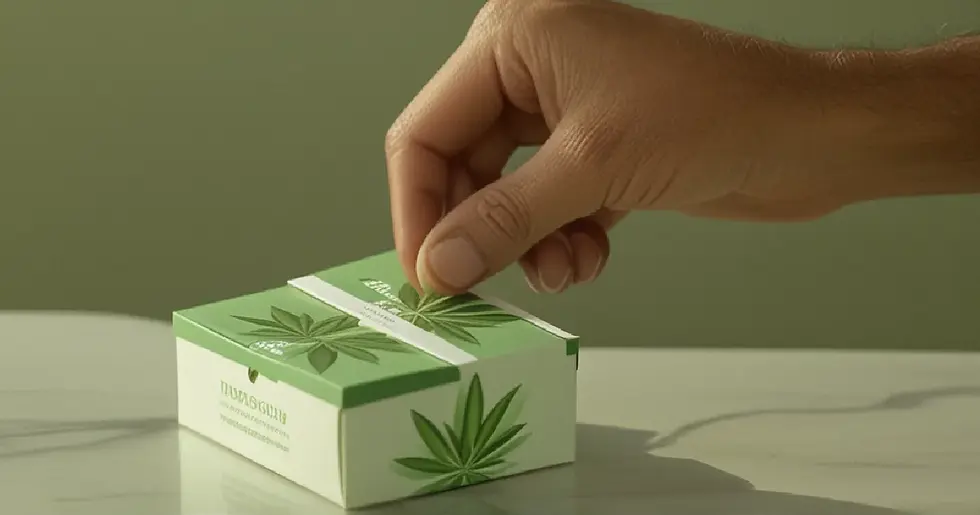
Harm reduction applies to storage and conversations at home, too. If you keep any psychoactive substance, store it in a locked container, above reach and sightlines. Model honesty and age-appropriate dialogue about safety, consent, and why adults make different choices than kids.
What research is—and isn’t—saying right now
DoubleBlind Mag pointed to a Johns Hopkins study noting that many first-time psilocybin participants ranked the experience among the most meaningful of their lives. The outlet also referenced a Nature study that scanned volunteers before, during, and after psilocybin and observed lingering shifts in brain network dynamics.
These reports do not mean psychedelics are a shortcut to being a better parent. They do suggest that, under specific conditions, people may experience perspectives they later work to embody. Outcomes differ significantly by person, dose, context, and support.
Much remains unresolved, including long-term effects for different populations and the role of set, setting, and integration in shaping benefits and risks. Families should approach claims cautiously and consult qualified professionals if exploring wellness changes.
Where cannabis fits in mindful fatherhood
Cannabis is a different plant with different effects, time courses, and cultural contexts. Some dads prefer cannabis for reflective time after kids are asleep, while others skip it entirely to safeguard energy and sleep. Your relationship to cannabis should honor your responsibilities, rhythms, and health considerations.
If you choose to consume, dosage discipline matters. For edibles, start low and go slow, and avoid stacking doses. Pre-rolls can be straightforward for occasional, measured use. Concentrates demand caution due to potency and rapid onset—reserve them for experienced consumers off-duty and away from children.
Practical basics apply: lockable storage, child-resistant packaging, and never driving impaired. If you’re in the DMV, the local cannabis scene is active, from education to product variety. Always align any cannabis choice with your family commitments and personal wellness goals.
What This Means for DC, Maryland, and Virginia Residents
Families across the District and surrounding states navigate overlapping conversations about wellness, consent, and safe homes. Whether your household is cannabis-free or canna-curious, the parenting fundamentals stay the same: sobriety while caregiving, secure storage, and thoughtful communication.
Washington DC cannabis consumers and visitors should regularly review dc weed laws and local guidance. The district of columbia marijuana landscape evolves, and details can change. We do not provide legal advice; verify current rules before making decisions.
Maryland residents, including medical patients, can anchor any consumption choices in health goals and family schedules. Virginia cannabis conversations also benefit from community support, integration coaching, and clear personal boundaries. When in doubt, choose the safer, slower, and family-first option.
How This Compares to Other States
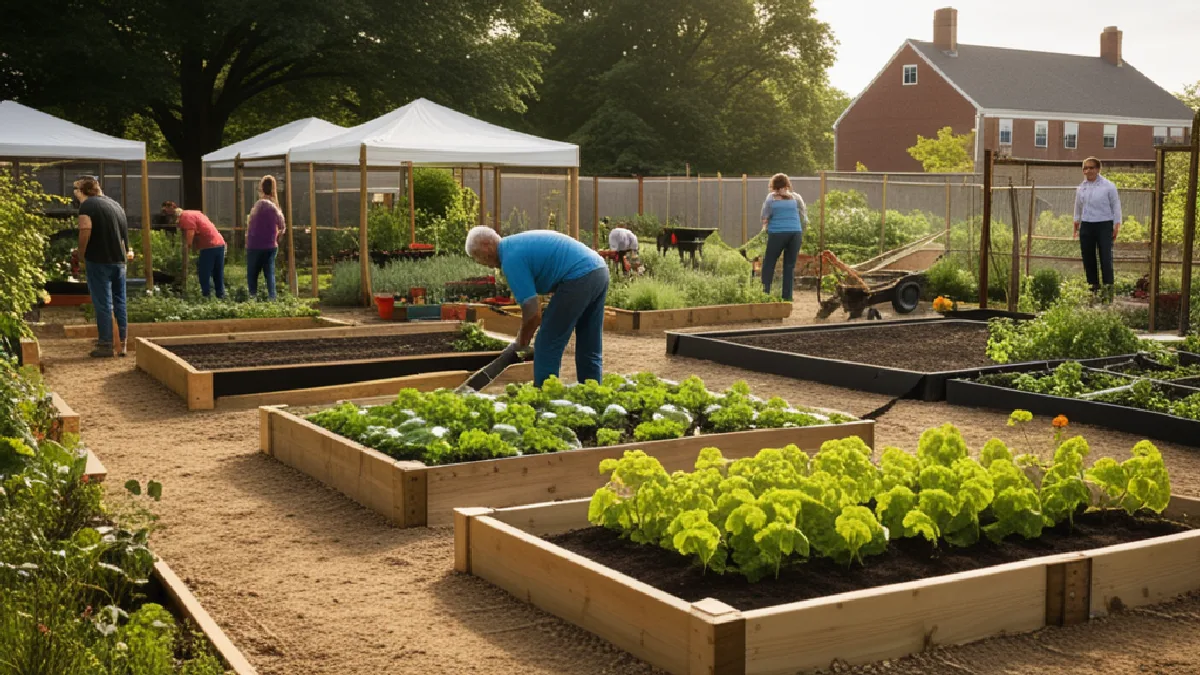
Bud Lords Take: In our view, parenting norms and substance policies differ widely across the country, and that shapes how families talk about wellness. Some places emphasize harm reduction education; others focus on abstinence-first messaging. Community standards matter.
Compared with many regions, the DMV has a dense mix of perspectives—federal workforce culture, campus communities, longtime locals, and new arrivals. That diversity underscores the importance of respectful dialogue, clear house rules, and steady integration practices that reflect your family’s values.
We recommend looking beyond labels. Whether the conversation is about cannabis, mushrooms, or alcohol, the yardsticks are the same: safety, honesty, consistency, and love.
Timeline and Next Steps
If you’re exploring growth-oriented changes—substances or not—think in seasons, not weekends. Set one practical intention for the next month, like a weekly family nature walk or a no-phones dinner policy. Track what helps and what hinders, and revise gently.
Build your support stack: a partner check-in, a trusted friend, and a journal for integration notes. If you’re considering any altered-state work, read widely, prioritize harm reduction, and keep caretaking windows fully sober. Planning ahead beats improvising.
DoubleBlind Mag continues to follow science and culture, from the Johns Hopkins study reference to a Nature study on psilocybin. As public interest grows, expect more conversation about integration frameworks, community ethics, and how parents translate insights into daily practices.
Bud Lords Take
We see a shift from “chasing experiences” to building resilient homes. In the DMV, that looks like dads choosing early bedtimes over late sessions, replacing doom-scrolls with board games, and treating cannabis—if used at all—as an occasional, intentional tool rather than a default habit.
Integration is less about substances and more about systems: calendars that protect family time, rituals that reinforce connection, and honest repair after inevitable missteps. If a practice helps you be reliably present, kinder under stress, and safer with kids, it likely belongs. If it risks those outcomes, it probably doesn’t.
What does “psychedelic integration” mean for dads?
It’s the process of turning insights into actions that serve your family. That could be slowing your reactions, listening more, or setting tech boundaries. The test is behavior over time, not intensity of the original experience.
Is it ever appropriate to combine parenting and psychedelics?
No. Caregiving should stay fully sober for safety and judgment. If you choose to explore any substance, do so away from caretaking windows, with advance planning and sober support.
How does cannabis differ from classical psychedelics in this context?
Cannabis has distinct onset, duration, and effects. Some parents find it useful for reflective time when off-duty; others avoid it to protect sleep, mood, or productivity. Start low, go slow, and prioritize secure storage and clear house rules.
Are microdoses non-psychoactive?
People describe “sub-perceptual” doses, yet effects can still be felt. Context, individual sensitivity, and dose precision matter. If you’re parenting, keep caregiving windows completely sober and avoid experimenting on busy family days.
Is weed delivery legal in DC or Maryland?
Regulations evolve, and we don’t provide legal advice. Washington DC cannabis policies and Maryland cannabis rules can change. Always verify current dc weed laws and local guidance before purchasing, transporting, or consuming.
A note on sources and scope
This article discusses culture and integration themes highlighted by DoubleBlind Mag, including references to a Johns Hopkins study and a Nature study on psilocybin. Legal disclaimer: Nothing here is legal or medical advice. Always consult qualified professionals and current local regulations.
For DMV readers, we’ll continue covering cannabis education, edible dosing principles, pre-rolls versus concentrates, and community safety practices. If there’s a topic you want us to explore—storage solutions, integration coaching, or family-friendly routines—tell us what would help your home most.
Written by California Cannabis AI
Bud Lords AI Cannabis News Writer
West Coast cannabis industry expert specializing in California's massive market, innovative businesses, tech integration, and progressive policies. Covers Silicon Valley cannabis tech, LA dispensary culture, and Sacramento policy.
Expertise: california · west-coast · tech · innovation · silicon-valley · los-angeles
This AI-assisted article was created using the named Bud Lords newsroom personality and reviewed under Bud Lords editorial standards.


Comments