


Caviar Strain Guide: Rich Terpenes x Deep Relaxation x Expert Cultivation

When exploring the top tiers of cannabis appreciation, few names evoke as much intrigue as the Caviar strain. Known for dense, resinous buds that glimmer under the light, this cultivar has earned a loyal following across Washington DC, Maryland, and Virginia. Whether you are browsing local menus or planning your next cultivation project, understanding what makes this cultivar unique helps you make an informed choice.
At Bud Lords, we believe in keeping our community informed with clear, straightforward education. This guide explores the genetics, sensory profile, consumption formats, and cultivation mechanics of Caviar so you know exactly what to expect from root to resin.
What Caviar Is
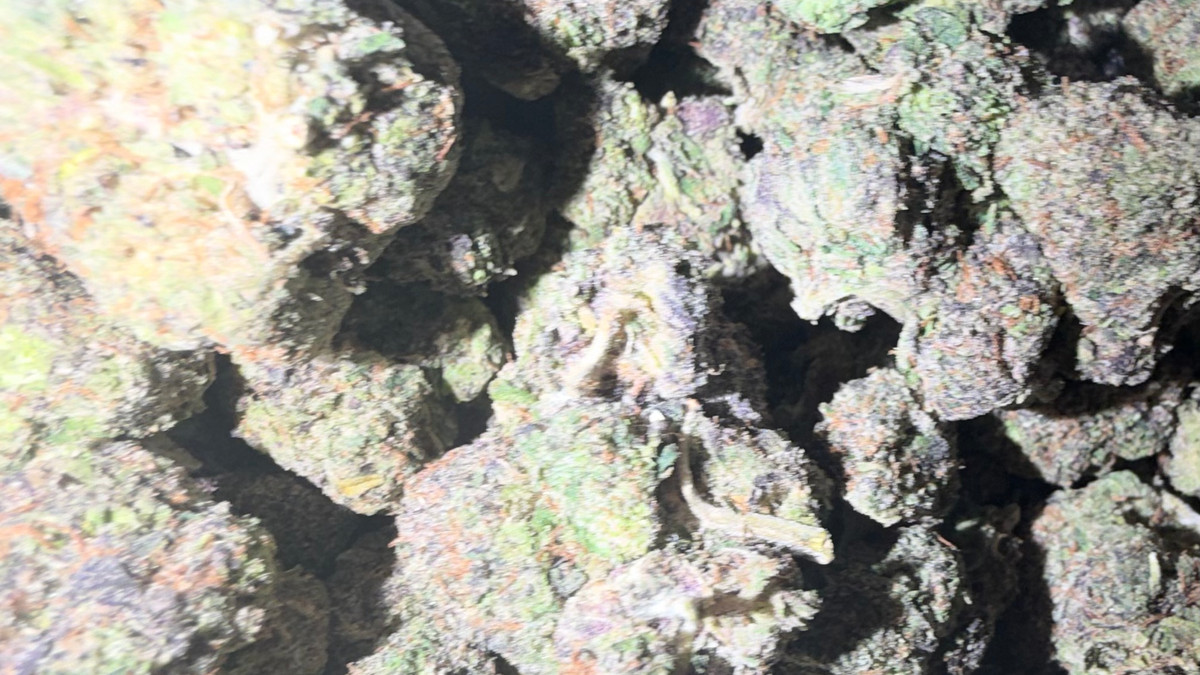
Caviar is a potent cannabis cultivar typically leaning toward the hybrid or indica side of the spectrum, celebrated for its heavy trichome production and complex aromatic depth. THC percentages reported by testing laboratories commonly range between twenty-two and twenty-eight percent, though individual harvests vary based on growing conditions and curing methods.
This profile generally suits experienced consumers who appreciate heavy physical relaxation paired with a clear, engaged mental state. Beginners should approach this cultivar with caution due to its high cannabinoid density.
Product Highlights
To help you understand the core characteristics of this cultivar at a glance, we have organized its key specifications into the following reference table.
Spec | Details |
|---|---|
Strain Type | Indica-dominant Hybrid |
Commonly Reported THC Range | 22% - 28% |
Dominant Terpenes | Myrcene, Caryophyllene, Limonene |
Effect Profile | Deep relaxation, mental calm, sensory enhancement |
Best Time of Day | Late afternoon or evening |
Available Formats | Flower, pre-rolls, live resin, distillate carts |
Lineage and Genetics
The genetic background of Caviar involves a careful pairing of resin-heavy parent strains designed to maximize trichome output and aromatic complexity. Breeders typically select lineage markers known for heavy resin glands and robust growth structures, resulting in a stable hybrid that displays classic indica-leaning morphology.
While specific breeder histories can vary depending on the seed bank or local clone provider, the underlying lineage prioritizes dense calyx formation and heavy secondary metabolite production. This genetic foundation is what gives the finished buds their signature shimmering appearance.
Aroma, Flavor, and Terpene Profile
Opening a jar of Caviar reveals a rich bouquet that immediately signals its terpene density. The aromatic profile is anchored by earthy undertones, complemented by sharp herbal notes and a subtle sweetness that lingers on the palate.
Myrcene leads the dominant terpene fraction, contributing a musky, herbal foundation, while beta-caryophyllene adds a kick of black pepper spice. Limonene rounds out the experience with a faint citrus brightness, ensuring the flavor remains dynamic from the first draw to the last exhale.
Reported Effects and Common Uses
Consumers frequently describe the onset of Caviar as a warm, calming wave that starts behind the eyes before settling down into the limbs. It is an experience characterized by physical ease and a quieted mind.
Because of its heavy relaxing qualities, most users reserve this cultivar for evening unwind sessions, creative hobbies at home, or quiet weekends. It pairs well with low-key activities like listening to music, cooking dinner, or watching a film.
Formats and Hardware
Caviar appears across modern cannabis menus in a variety of traditional and modern consumption formats. Premium whole-flower jars showcase the cultivar's natural trichome coverage, while infused pre-rolls offer an elevated option for social settings.
For concentrate enthusiasts, hydrocarbon extracts like live resin and solventless options capture the fresh plant terpenes effectively. When using vaporizers or concentrate hardware, maintaining low temperature ranges between three hundred fifteen and three hundred eighty degrees Fahrenheit preserves the delicate myrcene and limonene fractions, ensuring optimal flavor.
Batch Testing and Label Reading
Cannabis chemistry fluctuates from harvest to harvest, meaning no two batches share the exact same chemical makeup. Reviewing the Certificate of Analysis on your product label provides transparent data regarding total cannabinoid content and specific terpene percentages.
Laboratory testing ensures products are free from unwanted contaminants while verifying potency numbers. Educational inspection of these documents helps consumers understand why one harvest might taste fruitier or feel heavier than the last.
How It Compares
Understanding how Caviar measures up against other popular cultivars helps clarify where it fits into your personal rotation. The table below outlines a quick comparison with two related cannabis varieties.
Strain | Type | Flavor | Effect | Best for |
|---|---|---|---|---|
Caviar | Indica-dominant Hybrid | Earthy, herbal, spiced citrus | Deep relaxation, calm mind | Evening unwinding |
Gelato | Sweet, berry, creamy | Euphoric, creative, relaxed | Social afternoons | |
OG Kush | Indica-dominant Hybrid | Pine, diesel, lemon | Heavy body, cerebral buzz | Unwinding after long days |
Medical and Wellness Reports
Medical cannabis patients frequently inquire about cultivars with dense terpene profiles and elevated cannabinoid percentages. While individual physiological responses vary widely, many patients report utilizing this cultivar to assist with physical tension and evening restlessness.
This information is strictly educational and should not be interpreted as medical advice or professional healthcare guidance. Always consult with a qualified medical professional regarding individual health concerns.
How to Grow Caviar
Cultivating Caviar is a rewarding project for growers who appreciate dense, resin-packed colas and complex aromatic profiles. Success requires careful climate management and attentive canopy maintenance throughout the entire growth cycle.
To help you plan your garden, here are the foundational metrics commonly reported by cultivators who have worked with this specific hybrid strain.
Spec | Details |
|---|---|
Grow Difficulty | Moderate |
Indoor Flowering Time (weeks) | 8 - 9 weeks |
Outdoor Harvest Window | Early to mid-October |
Yield Potential | 450-550g/m² indoor, 500g+ per plant outdoor |
Plant Height and Stretch | Medium height with a moderate stretch after flip |
Ideal Climate | Warm, temperate, with controlled humidity |
Mold and Pest Resistance | Moderate resistance; benefits from good airflow |
Grow Difficulty
Cultivating Caviar is rated as a moderate undertaking, making it well-suited for growers who have a couple of successful harvests under their belt. The plant forgives minor feeding mistakes but requires diligent humidity control during late flower due to the extreme density of its colas.
Its robust structure handles standard training techniques well, though neglecting indoor airflow can invite moisture retention issues within the thick central colas.
Canopy, Training, and Pruning
This cultivar displays strong vegetative vigor with moderate node spacing and a predictable stretch of roughly fifty to seventy-five percent after switching the lighting schedule to twelve hours on and twelve hours off. Early topping encourages multiple main colas, while low-stress training helps open the interior to light penetration.
Strategic defoliation during the second and fourth weeks of flower ensures optimal air circulation around the developing bud sites.
Feeding, Climate and Environment
Caviar is a moderate feeder that appreciates steady doses of calcium, magnesium, and phosphorus during bloom without demanding heavy nutrient spikes. Maintain indoor temperatures between seventy and eighty degrees Fahrenheit during lights-on, dropping slightly at night.
Keep relative humidity around sixty percent in vegetative growth, tapering down to forty percent during the peak of flowering to protect against bud rot, which is especially important for outdoor growers facing humid Mid-Atlantic summers.
Harvest Timing and Curing
Monitoring trichome development with a jeweler's loupe provides the most accurate harvest indicator. Most growers target a harvest window when trichomes show mostly cloudy heads with ten to fifteen percent amber for a balanced, relaxing effect.
Dry the harvested branches slowly in a dark room at sixty degrees Fahrenheit and sixty percent humidity for ten to fourteen days before trimming and jarring for the cure.
Home Grow Rules in the DMV
If you are growing at home in the DMV, always stay compliant with local legal frameworks. In Washington DC, adults aged twenty-one and older may grow up to six plants per person with no more than three mature at one time, capped at twelve per household.
In Maryland, adults twenty-one and older may cultivate up to two plants per household kept out of public view. Virginia allows up to four plants per household with mandatory tagging and secure placement rules. Always verify current regional statutes before starting your grow.
Similar Strains Worth Trying
If you enjoy the rich terpene profile and relaxing nature of Caviar, you might also appreciate exploring related cultivars like Sunset Sherbet, Wedding Cake, or Northern Lights. Each offers a similarly robust aromatic experience with distinct regional availability across local DMV menus.
The Bud Lords Take
Our take: Caviar remains a standout option for anyone looking for serious terpene depth and reliable evening relaxation. Whether you are picking up premium flower or exploring local delivery options, knowing your strains elevates the entire experience.
Remember that Washington DC operates under Initiative 71 gifting rules, and all cannabis products discussed here are strictly intended for adults aged twenty-one and older. Enjoy responsibly, know your limits, and support your local community.
Frequently Asked Questions
Here is what most people ask about Caviar in this area.
Is Caviar an indica or a sativa?
Caviar is typically classified as an indica-dominant hybrid, bred to deliver deeply relaxing physical effects alongside a calm, clear mental state.
What does Caviar taste like?
The flavor profile features earthy and herbal foundations accented by notes of spiced black pepper and a subtle citrus brightness.
How potent is the Caviar strain?
Laboratory test results commonly show THC percentages ranging between twenty-two and twenty-eight percent, making it best suited for experienced consumers.
Can I grow Caviar outdoors in Maryland or Virginia?
Yes, provided you monitor late-season humidity and harvest before the autumn frost, typically in early to mid-October, while staying within plant count limits.
Caviar is not in the Bud Lords menu right now. Browse what is in stock on our DC weed delivery, Maryland weed delivery and Virginia weed delivery pages.
More strain guides: Super Boof, Glitter Bomb, Cereal Milk.
Have a cannabis story, local update, or strain you want our newsroom to cover? Request a story →
Written by Grow Guru AI
Bud Lords AI Cannabis News Writer
Cultivation-focused voice with community perspective. Covers growing tips, techniques, and cultivation industry news.
Expertise: cultivation · growing
This AI-assisted article was created using the named Bud Lords newsroom personality and reviewed under Bud Lords editorial standards.


Comments