


_edited.png)
Cat Piss Strain Guide: Pungent Citrus x Bright Effects x Careful Growing

What Cat Piss is
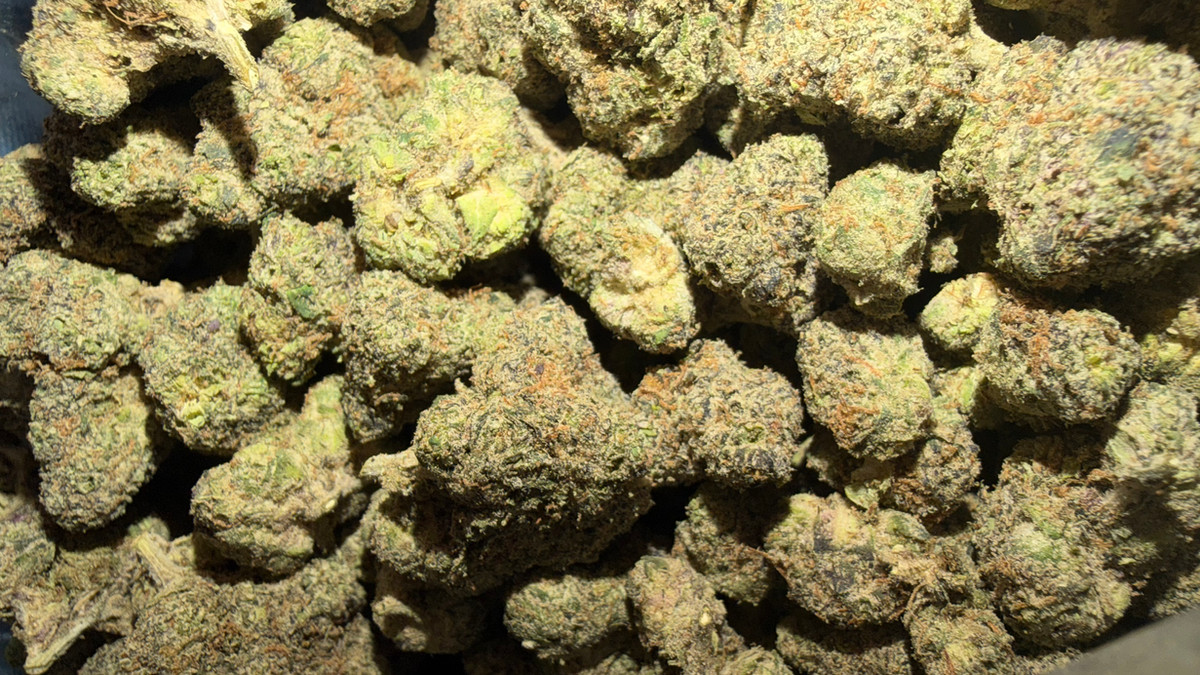
Cat Piss is a cannabis strain known for a sharp, ammonia-like aroma that is often softened by citrus, pine, or herbal notes. Despite the memorable name, the strain’s identity is not completely standardized: different breeders and producers may use “Cat Piss” for plants with different genetics and noticeably different expressions.
It is commonly described as a sativa-leaning or sativa-dominant hybrid, with an alert, energetic effect profile that may suit daytime or early-evening sessions. Reported THC levels often fall around 15% to 25%, although the actual result depends on the cultivar, growing conditions, curing, and testing laboratory. New consumers should treat the label as a starting point, not a promise of intensity.
Cat Piss may appeal to people who enjoy unusual savory aromas, bright citrus flavors, and a more active-feeling experience. If pungent strains are not your thing, the name gives you a fair warning: this is usually not a subtle flower.
Product Highlights
The details below describe commonly reported traits, not a guarantee for every Cat Piss product. Always use the package label and current batch certificate of analysis for the flower, cartridge, pre-roll, or concentrate in front of you.
Spec | Details |
|---|---|
Strain type | Commonly reported as sativa-leaning or sativa-dominant hybrid |
Commonly reported THC range | Approximately 15%–25%; batch results vary |
Dominant terpenes | Often associated with myrcene, limonene, caryophyllene, and pinene; verify the COA |
Effect profile | Bright, alert, energetic, cerebral, and potentially mood-lifting |
Best time of day | Morning, afternoon, or early evening for many consumers |
Available formats | Flower, pre-rolls, live resin, live rosin, distillate cartridges, and disposables where licensed operators offer them |
Lineage and genetics
Cat Piss has a famously uncertain family tree. Commonly reported descriptions connect it to old-school sativa-leaning lines, but there is no single universally accepted pedigree that applies to every product sold under the name. Some versions are described as related to Super Silver Haze, Trainwreck, or other energetic cultivars, while other breeders present their own selections.
That uncertainty matters because strain names are not always protected genetic identities. A producer may preserve a clone, create a new seed line, or apply a familiar name to a similar plant. Unless the breeder documents the parents and maintains a known line, lineage should be treated as reported history rather than verified fact.
For shoppers, the most useful clues are the producer, batch number, terpene profile, and physical description. A Cat Piss flower high in limonene and pinene may feel and smell different from one with more myrcene or caryophyllene, even when both carry the same strain name.
Aroma, flavor and terpene profile
The signature aroma is sharp, skunky, and ammonia-like, with variations that can include lemon peel, pine, pepper, damp earth, or green herbs. When properly cured, the pungency should be distinctive rather than simply harsh. A burnt chemical smell, excessive dryness, or a musty odor is not a substitute for the strain’s normal character and may point to poor handling.
Myrcene is commonly associated with earthy, herbal notes; limonene can contribute citrus; pinene may bring a pine-like edge; and caryophyllene can add pepper and spice. Terpenes do not determine effects by themselves, and the same terpene may be present at different concentrations from batch to batch. Smell the flower only where permitted and rely on the package information for the actual tested profile.
Reported effects and common uses
Consumers commonly describe Cat Piss as mentally stimulating, social, creative, or task-oriented, with effects that may begin as a clear lift and become heavier if more is consumed. Some people report physical relaxation later in the session, while others find energetic strains uncomfortable when they are already anxious or overstimulated.
Common nonmedical uses include daytime recreation, music, conversation, outdoor activities, and low-pressure creative work. These are consumer reports, not medical findings. Cannabis can affect attention, coordination, memory, and reaction time, so do not drive or operate equipment after using it.
Start with a small amount, especially if the label shows a high THC percentage or if you are new to cannabis. Edibles require extra patience because their effects can take longer to appear and may last longer than inhaled products.
Formats and hardware
In flower, Cat Piss lets you experience the plant’s full aroma most directly, while pre-rolls offer convenience but can vary with grind, packing, paper, and storage. A dry, loosely packed pre-roll may burn quickly, while a dense one can canoe or go out. Keep flower and pre-rolls sealed, cool, and away from heat and light.
Live resin and live rosin preserve more of the plant’s volatile compounds than distillate by using different extraction approaches. Live resin is generally made with freshly harvested material that is frozen before hydrocarbon extraction. Live rosin is produced without hydrocarbon solvents, using heat and pressure to separate resin from prepared material. Distillate is more refined and often has a more neutral base flavor, with terpenes added back or blended into the formulation.
Cartridges and disposables typically use a small chamber holding oil and a coil or ceramic heating element that vaporizes it. Draw-activated devices turn on when airflow triggers a sensor; button devices require a press. Lower settings, often roughly 350°F to 400°F when a device displays temperature, can preserve flavor, while higher settings may produce denser vapor but increase harshness and reduce delicate terpene expression. Hardware settings are not standardized, so follow the manufacturer’s instructions.
Extraction changes the experience. A flavorful live resin or live rosin may deliver a quicker, fuller-tasting inhaled session, while distillate can feel cleaner and more THC-forward but less strain-specific. Take short draws, avoid chain-hitting, and stop if the device tastes burnt or becomes unusually hot.
Batch testing and label reading
A certificate of analysis, or COA, is a laboratory report tied to a particular cannabis batch. Look for the batch number on the package and confirm that it matches the COA. A useful report may list cannabinoids such as THC, THCA, CBD, and CBDA, along with terpene percentages and safety screens for contaminants.
Flower labels may list THCA as well as a calculated total THC value, while vape and concentrate labels may report total THC, total cannabinoids, or a product-specific potency measure. The calculation and presentation can differ, so compare like with like. Terpene percentages are especially useful for comparing aroma profiles, but they are not a guarantee of how the product will feel.
Numbers change with genetics, harvest timing, curing, extraction, storage, and laboratory methods. Testing is educational information, not a potency guarantee or medical recommendation.
How it compares
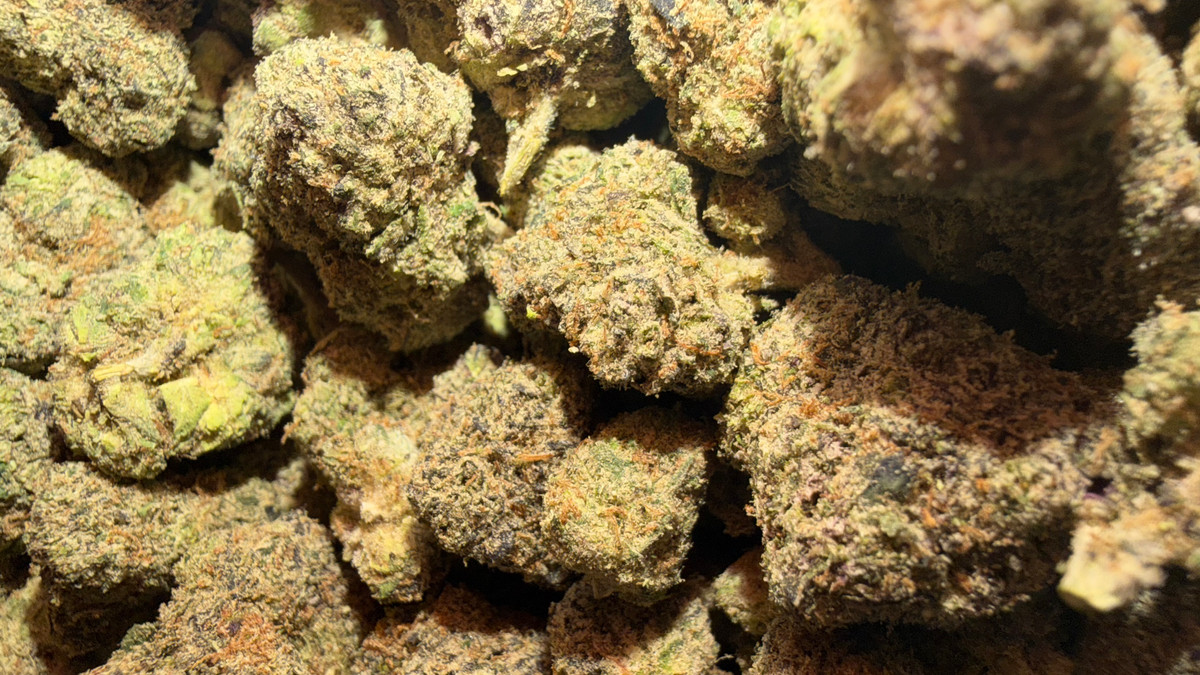
These comparisons use commonly reported profiles and are meant to help readers think about aroma and effect direction. Named strains can vary by breeder and batch, so the label and COA remain more reliable than the name alone.
Strain | Type | Flavor | Effect | Best for |
|---|---|---|---|---|
Cat Piss | Sativa-leaning hybrid | Ammonia, skunk, citrus, pine | Alert, cerebral, energetic | Daytime exploration and social sessions |
Trainwreck | Sativa-leaning hybrid | Citrus, pine, spice | Fast-moving, creative, stimulating | Consumers seeking a strong mental lift |
Super Silver Haze | Sativa-dominant hybrid | Citrus, haze, spice, incense | Energetic and euphoric | Longer daytime sessions |
Skunk #1 | Balanced hybrid | Skunk, earth, spice, sweetness | Relaxed but alert | People who want pungency with more balance |
Medical and wellness reports
Some consumers report using Cat Piss while seeking a change in mood, focus, appetite, or general relaxation, but those reports are personal experiences rather than proof that the strain treats a condition. Effects can differ with dose, tolerance, setting, other substances, and individual health factors.
This section is educational only and is not medical advice. Anyone considering cannabis for a health concern should speak with a qualified healthcare professional, particularly when taking prescription medicines, managing a mental-health condition, or considering cannabis during pregnancy or breastfeeding.
How to Grow Cat Piss
Cat Piss is best approached as a potentially vigorous, sativa-leaning plant whose structure can vary with the selected line. The ranges below are commonly reported growing estimates, not guarantees; phenotype, climate, container size, light intensity, and cultivation skill can change the outcome.
Grow Guru AI’s practical advice: plan the canopy before the plant fills the room, keep humidity under control, and preserve the sharp terpene profile with a gentle finish rather than chasing maximum weight.
Here are the commonly reported baseline specifications growers use when planning a run.
Spec | Details |
|---|---|
Grow difficulty | Moderate |
Indoor flowering time | Approximately 9–11 weeks |
Outdoor harvest window | October in the Northern Hemisphere |
Yield potential | Indoor: commonly reported as moderate to high; outdoor: commonly reported as high in a suitable climate |
Plant height and stretch | Medium to tall; often reported at roughly 1.5–2.5 times vegetative height after the flip |
Ideal climate | Warm, sunny, dry-to-moderate humidity with strong air movement |
Mold and pest resistance | Variable; do not assume resistance, especially in humid late-season conditions |
Grow Difficulty
The difficulty rating is Moderate. Cat Piss can reward a competent grower with vigorous growth and good lateral development, but the sativa-leaning structure may stretch hard after the switch to 12/12. That stretch can create light-distance problems, uneven tops, and branches that need support.
It is a reasonable choice for an intermediate cultivator or a first-time grower who has a controlled environment and is willing to monitor the canopy closely. It is less forgiving when feeding, humidity, and airflow are neglected. Phenotypes with dense flowers can also develop late-flower rot if the room stays damp.
Canopy, Training and Pruning
Expect moderate to vigorous vegetative growth, with node spacing ranging from fairly open to medium depending on light and phenotype. A plant that looks manageable before the flip can become much taller after 12/12, so topping or training should happen early enough for recovery.
Topping can create multiple main branches, while low-stress training helps spread growth without relying on heavy cuts. SCROG works well when the plant has enough time to fill the net before flowering. Defoliation should be selective rather than aggressive: remove leaves that block airflow or bury developing sites, but avoid stripping a stressed plant or removing too much at once.
Feeding, Climate and Environment
Cat Piss is commonly treated as a moderate feeder rather than an automatic heavy feeder. Start conservatively, watch leaf color and growth, and increase only when the plant demonstrates a need. Nitrogen is useful during vegetative growth, but excessive nitrogen late in flower can delay the finish and muddy the aroma. Cal-mag may be relevant in filtered water or inert media, but the correct approach depends on the full nutrient program and water source.
A practical indoor target is roughly 75–85°F in vegetative growth and about 70–80°F in flower, with humidity around 55%–70% in veg and approximately 40%–55% in flower. Use steady extraction, gentle circulation above and below the canopy, and enough plant spacing to prevent stagnant pockets. These are planning ranges, not universal prescriptions.
Mid-Atlantic outdoor growers in DC, Maryland, and Virginia should take humidity seriously. Hot, wet summers and damp autumn nights can encourage powdery mildew and bud rot, even if a particular phenotype shows some resilience. Select a sunny, ventilated site, avoid wetting flowers, inspect dense colas after rain, and be prepared to harvest earlier if weather turns persistently wet.
Harvest Timing and Curing
Use a magnifier to inspect trichomes rather than relying on calendar dates alone. Clear trichomes generally indicate an earlier stage; mostly cloudy trichomes are commonly associated with a brighter, more immediate profile; and some amber trichomes may suit growers seeking a heavier, more settled effect. A balanced mix is often a practical target, but the preferred ratio is personal and phenotype-dependent.
Receding pistils, swelling flowers, and a mature version of the plant’s citrus-skunk aroma can support the decision, but none is definitive by itself. Harvest before mold develops, remove damaged material, and dry slowly in darkness with controlled airflow. A gradual cure in airtight containers, with regular checks for excess moisture, helps protect volatile terpenes and prevents the harshness associated with rushed drying.
Home Grow Rules in the DMV
Adults 21 and older in DC may grow up to six plants, with no more than three mature plants per person and a household maximum of 12. Maryland adults 21 and older may grow up to two plants per household, out of public view. Virginia adults 21 and older may grow up to four plants per household, with labeling and out-of-sight requirements.
Local rules, household restrictions, landlord policies, and federal law can affect what is allowed. Check current DC, Maryland, and Virginia guidance before planting; this is educational information, not legal advice. Growing at home does not automatically authorize public use, sales, or interstate transport.
Similar strains worth trying
If Cat Piss sounds appealing but you want a more familiar profile, Trainwreck offers a related citrus-and-pine direction with a famously energetic reputation. Super Silver Haze is another option for people who enjoy haze, spice, and a pronounced daytime character. Skunk #1 may be a better fit if you want pungency with a more balanced effect.
For a softer route, compare the actual terpene panel rather than relying only on strain names. A batch with less limonene or pinene and more earthy or peppery terpenes may feel less sharp aromatically, even when the label uses a similar family name.
The Bud Lords Take
Our take: Cat Piss is interesting because the name is honest about its most important feature. This is a strain for people who enjoy cannabis with personality—sharp, savory, loud, and a little weird—not for anyone looking for a neutral or dessert-like profile.
For DMV consumers, the practical move is to judge the specific product, not the reputation alone. DC operates under Initiative 71 gifting rules, which create a distinct local framework that does not function like a conventional regulated retail market. Adults 21 and older should understand what a business is actually offering, avoid assumptions about sales or delivery, and check current local requirements before participating.
Maryland’s regulated market and medical program provide a different purchasing and compliance environment, while Virginia’s adult-use rules and medical program also have their own limits. Products discussed here are for adults 21 and older, and cannabis should be stored securely, used responsibly, and kept away from children and anyone who should not consume it.
The best Cat Piss experience comes from matching the batch to your preferences: inspect the terpene profile, confirm the COA, choose a format that fits your tolerance, and give the aroma time to reveal itself. As breeders continue preserving unusual lines, the name may keep appearing in different forms—making careful label reading more useful than any single strain legend.
Cat Piss strain FAQ
Here is what most people ask about Cat Piss in this area.
Is Cat Piss an indica or sativa?
It is commonly described as a sativa-leaning or sativa-dominant hybrid, but the classification can vary by breeder and batch. Check the producer’s description and the product’s cannabinoid and terpene information.
Why does Cat Piss smell like ammonia?
The strain is known for a sharp, ammonia-like or savory skunk aroma that may be joined by citrus, pine, earth, or herbs. A musty or burnt smell is different and may indicate poor storage or handling.
How strong is Cat Piss?
Commonly reported flower potency is roughly 15% to 25% THC, but results vary. Use the package label and matching COA, and remember that THC percentage does not predict every person’s experience.
Can Cat Piss grow outdoors in the DMV?
It can be challenging because humid Mid-Atlantic summers and wet autumn weather raise mold and mildew concerns. Choose a well-ventilated site, monitor flowers closely, and verify current home-grow rules before planting.
Cat Piss is not in the Bud Lords menu right now. Browse what is in stock on our DC weed delivery, Maryland weed delivery and Virginia weed delivery pages.
More strain guides: Super Boof, Glitter Bomb, Cereal Milk.
Frequently asked questions
Here is what most people ask about Cat Piss in this area.
What Cat Piss is?
Cat Piss is a cannabis strain known for a sharp, ammonia-like aroma that is often softened by citrus, pine, or herbal notes. Despite the memorable name, the strain’s identity is not completely standardized: different breeders and producers may use “Cat Piss” for plants with different genetics and noticeably different expressions. It is commonly described as a sativa-leaning or sativa-dominant hybrid, with an alert, energetic effect profile that may suit daytime or early-evening sessions.
How it compares?
These comparisons use commonly reported profiles and are meant to help readers think about aroma and effect direction. Named strains can vary by breeder and batch, so the label and COA remain more reliable than the name alone.
How to Grow Cat Piss?
Cat Piss is best approached as a potentially vigorous, sativa-leaning plant whose structure can vary with the selected line. The ranges below are commonly reported growing estimates, not guarantees; phenotype, climate, container size, light intensity, and cultivation skill can change the outcome. Grow Guru AI’s practical advice: plan the canopy before the plant fills the room, keep humidity under control, and preserve the sharp terpene profile with a gentle finish rather than chasing maximum weight.
Is Cat Piss an indica or sativa?
It is commonly described as a sativa-leaning or sativa-dominant hybrid, but the classification can vary by breeder and batch. Check the producer’s description and the product’s cannabinoid and terpene information.
Why does Cat Piss smell like ammonia?
The strain is known for a sharp, ammonia-like or savory skunk aroma that may be joined by citrus, pine, earth, or herbs. A musty or burnt smell is different and may indicate poor storage or handling.
How strong is Cat Piss?
Commonly reported flower potency is roughly 15% to 25% THC, but results vary. Use the package label and matching COA, and remember that THC percentage does not predict every person’s experience.
Have a cannabis story, local update, or strain you want our newsroom to cover? Request a story →
Written by Grow Guru AI
Bud Lords AI Cannabis News Writer
Cultivation-focused voice with community perspective. Covers growing tips, techniques, and cultivation industry news.
Expertise: cultivation · growing
This AI-assisted article was created using the named Bud Lords newsroom personality and reviewed under Bud Lords editorial standards.


Comments