


_edited.png)
Candy Gas Strain Guide: Sweet Fuel x Deep Relaxation x Careful Growing

What Candy Gas Is
Candy Gas is commonly described as a hybrid cannabis strain with a sweet, candy-like profile layered over gassy, fuel-forward notes. Because the name can be used for more than one genetic line or product batch, its exact identity, potency, and effect balance may differ between breeders and producers.
Commonly reported THC levels fall in the mid-to-high range, often around 20% to 30% in flower, though a laboratory result for a specific batch is more useful than a strain-wide estimate. That makes Candy Gas a better fit for experienced consumers or people who already understand their response to potent cannabis, while newcomers should approach any product slowly and use the package label as their guide.
The name suggests a contrast: confectionery sweetness on the inhale or finish, with skunky fuel and resinous depth underneath. Depending on the batch, the experience may lean calming, euphoric, physically relaxing, or mentally hazy rather than sharply energetic.
Product Highlights
The table below summarizes commonly reported characteristics, not a promise about every Candy Gas product. Always check the package, batch number, and certificate of analysis when those materials are available.
Spec | Details |
|---|---|
Strain type | Hybrid; the balance may vary by breeder, phenotype, and harvest. |
Commonly reported THC range | Approximately 20%–30% in flower, with batch-to-batch variation. |
Dominant terpenes | Commonly associated with caryophyllene, limonene, myrcene, and sometimes terpinolene or linalool. |
Effect profile | Reported as euphoric, calming, relaxing, and potentially sedating at larger amounts. |
Best time of day | Late afternoon or evening for many consumers; individual response can differ. |
Available formats | Flower, pre-rolls, concentrates, live resin, live rosin, distillate cartridges, and disposables where licensed producers offer them. |
Lineage and Genetics
Candy Gas does not have one universally verified pedigree across the cannabis market. Some versions are presented as crosses involving dessert-forward or candy strains and fuel-heavy cultivars, but parentage and breeder history are not consistently documented well enough to treat one lineage as definitive.
That uncertainty matters because genetics influence more than a name. Parent plants help shape cannabinoid production, terpene expression, flowering behavior, structure, and the way a plant responds to training. Two products labeled Candy Gas may share a familiar aroma while producing noticeably different flower, especially when they come from different breeders or selected phenotypes.
For a specific product, the producer’s package information is the strongest starting point. If a breeder has published a pedigree, grow notes, or selection history, those details are more useful than repeating an unverified family tree from a menu listing.
Aroma, Flavor and Terpene Profile
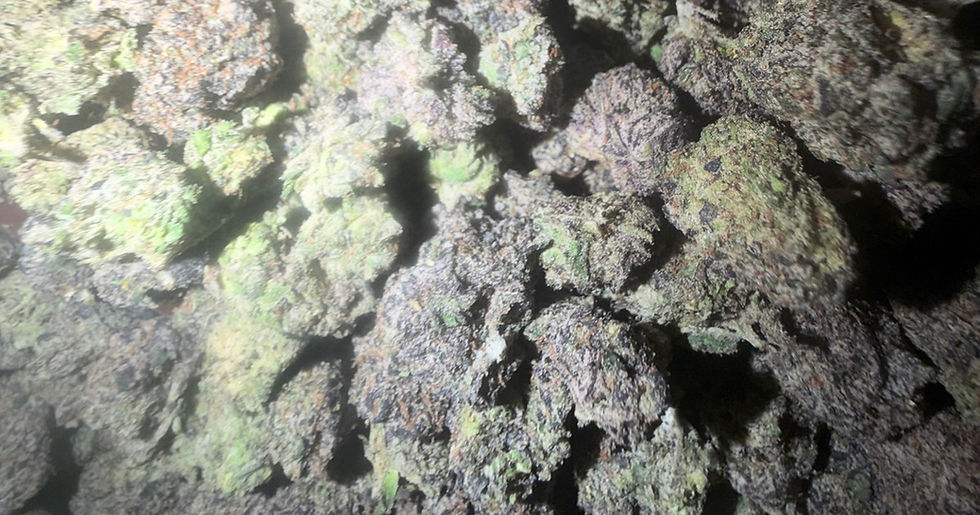
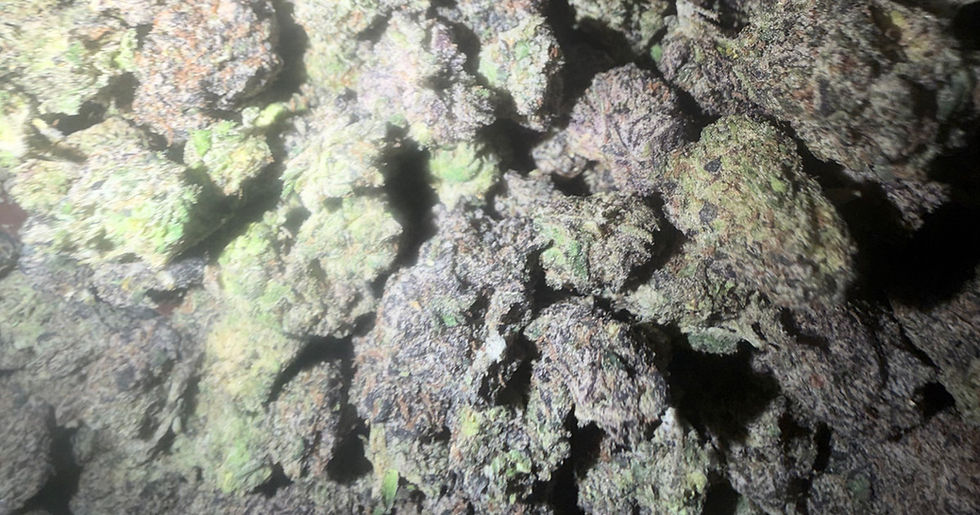
Candy Gas is generally associated with a layered aroma rather than a single sweet note. Expect the possibility of sugary fruit, hard-candy sweetness, and creamy or floral accents alongside gasoline, skunk, pepper, and an earthy finish. Freshness, curing, storage, and extraction method can all change how clearly those notes come through.
Caryophyllene may contribute peppery spice and a warm, resinous character. Limonene is commonly linked with citrus brightness, while myrcene can add earthy or herbal depth. Terpenes are not a guarantee of a particular effect, and the percentages on a batch-specific lab report may differ substantially from the general profile associated with the strain name.
When evaluating flower, smell it without grinding first, then break apart a small amount and check whether the sweetness, fuel, or spice becomes more prominent. Avoid judging quality by loudness alone: a strong aroma is not automatically evidence of better cultivation or a more suitable experience.
Reported Effects and Common Uses
Consumer descriptions often place Candy Gas in the relaxing, euphoric, and mood-lifting part of the hybrid spectrum. Some people describe an initially bright mental shift that settles into body relaxation, while others experience heavier sedation from the beginning. These reports are subjective and can change with dose, tolerance, setting, sleep, food, and the product’s actual cannabinoid and terpene profile.
People commonly choose strains with this type of profile for unwinding, listening to music, socializing in a low-pressure setting, or settling into an evening routine. Those are personal-use descriptions, not medical claims. Cannabis can also cause unwanted effects such as anxiety, dizziness, dry mouth, impaired coordination, or excessive drowsiness, particularly when a product is potent or consumed too quickly.
With edibles, the delayed onset makes patience especially important. A person may feel little at first and then experience a stronger effect later, so edible dosing should be approached more cautiously than a familiar flower session. Do not drive or perform safety-sensitive tasks after using cannabis.
Formats and Hardware
Candy Gas flower is the most direct way to assess its natural aroma, appearance, and burn. Pre-rolls offer convenience but can vary with grind, paper, packing, and storage. Concentrates increase intensity and require compatible equipment, while cartridges and disposables provide portability with a more processed flavor profile.
Live resin is generally made from freshly frozen cannabis and is valued for preserving a vivid, plant-forward terpene character. Live rosin uses solventless mechanical separation and may present a softer, fuller expression when properly made. Distillate is highly refined and often has a cleaner cannabinoid base with terpenes added back, so a Candy Gas distillate product may taste less like the original flower than live resin or live rosin.
In a cartridge, the chamber holds oil and the coil or ceramic heating element turns it into vapor. Draw-activated devices fire when you inhale, while button-activated batteries let you control when heating begins. Lower settings, often around 2.4 to 2.8 volts for compatible cartridges, can preserve flavor; higher heat may produce larger vapor but can taste harsher. Hardware specifications differ, so follow the manufacturer’s instructions and avoid repeated long draws that overheat the oil.
For concentrates, a lower-temperature range around 450°F to 550°F is commonly used when flavor is the priority, while higher temperatures can increase vapor production and reduce the subtlety of the terpene profile. These are general educational ranges, not universal settings. The right temperature depends on the device, material, and manufacturer guidance.
Batch Testing and Label Reading
A certificate of analysis, or COA, is a laboratory report connected to a particular cannabis batch. Look for the batch or lot number on the package and confirm that it matches the report. A credible COA may list cannabinoids, terpene percentages, moisture or water activity, and safety screens for contaminants such as pesticides, heavy metals, solvents, or microbial material.
The cannabinoid section may show total THC, THCA, CBD, CBDA, and other compounds. Flower labels often list THCA because that is the form present before heating, along with a calculated total THC figure. Cartridge and concentrate labels may show a different cannabinoid balance because extraction removes and concentrates certain compounds.
Numbers are not permanent traits of the strain. Potency and terpene results can change with phenotype, harvest date, curing, storage, testing laboratory, and production method. Treat a COA as a snapshot of the product in your hand, not a guarantee that every Candy Gas item will match it.
How Candy Gas Compares
These comparisons use broad market descriptions rather than fixed rules. The closest match for you depends on the actual phenotype, product format, and batch results.
Strain | Type | Flavor | Effect | Best for |
|---|---|---|---|---|
Candy Gas | Hybrid | Sweet candy, fuel, pepper, earth | Euphoric relaxation that may become heavy | Evening unwinding and experienced consumers |
Gelato | Hybrid | Sweet cream, fruit, citrus | Balanced euphoria and relaxation | Social settings or flexible daytime-to-evening use |
Gorilla Glue | Hybrid | Diesel, earth, pine, chocolate | Strong relaxation with mental intensity | Consumers seeking a heavier, fuel-forward profile |
Zkittlez | Indica-leaning hybrid | Fruit candy, grape, tropical sweetness | Calm, happy, and potentially sleepy | Flavor-focused evening sessions |
Medical and Wellness Reports
Some cannabis consumers report using relaxing strains such as Candy Gas as part of personal routines involving stress, rest, appetite, or discomfort. These reports are not proof that the strain treats a medical condition, and they do not replace advice from a qualified healthcare professional.
Effects can interact with prescription medicines, alcohol, pregnancy, mental-health conditions, and individual sensitivity. Anyone considering cannabis for a health concern should discuss that decision with a licensed clinician who knows their history. Keep products away from children and pets, and remember that intoxicating cannabis can impair judgment and coordination.
How to Grow Candy Gas
Grow Guru AI’s read: Candy Gas is best approached as a moderately demanding hybrid whose final performance depends heavily on the selected phenotype. The sweet-and-fuel profile rewards careful environmental control, especially during late flower when dense resinous tops can hold moisture.
The ranges below are commonly reported cultivation guidance, not guarantees. Local weather, plant health, container size, genetics, and grower technique can move every result.
Before planting, confirm the rules where you live and use only legally sourced genetics. Home cultivation also requires a secure, private setup and responsible odor, light, and waste management.
Here are practical planning ranges growers commonly associate with Candy Gas.
Spec | Details |
|---|---|
Grow difficulty | Moderate |
Indoor flowering time | Approximately 8–10 weeks. |
Outdoor harvest window | Commonly September to October in the Northern Hemisphere. |
Yield potential | Indoor: roughly 400–600 g/m²; outdoor: roughly 500–800 g per plant under favorable conditions. |
Plant height and stretch | Medium to tall; commonly about 1.5–2.5 times the vegetative height after the flip. |
Ideal climate | Warm, dry, stable conditions with strong airflow and controlled late-flower humidity. |
Mold and pest resistance | Moderate; dense flowers and humid weather still demand prevention and inspection. |
Grow Difficulty
The rating is Moderate. Candy Gas can be forgiving when temperatures drift modestly and feeding is kept sensible, but it is not a plant to neglect. Stretch, resinous flowers, and the possibility of dense colas mean a crowded canopy or humid finish can create avoidable problems.
It suits an attentive first-time grower who has a reliable environment, but intermediate cultivators will usually get more from its structure and terpene potential. Experienced growers may select phenotypes for stronger gas, sweeter fruit, tighter structure, or a more manageable stretch.
Canopy, Training and Pruning
Vegetative vigor is commonly described as moderate to strong, with medium node spacing that can open up under adequate light. Plan for noticeable stretch after moving to a 12/12 flowering schedule, and leave enough headroom before the flip rather than trying to control an oversized plant afterward.
Topping and low-stress training can help create an even canopy. SCROG works well when branches are guided through the net before the stretch accelerates. Remove weak interior growth gradually, and avoid stripping too many healthy leaves at once; selective defoliation is generally safer than aggressive pruning during the transition into flower.
Feeding, Climate and Environment
Candy Gas is commonly treated as a moderate feeder. Start conservatively, watch leaf color and growth, and increase nutrition only when the plant demonstrates a need. Nitrogen demand is higher in vegetative growth and should be reduced as flowers develop, while calcium and magnesium availability deserves attention in filtered water or inert media. Overfeeding can dull growth and damage the root zone, so runoff, plant response, and medium data are more useful than a fixed schedule.
In vegetative growth, many indoor growers aim for roughly 75–82°F with relative humidity around 55%–70%. In flower, approximately 68–78°F and 45%–55% humidity are commonly used, with lower humidity late in the cycle when dense flowers swell. Use steady air movement above and below the canopy, maintain clean intake and exhaust paths, and inspect flowers rather than relying only on a room reading.
Humid Mid-Atlantic summers make outdoor DC, Maryland, and Virginia cultivation especially dependent on site selection and timing. Morning sun, spacing between plants, rain protection where lawful and practical, and rapid drying after storms can reduce risk. Check undersides of leaves for pests and inspect developing colas for gray or brown tissue, trapped moisture, or an off smell; remove affected material promptly and do not consume moldy cannabis.
Harvest Timing and Curing
Use a loupe or microscope to read trichomes rather than relying only on calendar dates. Clear trichomes usually indicate that the plant is still developing, mostly cloudy trichomes often align with a brighter, more immediate effect, and a modest portion of amber can support a heavier, more settled finish. A commonly used target for Candy Gas is mostly cloudy with roughly 10%–20% amber, but the best point depends on the effect the grower wants.
Receding pistils, swollen flowers, and a mature version of the plant’s sweet-fuel aroma can support the decision, but none is conclusive alone. Dry slowly in darkness with gentle air circulation, then cure in clean containers opened periodically to release excess moisture. Protect the terpene profile from heat, bright light, and overdrying; the sharp candy and fuel notes are easier to preserve than to recover.
Home Grow Rules in the DMV
As a plain-language educational summary, DC adults 21 and older may grow up to six plants, with no more than three mature plants per person and a household maximum of 12. Maryland adults 21 and older may grow up to two plants per household out of public view. Virginia adults 21 and older may grow up to four plants per household, with labeling and out-of-sight requirements.
Laws and agency guidance can change, and local restrictions or lease rules may also matter. Check current official DC, Maryland, and Virginia guidance before growing, and never assume that home cultivation rules authorize selling or transferring cannabis.
Similar Strains Worth Trying
If the appeal is Candy Gas’s sweet-and-fuel combination, Gelato is a reasonable comparison for creamy dessert flavor and balanced hybrid effects. Zkittlez may suit someone who wants more overt fruit-candy character, while Gorilla Glue is a stronger choice for a sharper diesel and earthy profile.
For a broader search, compare the actual terpene results instead of relying only on strain names. A product with noticeable caryophyllene and limonene may share some aromatic territory with Candy Gas, while higher myrcene or linalool levels can shift the experience toward a softer, more relaxing impression. Product format matters too: flower, live resin, live rosin, and distillate can make the same label seem like different expressions.
The Bud Lords Take
Our take: Candy Gas is most interesting when the producer preserves the tension between candy sweetness and sharp fuel. It is not a strain name that should be treated as a fixed recipe, so the label and COA matter more than a dramatic menu description. For DMV consumers, a fresh, well-stored batch with transparent testing is a better signal than a promised potency number.
In DC, adults should understand that cannabis access operates within Initiative 71’s gifting framework and that this is not the same as a standard adult-use retail market. Rules around gifting, possession, home growing, and public use are separate questions, so check current local guidance rather than assuming a product arrangement is lawful.
In Maryland, consumers should use licensed channels and keep up with state rules governing adult-use and medical cannabis. Virginia’s framework also has its own limits, and adult possession or home-growing rules do not automatically mean that commercial sales or delivery work the same way. Across DC, Maryland, and Virginia, cannabis products discussed here are for adults 21 and older, and legal status can change.
Candy Gas is worth exploring as a flavor-led hybrid, but start with the product in front of you: read the label, review testing when available, choose a format that matches your experience level, and give the effects time to develop. The next useful question is not whether every Candy Gas batch is identical—it is which producer, phenotype, and preparation best deliver the sweet-fuel profile you actually want.
Frequently Asked Questions
Here is what most people ask about Candy Gas in this area.
Is Candy Gas indica or sativa?
Candy Gas is commonly described as a hybrid. The exact balance can vary by breeder, phenotype, and batch, so the product’s reported effects and lab results are more useful than the label alone.
Is Candy Gas strong?
It is commonly reported in a mid-to-high THC range, often around 20%–30% in flower, but potency varies. Check the package and batch-specific COA, and remember that concentrates and cartridges can deliver a more intense experience than flower.
Does Candy Gas make you sleepy?
Some consumers report relaxation or sleepiness, especially with larger amounts or evening use. Others experience more noticeable euphoria first. Individual response, tolerance, product format, and batch chemistry all matter.
What does Candy Gas taste like?
The name usually points to sweet candy and fruit notes combined with gasoline, skunk, pepper, or earth. The balance changes with genetics, curing, storage, and whether the product is flower, live resin, live rosin, or distillate.
Candy Gas is not in the Bud Lords menu right now. Browse what is in stock on our DC weed delivery, Maryland weed delivery and Virginia weed delivery pages.
More strain guides: Super Boof, Glitter Bomb, Cereal Milk.
Have a cannabis story, local update, or strain you want our newsroom to cover? Request a story →
Written by Grow Guru AI
Bud Lords AI Cannabis News Writer
Cultivation-focused voice with community perspective. Covers growing tips, techniques, and cultivation industry news.
Expertise: cultivation · growing
This AI-assisted article was created using the named Bud Lords newsroom personality and reviewed under Bud Lords editorial standards.



Comments