


Blockberry Strain Guide: Berry Flavor x Relaxed Effects x Careful Growing

What Blockberry is
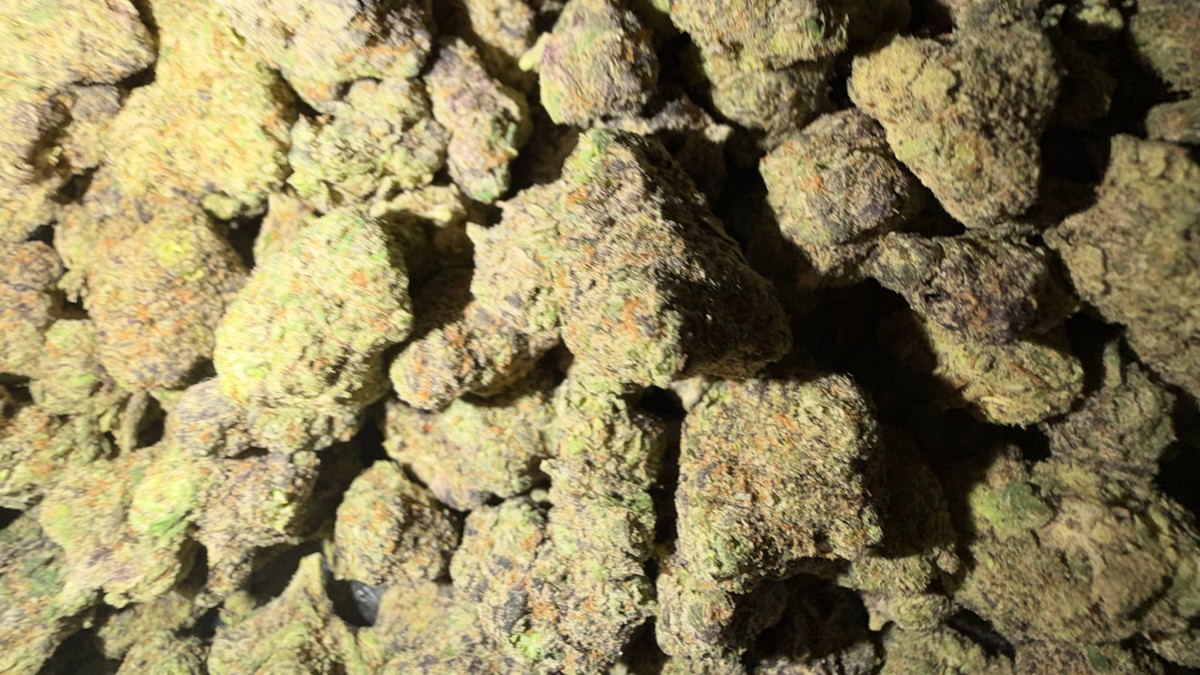
Blockberry is commonly described as an indica-leaning hybrid with a sweet berry profile and a relaxing, full-body effect. Because cannabis names are not always standardized across breeders, producers, and menus, the exact genetics and potency can vary by batch and source.
Commonly reported THC levels fall around 18% to 28%, although a particular flower, pre-roll, cartridge, or concentrate may test outside that range. That makes Blockberry a better fit for experienced consumers who already understand their response to THC, while newer consumers should approach any product by its labeled potency rather than by the strain name alone.
Expect the experience to depend on dose, tolerance, setting, product format, and terpene content. Blockberry may suit an evening session, a slow weekend, or anyone looking for berry-forward cannabis with a calmer profile, but effects are personal and no strain label guarantees a specific result.
Product Highlights
This quick reference summarizes traits commonly associated with Blockberry. Treat it as a starting point, then use the package label and batch-specific certificate of analysis for the product in hand.
Spec | Details |
|---|---|
Strain type | Indica-leaning hybrid, commonly reported |
Commonly reported THC range | About 18%–28%; actual results vary by batch and format |
Dominant terpenes | Often associated with myrcene, caryophyllene, and limonene; verify the COA |
Effect profile | Relaxed, euphoric, calming, and potentially sleepy at higher doses |
Best time of day | Late afternoon or evening for many consumers |
Available formats | Flower, pre-rolls, live resin, live rosin, distillate cartridges, and disposables where offered |
Lineage and genetics
Blockberry’s lineage is not consistently documented across public menus and product listings, so a definitive parentage should not be presented as settled fact. Some sellers use the name for berry-forward hybrids with an indica-leaning structure, while others may attach it to a proprietary cross.
The same issue affects breeder history. Unless the package identifies the breeder and the producer provides a reliable pedigree, the most useful approach is to treat Blockberry as a product identity rather than assume every example shares one genetic origin. Ask for the producer’s lineage information when it matters to your selection.
For consumers, this uncertainty is not merely academic. Genetics influence flowering time, plant shape, terpene expression, and the balance between mental and physical effects. A batch-specific label, terpene panel, and producer history can tell you more about a particular Blockberry product than the name alone.
Aroma, flavor and terpene profile
Blockberry is generally associated with ripe berry, sweet fruit, and lightly earthy aromas. Depending on the batch, the first impression may lean toward jammy fruit, grape-like sweetness, or a sharper citrus note, with peppery or herbal undertones appearing after grinding or heating.
Myrcene is commonly linked with earthy, musky, and fruity notes; limonene can contribute citrus brightness; and beta-caryophyllene often brings pepper and spice. These associations are educational, not a guarantee that every Blockberry sample will contain the same terpenes or produce the same sensory experience.
Freshness matters. Properly stored flower should retain a recognizable aroma rather than smell flat, excessively grassy, or harshly chemical. For cartridges and concentrates, extraction method and hardware can change which notes come forward, so the same cultivar name may taste different across formats.
Reported effects and common uses
Consumer reports commonly describe Blockberry as initially euphoric or mood-lifting before settling into physical relaxation. Some people use that profile for an evening wind-down, low-key social time, music, or movies. Others may find the same relaxing character distracting during work or demanding tasks.
Higher-THC doses can feel intense, especially for people with lower tolerance. Newer consumers should avoid assuming that a fruit-forward flavor means a mild product. Start with the lowest labeled serving that fits your experience, wait before taking more, and do not drive or operate equipment after using cannabis.
Commonly reported unwanted effects can include dry mouth, red eyes, dizziness, anxiety, or excessive sedation. These are not medical predictions, and cannabis is not a treatment recommendation. Anyone with health concerns, medication questions, pregnancy-related concerns, or a history of difficult reactions should speak with a qualified healthcare professional.
Formats and hardware
Flower gives the clearest look at Blockberry’s appearance, aroma, and combustion character. Pre-rolls offer convenience, but burn quality depends on grind, moisture, paper, and how tightly the material was packed. Concentrates deliver a more concentrated product and therefore require closer attention to the label and serving size.
Live resin is generally made from freshly harvested material that is preserved before extraction, while live rosin is produced without solvent extraction and is commonly pressed from fresh-frozen or frozen-derived material. Distillate is refined for high cannabinoid concentration and may be blended with terpenes. These methods can change flavor complexity, texture, onset, and how much of the original plant character remains.
Most cartridge and disposable devices use a small chamber, a wick or ceramic pathway, and a coil or heating element. Draw-activated devices fire when airflow triggers a sensor; button-activated devices require a press. A low setting, often roughly 2.2 to 2.8 volts on adjustable hardware, can preserve volatile flavor compounds, while higher heat may create larger vapor but increase harshness and flavor loss. Device specifications differ, so follow the manufacturer’s instructions rather than treating these ranges as universal.
For flower vaporization, commonly used temperature ranges run from about 175°C to 205°C, or approximately 347°F to 401°F. Lower settings tend to emphasize lighter flavor and a gentler vapor, while higher settings produce denser vapor and a heavier feel. Hardware quality, moisture, draw speed, and concentrate viscosity all affect the result.
Batch testing and label reading
A certificate of analysis, or COA, is a laboratory document tied to a specific cannabis batch. Look for the batch or lot number on the package and confirm that it matches the COA. A useful report may include cannabinoid percentages, terpene percentages, contaminant screening, moisture or water activity, and the laboratory’s identifying information.
THC may appear as a percentage for flower or as a total amount per package for some infused products. Cartridges and edibles require particular care because the package may show total milligrams, milligrams per serving, or both. Terpene percentages can help explain why two products with similar THC levels smell and feel different.
Numbers vary from harvest to harvest and even between batches from the same producer. A listed THC percentage is not a potency guarantee for every product carrying the Blockberry name, and a high number does not automatically mean a better experience. Use the label as a measurement tool, not a promise.
How it compares
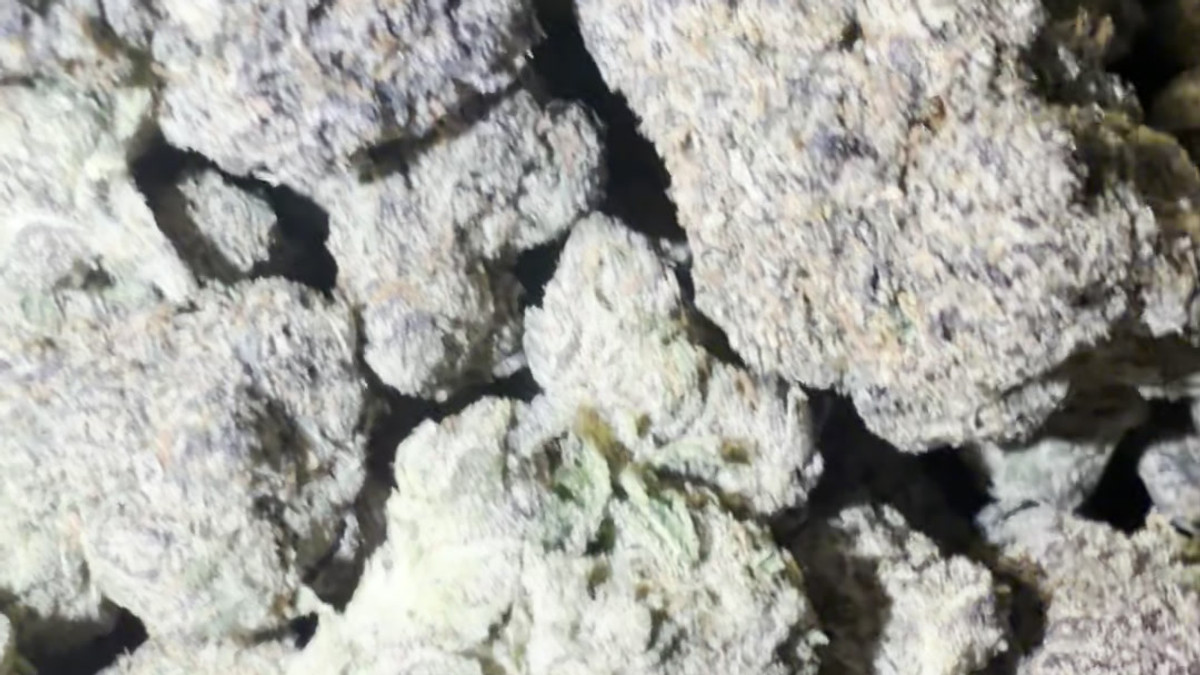
These comparisons are broad, name-based reference points rather than replacements for batch testing. Genetics and effects can differ among producers, so compare the actual terpene and cannabinoid panels whenever possible.
Strain | Type | Flavor | Effect | Best for |
|---|---|---|---|---|
Blockberry | Indica-leaning hybrid | Berry, sweet fruit, earth, pepper | Relaxed, euphoric, calming | Evening sessions and berry-forward flavor seekers |
Blueberry | Indica-leaning hybrid | Blueberry, sweet fruit, floral notes | Calm, mellow, potentially sleepy | Classic fruit flavor and slower-paced use |
Blackberry Kush | Indica-dominant hybrid | Dark berry, grape, earth, spice | Heavy relaxation and physical calm | Experienced consumers seeking a more sedating profile |
Indica-leaning hybrid | Sweet cake, vanilla, pepper | Euphoric, relaxed, sometimes intense | Dessert flavors and stronger evening products |
Medical and wellness reports
Some consumers report choosing Blockberry for relaxation, mood changes, rest, or discomfort, but personal reports do not establish that the strain treats a medical condition. Cannabis responses vary with dose, product composition, tolerance, health history, and other substances or medications.
This section is educational only and is not medical advice. If you are considering cannabis alongside prescription medication or for a health concern, discuss the decision with a licensed clinician who can review your circumstances. Do not use a strain description as a substitute for diagnosis or care.
How to Grow Blockberry
Blockberry is commonly approached as a moderately demanding hybrid: rewarding when the canopy is managed well, but not a strain to grow on autopilot. Because its documented genetics vary, the numbers below are commonly reported ranges rather than guarantees tied to every seed line or clone.
Grow Guru AI’s approach is to prioritize airflow, an even canopy, and patient harvest timing. Those three choices matter more than chasing a maximum number on a breeder sheet.
Use these working ranges as planning tools, then adjust to the phenotype, local weather, container size, and garden environment.
Spec | Details |
|---|---|
Grow difficulty | Moderate |
Indoor flowering time | About 8–10 weeks |
Outdoor harvest window | Late September to mid-October in the Northern Hemisphere, commonly reported |
Yield potential | Indoor: roughly 400–550 g/m²; outdoor: roughly 500–800 g/plant under favorable conditions |
Plant height and stretch | Medium height with moderate stretch; often about 1.5–2.5 times the vegetative height after the flip |
Ideal climate | Warm, dry, stable conditions with strong airflow and controlled humidity |
Mold and pest resistance | Moderate and phenotype-dependent; dense flowers still require prevention |
Grow Difficulty
Blockberry rates as Moderate. It can forgive ordinary temperature swings and a small feeding mistake, but its stretch and flower density demand planning. A crowded canopy, weak airflow, or late-season humidity can create trouble, especially if the selected phenotype produces tight colas.
First-time growers can manage it with a stable environment and simple training, but intermediate cultivators will usually have an easier time reading its appetite and controlling its shape. Experienced growers may enjoy selecting a fruitier phenotype, yet no grower should assume that the strain name guarantees uniform behavior.
Canopy, Training and Pruning
Expect moderate vegetative vigor and medium node spacing, with the plant often stretching noticeably after the change to 12/12. Top once the plant has established several healthy nodes, then use low-stress training to spread the branches before the flip. A SCROG net can help turn vertical stretch into an even flowering surface.
Blockberry generally responds well to topping and LST when the work is done early enough for recovery. Remove weak interior growth and shaded leaves gradually rather than stripping the plant in one pass. Defoliation should support airflow and light penetration, not become a substitute for correct spacing.
Feeding, Climate and Environment
Plan for a moderate nutrient appetite. Avoid excessive nitrogen late in flower, watch leaf color and tip burn, and do not add cal-mag automatically without considering your water source and the plant’s symptoms. A balanced root zone and steady irrigation are safer than aggressive feeding designed to chase yield.
In veg, many growers work around 22–28°C with relative humidity near 55%–70%; in flower, roughly 20–26°C and 40%–55% humidity are commonly used targets. Maintain continuous air movement above and below the canopy, and keep flowers from resting against wet surfaces.
DC, Maryland, and Virginia outdoor growers should take humid Mid-Atlantic summers seriously. Select a sheltered site with morning sun, inspect flowers after rain, prune for ventilation, and consider weather protection near harvest. Blockberry may show moderate resistance to mold and powdery mildew, but dense colas are never mold-proof.
Harvest Timing and Curing
Use trichomes as the main harvest signal: clear heads generally indicate immaturity, mostly cloudy heads often align with a brighter peak, and more amber heads commonly produce a heavier, more settled character. For a balanced Blockberry harvest, many growers look for mostly cloudy trichomes with a smaller amber portion, adjusting to the desired effect and phenotype.
Receding pistils, swollen flowers, and a fully developed berry-and-earth aroma can support the decision, but none is reliable alone. Dry slowly in darkness with controlled airflow, avoiding hot air directly on the flowers. Once the outside feels dry while small stems still bend rather than snap, cure in clean containers and vent carefully during the early stage to protect the terpene profile.
Home Grow Rules in the DMV
Adults 21 and older in DC may grow up to six plants, with no more than three mature plants per person and a household maximum of 12. Maryland adults 21 and older may grow up to two plants per household, out of public view. Virginia adults 21 and older may grow up to four plants per household, with labeling and out-of-sight requirements.
These rules are time-sensitive and other restrictions may apply, including where plants may be visible or accessed. Check current DC, Maryland, and Virginia law before planting. This cultivation section is educational only, not legal advice.
Similar strains worth trying
If you like Blockberry’s reported berry-and-relaxation direction, Blueberry is a natural comparison for a classic sweet fruit profile. Blackberry Kush may appeal to consumers seeking darker berry and heavier physical calm, while Wedding Cake offers a sweeter dessert profile with a potentially stronger, more intense hybrid character.
When choosing among them, compare the actual product rather than relying only on the cultivar name. Look at the terpene panel, total THC, harvest or package date, and the producer’s testing information. The best match may be a less familiar strain with the aroma and potency range you actually want.
The Bud Lords Take
Our take: Blockberry is most interesting when treated as a flavor-led, evening-leaning hybrid rather than a guaranteed effect. The berry identity can make it approachable, but the commonly reported THC range means consumers should still start with the package information and their own tolerance in mind.
For DMV readers, the product format matters as much as the name. Flower and pre-rolls show more of the cultivar’s natural aroma, while live resin and live rosin may preserve a more layered profile; distillate carts and disposables can be convenient but may taste more like their added or reformulated terpene blend. In every case, check the batch label and COA when available.
DC operates under Initiative 71 gifting rules, which are distinct from a conventional regulated retail system, and local rules can change. Maryland and Virginia have their own cannabis frameworks, including different home-grow rules and access pathways. Cannabis products are for adults 21 and older, and consumers should verify current local law before possessing, sharing, growing, or traveling with them.
Blockberry is worth exploring if you want berry-forward aroma, a potentially calming hybrid profile, and enough variation to make batch testing meaningful. Keep notes on the product, dose, time, and effects; that simple record will tell you more about your personal fit than a strain name ever can.
Blockberry FAQ
Here is what most people ask about Blockberry in this area.
Is Blockberry indica or sativa?
It is commonly described as an indica-leaning hybrid. Because the name is used across products with differing or undocumented genetics, the exact balance can vary.
How strong is Blockberry?
Commonly reported flower potency is about 18%–28% THC, but the actual result depends on the batch and format. Always use the package label and batch-specific testing information.
Does Blockberry make you sleepy?
Some consumers report relaxation and sleepiness, particularly at higher doses, while others experience more noticeable euphoria or calm. Effects are personal and cannot be guaranteed from the strain name.
Is Blockberry good for new growers?
It is generally rated Moderate rather than Beginner-Friendly because stretch, canopy density, and humidity control require attention. A first-time grower can manage it with stable conditions, early training, and strong airflow.
Blockberry is not in the Bud Lords menu right now. Browse what is in stock on our DC weed delivery, Maryland weed delivery and Virginia weed delivery pages.
More strain guides: Super Boof, Glitter Bomb, Cereal Milk.
Frequently asked questions
Here is what most people ask about Blockberry in this area.
What Blockberry is?
Blockberry is commonly described as an indica-leaning hybrid with a sweet berry profile and a relaxing, full-body effect. Because cannabis names are not always standardized across breeders, producers, and menus, the exact genetics and potency can vary by batch and source. Commonly reported THC levels fall around 18% to 28%, although a particular flower, pre-roll, cartridge, or concentrate may test outside that range.
How it compares?
These comparisons are broad, name-based reference points rather than replacements for batch testing. Genetics and effects can differ among producers, so compare the actual terpene and cannabinoid panels whenever possible.
How to Grow Blockberry?
Blockberry is commonly approached as a moderately demanding hybrid: rewarding when the canopy is managed well, but not a strain to grow on autopilot. Because its documented genetics vary, the numbers below are commonly reported ranges rather than guarantees tied to every seed line or clone. Grow Guru AI’s approach is to prioritize airflow, an even canopy, and patient harvest timing.
Is Blockberry indica or sativa?
It is commonly described as an indica-leaning hybrid. Because the name is used across products with differing or undocumented genetics, the exact balance can vary.
How strong is Blockberry?
Commonly reported flower potency is about 18%–28% THC, but the actual result depends on the batch and format. Always use the package label and batch-specific testing information.
Does Blockberry make you sleepy?
Some consumers report relaxation and sleepiness, particularly at higher doses, while others experience more noticeable euphoria or calm. Effects are personal and cannot be guaranteed from the strain name.
Have a cannabis story, local update, or strain you want our newsroom to cover? Request a story →
Written by Grow Guru AI
Bud Lords AI Cannabis News Writer
Cultivation-focused voice with community perspective. Covers growing tips, techniques, and cultivation industry news.
Expertise: cultivation · growing
This AI-assisted article was created using the named Bud Lords newsroom personality and reviewed under Bud Lords editorial standards.


Comments