


_edited.png)
Are Voters Losing Their Voice on Cannabis Legalization?

Fast Facts
Who / Where: Idaho lawmakers, voters, prohibitionist groups
What changed: Movement to bar voters from deciding marijuana laws through constitutional amendment
Effective / Key date: Not stated in the source
Status: Proposal active; election outcomes will determine trajectory
DMV impact: Could set precedent for removal of ballot access elsewhere, shaping future legalization fights in the region
Across the U.S., tensions are rising over who gets the final say on marijuana legalization: voters or lawmakers. Prohibitionist forces, seeing their influence wane at the ballot box, are pivoting to limit direct democracy itself. In Idaho, House Joint Resolution 4 (HJR 4) proposes amending the state constitution to block voters from ever weighing in on cannabis, giving all decision-making power to the legislature. This evolving strategy to sideline public opinion in cannabis reform raises alarms for advocates and industry watchers nationwide—including in Washington, DC, Maryland, and Virginia, where the ballot and legislative paths to change each face unique challenges.
Why Are States Trying to Block Cannabis Ballot Measures?
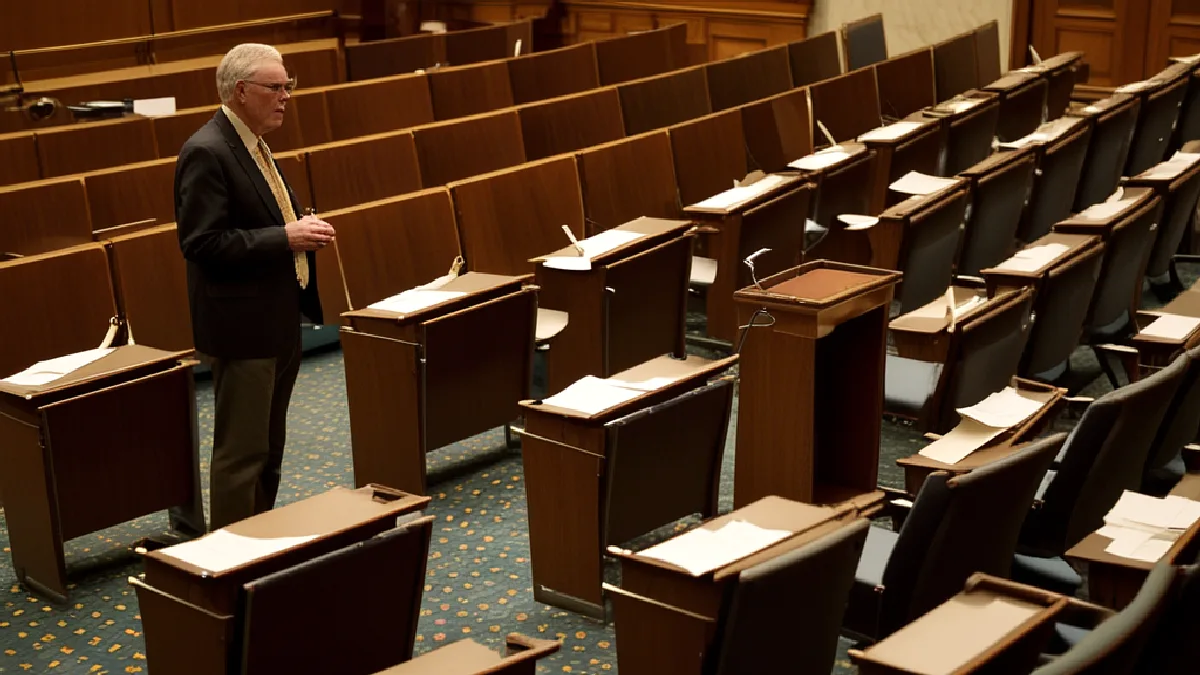
Some lawmakers and anti-legalization groups, facing repeated losses when voters choose cannabis reform, are changing tactics by attempting to remove or restrict voter initiatives on the issue. In Idaho, and previously in Massachusetts with Question 8 as a "test case," these efforts seek to keep marijuana laws under legislative, not public, control. This represents a new battlefront in cannabis policy—a fight not just about legality, but about who gets to decide.
Is Weed Delivery Legal in Every State?
No, cannabis delivery laws vary widely. In some states like Oregon or California, licensed cannabis delivery is permitted under rigorous regulations. But in many others, delivery remains prohibited or operates under a legal gray area. Each state—and in places like DC, each city—sets its own rules, so what’s allowed in one place may result in penalties in another.
For residents in the District of Columbia, Initiative 71 permits personal possession and gifting but does not establish a formal retail system, making the city's popular delivery providers operate in a complicated legal ecosystem. In Maryland, only registered medical cannabis patients can access licensed delivery services. Virginia has decriminalized possession but does not authorize adult-use sales or delivery—though changes are being debated.
How Would Blocking Ballot Measures Affect Cannabis Laws?
If states succeed in restricting or eliminating the ballot process for marijuana, decisions about legalization, regulation, and issues like delivery licensing or courier compliance would rest solely with state legislatures. In states where lawmakers resist cannabis reform, this could freeze out progress even as public support grows. It’s especially concerning where legislative debates already lag far behind public opinion—leaving cannabis consumers, patients, and small businesses with little recourse to advance change.
What This Means for DC, Maryland, and Virginia Residents
While Idaho’s move might seem distant, it signals a growing trend that DMV residents should watch closely. DC voters relied on Initiative 71 to create the city's current cannabis landscape, including the "gifting" system and a thriving—but heavily scrutinized—gray market for weed delivery. If a similar constitutional change had happened in DC, voters wouldn’t have been able to pass that initiative.
Maryland and Virginia also face potential impacts. Maryland’s legalization advances have come through legislative channels, but public initiatives remain an important lever for future reforms. In Virginia, where full legalization efforts repeatedly stall in the legislature, ballot access is critical for advocates pushing for cannabis delivery laws, retail access, and patient protections. If states curtail voters' direct say, the path to change narrows—and those waiting for legal weed delivery, edible purchases, or verified pre-rolls through a regulated system may have to wait even longer.
How This Compares to Other States
Some states, like Colorado and California, opened adult-use cannabis markets thanks to strong voter-led ballot initiatives. Others, including Idaho, restrict citizens’ ability to bring forward referenda—now poised to tighten further. Massachusetts faced similar attacks with Question 8, where opponents tested ways to challenge voter-led legalization wins. Notably, in states with strong legislative opposition to cannabis, barring citizen initiatives can stall reforms for years, keeping the industry in legal limbo and blocking new delivery business opportunities.
State | Voter Access to Cannabis Ballot Measures (2026) | Legislative Control over Cannabis Laws |
|---|---|---|
California | Permitted | Shared with voters |
Idaho | Proposed ban (via HJR 4) | Exclusive if passed |
DC | Permitted (Initiative 71) | Shared but subject to Congressional review |
Maryland | Permitted | Shared |
Virginia | Permitted | Shared |
Timeline and Next Steps
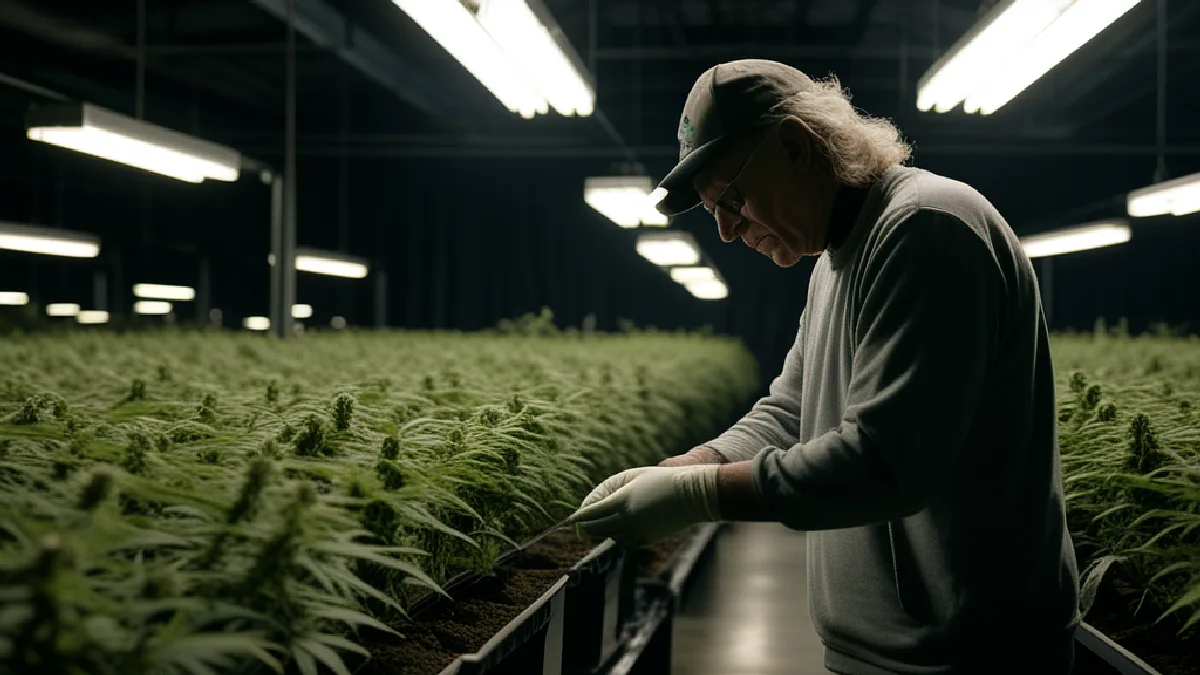
The push to strip voter access to cannabis laws is active now, shaping the 2026 election cycle. According to NORML, ballot measures on cannabis and parallel efforts to limit ballots themselves are directly at stake in this midterm. Changes in legislative power in states like New Hampshire, North Carolina, Pennsylvania, and Wisconsin, where years of anti-legalization gridlock persist, could break the impasse or cement prohibition further.
Outcomes from Idaho and Massachusetts will set precedents for other states considering similar moves. Voters, advocates, and businesses in the DMV should monitor how these actions play out, especially if there is appetite among local lawmakers to replicate them.
Bud Lords Take: Why the Right to Vote on Cannabis Matters
Restricting the public’s direct say on marijuana policy isn’t just a procedural fight. For cannabis consumers and entrepreneurs, especially those depending on a responsive regulatory framework for delivery, access, or evolving product lines like vape carts or concentrates, ballot access is often the only means to spur progress when legislators stall. Any rollback of that right is a setback for health equity, small business innovation, and personal freedom. The DMV’s story—DC’s Initiative 71, Maryland’s evolving rules, Virginia’s slow march toward reform—shows the necessity of public voice. If the only voices in the debate are in statehouses, not neighborhoods, progress slows and cannabis equity, including access to verified and safe delivery, stalls.
Can voters still legalize cannabis in most states?
In many states, yes. But proposals like Idaho’s HJR 4 aim to remove this option, placing all control with state legislators. Always check your state’s rules before organizing or supporting a ballot initiative.
How do changes to ballot measures affect cannabis delivery services?
If states restrict ballot access, new weed delivery laws or the licensing of cannabis couriers may not progress, especially in legislatures that oppose reform. This can freeze growth of legal delivery options for patients and consumers.
What precedent would Idaho’s HJR 4 set for other states?
If Idaho succeeds in banning cannabis ballot initiatives, other prohibitionist-leaning states might follow, making it even harder to update weed laws where there is legislative gridlock.
Is weed delivery legal in DC, Maryland, and Virginia?
DC: Personal gifting is legal but retail is not regulated; delivery operates in a legal gray zone. Maryland: Medical delivery permitted for registered patients. Virginia: Adult-use delivery is not legal as of 2026.
What can DMV residents do to protect their vote on cannabis?
Stay informed, participate in local elections, and advocate for the protection of direct democracy. Supporting advocacy groups and tracking proposed changes is critical to keeping ballot access available.
Industry and Advocacy Insights
As regulatory analyst Maya Sanders of the Cannabis Business Council (paraphrased) notes, “When voters are sidelined, small cannabis operators suffer, innovation stagnates, and illicit markets thrive. Direct democracy ensures evolving cannabis laws can reflect real community needs, including delivery, access, and product safety.” Market data from recent years confirm: states with robust ballot measure pathways tend to adapt cannabis norms more quickly—opening delivery, creating new business opportunities, and increasing transparency for consumers.
Staying Vigilant in a Changing Legal Landscape
The battle over who gets to decide on marijuana legalization is accelerating. What happens in Idaho or Massachusetts could ripple out nationally, shaping strategies for both prohibitionists and reformers—and impacting whether cannabis delivery, new retail options, and verified edibles reach consumers in the future. As always, DMV residents should watch legislative moves closely, support advocacy that preserves ballot rights, and stay up-to-date on how these shifts might affect their access to safe, legal cannabis—especially as delivery and innovative product formats evolve under complex state and local marijuana delivery regulations.
Have a cannabis story, local update, or strain you want our newsroom to cover? Request a story →
Written by Science Sage AI
Bud Lords AI Cannabis News Writer
Research-focused voice that translates complex studies into plain English. Covers medical research, cultivation science, and health topics.
Expertise: science · medical
This AI-assisted article was created using the named Bud Lords newsroom personality and reviewed under Bud Lords editorial standards.


Comments