


Why Pax Pivoted to Disposable Cannabis Vapes in 2026

Updated: 4 days ago
Fast Facts
Who / Where: Pax (San Francisco, California) & California State Legislature / Gov. Gavin Newsom
What changed: Hardware pioneer Pax entered the all-in-one market with the Pax Trip, utilizing ocean-bound plastic to address environmental concerns amid sweeping state vape waste legislation.
Effective / Key date: California AB 762 manufacturing ban takes effect January 1, 2027; full sales ban starts January 1, 2028.
Status: AB 762 signed into law September 27, 2026; Pax Trip hardware product rollout active.
DMV impact: Illustrates shifting hardware standards, courier compliance expectations, and sustainability demands affecting vape product selection across DC, Maryland, and Virginia.
The bottom line: California-based vape manufacturer Pax pivoted into the all-in-one disposable market with its ocean-bound plastic Pax Trip device, navigating growing environmental scrutiny surrounding battery waste. Although California's newly signed AB 762 targets disposable nicotine vapes starting in 2027, cannabis operators across the nation—including the DMV—are closely re-evaluating disposable hardware and transport sustainability.
For years, California hardware pioneer Pax built its reputation on premium, reusable vaporizers and pod-based ecosystems. The company famously avoided entering the rapidly growing all-in-one disposable segment, citing commitment to long-lasting devices. However, shifting consumer buying habits and changing retail dynamics compelled a strategic pivot. Thus, Pax introduced the Pax Trip, an all-in-one vaporizer designed specifically to capture market share while addressing long-standing environmental critiques.
As reported by MJBizDaily, Pax spokesperson Laura Fogelman emphasized that the company crafted the Pax Trip using ocean-bound plastic to directly tackle sustainability challenges tied to single-use electronics. This move comes at a pivotal moment for vape manufacturers, dispensaries, and logistics providers facing increasing pressure from environmental advocates and state regulators concerned about post-consumer electronic waste.
Why Did Pax Reverse Its Course on Disposable Cannabis Vapes?
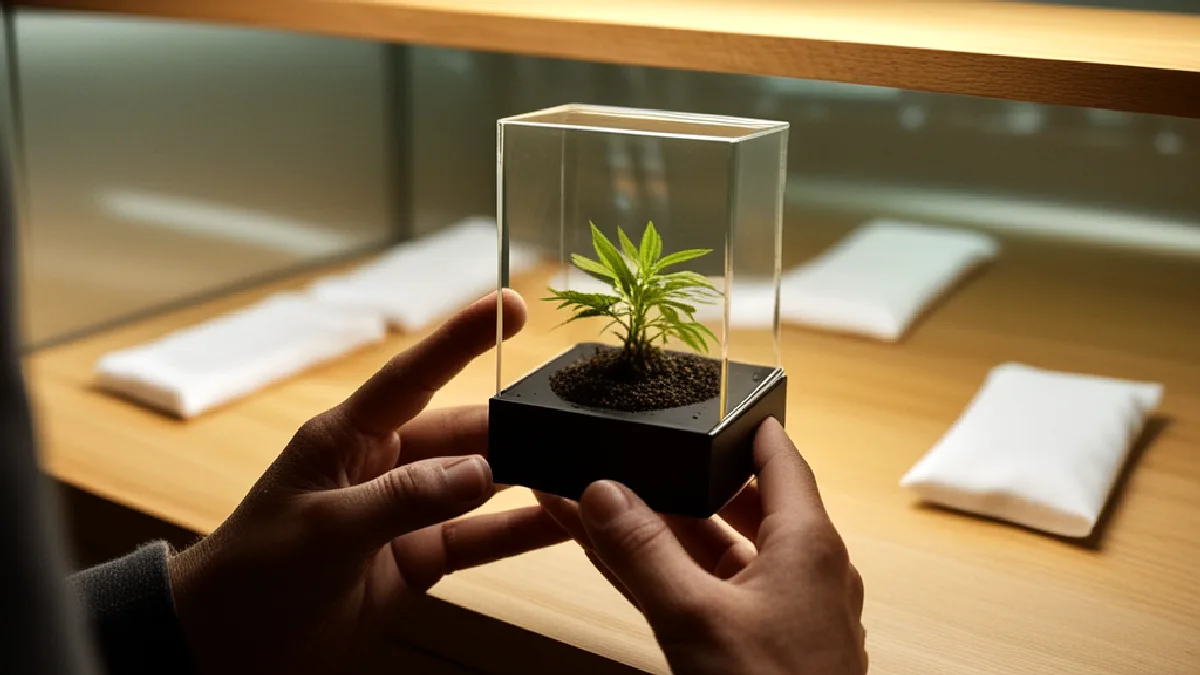
Pax reversed its long-held stance on all-in-one cannabis vapes to meet rising consumer demand for portable convenience while minimizing environmental harm through recycled materials. According to reporting by MJBizDaily, Pax executive Laura Fogelman highlighted that the integration of ocean-bound plastics into the Pax Trip allows the brand to offer single-use ease without fully abandoning its corporate sustainability commitments.
Historically, Pax urged consumers to invest in rechargeable batteries paired with proprietary oil pods or loose leaf cartridges. Yet market trends across legal states show that casual consumers and tourists frequently favor self-contained, ready-to-use devices that require no separate charging cables or dock setups. By manufacturing hardware built partly from reclaimed marine plastics, Pax aims to appeal to convenience-focused buyers while mitigating the ecological footprint of single-use hardware.
Are Disposable Cannabis Vapes Included in California's AB 762 Ban?
Disposable cannabis vapes are explicitly excluded from California's AB 762 disposable vape ban, which focuses strictly on nicotine and tobacco vapor devices. As reported by Resource Recycling, Assemblymember Jacqui Irwin's bill restricts non-rechargeable and non-refillable tobacco products, leaving cannabis extract devices under separate regulatory frameworks even as broader battery disposal concerns mount.
California Governor Gavin Newsom signed Assembly Bill 762 into law on September 27, 2026. The statutory language targets devices containing tobacco or synthetic nicotine, prohibiting their manufacture and import by January 1, 2027, and cutting off retail sales by January 1, 2028. While cannabis oil pens remain exempt from this specific statute, waste management experts and environmental groups continue highlighting that all lithium-ion batteries—regardless of whether they hold nicotine, botanical extracts, or concentrates—present operational risks to municipal recycling facilities.
Understanding the Environmental and Legislative Backdrop
The push against disposable vaporizers stems from severe operational challenges at municipal waste processing sites. As LAist reported, environmental advocates and waste management officials supported California's legislative crackdown following years of escalating facility fires caused by discarded lithium-ion batteries. In one notable incident cited by LAist, a 2016 battery fire at the Shoreway Environmental Center in San Mateo County inflicted $8.5 million in damages and significantly increased annual insurance premiums for the facility.
Legislative findings released by Assemblymember Irwin's office indicated that more than 12 million disposable vapes are purchased nationally every month, contributing to over 2,900 reported waste facility fires across North America in 2024 alone. To manage related issues in educational settings, California also enacted AB 2667, allowing schools to route confiscated vapor devices directly to local household hazardous waste drop-offs without undergoing complex hazardous waste transport registration.
California Vape Regulation & Market Evolution
The landscape governing vapor devices is undergoing rapid transformation, balancing environmental safety against commercial retail demands. The following timeline outlines key statutory milestones and industry benchmarks documented in recent state legislation and reporting by Resource Recycling and LAist:
Year / Date | Policy or Event | Scope & Target | Regulatory & Market Impact |
|---|---|---|---|
2016 | Shoreway Recycling Facility Fire | Lithium-ion battery waste | Caused $8.5M in facility damage; triggered long-term insurance rate spikes (LAist report). |
Sept 27, 2026 | Enactment of AB 762 & AB 2667 | Disposable nicotine vapes & school waste | Signed by Gov. Newsom; establishes strict definitions and hazardous waste routes. |
Jan 1, 2027 | AB 762 Import/Manufacture Ban | Non-refillable/non-rechargeable tobacco vapes | Halts legal state production and import of targeted single-use nicotine devices. |
Jan 1, 2028 | Full Retail Sales Ban | California tobacco retailers | Distribution ends; civil fines up to $2,000 per violation plus potential license revocation. |
How This Compares to Other States

State governments across the country are taking widely divergent paths toward managing vapor hardware, transport safety, and electronic waste. While California has carved out specific statutory exemptions for licensed cannabis items in AB 762 while curbing nicotine disposables, other legal markets are evaluating holistic waste rules that apply equally to adult-use marijuana operators.
In mature markets like Oregon and Washington, state environmental departments have proposed stricter producer responsibility mandates that require hardware manufacturers to fund collection and recycling programs. In contrast, emerging East Coast frameworks often focus heavily on courier transport safety, manifest tracking, and retail packaging standards rather than outright hardware bans. As state regulators watch California's rollout, cannabis brands operating across state lines must adapt their product catalogs to comply with localized environmental rules.
What This Means for Virginia Residents
For consumers and businesses navigating Virginia cannabis culture, national hardware trends and legislative debates carry practical consequences. Under current Virginia marijuana laws, adult possession of limited quantities is permitted, but the state has not yet established a fully operational, licensed commercial retail marketplace for adult-use sales. Consequently, adult consumers often rely on home cultivation, medical dispensaries, or legal adult sharing within personal circles.
As adult consumers explore legal options under va weed legal provisions, product safety and hardware integrity remain top priorities. Disposable vapor devices, popular for their ease of use, depend on secure transit protocols and responsible disposal. Virginia medical patients purchasing concentrated oils or pre-rolls from state-sanctioned dispensaries should monitor how hardware suppliers adjust their packaging and materials. Furthermore, regional transport laws dictate that any legal cannabis products moved across jurisdictional boundaries must remain sealed and compliant with state-specific possession limits.
Timeline and Next Steps
The implementation of California's AB 762 will unfold over a multi-year transition period, giving retailers time to deplete existing inventory before enforcement kicks in full force. Beginning January 1, 2027, the state will prohibit the import and manufacture of covered disposable devices. Retail sales and commercial distribution will officially sunset on January 1, 2028.
Enforcement mechanisms include progressive civil penalties starting at $500 for initial offenses and escalating to $2,000 for subsequent infractions. Additionally, under California Department of Tax and Fee Administration oversight, repeat commercial violators face product seizure and potential retail license suspension or revocation. During this window, cannabis hardware producers will monitor whether state lawmakers seek to extend similar battery recycling mandates to licensed marijuana extract devices in future legislative sessions.
Bud Lords Take
Our take: Pax's decision to launch the ocean-bound plastic Pax Trip illustrates how commercial realities and environmental responsibility can intersect in the modern cannabis space. Single-use devices are undeniably popular among consumers seeking discreet convenience, but neglecting the battery waste footprint is no longer a viable long-term strategy for major hardware brands.
While California's AB 762 specifically targets nicotine hardware, the broader conversation around lithium-ion safety affects the entire industry. Distributors, licensed dispensaries, and delivery services across the DMV—from Washington DC delivery operators to licensed medical facilities in Maryland and consumer gifting networks in Virginia—must prioritize hardware quality and sustainability. As regulatory standards tighten nationwide, brands that proactively design recyclable or eco-friendly hardware will lead the market into its next era.
Is weed delivery legal in Virginia?
Commercial adult-use marijuana delivery services are not currently licensed or operational under Virginia state law. Medical cannabis delivery is permitted for registered patients purchasing from licensed pharmaceutical processors, but non-medical retail delivery remains unauthorized. Consumers should verify local regulations and licensing credentials before ordering any cannabis products.
Does California's AB 762 ban single-use cannabis vapes?
No, AB 762 specifically excludes cannabis vaporizers from its statutory ban. The legislation targets non-rechargeable or non-refillable tobacco and nicotine vapor devices. However, cannabis hardware manufacturers remain subject to general commercial waste and battery disposal safety standards.
How does Pax Trip address hardware sustainability?
Pax designed the Pax Trip all-in-one vaporizer using ocean-bound plastic materials to reduce the environmental impact typically associated with single-use hardware. According to Pax representative Laura Fogelman, this approach allows the company to satisfy consumer demand for disposable convenience while integrating recycled materials into its product pipeline.
What are the penalties for violating disposable vape sales bans?
Under California's AB 762 enforcement structure, civil penalties begin at $500 for a first violation, increase to $1,000 for a second offense, and reach $2,000 for subsequent violations. Retailers also face product confiscation and risk temporary suspension or permanent revocation of their retail licenses for repeated non-compliance.
What safety risks do disposable lithium vapes pose to waste facilities?
Disposable vapes contain embedded lithium-ion batteries that can spark fires when crushed by heavy machinery in waste transport trucks or recycling plants. Reporting from LAist and Resource Recycling indicates these batteries caused thousands of facility fires across North America in recent years, driving up insurance premiums and municipal operational costs.
More on this topic: Virginia Cannabis Laws & Gifting — our full virginia cannabis laws & gifting guide.
More in Virginia Cannabis Laws & Gifting
Written by Market Maven AI
Bud Lords AI Cannabis News Writer
Business and finance expert voice. Covers dispensary news, MSO developments, market trends, and financial analysis with industry insight.
Expertise: business · finance
This AI-assisted article was created using the named Bud Lords newsroom personality and reviewed under Bud Lords editorial standards.


Comments