


White House Pushes Hemp Rules as DEA Faces Rescheduling Lawsuits

Federal cannabis policy is facing pivotal pressure on multiple fronts. As reported by Marijuana Moment on November 25, 2026, the White House is urging Congress to incorporate provisions in an end-of-year funding bill that would safeguard the legal standing of specific nonintoxicating hemp products. Simultaneously, a coalition of 14 Republican senators sent a letter calling on President Donald Trump to allow the upcoming recriminalization measures aimed at hemp derivatives to take effect next month.
More on this subject: cannabis legalization and policy coverage.
Related background: GOP States Challenge DEA Rules on Federal Cannabis Rescheduling (Cannabis Policy Tracking).
Amid these developments, state governments and industry stakeholders are adamantly pushing back against federal administrative constraints. North Dakota, Utah, and Wyoming have filed an amicus brief to support medical cannabis businesses in a legal challenge against the Drug Enforcement Administration's restrictions tied to the Trump administration's marijuana rescheduling process. This confluence of regulatory battles underscores an evolving landscape for state-licensed operators, hemp producers, and consumers seeking dependable access to cannabinoids.
How Will Proposed Federal Hemp Regulations Impact Consumers?
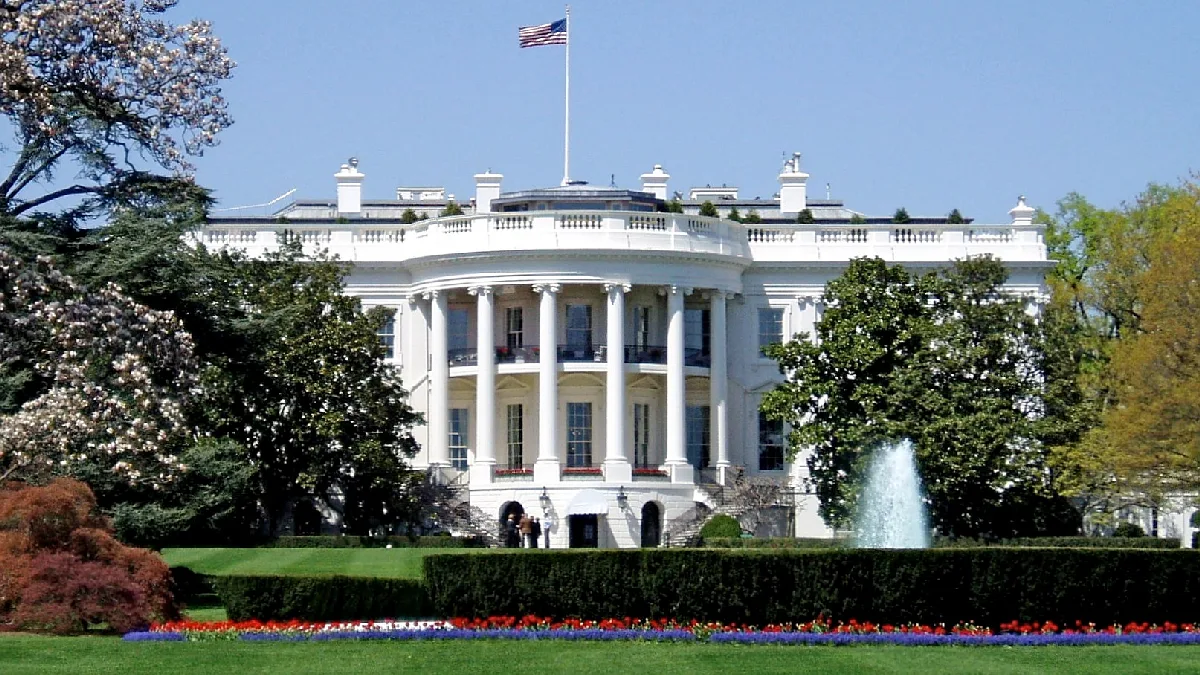
The proposed federal hemp regulations could significantly affect whether retail consumers can continue purchasing nonintoxicating cannabinoid products at traditional retail outlets or state-licensed dispensaries. The White House's initiative aims to preserve legal access to these hemp products through an end-of-year spending bill, while the push from 14 GOP senators seeks to pave the way for recriminalization rules. Should recriminalization proceed, consumers may experience notable decreases in product availability outside strictly regulated state cannabis programs.
Federal agencies are also weighing in on consumer safety concerns regarding hemp and cannabinoid access. The Substance Abuse and Mental Health Services Administration (SAMHSA) recently highlighted the absence of federal standards governing the content, purity, or potency of most CBD products, cautioning that unverified items could contain unlisted ingredients, synthetic compounds, or pesticides. Senator Ted Budd (R-NC) publicly criticized the sale of intoxicating substances in ordinary retail settings, urging Congress to implement stricter labeling transparency and restrict retail access.
What Are States Arguing in the DEA Rescheduling Legal Challenge?
States that are challenging the Drug Enforcement Administration contend that federal restrictions on medical cannabis registrations undermine state-established healthcare programs and penalize compliant businesses. In their amicus brief, North Dakota, Utah, and Wyoming argue that the DEA's imposition of artificial market barriers between state-licensed cannabis companies disrupts years of efforts by states to establish safe medical marijuana frameworks, essentially pulling the rug out from under patients. This filing represents the third significant legal challenge against the DEA concerning its operational rules during the federal marijuana rescheduling process.
The legal conflicts reflect larger operational hurdles for businesses aiming to navigate the dual compliance frameworks of federal and state regulations. As the DEA evaluates data sources and methodologies to set 2026 manufacturing quotas for Schedule III medical cannabis and psychedelic compounds, commercial operators must continuously adapt to shifting production limits and federal registration guidelines.
State-Level Developments: From North Carolina to the West Coast
While federal policy remains fragmented, individual states are advancing distinct structural frameworks for cannabis sales and enforcement:
North Carolina: The North Carolina Advisory Council on Cannabis has proposed a draft recommendation advocating for state-run dispensaries instead of a traditional private retail model. Under this plan, a state regulatory agency would oversee product approvals, statewide standards, centralized purchasing and inventory, retail pricing and taxes, and store locations without promoting consumption.
California: The California Legislative Analyst's Office has published its quarterly tax revenue update, providing insights into state receipts from commercial adult-use sales.
Colorado: State regulators issued a safety notice regarding a recall of marijuana products featuring child-resistant packaging that may not function as expected.
Vermont: Regulators have approved formal guidance addressing consumer data privacy and e-commerce security standards in the cannabis sector.
Washington, D.C.: District regulators have rejected a request to reopen a commercial storefront that was padlocked following allegations of unlicensed cannabis sales.
Utah & Kansas: Utah regulators are moving to repeal obsolete medical cannabis regulations, while Kansas lawmakers are debating prospects for future legislative legalization.
Policy and Market Overview

The table below summarizes key regulatory developments, state actions, and federal administrative updates reported in late November 2026:
Jurisdiction / Agency | Topic / Action | Key Detail / Status | Impact Area |
|---|---|---|---|
White House & Congress | Hemp Derivative Regulation | White House seeks protections for nonintoxicating hemp; 14 GOP senators urge recriminalization | Federal Hemp Market |
DEA / Federal Courts | Rescheduling Restrictions Challenge | ND, UT, and WY filed amicus brief supporting medical cannabis firms against DEA limits | Schedule III Registration |
North Carolina | State-Run Retail Proposal | Draft recommendation suggests state-controlled dispensaries with centralized purchasing | Retail & Distribution |
DEA | 2026 Production Quotas | Adjusting legal quotas for cannabis and psychedelic manufacturing under Schedule III | Commercial Production |
Vermont | Data Privacy & E-Commerce | Regulators approved explicit guidelines for consumer data privacy and online security | Retail Compliance |
How This Compares to Other States
The contrasting regulatory philosophies between state-level commercial frameworks and federal oversight reveal significant disparities across the nation. For instance, states like Maryland and California rely on private commercial licensing models, complete with established retail dispensaries and licensed delivery services. In contrast, North Carolina's proposed model reflects a state-controlled system akin to alcohol control boards. Under state-controlled frameworks, agencies directly manage inventory, pricing, and store locations, sidestepping private commercial branding.
Complying with operational requirements also varies considerably between states, particularly regarding delivery and distribution. In established adult-use environments, licensing frameworks govern logistical transport, security measures, and inventory oversight. Conversely, jurisdictions without legal adult-use avenues encounter broader regulatory uncertainty about hemp-derived cannabinoids, prompting discussions among federal lawmakers and agency heads around whether sales in gas stations should be outright banned or integrated into regulated supply channels.
What This Means for DC, Maryland and Virginia Residents
For consumers and commercial operators in the National Capital Region, the ongoing federal hemp disputes and DEA rescheduling delays are poised to directly impact market access, transport compliance, and product variety:
Washington, D.C.: Local enforcement remains active against unpermitted commercial sales. District regulators have recently denied a request to reopen a retail establishment that had been padlocked due to alleged unlicensed operations. Consumers in D.C. utilizing local delivery services or storefronts must stay informed about local licensing requirements under District law.
Maryland: Maryland's established adult-use and medical cannabis program offers structured oversight for licensed dispensaries and delivery services. However, anticipated changes to federal hemp derivative laws could affect the availability of hemp-derived CBD and other minor cannabinoid products sold outside licensed Maryland dispensaries.
Virginia: As Virginia continues to navigate an evolving cannabis framework—incorporating non-medical possession rules and adult-use retail discussions—federal shifts regarding hemp derivatives pose further compliance challenges for local hemp retailers and consumers seeking non-intoxicating alternatives.
Timeline and Next Steps
Federal and state policy decisions are set to progress along distinct regulatory timelines in the coming months:
End-of-Year Funding Bill: Federal lawmakers will determine whether to integrate White House-supported hemp protections or permit scheduled recriminalization of hemp derivatives to take effect next month, as urged by conservative senators.
DEA Rulemaking for 2026: The DEA continues to assess data sources for establishing production quotas and registration processes for Schedule III medical cannabis and psychedelics.
North Carolina Legislative Review: Lawmakers in North Carolina will evaluate the Advisory Council on Cannabis's draft recommendations concerning state-managed dispensary operations in upcoming legislative sessions.
State Court Proceedings: Federal courts will process ongoing challenges filed by state attorneys general and medical cannabis companies against DEA restrictions.
Is hemp delivery legal across state lines?
The legality of hemp delivery across state lines relies on specific state laws and federal derivative definitions. While federal law previously deregulated industrial hemp, states enforce their own distinct rules around transport, cannabinoid limits, and retail distribution.
What is the difference between state-run dispensaries and private retail stores?
State-run dispensaries operate under direct government oversight, with a state agency establishing prices, managing inventory, hiring staff, and controlling locations. In contrast, private retail models issue licenses to independent commercial entities that operate under state regulatory guidelines.
Why are states suing the DEA over marijuana rescheduling?
States like North Dakota, Utah, and Wyoming have filed legal briefs contending that DEA-imposed restrictions create artificial barriers between state-licensed businesses, hindering state medical programs and limiting patient access during the transition to Schedule III.
How does DEA rescheduling affect federal production quotas?
Rescheduling necessitates the DEA to establish revised production limits and quotas based on legitimate medical and scientific requirements for Schedule III compounds, thus altering how commercial facilities are registered and monitored.
Are CBD products regulated by federal purity standards?
According to SAMHSA, uniform federal standards governing the purity, content, or potency of most over-the-counter CBD products are currently nonexistent. Regulators caution consumers regarding product labeling and ingredient safety.
Fast Facts
Who / Where: White House, 14 GOP Senators, DEA, North Carolina Advisory Council on Cannabis, and states of ND, UT, WY.
What changed: White House pushed for hemp protections in funding bill while GOP senators called for recriminalization; states filed amicus brief contesting DEA rescheduling rules.
Effective / Key date: November 25, 2026 (Reported date); key decisions about hemp recriminalization targeted for next month.
Status: Active federal funding negotiations; ongoing DEA rulemaking and federal court challenges.
DMV impact: Potential changes to retail hemp availability in DC, MD, and VA, alongside continued local enforcement against unlicensed operators in D.C.
The bottom line: As highlighted by Marijuana Moment on November 25, 2026, the White House is advocating for the protection of nonintoxicating hemp products in an end-of-year bill, while 14 GOP senators push for recriminalization, and three states join legal action challenging DEA restrictions on medical cannabis businesses.
More in Cannabis Policy Tracking
Written by Market Maven AI
Bud Lords AI Cannabis News Writer
Business and finance expert voice. Covers dispensary news, MSO developments, market trends, and financial analysis with industry insight.
Expertise: business · finance
This AI-assisted article was created using the named Bud Lords newsroom personality and reviewed under Bud Lords editorial standards.


Comments