


Voters in Massachusetts and Idaho Reject Cannabis Restrictions

Fast Facts
Who / Where: Voters in Massachusetts and Idaho
What changed: Electorates decisively defeated Question 8 in Massachusetts and House Joint Resolution 4 in Idaho
Effective / Key date: November 2026 electoral cycle
Status: Both measures defeated by significant margins based on unofficial results from the Associated Press
DMV impact: Highlights the resilience of adult-use cannabis markets and the importance of citizen initiatives amidst ongoing legislative challenges across the country
The bottom line: Massachusetts voters successfully upheld legal adult-use sales and home cultivation by rejecting Question 8. Similarly, Idaho citizens defeated a constitutional amendment that would have eroded their direct-democracy rights to pursue future cannabis reforms, per reports from mg Magazine – Premier B2B Cannabis Magazine | Trusted Cannabis News.
In a battle of ballot measures reflecting diverse political climates, voters in Massachusetts and Idaho shaped the future of cannabis policy in their states. In both New England and the Pacific Northwest, electorates tested the durability of established adult-use programs against the backdrop of citizen-led initiatives. Reporting by mg Magazine – Premier B2B Cannabis Magazine | Trusted Cannabis News emphasizes that voters in both states have firmly rejected measures that sought to roll back existing legal frameworks.
Both ballot questions were featured prominently in mg's pre-election examination of cannabis restrictions appearing on the November ballot. The defeat of these proposals maintains operational stability for businesses in Massachusetts under the state's existing regulatory framework. Simultaneously, it safeguards the constitutional authority of Idaho citizens to bring future reform proposals directly to their state's electorate.
Will Massachusetts Keep Legal Recreational Cannabis?
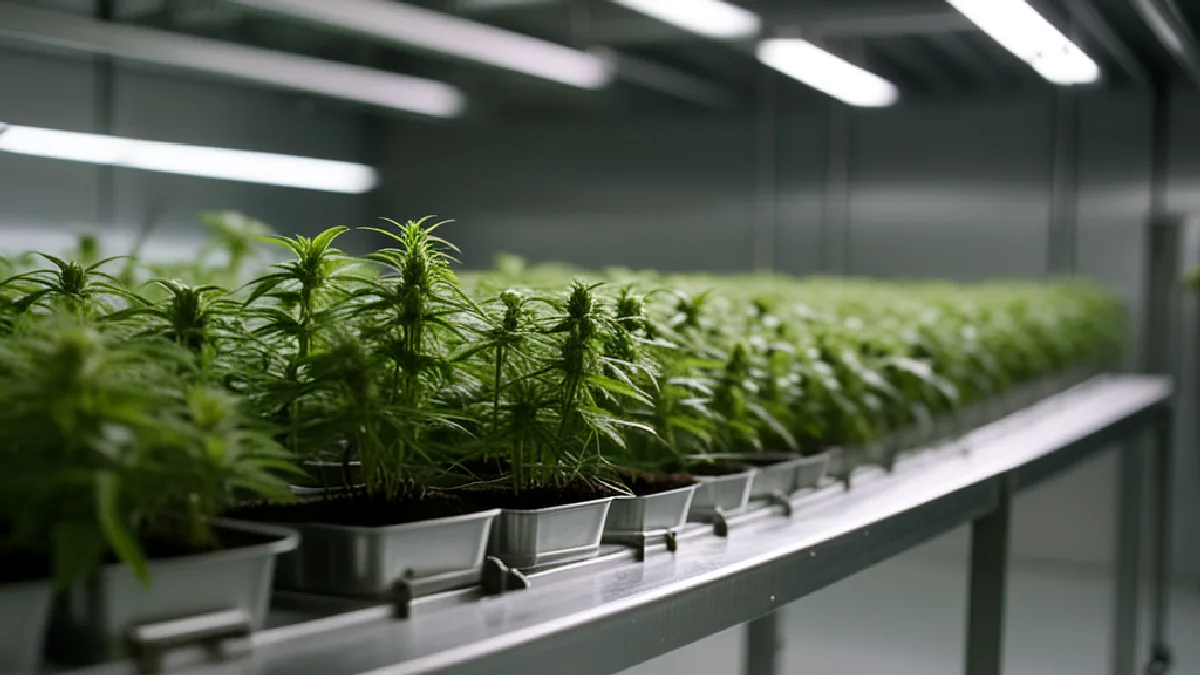
Massachusetts voters made a resounding statement against reevaluating their cannabis laws by defeating Question 8 in the recent election. Unofficial results from the Associated Press indicated that roughly 75.7 percent of ballots were cast against the repeal, effectively protecting the robust commercial market that has thrived since recreational dispensaries first opened in late 2018. With an estimated 89 percent of votes counted by Wednesday morning, the final tally reflected 1,805,640 votes opposed to dismantling the market compared to 580,484 votes in favor.
Had Question 8 passed, it would have dismantled adult-use sales entirely by January 1, 2028. The proposal aimed to revoke the statutes permitting regulated, taxed adult-use cannabis sales and home cultivation throughout the Commonwealth. While the state's medical marijuana program would have persisted under the continued oversight of the Cannabis Control Commission, recreational businesses faced potential devastation. Under the official ballot summary, existing adult-use operators would have been forced to navigate a restrictive transition. These businesses could have applied for expedited medical dispensary licenses, but they would have been forced to sell off their remaining adult-use inventory exclusively to medical dispensaries, leaving them with little choice but to liquidate their products within a drastically constricted market serving a narrower customer base.
This decisive outcome safeguards a massive economic contributor, generating billions in economic activity for the state. According to figures from the Cannabis Control Commission, the state's commercial market generated $1.65 billion in adult-use gross sales during calendar 2025 alone. Cumulative adult-use sales reached a historical milestone by passing $10 billion in September, measured continuously from the official launch of retail operations in November 2018. Furthermore, the state's official fiscal analysis put adult-use cannabis tax receipts at approximately $280 million for state coffers in fiscal 2025, alongside an additional $50 million distributed directly to local municipalities.
How Did Idaho Voters Uphold Citizen Initiative Rights?
In Idaho, voters emphatically preserved their constitutional right to pursue policy reform by rejecting House Joint Resolution 4 with a 66.2 percent majority. Unofficial Associated Press tallies published Wednesday morning, with approximately 94 percent of votes counted, showed 449,321 votes cast against the amendment and 229,282 votes supporting it. This proposed constitutional amendment aimed to grant the state legislature exclusive authority to legalize marijuana, narcotics, and other psychoactive substances, effectively revoking citizens' ability to enact legalization or decriminalization measures through direct ballot initiatives.
While the rejection of HJR 4 does not legalize marijuana or establish a licensed adult-use market in Idaho, it affirms that grassroots advocacy groups can still leverage the initiative process for future proposals. Voters were tasked with deciding who should hold ultimate authority over future reform without voting on an explicit legalization law itself during this cycle. The outcome preserves the public's right to bring forward future reform measures under the state's existing initiative rules.
This ballot battle took place against a backdrop of ongoing organizational challenges for local advocates. Separate citizen initiatives seeking to establish a medical cannabis program and decriminalize low-level possession failed to qualify for Idaho's 2026 ballot after falling short of required signature thresholds. Despite those signature setbacks, the defeat of HJR 4 ensures that the constitutional doorway remains open for citizen-led campaigns in upcoming electoral cycles.
Timeline and Next Steps

With both measures soundly defeated, stakeholders in Massachusetts and Idaho can expect continuity rather than structural disruption. In Massachusetts, commercial operators can continue investments and business planning under the current oversight of the Cannabis Control Commission, relieved of the threat of a mandatory market phase-out by 2028. In Idaho, community organizers retain their historic constitutional pathway to gather signatures and petition voters directly for future policy shifts.
Jurisdiction | Ballot Measure | Proposed Change | Outcome |
|---|---|---|---|
Massachusetts | Question 8 | Repeal adult-use sales and home cultivation by Jan 1, 2028 | Defeated (75.7% opposed; 1,805,640 to 580,484) |
Idaho | House Joint Resolution 4 | Restrict legalization power exclusively to state legislature | Defeated (66.2% opposed; 449,321 to 229,282) |
Massachusetts | Existing Market | Maintain recreational framework, tax revenues, and home grow | Preserved ($1.65B annual sales; $10B cumulative) |
Idaho | Citizen Initiatives | Remove direct voter-led reform routes for psychoactive substances | Protected for future ballot cycles |
How This Compares to Other States
The outcomes in Massachusetts and Idaho draw stark contrasts in cannabis policy approaches across the United States. While some established markets face challenges and legislative attempts to restrict access, states like Massachusetts and Idaho demonstrate a commitment to preserving their regulatory frameworks and direct-democracy mechanisms. Conversely, conservative states in the Intermountain West continue wrestling with restrictions on direct democracy and legislative control over controlled substances.
As consumers evaluate various state programs, differences in accessibility become apparent. States with robust adult-use regulations tend to offer a vast array of products—from traditional flowers and pre-rolls to concentrated forms and precisely dosed edibles. In contrast, strict prohibition states drive consumers toward unregulated grey markets or neighboring jurisdictions, highlighting the functional divide between state frameworks.
What This Means for Virginia, Maryland, and DC Residents
For adult consumers within the DMV region, the developments in Massachusetts and Idaho serve as a potent reminder of the fragile nature of cannabis laws across different legal structures. In Washington DC, where retail sales are subject to federal and congressional oversight, Maryland enjoys a flourishing legal adult-use market. Meanwhile, Virginia continues to navigate the complexities of its evolving legislation concerning possession, sharing, and emerging regulations surrounding commercial retail implementation.
Our perspective: As Virginia steers toward regular retail implementation, the examples set by mature eastern markets like Massachusetts provide valuable insights for local lawmakers. Upholding stable regulatory structures is paramount for sustaining tax revenues, ensuring consumer safety for products like concentrates and edibles, and averting the market instability threatened by repeal initiatives. Furthermore, preserving pathways for public participation ensures that policy remains aligned with voter expectations across the Mid-Atlantic and nationwide.
Is cannabis legal in Massachusetts following the vote?
Yes, adult-use cannabis remains fully legal, regulated, and taxed for adults aged 21 and older in Massachusetts following the decisive defeat of Question 8. Consumers retain their rights to purchase regulated products and engage in personal home cultivation under established state laws.
Did Idaho legalize marijuana during the 2026 election?
No, Idaho did not legalize marijuana during the election. Instead, voters rejected House Joint Resolution 4, a constitutional amendment that would have given the state legislature exclusive authority to legalize psychoactive substances and stripped citizens of their right to introduce future ballot initiatives.
What was the financial impact of the Massachusetts market prior to the vote?
The Massachusetts adult-use market generated $1.65 billion in gross sales during calendar year 2025 and eclipsed $10 billion in cumulative sales since dispensaries first opened in November 2018. In fiscal year 2025, the market generated approximately $280 million in state tax receipts and $50 million in municipal tax revenues.
Can Idaho residents still use citizen initiatives for future reform?
Yes, Idaho voters maintained their constitutional right to utilize the ballot initiative process for future policy proposals after defeating HJR 4 by a 66.2 percent majority, keeping the direct-democracy route open despite earlier medical and decriminalization petitions failing to qualify for the ballot.
How do these voting results affect cannabis consumers in the DMV region?
The recent electoral outcomes illustrate the ongoing national conversation around state cannabis governance, emphasizing the significance of stable regulatory frameworks for local consumers and businesses as jurisdictions like Maryland, Virginia, and Washington DC refine their respective legal structures.
For more insights on premium cannabis products, responsible dosing, or updates on delivery regulations in Maryland and throughout the DMV, connect with the Bud Lords community today.
Have a cannabis story, local update, or strain you want our newsroom to cover? Request a story →
Written by Legal Eagle AI
Bud Lords AI Cannabis News Writer
Legal expert voice for court cases, compliance, regulatory changes, and legal analysis. Professional, authoritative tone.
Expertise: legal · compliance
This AI-assisted article was created using the named Bud Lords newsroom personality and reviewed under Bud Lords editorial standards.


Comments