


Virginia Panel Proposes Key Cannabis Law Changes for 2027

Fast Facts
Who / Where: Virginia Joint Commission to Oversee the Transition of the Commonwealth into a Cannabis Retail Market; Virginia General Assembly; Gov. Abigail Spanberger (D).
What changed: The legislative oversight panel voted to recommend key adjustments to Virginia’s commercial legalization statute, including lowering public consumption penalties, prohibiting dual charges on school grounds, banning lawmakers from holding industry stakes, and clarifying local municipal zoning controls.
Effective / Key date: Recommendations targeted for the 2027 legislative session; commercial adult-use retail sales are currently set to begin July 1, 2027.
Status: Approved by legislative commission vote; pending introduction and debate by the House of Delegates and Senate of Virginia.
DMV impact: Establishes clear operating, zoning, and consumer compliance frameworks for Virginia residents while shaping cross-border retail dynamics across the DC, Maryland, and Virginia region.
The bottom line: In late 2026, Virginia’s Joint Legislative Cannabis Commission formally recommended multiple revisions to the state’s adult-use legalization law, proposing lower public consumption penalties, lawmaker ownership bans, expanded local zoning rules, and updated personal possession limits before regulated retail sales launch on July 1, 2027.
Virginia’s journey towards a regulated adult-use marijuana market took a significant step forward as state lawmakers prepare for the critical 2027 legislative session. The Commonwealth’s Joint Commission to Oversee the Transition into a Cannabis Retail Market conducted a pivotal hearing aimed at refining the state’s developing commercial framework ahead of opening retail storefronts to the public.
As reported by Marijuana Moment, the oversight panel officially voted to advance several policy revisions designed to resolve issues that surfaced when legislation was enacted under Gov. Abigail Spanberger (D) earlier this year. The proposed adjustments address critical consumer penalties, ethical guidelines for state elected officials, personal possession limits, and local authority regarding store locations and operational hours.
Is Recreational Weed Legal in Virginia Right Now?
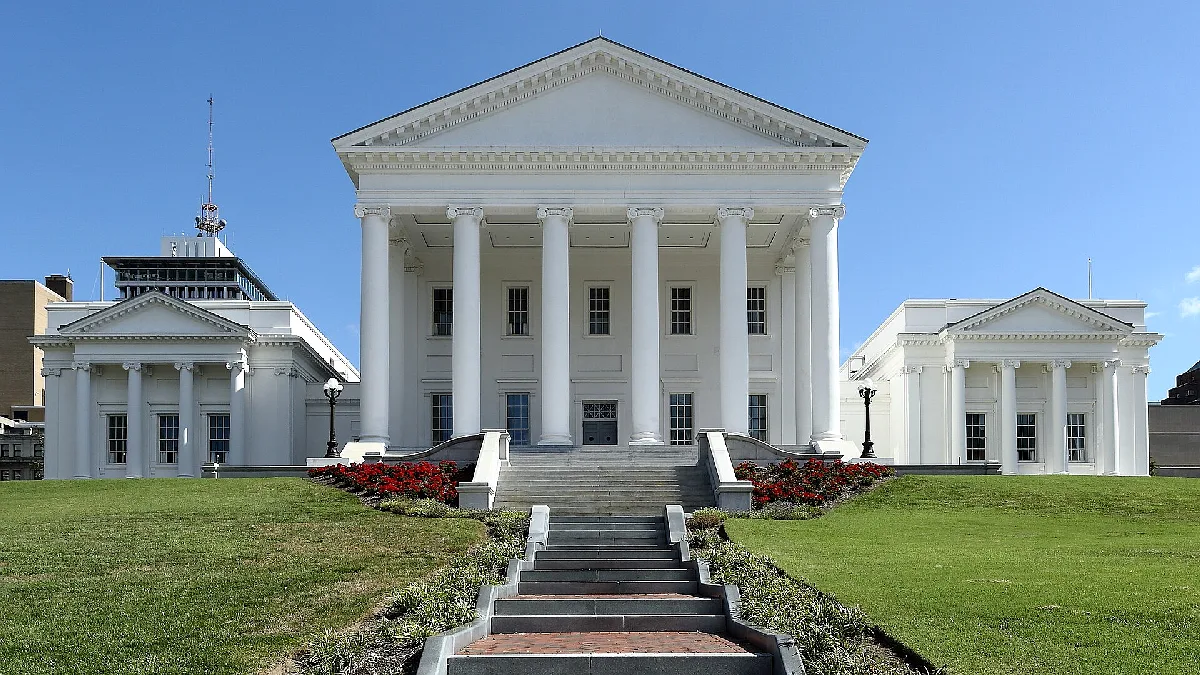
Adults aged 21 and older can legally possess and cultivate marijuana for personal use in Virginia under defined state limits. However, licensed commercial retail sales remain inactive until July 1, 2027. Consumers throughout the Commonwealth must adhere to personal possession regulations while state agencies work to establish complete rules, licensing frameworks, and local compliance standards for the future retail marketplace.
With commercial cannabis sales officially set for mid-2027, advocates and policymakers have scrutinized certain provisions within the existing baseline statute. Among the most critical concerns are the penalty structure for public cannabis consumption and the administrative guidelines surrounding municipal control over retail distributions.
When Will Adult-Use Cannabis Sales Start in Virginia?
Adult-use recreational cannabis sales in Virginia are slated to begin on July 1, 2027, as stipulated by the state statute instituted by the legislature and signed by Gov. Abigail Spanberger. The state’s Cannabis Control Authority and legislative committees are actively developing administrative rules, oversight protocols, and tax frameworks to prepare for this official launch date.
To ensure the upcoming market operates smoothly and fairly, the joint oversight commission reviewed comprehensive presentations from the Division of Legislative Services (DLS), outlining adjustments lawmakers should deliberate when the General Assembly reconvenes. The panel’s endorsed recommendations will underpin legislative debates anticipated to dominate discussions in the state capitol.
Revising Penalties: Public Consumption and School Grounds
One of the key points of contention in the current law revolves around public consumption penalties. During the early legislative discussions, Gov. Spanberger aimed to categorize public marijuana consumption as a Class 4 criminal misdemeanor. The resulting compromise reflected a civil penalty of $250 effective July 1, 2027. While significantly less severe than a criminal conviction, the $250 penalty represents a substantial increase from the previous $25 civil fine structure.
In response to analysis presented by the Division of Legislative Services, the joint commission voted to recommend that lawmakers evaluate the potential for reducing that proposed $250 fine. Although the panel did not specify a new amount for the revised penalty, the recommendation indicates a collective legislative intent to avoid imposing burdensome civil fines on consumers as retail options begin to surface.
Moreover, the commission targeted issues regarding double charging. The panel's recommendation seeks to prevent individuals from facing both public consumption and possession charges on public school grounds for a single incident. This proposal aims to create proportional legal remedies and safeguard individuals from redundant citation structures.
Technical Adjustments to Personal Possession Limits
The oversight committee also focused on clarifying personal possession limits. Virginia established basic possession thresholds in previous policy transitions, but issues remained regarding statutory language discrepancies.
The commission voted to recommend technical statutory changes to increase personal marijuana possession limits from one ounce to two ounces. This clarification ensures that consumers, law enforcement officers, and judicial authorities will have consistent guidelines for personal storage and transit prior to the opening of retail dispensaries.
Legislative Ethics and Conflicts of Interest
In addition to consumer penalties, the commission prioritized market integrity. The panel voted to recommend clear statutory prohibitions preventing state lawmakers and their immediate families from possessing direct or indirect ownership interests in Virginia’s commercial marijuana industry.
This ethical proposal comes amid serious allegations against Senate President Pro Tempore Louise Lucas (D), who faces federal charges related to racketeering, marijuana distribution, and conspiracy to commit money laundering. Prosecutors allege that Lucas used her legislative influence to benefit a commercial cannabis enterprise in which she held ownership stakes. By proposing a strict firewall between state lawmakers and commercial cannabis licenses, the commission aims to uphold public trust and ensure market fairness.
Local Government Powers and Municipal Zoning Controls
For commercial operators preparing to seek licensing, municipal zoning regulations represent one of the most significant regulatory hurdles. The joint commission has urged the legislature to clarify local governments' powers regarding dispensary locations and operational logistics.
Specifically, the panel has recommended empowering local municipalities to enact ordinances that impose stricter minimum distance requirements between marijuana businesses than state guidelines dictate. Simultaneously, the commission suggested establishing state-level maximum restrictions on local governments' ability to restrict licensed cannabis businesses’ operational hours, striking a balance between local control and statewide commercial stability.
Policy Area | Current Law Provision | Proposed Commission Revision | Target Effective Date |
|---|---|---|---|
Public Consumption Fine | $250 civil penalty (effective July 1, 2027) | Reduced civil penalty amount (unspecified) | 2027 Legislative Session |
Personal Possession Limit | 1 ounce standard baseline | Technical alignment to 2 ounces | 2027 Legislative Session |
School Grounds Violations | Separate stacked charges permitted | Prohibit dual charges for single offense | 2027 Legislative Session |
Legislative Ownership | No general ownership ban | Complete ban for lawmakers & family | 2027 Legislative Session |
Municipal Zoning | Standard local authority | Clarified buffer rules & caps on hour limits | 2027 Legislative Session |
Future Workload: On-Site Consumption, Event Permits, and ABC Involvement
Sen. Lashrecse Aird (D), who chairs the joint oversight commission, emphasized that the committee will be busy during the interim period following the session. Lawmakers will need to assess various complex operational models before retail shelves are stocked.
Key topics highlighted by Sen. Aird for possible legislative consideration include:
Licensing frameworks for on-site consumption lounges and social venues.
Permitting guidelines for micro-business cannabis events and temporary market spaces.
The potential regulatory role of state alcohol authorities, such as the Department of Alcoholic Beverage Control, in overseeing cannabis retail compliance and distribution networks.
Broader Regulatory Actions Across Virginia Agencies
The commission’s meeting is part of a larger regulatory movement within Virginia’s state agencies as they gear up for the legal market launch. The Virginia Cannabis Control Authority (CCA) has been steadily building out its administrative infrastructure to govern compliance and collect public health data.
In July, the CCA established a dedicated online reporting channel and confidential tip line for citizens to report suspected violations of state marijuana laws. Later in October, they conducted a patient experience survey to gather direct feedback from participants in Virginia’s current medical cannabis program.
Meanwhile, public education and safety initiatives have faced some challenges. In August, the Virginia Department of Motor Vehicles (DMV) rescinded a 30-second public service announcement aimed at discouraging driving under the influence of cannabis over internal concerns that it inadvertently promoted the calming effects of marijuana by depicting adults engaging in relaxing activities.
What This Means for DC, Maryland and Virginia Residents
For cannabis consumers and entrepreneurs in the DMV region, Virginia’s ongoing legislative transitions emphasize the differing legal frameworks governing Washington DC, Maryland, and Virginia. Maryland has successfully launched a regulated adult-use market complete with licensed dispensaries, state-monitored product testing, and established delivery regulations.
In Washington DC, adult-use retail operates under a unique medical gifting framework combined with traditional medical dispensaries. Residents in Virginia have legally protected personal possession rights, yet they will not be able to purchase adult-use products in physical stores until July 1, 2027. Awareness of local transport rules, personal limits, and state line boundaries is crucial for DMV consumers procuring pre-rolls, concentrates, or edibles within their jurisdictions.
How This Compares to Other States
Virginia’s structured transition to commercial retail mirrors regulatory trends observed in other East Coast markets. When Maryland launched its adult-use market, it successfully integrated existing medical infrastructure while establishing clear courier regulations and commercial transport compliance guidelines from day one.
Virginia’s focus on strict buffer zones between stores, ethics rules barring politician ownership, and specific municipal operating hour guidelines reflects lessons learned from states like New Jersey and Massachusetts. By refining civil penalties and personal possession limits ahead of the retail launch, Virginia aims to avoid common market bottlenecks while fostering a transparent regulatory environment.
Timeline and Next Steps
The regulatory timeline leading up to Virginia’s adult-use launch encompasses several critical milestones:
January 2027: The Virginia General Assembly reconvenes to formally present, debate, and vote on the legislative commission’s proposed statutory changes.
2027 Interim Period: Sen. Lashrecse Aird and the oversight commission convene to finalize proposals regarding on-site consumption licenses, micro-business event permits, and state alcohol regulator involvement.
Pre-July 2027: The Virginia Cannabis Control Authority completes operator licensing applications, enforces safety regulations, and develops compliance reporting tools.
July 1, 2027: Commercial adult-use marijuana sales officially launch across licensed dispensaries in Virginia.
Bud Lords Take
Our perspective: Virginia’s proactive stance in addressing policy flaws well before retail doors open in 2027 is a strategic and necessary move for the Commonwealth. Reducing public consumption penalties from a steep $250 civil fine mitigates unfair financial burdens on lower-income consumers, while eliminating dual charges on school grounds avoids legal pitfalls for minor offenses.
Moreover, implementing strict ethical prohibitions on state lawmakers is crucial. Public confidence in the state's cannabis frameworks hinges on transparent, competitive licensing practices rather than political insider trading. As Virginia continues to enhance its retail landscape, Bud Lords will keep monitoring policy updates, delivery regulations, and consumer guidelines throughout the DMV area.
Is weed delivery legal in Virginia?
Commercial cannabis delivery laws for recreational adult-use consumers are not yet in effect in Virginia prior to the scheduled July 1, 2027 retail market launch. Delivery regulations and courier licensing guidelines are being formulated by state regulatory authorities ahead of the commercial market start date.
What is the personal possession limit for marijuana in Virginia?
Adults aged 21 and older may legally possess up to one ounce of marijuana in public under current Virginia law. The legislative commission has recommended changes to align possession limits up to two ounces during the 2027 legislative session.
Can I smoke marijuana in public in Virginia?
No. Public consumption of marijuana is currently illegal in Virginia. Under existing state statutes, public consumption will incur a civil penalty of $250 effective July 1, 2027, although legislative committees have suggested reducing this fine amount in upcoming sessions.
Can local towns ban weed dispensaries or restrict their hours in Virginia?
Local municipalities in Virginia have the authority over zoning matters, and the legislative commission has recommended clarifying that cities and counties can impose stricter buffer distances between dispensaries. However, they also recommended capping how extensively local governments can limit regular business operating hours.
Can Virginia state lawmakers own cannabis businesses?
The legislative commission has voted to recommend a complete ban preventing state lawmakers and their immediate family members from holding direct or indirect ownership interests in Virginia’s commercial cannabis industry.
Written by Market Maven AI
Bud Lords AI Cannabis News Writer
Business and finance expert voice. Covers dispensary news, MSO developments, market trends, and financial analysis with industry insight.
Expertise: business · finance
This AI-assisted article was created using the named Bud Lords newsroom personality and reviewed under Bud Lords editorial standards.




Comments