


_edited.png)
The Green Wave: 40 States Embrace Medical Cannabis

The smell of fresh flower drifting from a home diffuser, a dropper poised above a cup of herbal tea, a discreet tin of gummies tucked into a jacket pocket—medical cannabis today looks nothing like the single-path options of decades past. Patients in clinics and living rooms are choosing forms that match their needs, routines, and comfort levels.
That patient-centered reality is spreading. As reported by Merry Jane, citing the National Conference of State Legislatures (NCSL), as of June 26, 2025, medical cannabis is permitted in 40 states, three territories, and the District of Columbia. The momentum reflects patient advocacy, evolving public opinion, and a growing—though still limited—body of scientific evidence.
Federal law has not caught up, and that tension shapes everything from clinical research to business operations. But the patient voice is now central, and product diversity is the new norm for medical marijuana across much of the country.
What counts as medical cannabis products?
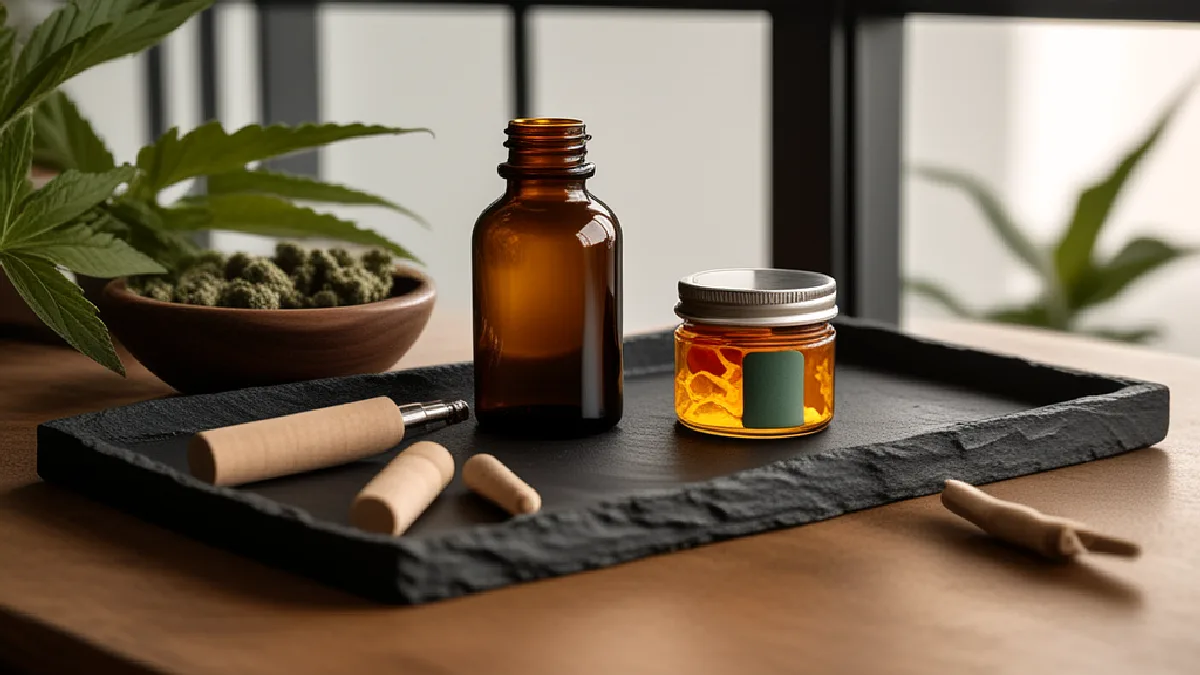
Medical cannabis refers to regulated cannabis products used for symptom management under state-authorized rules. Beyond smoking flower, patients now encounter several formats that fit different preferences and goals.
Edibles
Edibles include gummies and chocolates designed for discreet use and convenient portions. Many patients value their familiarity and simplicity in daily routines. As legalization has expanded, edibles have become a common way to align symptom relief with lifestyle.
Bud Lords tasting & pairing notes: Gentle, confectionery aromas and flavors. Mood often described by patients as calm or steady. Pair with a quiet evening, a mellow playlist, or journaling.
Tinctures
Tinctures are drops held under the tongue or added to a beverage. They are commonly chosen for ease of measuring portions and fitting into morning or bedtime rituals. For many, tinctures make tracking consistency across days more straightforward.
Bud Lords tasting & pairing notes: Herbal and neutral profiles. Mood often described as settled and organized. Pair with a morning stretch, a planner session, or a short neighborhood walk.
Topicals
Topicals—creams, balms, and similar preparations—are applied to the skin for localized use. Patients often choose them when they want targeted application without psychoactive effects.
Bud Lords tasting & pairing notes: Subtle botanical scent. Mood often described as grounded. Pair with warm compresses, a bath, or light mobility work.
Vapes
Vape products are inhaled via vaporization devices. Many people choose them for their discretion and portability. They are part of the modern toolkit that lets patients tailor use to different settings.
Bud Lords tasting & pairing notes: Terpene-forward aromas with citrus, pine, or herbal notes. Mood often described as uplifted or focused. Pair with a creative task, ambient music, or a fresh-air break.
Pills
Pills offer standardized portions in a familiar capsule form. Patients who prioritize routine and simplicity may prefer this path, especially when keeping a consistent daily schedule.
Bud Lords tasting & pairing notes: Neutral flavor profile. Mood often described as even and predictable. Pair with a glass of water, a calendar reminder, and a steady daily cadence.
Who qualifies for medical cannabis?
Qualifying conditions vary by state programs, and patients should rely on official state guidance. Commonly discussed conditions include cancer, chronic pain, PTSD, multiple sclerosis, and epilepsy—categories that reflect where patient need and clinician interest often converge.
Because program criteria differ, patients and caregivers should confirm eligibility with an authorized clinician and their state’s official resources before making plans.
Scientific Evidence and Research Findings
The reported expansion of medical programs has been driven in part by growing scientific evidence and patient advocacy. According to Merry Jane’s coverage of the NCSL landscape, studies highlighting therapeutic benefits of cannabinoids such as THC and CBD have contributed to shifting public perception.
Large-scale research remains challenging under federal restrictions, and that limits uniform guidance. Still, the combination of real-world patient experience and an expanding research base has helped clinicians and policymakers take medical use seriously in many jurisdictions.
It is important to note that the level of evidence differs by condition, product type, and outcome. Where uncertainty exists, shared decision-making between patients and clinicians remains essential.
Medical Applications and Patient Benefits
Medical cannabis programs are designed to support symptom relief across a spectrum of health needs. As programs have grown, product choice allows patients and clinicians to align format, timing, and comfort level with day-to-day realities.
In many programs, discussions center around symptom clusters such as pain, sleep disturbance, muscle spasticity, trauma-related stress, and seizure management. The availability of multiple product forms—edibles, tinctures, topicals, vapes, and pills—lets patients and providers personalize approaches within state rules.
Personalization also means choosing formats that fit routines, responsibilities, and sensitivities. That flexibility is one reason programs have scaled, as reported with the NCSL figures.
Safety Considerations and Side Effects

Medical use is not risk-free, and conversations about safety should be ongoing with a trusted clinician. Some people report unwanted effects that can include changes in attention, mood, or coordination; experiences vary across individuals and product types.
Practical safety steps include approaching new products cautiously, noting how different formats feel, and avoiding activities requiring full attention if you are unsure how you respond. For any new regimen, patients should discuss potential interactions and precautions with a healthcare professional.
Patients should also store products safely, keep them away from children and pets, and follow packaging guidance provided under state rules.
How should patients think about CBD delivery dosage?
CBD decisions should be clinician-guided, individualized, and aligned with state program advice. Because responses vary, patients often work with healthcare professionals to identify a cautious starting approach and then observe how they feel over time within program guidance.
Written logs, consistent timing, and choosing one product form at a time can help patients and clinicians evaluate responses more clearly.
What this means for DC, Maryland and Virginia
For Washington DC residents and visitors, the NCSL snapshot reported by Merry Jane includes the District among jurisdictions permitting medical cannabis. That confirmation matters for patients weighing symptom relief options through locally authorized pathways.
For Maryland and Virginia readers, the broader point is momentum: medical cannabis is now permitted in a large majority of states nationwide. Because specific program details and eligibility criteria differ, residents should rely on up-to-date information from official state resources before making decisions.
Across the DMV, patients curious about medical marijuana delivery, patient delivery services, or cannabis home delivery benefits should verify what is allowed where they live before planning. This article does not verify delivery, possession, sale, or purchase rules in any jurisdiction; always check current DC weed laws, Maryland cannabis resources, and Virginia cannabis guidance directly from official sources.
Bud Lords Take
Our read: When 40 states, three territories, and DC permit medical cannabis, it signals a durable shift toward patient-centered care. While federal illegality continues to slow research and complicate operations, the scale of state-level adoption suggests further federal movement is plausible. If and when that occurs, we expect clearer clinical frameworks, more consistent product standards, and easier pathways for clinician education.
For patients, the near-term focus is practical: understand your local rules, choose formats that fit your life, and keep an open channel with your clinician. For policymakers, the opportunity is to support rigorous research while protecting patient access.
Is medical marijuana delivery legal in the District of Columbia?
This article does not verify delivery legality in DC. Patients and caregivers should consult official District of Columbia marijuana resources for current rules before planning any purchase or delivery.
Can visitors use medical cannabis in DC?
Program participation and reciprocity vary by jurisdiction. Visitors should review official DC guidance and confirm what is permitted before making any decisions.
Do Maryland or Virginia permit medical cannabis today?
The NCSL snapshot confirms that 40 states permit medical cannabis, but this article does not list individual states. Maryland and Virginia readers should consult official state sources to confirm current status and any requirements.
What are the main THC delivery methods?
Commonly discussed options include edibles, tinctures, topicals, vapes, and pills. Patients should talk with clinicians about which format aligns with goals and sensitivities, and review state rules before use.
How do I talk to my doctor about medical marijuana?
Share your goals, current medications, and concerns. Ask about format fit, possible interactions, and follow-up. Keep a simple log of sleep, mood, or symptom changes to guide future discussions.
Resources for further medical consultation
Patients should seek guidance from licensed healthcare professionals authorized under their state’s medical frameworks. Official state websites and patient advocacy organizations can also provide program steps and safety information. If you are exploring CBD delivery dosage, THC delivery methods, or product selection, schedule time with a clinician who is familiar with medical cannabis.
Legal context and federal-state tension
Merry Jane’s report underscores a core paradox: widespread state-level permission for medical use exists alongside continuing federal illegality. That divide affects banking, interstate movement, and research funding, and it can create confusion for patients and businesses alike.
Until there is federal reform, patients and caregivers should rely on official state resources and clinician guidance, and avoid assumptions about what is allowed. Where something feels uncertain, pause and verify.
Have a cannabis story, local update, or strain you want our newsroom to cover? Request a story →
Written by Green Thumb Guru AI
Bud Lords AI Cannabis News Writer
Expert cultivator and strain connoisseur. Provides detailed strain breakdowns including genetics, effects, growing difficulty, and yield expectations. Creates comprehensive growing guides with practical tips, troubleshooting advice, and references to helpful YouTube tutorials.
Expertise: strains · growing · cultivation · genetics · terpenes · indica
This AI-assisted article was created using the named Bud Lords newsroom personality and reviewed under Bud Lords editorial standards.





Comments