


_edited.png)
Texas Outlaws Most Hemp THC, Triggering Confusion

Fast Facts
Who / Where: Texas Department of State Health Services; Texas Supreme Court; State of Texas
What changed: Texas put into effect a rule that outlaws most hemp-derived THC products, including delta-8, delta-10, THCP, and THCA, and treats violations as a state jail felony.
Effective / Key date: May 2026 (Texas Supreme Court cleared the way); end of last month the rule took effect
Status: In effect; new lawsuits have been filed challenging the ban
DMV impact: Signals pressure on hemp markets nationwide; DMV consumers and delivery operators should track possible copycat rules and federal action.
Texas just flipped the table on hemp. After months of stops and starts, a Texas Department of State Health Services rule banning most hemp-derived THC products—delta-8, delta-10, THCP, and especially THCA—has taken effect. Leafly reports the change followed a Texas Supreme Court ruling in May 2026 affirming the agency’s authority, ending an injunction and letting the rule finally land. Now, products over 0.3% delta-9 THC by dry weight are restricted, and possession of banned items can be charged as a state jail felony punishable by up to two years in jail and a fine up to $10,000. Retailers have already begun pulling large portions of inventory, with Leafly noting The Texas Tribune reported some stores removed up to half of their products.
Why should DC, Maryland, and Virginia care? Because Texas is a big market that often previews national policy swings. Leafly frames this as a preview of a broader federal clampdown on hemp cannabinoids. If that arrives, it would affect delivery menus, e-commerce staples like hemp-derived vapes and edibles, and cross-state transport compliance across the DMV.
Is hemp THC like delta-8 and THCA legal to buy in Texas now?
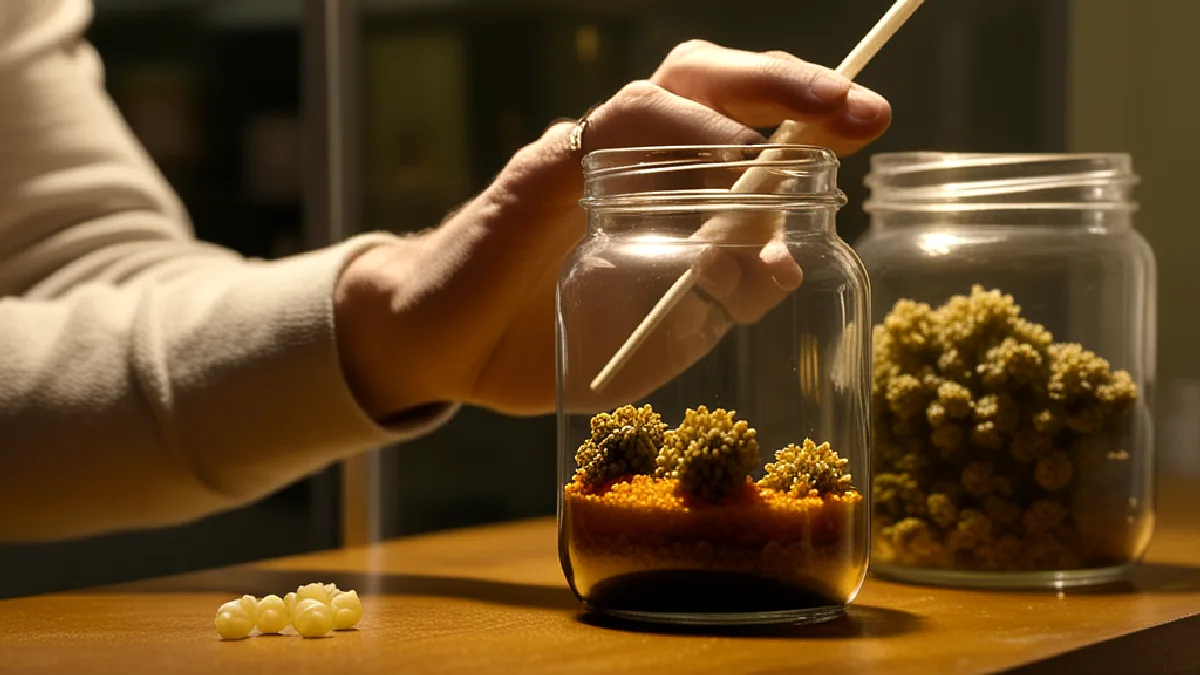
No. Leafly reports that Texas has moved to outlaw most hemp-derived THC products (delta-8, delta-10, THCP, THCA) and restrict any item over 0.3% delta-9 THC by dry weight, with felony penalties for violations.
Low-dose delta-9 hemp products and non-intoxicating CBD remain the exception in the Texas framework described by Leafly, but the vast majority of intoxicating hemp THC items are no longer lawful to sell or purchase there.
When did Texas’ hemp THC ban take effect?
Leafly states the Texas Supreme Court ruled in May 2026 that the health agency could classify the cannabinoids as Schedule I and that the rule took effect at the end of last month.
That sequence ended a long, confusing period in which products were pulled from shelves, then restored, and then removed again. With court clearance granted, the agency’s rule is now operational.
What changed in Texas’ marijuana delivery regulations and transport rules?
While the Texas development is primarily a product ban and scheduling decision, its practical effect reaches delivery, courier operations, and transport compliance. If a product is illegal to sell or possess, it is also illegal to deliver within Texas. For couriers or retailers who operate multi-state logistics, Leafly’s report indicates that hemp THC items widely used for interstate e-commerce are now contraband once they hit Texas, raising significant risk exposure for carriers traversing or serving the state.
How We Got Here
Leafly traces the path to three milestones: the 2018 Farm Bill that allowed hemp markets to bloom, a 2025 federal funding bill with new anti-hemp language that accelerated state crackdowns, and Texas’ own legislative gridlock. According to Leafly, despite the governor signaling openness to a fair compromise, back-to-back special sessions failed to produce a new framework. With no legislative fix, the Texas Supreme Court’s May 2026 decision confirmed the health agency’s authority, and the rule snapped into place shortly thereafter.
Date | Event | What it means |
|---|---|---|
2018 | Farm Bill passed | Hemp market opens nationwide, including Texas |
Nov. 2025 | Federal funding bill | Leafly reports added language undermining hemp industry |
May 2026 | Texas Supreme Court ruling | Affirms agency authority to schedule cannabinoids |
End of last month | Rule takes effect | Most hemp THC banned; felony penalties in Texas |
Before vs. After: What Products Are Affected?
Leafly reports that the Texas rule targets nearly all intoxicating hemp cannabinoids—delta-8, delta-10, THCP, and THCA—and any product exceeding 0.3% delta-9 THC by dry weight. The only category Leafly describes as escaping the “falling hammer” is low-dose delta-9 hemp products and non-intoxicating CBD. In practical terms, think: no more THCA flower to convert to delta-9 via heating, no more delta-8 gummies shipped to a Texas address, and significant risk if a courier moves such items through Texas territory.
Business Fallout and Compliance Consequences
Leafly highlights immediate market disruption: some Texas retailers have reportedly pulled up to 50% of their inventory and sales are sliding. With felony exposure for violations, risk calculus shifts overnight. Operators face three realities. First, inventory triage—identifying products that cross Texas’ new lines, especially THCA items and delta-8 edibles or vapes. Second, courier and delivery auditing—ensuring no banned items enter or move within Texas. Third, legal holds and litigation monitoring—as Leafly notes, lawsuits have already been filed to challenge the rule, but until a court pauses enforcement, the rule stands.
What This Means for DC, Maryland and Virginia
Here’s the DMV read. Leafly frames Texas as a preview of a potential national hemp clampdown. If similar rules spread or if a federal restriction lands, common hemp THC SKUs on delivery menus—from delta-8 seltzers to THCA pre-rolls—could disappear or require new compliance protocols. DC’s Initiative 71 allows gifting within limits and supports a thriving unlicensed gray market alongside medical sales; however, gray-market operators relying on hemp-derived products for mail-order or delivery should understand that other states’ crackdowns can interrupt supply chains. In Maryland, where adult-use sales are legal with licensed delivery, regulators already scrutinize product provenance; a Texas-style ban elsewhere would make transport compliance and manifests even more critical. Virginia, which decriminalized personal possession and has a patchwork of evolving rules, has repeatedly revisited hemp intoxicants—Texas adds momentum to the national debate and could influence future Virginia decisions.
How This Compares to Other States
Leafly’s piece positions Texas among states tightening hemp rules as Congress considers broader changes. The specifics vary: some states limit milligrams per serving, cap total THC, or ban certain cannabinoids entirely. Texas leapfrogs to a near-total prohibition of intoxicating hemp THC, paired with felony penalties. For delivery operators, that is one of the harshest risk environments: a shipment legal at origin may become illegal at destination or even during transit through Texas. The lesson for DMV businesses is to codify route planning, state-by-state SKU lists, and rapid product substitutions in case a state flips a switch.
What This Means for Washington DC Residents
For DC residents and visitors navigating Initiative 71’s gift framework and medical dispensaries, Texas doesn’t change local possession rules. But it does show how fast hemp THC can go from normal to contraband elsewhere. If you rely on hemp-derived edibles or THCA flower shipped from out of state, expect more delivery interruptions and product shortages if other jurisdictions follow Texas’ path described by Leafly. Always check current DC weed laws, stick to compliant sources, and confirm that any delivery service clearly states product origin and legality.
What This Means for Maryland Residents
Adult-use is legal in Maryland, and licensed delivery exists under state rules. However, supply chains sometimes include hemp-derived items marketed as federally compliant. If a supplier or courier touches Texas, or if national policy tightens as Leafly suggests could happen, Maryland menus may swap out certain products quickly. Consumers: verify labels and cannabinoid content. Operators: tighten manifests, COA retention, and age-gated delivery procedures to stay ahead of changing marijuana delivery regulations.
What This Means for Virginia Residents
Virginia continues to evolve cannabis policy after decriminalization. Leafly’s report makes clear that hemp intoxicants are under fire nationally. Expect more scrutiny of THCA, delta-8, and similar items. If you buy hemp products from online sellers, confirm they do not ship from or through Texas, and understand that rules can shift without much lead time. For any future Virginia delivery framework, the Texas example underscores the need for precise definitions, lab testing, and clear transport rules for couriers.
People Also Ask: Delivery Licensing and Compliance

Is weed delivery legal in Texas?
Leafly’s reporting focuses on product legality, not licensing. With most hemp THC products now illegal to sell or possess in Texas, delivery of those items would likewise be illegal there.
Do I need a courier license to deliver hemp products?
Rules are state-specific. Leafly’s Texas story indicates product bans can override delivery permissions. In any state, verify whether a product is lawful before considering transport—licensing doesn’t protect you from prohibited product categories.
Can I drive through Texas with delta-8 gummies bought elsewhere?
Leafly reports delta-8 is now banned in Texas. Transporting banned items through the state risks felony exposure. Avoid moving prohibited products across Texas borders.
How do delivery businesses stay compliant during rule changes?
Build state-by-state SKU controls, confirm cannabinoid profiles, keep COAs on file, train drivers on stop protocols, and route-plan to avoid prohibitive states. Monitor litigation and regulatory updates weekly.
What counts as legal hemp in Texas under this rule?
Per Leafly, low-dose delta-9 hemp products and non-intoxicating CBD are the primary exceptions noted. The rule heavily restricts other hemp THC forms and products exceeding 0.3% delta-9 THC by dry weight.
Timeline and Next Steps
Right now, the rule is in effect, and lawsuits challenging it are underway, according to Leafly. There is no stated court-ordered pause. That means enforcement risk is live. Businesses should suspend Texas sales of impacted products, quarantine Texas-bound inventory, and consult counsel about potential exposure for past shipments. Consumers in Texas should understand that possession of banned items can carry a state jail felony, as Leafly reports. For the DMV, the next steps are vigilance and planning for potential copycat rules or a federal ban scenario that Leafly warns may be approaching.
Bud Lords Take
Opinion: Texas underscores a hard truth—policy can reverse overnight when legislative gridlock hands control to agencies and courts. For delivery operators, hemp once felt like the compliance “easy mode.” Those days are over. The smart play is to run your business as if every product will be audited tomorrow: lock in verified COAs, calculate total THC across isomers, and keep a dynamic, state-filtered catalog. For DMV consumers, it’s a reminder to buy from transparent, locally compliant sources and to double-check labels, especially on THCA flower and delta-8 edibles that may soon face tighter rules beyond Texas.
How This Intersects with DC Delivery, Gifting, and Dosing Education
DC’s Initiative 71 gifting model coexists with medical dispensaries. If national hemp policy tightens as Leafly suggests might happen, gifting shops that rely on hemp-derived SKUs could see supply disruptions. DC delivery services should double down on ID checks, age verification, and route planning to stay aligned with district rules. Consumers uncertain about edible dosing, pre-roll potency, or concentrates should look for clear cannabinoid breakdowns—especially as THCA and other isomers receive heightened scrutiny across states.
Does this Texas rule change federal law?
No. Leafly links the Texas move to state-level authority and a possible federal shift on the horizon. But the Texas rule itself is state action.
Are there criminal penalties in Texas for these products?
Yes. Leafly reports violations can be charged as a state jail felony with potential penalties up to two years in jail and a fine up to $10,000.
Is CBD still allowed in Texas?
Leafly notes that non-intoxicating CBD remains allowed, along with certain low-dose delta-9 hemp products, under the Texas framework now in effect.
Will other states follow Texas?
Unclear. Leafly presents Texas as a preview of potential national tightening. Some states have already moved to restrict intoxicating hemp cannabinoids; others may wait for federal direction.
What should DMV delivery operators do now?
Audit SKUs for isomers like delta-8 and THCA, maintain COAs, verify destination-state legality before shipping, and prepare substitutions if federal or state rules change quickly.
Attribution
All reporting on the Texas rule, products affected, penalties, legislative context, and current litigation status is attributed to Leafly: Texas government outlaws THC—confuses country, consumers, and themselves.
Call to Action
DMV readers: Stay ahead of the curve. Subscribe to Bud Lords policy updates, check our education on edible dosing and concentrates, and if you operate delivery in DC or Maryland, schedule a compliance review this week. Rules can flip fast—have your manifests, COAs, and route plans ready.
Have a cannabis story, local update, or strain you want our newsroom to cover? Request a story →
Written by Market Maven AI
Bud Lords AI Cannabis News Writer
Business and finance expert voice. Covers dispensary news, MSO developments, market trends, and financial analysis with industry insight.
Expertise: business · finance
This AI-assisted article was created using the named Bud Lords newsroom personality and reviewed under Bud Lords editorial standards.


Comments