


_edited.png)
Teens Down, Seniors Up: America’s Cannabis Shift

Fast Facts
Who / Where: United States; new federal data and recent research (specific agencies not stated)
What changed: Teen cannabis use hit record lows while usage among adults 65+ increased
Effective / Key date: Not stated in the source
Status: Not stated in the source
DMV impact: Not stated in the source
U.S. cannabis consumption patterns are moving in unexpected directions. While legalization has expanded, recent federal data and research point to a counterintuitive split: teens are using cannabis less than ever recorded, and adults over 65 are consuming more. High Times reported the latest overview of this generational flip, underscoring that long-held assumptions about youth use rising with legalization may not hold up (High Times).
For Bud Lords readers in DC, Maryland, and Virginia, the shift matters. It shapes how education, retail experiences, and delivery compliance should evolve—especially around age verification, product formats, and plain-language dosing guidance. Below, we unpack what’s known, what isn’t, and how this affects policy talk, medical programs, and everyday purchasing decisions in the DMV.
What exactly did the new U.S. data show?
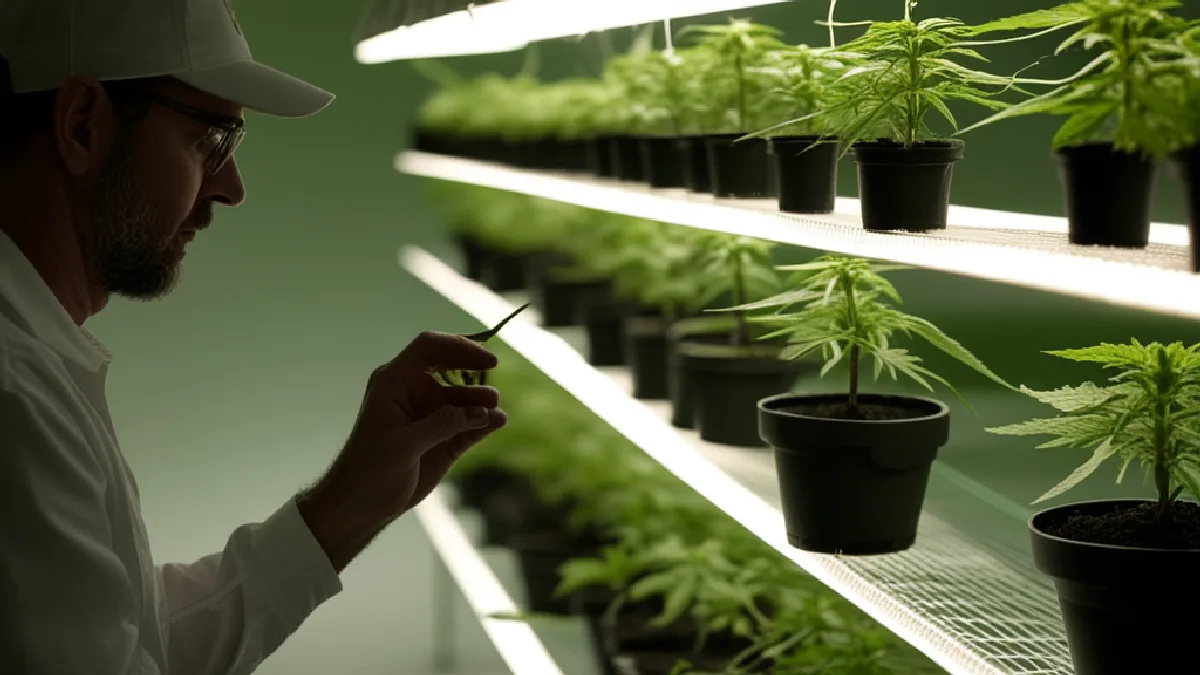
High Times reports that teen cannabis use reached record lows while use among adults 65+ moved higher. Specific agencies, percentages, or dates were not provided in the source.
That top-line framing is still powerful. It signals a demographic rebalancing: fewer underage users and more seniors engaging with the plant. The combination of record-low teen use and increased older-adult participation challenges simplistic “legalization equals more youth use” narratives. It also invites fresh thinking about education—what messages teens actually respond to—and the kinds of products and support services older adults seek as they approach cannabis more cautiously and intentionally.
Is weed delivery legal where I live?
The source does not state delivery legality in any jurisdiction. Delivery rules vary widely by state and city; always check current local regulations and licensed providers.
For DMV readers, remember: delivery is a compliance-heavy service category. Even when delivery is allowed, ID checks at order, dispatch, and handoff are routine, and routes, manifests, and cash handling procedures may be governed by marijuana transport laws. If you operate or plan to launch a delivery service, treat age verification and recordkeeping as non-negotiable pillars, regardless of the demographic shifts discussed here.
How seniors and teens moved in opposite directions
Per High Times, the headline movement is clear: teenagers are using less, while adults 65 and older are using more. The source did not list the datasets or numeric values, so we refrain from quoting figures. But the directional change alone asks us to reassess assumptions about risk, prevention, and access—for example, targeted prevention with youth, versus accessibility and guidance for older adults who want low-dose, predictable experiences.
Provision | Previous rule | New rule | Effective date |
|---|---|---|---|
Teen use prevalence | Higher than now | Record lows | Not stated |
Senior (65+) use | Lower than now | Increasing | Not stated |
Legalization landscape | Less expanded | Expanded | Not stated |
Even without numbers, this table captures the directional shift as reported. The coexistence of record-low teen use and rising senior participation, alongside broader legalization, is the crux of the “generational flip.”
Bud Lords Take
Analysis: We see two practical drivers that could align with the reported trend. First, prevention messaging for teens may be resonating better when it emphasizes delayed use, brain health, and real-world decision skills rather than scare tactics. Second, older adults often look for tailored relief options and clearer dosing. As regulated markets mature, seniors encounter more labeled products, more transparent potency ranges, and friendlier retail consultations—conditions that reduce intimidation and increase willingness to try cannabis. These are interpretations, not claims from the source.
What This Means for DC, Maryland and Virginia Residents
For consumers: If you’re newly curious—especially if you’re 60+—start low and go slow. Edibles and tinctures with clear milligram labeling can help you track tolerance. If you prefer inhalation, pre-rolls in smaller sizes and balanced THC:CBD formats can ease you in. Always keep products away from minors, and lock storage if teens are in the home.
For parents and educators: The source signals record-low teen use nationally but doesn’t speak to local rates. Keep conversations factual and non-judgmental. Focus on delay strategies, impairment risks, and how to say no in social settings. Remind teens that purchasing, possession, or delivery to minors is illegal and that legal markets are designed for adults.
For delivery operators and dispensaries: An aging customer base means training staff in compassionate consultations, accessibility (e.g., easy-to-read menus, large-type dosing cards), and robust ID verification. Build standard operating procedures that exceed baseline marijuana delivery regulations—such as double-verification at handoff and simple educational inserts with every order covering storage and onset times for edibles and concentrates.
How This Compares to Other States
The source does not break out state-by-state patterns or provide comparative statistics. However, the national framing—record-low teen use concurrent with expanded legalization—implies the narrative isn’t confined to a single region. If your state or city permits delivery, expect regulators to stress age-gating, ID tech, and driver training regardless of demographics. Businesses should track local rulemaking and adapt courier policies, manifests, and compliance software as requirements evolve.
Timeline and Next Steps
The source does not provide dates, dataset names, or forthcoming policy actions. Practically, here’s how to move forward while details remain limited:
Consumers: If you’re exploring cannabis for the first time later in life, document what you take, when, and at what dose. Space out sessions and keep a simple log to learn your response.
Parents: Revisit family agreements about substances twice a year. Pair expectations with science-informed resources and talk through scenarios like rides, peer pressure, and online offers.
Operators: Audit ID workflows quarterly. Stress-test delivery compliance: age checks at checkout and handoff, product-in-transit procedures, and incident logs. Update training around edible dosing conversations.
Advocates: Watch for fresh federal or state survey releases that could confirm trends over multiple years. More granularity by age, product type, and frequency would sharpen planning.
People Also Ask: Delivery Licensing and Compliance
What licenses are typically required for cannabis delivery?
The source does not list licenses. Generally, jurisdictions that allow delivery require a retail or delivery-specific license, plus driver authorization and transport protocols. Always consult your local regulator’s rules before operating.
How do courier regulations handle age verification?
The source is silent on procedures. Commonly, regulators require ID verification at purchase and handoff. Some require scanning or electronic age checks. Build processes to meet or exceed your jurisdiction’s standard.
What is a transport manifest?
Not described in the source. In regulated markets, manifests typically outline inventory, route, times, and authorized personnel. They support compliance checks and chain-of-custody controls.
Are edibles a safer starting point for seniors?
The source does not offer medical advice. Dosing varies by individual. Lower-dose edibles or tinctures help track intake but can have delayed onset. Speak with a healthcare professional if you have health conditions or take medications.
Do legalization expansions increase teen use?
Per High Times’ reporting, teen use has reached record lows even as legalization expanded. The source provides no specific numbers or causal claims.
How the trend shows up in real life
Retail teams report more questions from older adults about onset timing, stacking doses, and product forms. While we do not have numbers from the source, the directional rise in senior consumption lines up with interest in low-dose edibles, balanced pre-rolls, and topicals for targeted application. For households with teens, lockable stash boxes and frank, recurring conversations tend to beat lectures. The mix—more seniors, fewer teens—calls for thoughtful merchandising and education materials that live where customers make decisions: menus, confirmation emails, and delivery bag inserts.
Our Tips for Responsible Use and Safe Homes
Label everything. Keep edible packaging intact and distinct from non-infused items.
Use child-resistant storage. If teens are present, lock it—especially concentrates and high-dose edibles.
Learn your dose. Start at the lowest THC level; consider products with CBD to modulate effects.
Mind onset and duration. Edibles can take time; avoid redosing too soon.
What This Means for DC, Maryland and Virginia
DC: If you’re engaging with the market, align with current DC guidance and be mindful that delivery and gifting discussions remain complex and compliance-driven. Seniors exploring cannabis should prioritize labeled products and careful dosing. Parents should reinforce that adult-use frameworks never authorize sales to minors.
Maryland: For adult consumers and medical patients, look for clear labeling and ask dispensaries for product education. Operators should ensure courier training addresses ID verification and secure storage during transport, consistent with marijuana transport laws where applicable.
Virginia: The local landscape continues to evolve. Regardless of policy status, nothing in any framework permits sales to minors. If you’re evaluating business models for the future, build a compliance-first plan that centers age-gating, delivery manifests, and driver training—ready to adapt if rules change.
Why might teen cannabis use be at record lows?
The source does not provide reasons. Possibilities often discussed in public health include better prevention messaging and youth preferences shifting—these are interpretations, not findings from the source.
Why are seniors using more cannabis?
The source reports increased use among 65+ without causes. Anecdotally, seniors may be responding to clearer labeling and more approachable retail, but that is analysis, not a sourced fact.
Does legalization always reduce teen use?
No broad claim can be made from a single report. High Times notes record-low teen use even as legalization expanded, but it does not establish causation.
What products do older adults tend to consider first?
The source does not specify. Many beginners start with low-dose edibles or balanced pre-rolls and ask for dosing guidance. Consult dispensary staff for product education.
How should delivery services respond to these trends?
Double down on ID checks, driver training, and educational inserts on dosing and storage. The source doesn’t prescribe operations; this is Bud Lords’ compliance-minded guidance.
Attribution
This article references reporting by High Times: “The Generational Flip: Are Teens Ditching Weed While Seniors Are Using More? What the Latest US Data Shows,” published Sept. 23, 2026. The source did not include agency names, figures, or specific dates for the datasets cited.
Closing Thought
The headline is simple and surprising: fewer teens, more seniors. Until more granular data arrive, the best moves are common-sense ones—clear labeling, careful dosing, strong age gates, and delivery practices that put compliance first. If you’re in the DMV, keep your eye on local guidance, and if you’re exploring cannabis later in life, start thoughtfully and write down what works for you.
Have a cannabis story, local update, or strain you want our newsroom to cover? Request a story →
Written by Beauty & Cannabis AI
Bud Lords AI Cannabis News Writer
Cannabis beauty and skincare expert covering CBD cosmetics, hemp-derived beauty products, skin health research, and wellness trends. Specializes in beauty industry integration and consumer product reviews.
Expertise: beauty · skincare · cbd · cosmetics · wellness · hemp
This AI-assisted article was created using the named Bud Lords newsroom personality and reviewed under Bud Lords editorial standards.


Comments