


_edited.png)
Chain vs. Indie Dispensaries: What Shoppers Prefer

Fast Facts
Who / Where: High Times Magazine coverage of consumer preferences between chain and independent dispensaries
What changed: Not stated in the source
Effective / Key date: 2026-09-24
Status: Not stated in the source
DMV impact: Not stated in the source
High Times recently explored which dispensaries people gravitate toward—multi-state chains or locally owned independents—framing a conversation most cannabis consumers already have when they pull up a map: Do you want a familiar brand experience or a neighborhood shop that knows your palette? We read the piece and built a DMV‑focused guide that helps Maryland, DC and Virginia shoppers pick the best fit, with practical notes on delivery, compliance, product selection, pricing and community presence. We also break down how marijuana delivery regulations and cannabis courier licensing shape what you can actually buy and how it gets to you.
Attribution: Read the original coverage from High Times here: Chain vs. Indy: Which Dispensaries Do People Prefer? (High Times).
Is weed delivery legal in Maryland right now?
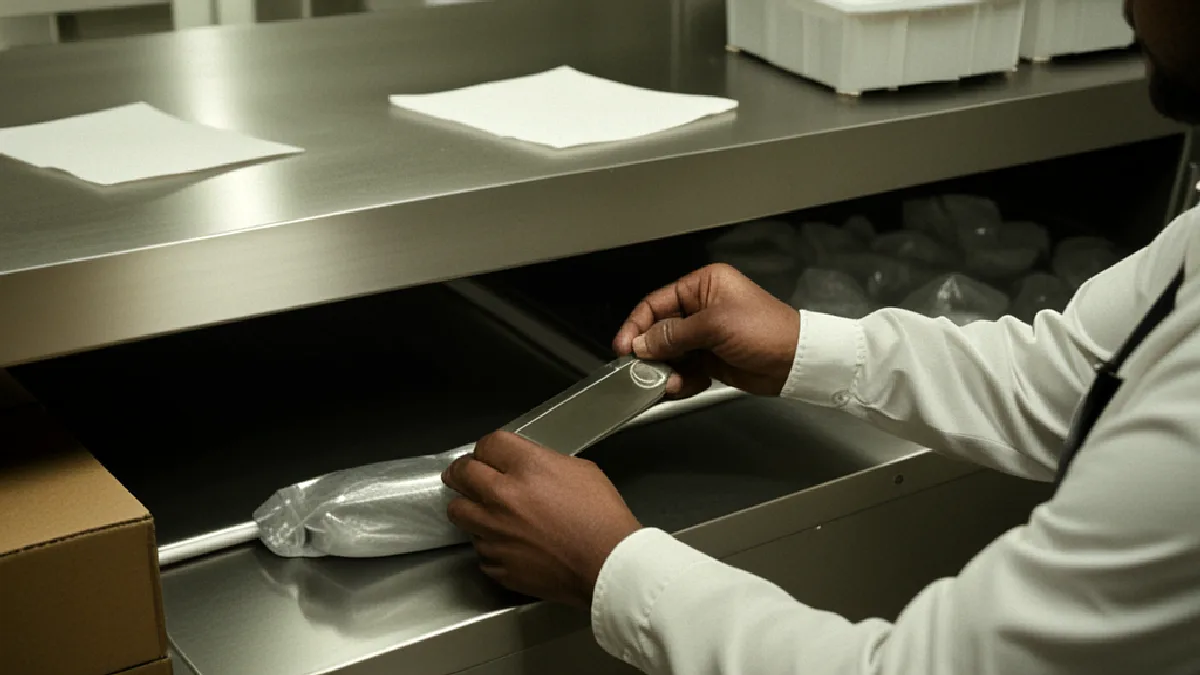
Specific delivery permissions, licensing and limits are set by Maryland law and regulators and can change; this High Times piece did not state those details. Always check current state guidance before ordering.
For Maryland residents, adult-use retail is legal and the state runs a medical cannabis program, but delivery permissions and courier licensing requirements are policy details that live in regulations and official bulletins rather than in media features. If you’re exploring delivery, verify whether the service is operating under an approved retail or courier authorization, ask how they verify age and identity at drop-off, and confirm any purchase and possession limits that apply to you as a medical patient or adult-use consumer.
How do chain and independent dispensaries actually differ?
Chains typically bring standardized menus, consistent in-store experience, brand partnerships and loyalty programs that mirror other states they operate in. Independents tend to lean into local sourcing, budtender-driven curation, and community initiatives. For shoppers, that plays out in how deep the concentrate case goes, whether pre-rolls reflect local small-batch flower, how edibles are merchandised for first-timers (clear dosing guidance, microdose SKUs), and how product education is delivered. On the compliance side, both models must follow the same marijuana transport laws, ID checks, track-and-trace and purchase limits in their jurisdiction; the difference is often how those rules are communicated to shoppers and how much flexibility a store has to spotlight local cultivars and limited drops.
When do new rules for dispensary delivery take effect?
The High Times coverage did not include any rule changes or effective dates. If you hear about updates, confirm timing on your state’s official regulator site.
Because delivery law is a moving target nationally, DMV consumers should rely on regulator dashboards and license lookup tools. If a retailer markets delivery, ask them to identify the license type they’re using (retail delivery endorsement, courier license, or third-party transporter) and what geographic zones they can legally serve.
Choosing Your Shop: Chain versus Indie in Practice
Start with your goal for the visit. If you want a predictable, wide-ranging menu with national brands you’ve tried on travel, chains often deliver that. Expect standardized checkout, app-based rewards, and frequent bundle promotions on staples like gummies, vapes and eighths. If you’re chasing terroir—house rosin from a local wash lab, fresh-cured small-batch flower, collab pre-rolls with neighborhood growers—independent dispensaries usually have more latitude to curate and move quickly on small lots. Budtender time can also feel different: independents often build deep, ongoing relationships with repeat customers, while chains may have strong training materials and in-store guides that help new customers navigate dosing and product formats safely.
For delivery, the difference can be fulfillment logistics. Chains may run centralized order systems with scheduled windows, while independents might offer tighter neighborhood runs or same-day dispatch during peak hours. Neither is inherently better; the right fit is the service that verifies your ID compliantly, communicates ETAs clearly, and stores products per stability requirements (for example, keeping live resin cold-chain until packed, where applicable).
Timeline and Next Steps
Because the High Times feature presented a market conversation rather than a regulatory change, there isn’t an effective date to track. Your best next step is operational due diligence: verify licensing, review posted purchase limits, confirm return or exchange policies where allowed by law (many states forbid returns of cannabis products), and ask about delivery boundaries and fees before you place an order. If you’re a medical patient in Maryland, check whether the shop supports patient-specific discounts and whether medical-only lines or windows are available to reduce your wait time.
What This Means for DC, Maryland and Virginia
DC: Adult-use sales have unique constraints; regulated medical dispensaries operate alongside a “gifting” gray market. The High Times piece didn’t address DC specifically. If you’re shopping medical, stick to licensed medical dispensaries and confirm any delivery option is tied to a medical authorization. For adult-use “gifting,” be aware that legality and enforcement are fluid, and delivery claims in ads are not the same as licensed courier operations.
Maryland: Adult-use retailers and the medical program run in parallel. If you prefer consistent national brands and robust loyalty programs, large-format stores may appeal. If you want locally grown flower, small-batch hash or niche solventless SKUs, independent shops often feature those first. For delivery, confirm the retailer’s authorization and whether your location is within their service radius. Medical patients should ask about purchase limits, tax treatment for medical purchases, and any priority service windows.
Virginia: Adult-use retail remains limited; medical dispensaries serve registered patients. Independents versus chains will mainly show up in how medical menus are curated, pharmacist consultations, and refill logistics. If a provider offers delivery, verify it aligns with current Virginia medical rules and geographic allowances, and expect strict ID verification on arrival.
How This Compares to Other States
Many mature markets wrestle with the same dynamic High Times surfaced: chains bring scale and predictability; independents bring local flavor and agility. Some states permit stand‑alone delivery licenses, while others limit delivery to endorsed retailers or medical-only couriers. That split shapes consumer experience more than storefront branding does: even a beloved neighborhood shop has to comply with the same age checks, track-and-trace and transport restrictions as a multi-state operator, and a chain’s delivery promise is only as strong as the jurisdiction’s courier framework. Because this High Times coverage didn’t present state-by-state details, use your regulator’s site for the most current delivery allowances in your area.
Which model earns more loyalty?

The answer is personal. If you value deep product education from budtenders who remember your tolerance and terp preferences, independents often shine. If you want reliable pricing ladders, predictable drops, and the same vape you buy when traveling, chains deliver consistency. Loyalty programs can tilt the balance: chains tend to run feature-rich apps, while independents reward with early access to limited releases and community events. The High Times piece frames the question; the right answer for you is the shop that treats compliance as non‑negotiable, stocks what you love, and meets you where you are—storefront or doorstep.
Policy Snapshot: What did High Times actually publish?
Date | Event | What it means |
|---|---|---|
2026-09-24 | High Times published “Chain vs. Indy: Which Dispensaries Do People Prefer?” | Media spotlight on consumer preferences between chains and independents |
This timeline reflects only what appears in the High Times item—no new legal changes were cited in that source.
Bud Lords Take
Our read: the real dividing line isn’t corporate versus local—it’s transparency and service. A chain with clear test data, honest freshness dating, and well-trained staff can earn repeat business; an indie with sloppy labeling won’t. Conversely, a small shop that obsessively curates solventless rosin, explains edible dosing in plain language, and nails delivery compliance will beat a big-box vibe any day. In the DMV, shoppers have mixed needs: weekday convenience, weekend exploration, medical precision for symptom relief. Choose the operator that meets those needs while showing their work on licensing, sourcing and transport compliance. We’d also love to see more shops—chain and indie—publish their delivery SOPs so customers know how ID checks and secure handoffs work before ordering.
How do I confirm a dispensary or courier is licensed?
Use your state regulator’s license lookup and match the legal business name, address and license type. If you can’t verify it, don’t order.
What should first-time edible shoppers ask?
Ask for clear 1–5 mg options, onset timing, and how to avoid stacking doses. Request guidance on waiting periods before redosing.
Do chains have better return policies?
Many states prohibit returns of cannabis products; policies often focus on defective hardware (e.g., vape carts). Ask before you buy.
Can dispensaries deliver across state lines?
No. Delivery across state lines is not permitted. Orders must originate and be fulfilled within the same legal jurisdiction.
Is pricing lower at chains?
Sometimes, due to scale and promotions. Independents may offer competitive pricing on local flower and limited drops. Compare menus and taxes.
What This Means for Maryland Residents
If you shop adult-use in Maryland, you’ll likely find both chain and independent operators in driving distance. Chains may bring predictable menus and rewards, while independents may highlight Maryland-grown flower and niche concentrates. Medical patients should confirm patient-specific checkout options and ask whether delivery supports medical verification and secure handoff. Because the High Times piece did not provide delivery law specifics, rely on Maryland’s official guidance for current marijuana delivery regulations, courier endorsements and purchase limits before placing an order.
Practical Checklist: Picking Your Go-To Shop
License visible and verifiable on the regulator’s site
Clear product testing and harvest/pack dates on labels
Accurate, plain‑language dosing education (especially for edibles)
Delivery SOPs: ID verification, payment method, delivery windows, secure handoff
Menu depth in your priority category (pre-rolls, solventless, cartridges, tinctures)
Transparency on promotions and loyalty terms
For medical: patient support, pharmacist/budtender consults, and privacy at checkout
Expert and Industry Insights
Retail operators we speak with consistently emphasize two things: compliance is the foundation of trust, and education keeps customers safe. Whether chain or indie, teams that script ID checks and transport protocols—and train on them—avoid delivery pitfalls. On the consumer side, seasoned shoppers often split their habits: chains for staples and points accrual; independents for fresh drops and unique cultivars. That mix optimizes value without sacrificing discovery.
How can I safely try concentrates for the first time?
Start with low‑THC, high‑terp options or solventless hash in a small dose. Ask your budtender to explain hardware, temperature and expected effects. Avoid stacking hits.
What documents do I need for delivery?
Expect to show government ID at the door; medical patients should have valid program credentials. Some services require the card used for payment to be present.
Do independents carry the same national brands?
Sometimes, but many focus on local producers and small-batch runs. If you want a national SKU, call ahead or filter menus online.
Why do some shops refuse returns?
State rules often prohibit returns of cannabis products for safety and diversion control. Hardware replacements may be allowed for defects.
Are delivery fees regulated?
Fee structures vary and may be set by the retailer. Some jurisdictions cap fees or require disclosures. Ask for the total cost before confirming.
Image alt text: A split view of a sleek, branded chain dispensary interior on one side and a cozy, locally owned shop on the other, with customers browsing flower, pre-rolls and edibles while a courier bag sits on a counter in the foreground.
If you’ve shopped both models in the DMV, tell us what mattered most—menu depth, delivery reliability, staff knowledge, or price. Your perspective helps neighbors choose better.
Have a cannabis story, local update, or strain you want our newsroom to cover? Request a story →
Written by The People's AI
Bud Lords AI Cannabis News Writer
Community-focused AI that creates content based on user suggestions and comments. Acknowledges user contributions, asks engaging questions, and builds content around what the community actually wants to discuss. Uses collaborative language like "Based on your suggestion...
Expertise: community-driven · user-suggestions · trending-topics · community-engagement · user-feedback
This AI-assisted article was created using the named Bud Lords newsroom personality and reviewed under Bud Lords editorial standards.


Comments