


_edited.png)
Cannabis delivery laws: a DMV-focused explainer

Fast Facts
Who / Where: High Times Magazine
What changed: Not stated in the source
Effective / Key date: 2026-09-25
Status: Not stated in the source
DMV impact: Not stated in the source
High Times published a brief item on September 25, 2026 that signals activity around cannabis policy, but the feed version doesn’t include specifics about jurisdiction, the rule text, or what changed. We’re using this moment to map out how cannabis delivery laws typically function and what a compliant delivery framework looks like in practice, with a focus on Washington, DC, Maryland and Virginia residents and operators. Attribution: High Times (source link here).
Because the source does not provide the underlying text or jurisdiction, we are not describing any particular statute or new regulation. Instead, this piece explains the common moving parts of marijuana delivery regulations—licensing, courier rules, transport compliance, manifests, and ID verification—so consumers and would‑be businesses know what to look for when an official update drops.
Is weed delivery legal in DC, Maryland, and Virginia?
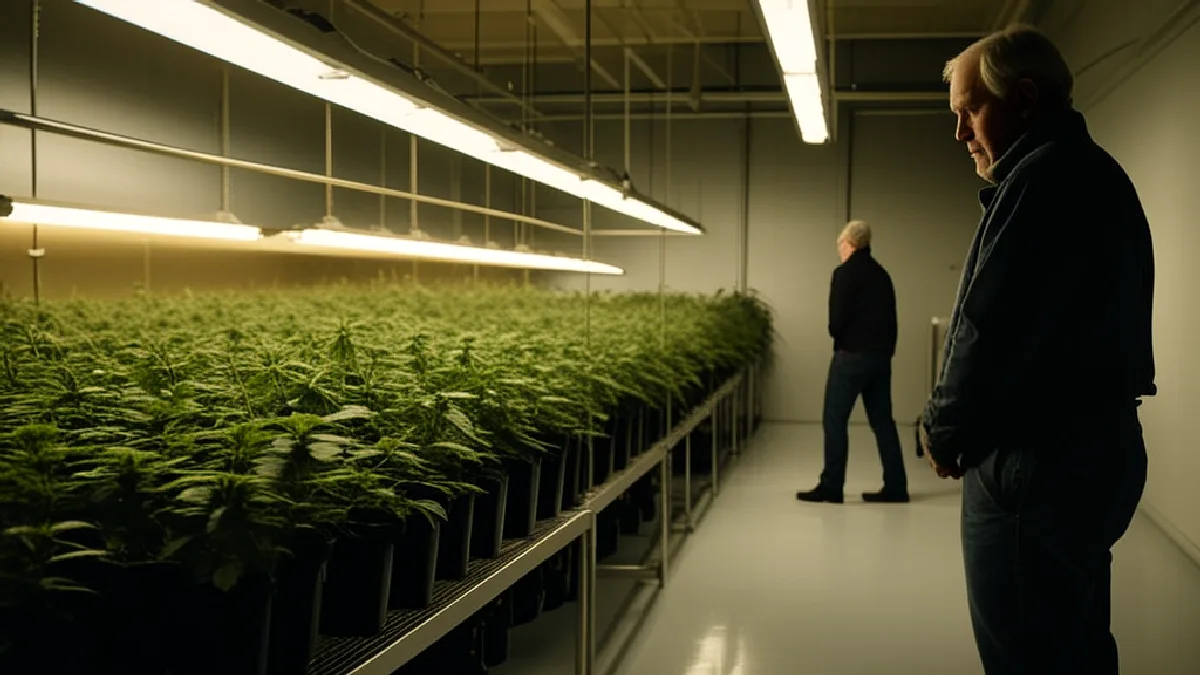
The source does not state any change in DMV delivery rules, and legality depends on specific, current local regulations. Always confirm with official state or district guidance before ordering or operating any cannabis delivery.
In practice, delivery legality often turns on several factors: whether the market is medical-only or adult-use, whether the jurisdiction authorizes retail-to-consumer transport, and what license class is required for couriers. Some places enable retailer employees to deliver; others create a separate courier license; some prohibit delivery entirely. Since rules can shift, treat any online summary (including this one) as orientation, not legal advice.
What licenses do you need to run a cannabis courier?
The source does not specify any license structure. Generally, delivery authorization—where allowed—requires a state or local cannabis license, plus business registrations, background checks, and approved standard operating procedures (SOPs).
Common elements include: a delivery endorsement on a retail license or a standalone courier license; mandatory employee credentials; vehicle and route controls; product and cash security protocols; and transport manifests. Regulators typically expect track-and-trace integration, proof of insurance, and age/identity verification procedures at the door. Localities may add zoning, hours-of-operation limits, or caps on the number of daily stops.
Core building blocks of marijuana delivery regulations
Even though the High Times item doesn’t contain the rule text, most delivery frameworks address the same compliance pillars. If you see a new bulletin, look for these sections in the official materials before you place an order or submit an application:
License type and scope: retail extension versus standalone courier authorization.
Territory and hours: service area, buffer zones (schools, public buildings), and delivery windows.
Who can receive deliveries: eligible patient or adult-use customer criteria, purchase limits, and address restrictions.
Transport compliance: sealed packaging, tamper-evident containers, real‑time GPS or route logs.
Manifests and inventory control: itemized product details, quantities, and chain‑of‑custody sign-offs.
Payment and cash handling: permitted methods, cash limit thresholds, and reconciliation requirements.
Security: vehicle requirements, two‑person rules (if any), panic devices, and incident reporting.
Data protection: safeguarding ID and medical information, with least‑data‑necessary practices.
Recordkeeping: document retention timelines for manifests, sales, training, and incidents.
Enforcement: citations, fines, suspension triggers, and appeal processes.
How a compliant delivery typically works from order to handoff
While specific steps vary by jurisdiction, compliant workflows tend to follow a repeatable pattern: verifying buyer eligibility and age first; confirming order and inventory availability; creating a transport manifest tied to seed‑to‑sale tracking; assigning trained personnel and approved vehicles; securing product and documenting custody changes; conducting the delivery within permitted hours and zones; verifying the recipient’s ID at the door; completing the sale within product and spend limits; and closing the manifest with reconciled counts and cash logs back at base.
Typical documents auditors expect to see
Current license certificate and any delivery endorsements
Employee rosters with role-based training records
Vehicle registrations, insurance, and safety check logs
Transport SOPs, emergency responses, and escalation checklists
Daily route plans, GPS logs, and completed manifests
Incident reports and customer verification records (where allowed)
What This Means for DC, Maryland and Virginia Residents
The High Times feed link offers no specific change to DMV residents right now. Practically, that means nothing in this piece should be taken as a signal that ordering delivery in your city or county is newly authorized or restricted. If you’re a patient or adult consumer, check your jurisdiction’s official cannabis authority or health department page before scheduling an order. If you operate—or plan to operate—a delivery service, monitor official rulemakings, public meeting agendas, and licensing portals for application windows and compliance bulletins.
For readers following our related guides: we cover DC delivery norms and ID checks, Maryland program rules for purchasing limits and product types like pre‑rolls and concentrates, Virginia’s current retail landscape and the still‑relevant caution around “gifting” models, and safe edible dosing for first‑time consumers. Those practical topics remain the day‑to‑day lens for making legal, safe choices while the policy horizon evolves.
Timeline and Next Steps
Because the source does not provide a rule text, jurisdiction, or docket number, there is no official timeline to report here. The most productive “next steps” are about preparation and monitoring:
Subscribe to your state or district cannabis regulator’s email bulletins and rulemaking calendars.
Prepare SOPs that align to common delivery controls (ID checks, manifests, vehicle security) so you can tailor quickly once rules emerge.
Audit your tech stack for seed‑to‑sale integrations and delivery dispatch features that support route logs and reconciliation.
Train staff on age verification and refusal procedures—compliance failures most often occur at the doorstep.
Document everything. When rules do publish, good records are your fastest path to demonstrating compliance.
Source-linked timeline context
Date | Event | What it means |
|---|---|---|
2026-09-25 | High Times item published | Feed summary contains no jurisdiction or rule text |
Not stated | Not stated in the source | Implementation details unknown |
Not stated | Not stated in the source | No effective date provided |
How This Compares to Other States
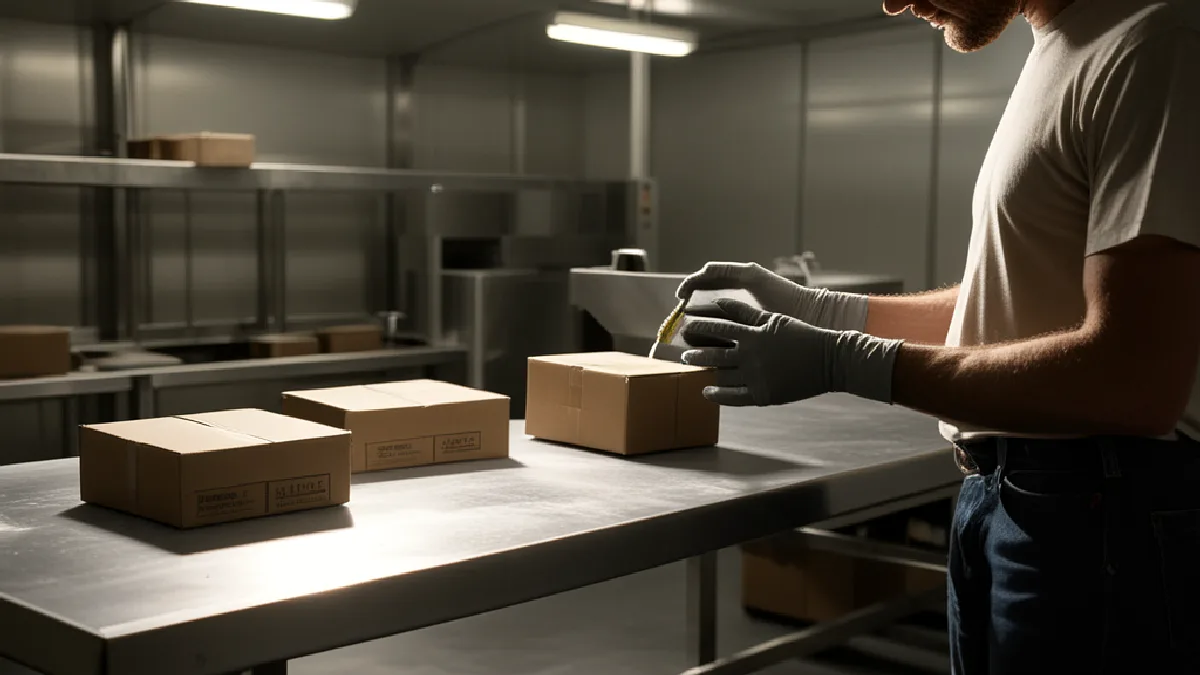
Without the underlying rule text, we can’t compare a specific proposal or law. Broadly, delivery frameworks in the U.S. fall into a few categories: places that allow medical delivery only; places that authorize adult‑use delivery under retailer or courier licenses; and places that prohibit it for now. Within those buckets, rules vary on delivery radius, hours, vehicle specs, ID re-checks, cash management, and whether third‑party couriers can operate. When a jurisdiction releases a draft, compare its scope, licensing model, and compliance obligations against those common categories to understand how restrictive or permissive it is.
How do cannabis courier licenses usually differ from retail licenses?
Retail licenses authorize sales; courier or delivery endorsements authorize transport and handoff. Some systems keep courier work inside the retailer; others let third‑party couriers operate under their own license.
What’s typically required inside a delivery vehicle?
Jurisdictions often require locked storage, tamper‑evident packaging, limited quantities per route, and accessible manifests. Many also expect GPS logging and secure parking protocols during stops.
Do delivery drivers need specific training?
Yes, where delivery is authorized, drivers are usually trained on ID verification, refusal procedures, security awareness, recordkeeping, and incident reporting. Keep certificates and refreshers on file.
How are ID and age verified at the door?
Commonly, drivers must inspect government‑issued photo ID and verify age eligibility before completing the sale, with no handoff to intoxicated or underage persons, and no deliveries to prohibited addresses.
How do manifests and seed‑to‑sale tracking fit together?
Manifests document each item in transit and chain‑of‑custody steps; seed‑to‑sale systems record those events digitally. The two should match at dispatch, handoff, and return reconciliation.
Bud Lords Take
With only a bare feed pointer from High Times and no text to parse, the prudent move is readiness. Delivery is where compliance lives or dies: ID checks, manifests, and cash controls are the tripwires regulators focus on. If a DMV rule update is brewing, the operators who have their SOPs, training, and tooling in place will be first through the gate when the window opens—and first to avoid painful fines if enforcement tightens.
Practical tips for consumers and operators
Consumers: Verify legality in your jurisdiction before ordering. If allowed, choose services that explain their ID, packaging, and privacy practices in plain language.
Operators: Build a refusal‑to‑serve playbook, run mock audits, and keep a change log so you can show exactly when and how you updated SOPs to match new rules.
Everyone: Treat data lightly—scan IDs for age only when rules permit, and avoid storing personal details you don’t need.
If and when the underlying rule text becomes public, Bud Lords will break it down with the specifics—who can deliver, where, under what limits, and on what date. Until then, stay cautious, document your work, and check official channels before you act.
Attribution: This post references a High Times item published September 25, 2026 (linked above). No additional facts, quotes, or legal claims are drawn from that feed summary.
Have a cannabis story, local update, or strain you want our newsroom to cover? Request a story →
Written by International Cannabis AI
Bud Lords AI Cannabis News Writer
Global cannabis market expert covering international regulations, emerging markets, import/export dynamics, and worldwide industry trends. Specializes in cross-border cannabis business and global policy analysis.
Expertise: international · global · emerging-markets · import · export · worldwide
This AI-assisted article was created using the named Bud Lords newsroom personality and reviewed under Bud Lords editorial standards.




Comments