


_edited.png)
Sour Diesel Strain Guide: Fuel Flavor x Energizing Effects x Classic Grow

What Sour Diesel is
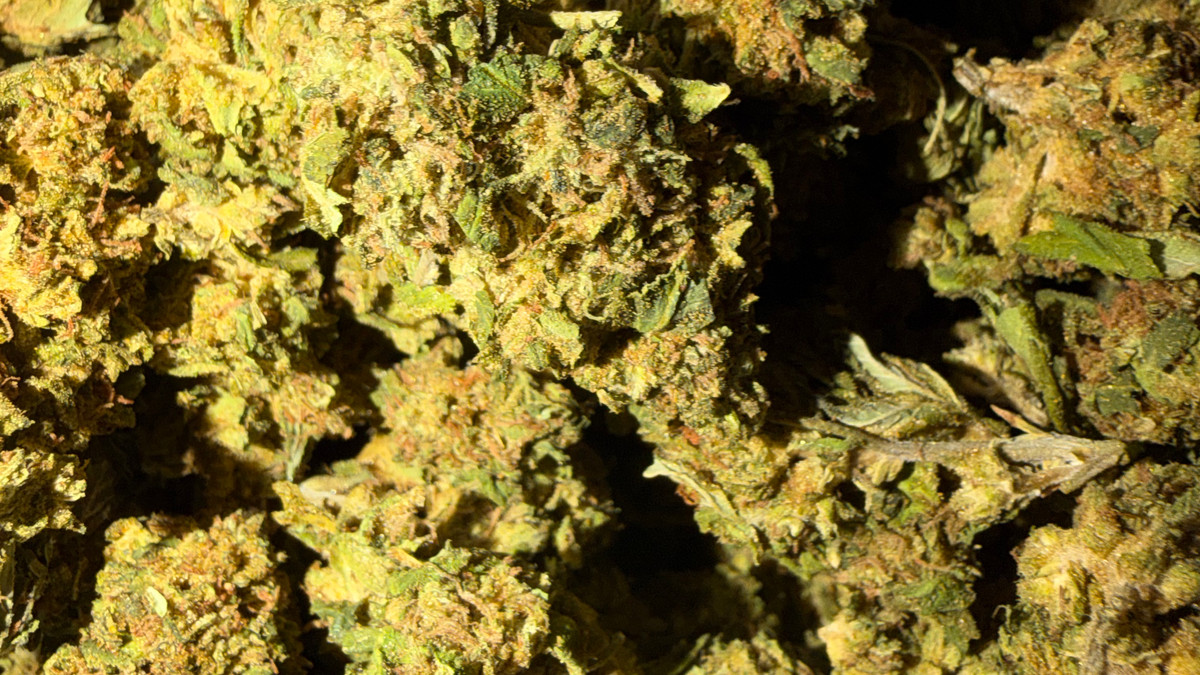
Sour Diesel is a classic cannabis strain commonly described as sativa-dominant, although the exact classification can vary by breeder and product line. Its identity is usually tied to sharp fuel, citrus, herbal, and earthy aromas, along with an alert, active effect profile.
Potency is not fixed. Commercial flower is commonly reported in a broad mid-to-high THC range, often around 15% to 25%, but the number depends on genetics, cultivation, curing, and testing. A higher percentage does not guarantee a better experience, so newer consumers may prefer a lower-potency product and a cautious approach.
Sour Diesel often suits adults looking for a daytime-leaning cultivar with a pronounced flavor and a noticeable mental lift. People who are sensitive to racy or stimulating effects may find it less comfortable, especially in concentrated formats or at higher amounts.
Product Highlights
This quick reference describes commonly reported Sour Diesel traits, not a guarantee for every batch. Always use the package label and current certificate of analysis for the specific product in hand.
Spec | Details |
|---|---|
Strain type | Commonly described as sativa-dominant; classification varies by producer |
Commonly reported THC range | Often reported around 15%–25% in flower, with substantial batch-to-batch variation |
Dominant terpenes | Frequently associated with caryophyllene, limonene, myrcene, and sometimes pinene |
Effect profile | Alert, cerebral, energetic, creative, and potentially intense |
Best time of day | Daytime or early evening for consumers who tolerate stimulating cultivars |
Available formats | Flower, pre-rolls, live resin, live rosin, distillate cartridges, and disposable vapes |
Lineage and genetics
Sour Diesel’s history is famous but not perfectly settled. It is commonly linked to a cross involving Chemdawg, Super Skunk, and Northern Lights, while other accounts describe a more complicated exchange of cuts and selections within the early underground cannabis scene.
Because modern products may use different seed lines, clones, or breeder selections, “Sour Diesel” can describe a family resemblance rather than one universally verified genetic fingerprint. The familiar name tells you what profile to expect, but it does not prove that every current product descends from the same original plant.
The strain is often placed in the broader diesel and Chemdawg-related family. Breeder history is therefore best treated as commonly reported cannabis lore unless a producer provides documented lineage for its particular release.
Aroma, flavor and terpene profile
The signature Sour Diesel aroma is usually described as fuel-like, sour, sharp, and skunky, with citrus peel and herbal notes underneath. Some phenotypes lean toward rubber or solvent-like intensity, while others show more lemon, pine, or earthy sweetness.
Terpenes help explain those impressions, but they are not a complete flavor map. Caryophyllene may contribute peppery spice, limonene can support citrus character, myrcene is often associated with earthy and herbal notes, and pinene may add a pine-like edge.
These compounds occur in varying proportions, and two Sour Diesel batches can smell noticeably different. Storage also matters: heat, light, oxygen, and time can flatten aroma, so a terpene-rich label does not guarantee that every package will taste equally vivid.
Reported effects and common uses
Consumer descriptions commonly emphasize a quick mental lift, increased focus, conversation, creativity, and a feeling of physical momentum. Others report restlessness, racing thoughts, dry mouth, or an effect that feels too intense when the dose is larger than expected.
People often choose Sour Diesel for daytime projects, social settings, music, outdoor activities, or creative work. Those are personal-use reports, not medical outcomes, and the same product can feel different depending on tolerance, setting, sleep, food, and other substances.
Newer consumers should remember that inhaled cannabis can feel strong within minutes, while edible products may take much longer to show their full effects. Avoid driving or operating equipment after consuming cannabis, and keep products away from children and pets.
Formats and hardware
Flower and pre-rolls provide the most direct way to experience a Sour Diesel cultivar, with aroma and combustion shaping the final profile. Pre-rolls are convenient but may use trim, flower, or a blend, so the label matters more than the format name alone.
Live resin and live rosin preserve more of the plant’s aromatic character than many highly refined oils, though the final experience depends on the starting material and processing. Distillate cartridges and disposables often deliver a cleaner, simpler cannabinoid profile, with botanical or cannabis-derived terpenes added to create a Sour Diesel-style flavor.
How vape hardware changes the experience
A cartridge or disposable typically contains a reservoir, a heating element, and a mouthpiece. The chamber stores oil, while the coil or ceramic element warms it into vapor; draw-activated devices use an airflow sensor instead of a traditional button.
Lower settings, commonly about 2.2 to 2.8 volts on adjustable 510 hardware, can preserve flavor and reduce harshness. Higher settings, often around 3.0 to 3.6 volts, may produce a denser draw but can mute delicate terpenes or make the vapor feel hotter. Device specifications vary, so treat these as general educational ranges rather than a universal setting.
Live resin and live rosin often deliver a fuller, more layered aroma and may feel immediate because they are inhaled concentrates. Distillate can feel similarly fast but may taste more focused or added-terpene-forward. Never use a cartridge on hardware that is damaged, leaking, or incompatible with the manufacturer’s instructions.
Batch testing and label reading
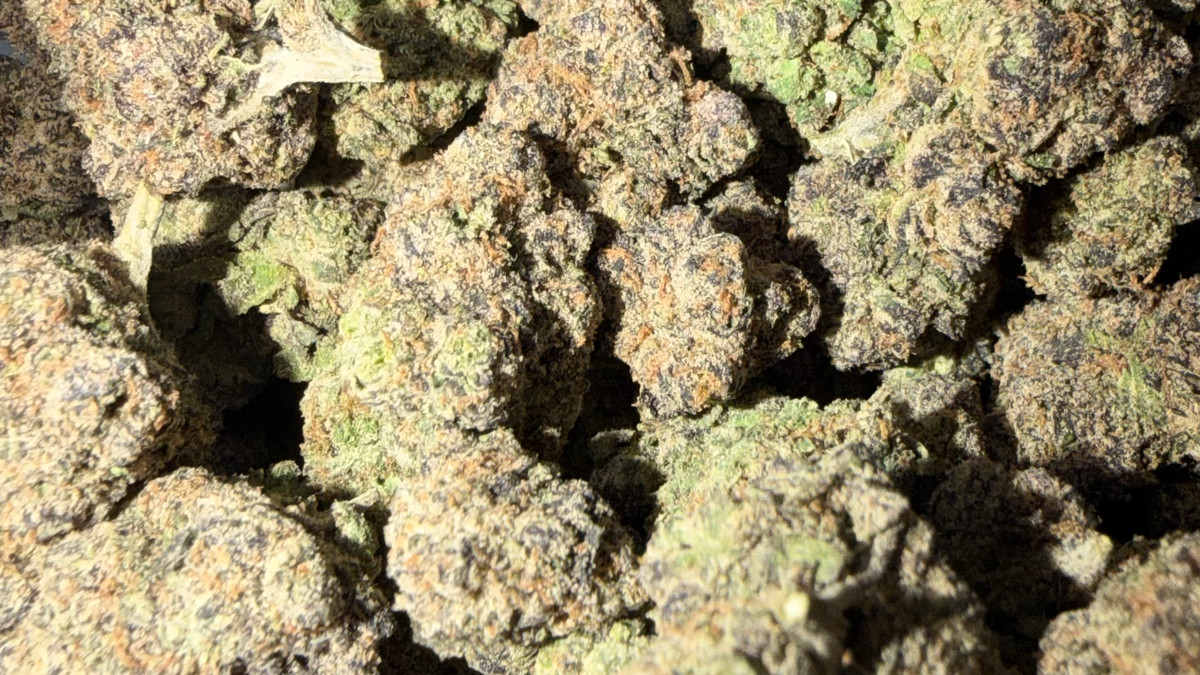
A certificate of analysis, or COA, is a laboratory report connected to a particular cannabis batch. Look for the product name, testing laboratory, sample or batch number, test date, cannabinoid results, terpene results when available, and required safety panels.
The batch number on the package should match the number shown on the COA. Cannabinoid percentages describe the tested sample, not a permanent strain trait, and terpene percentages can shift with genetics, harvest timing, curing, extraction, and storage.
Testing may also address contaminants such as pesticides, heavy metals, microbial impurities, residual solvents, or mycotoxins, depending on the jurisdiction and product type. A COA supports informed reading, but it does not turn a cannabis product into medical advice or guarantee a particular personal effect.
How it compares
Sour Diesel is easiest to understand beside other classic cultivars with strong citrus, fuel, pine, or cerebral reputations. The comparisons below are broad descriptions, because phenotype, producer, and batch can change the experience.
Strain | Type | Flavor | Effect | Best for |
|---|---|---|---|---|
Sour Diesel | Sativa-dominant | Fuel, sour citrus, herbs, pepper | Alert, cerebral, energetic | Daytime activity and experienced consumers |
Chemdawg | Hybrid | Chemical, diesel, pine, earth | Strong, cerebral, potentially intense | Consumers seeking a bold classic profile |
Super Lemon Haze | Sativa-dominant | Lemon, citrus, sweet herbs | Upbeat, bright, creative | Citrus-forward daytime sessions |
Jack Herer | Sativa-dominant hybrid | Spice, pine, citrus, earth | Clear, social, uplifting | Balanced daytime-style effects |
Medical and wellness reports
Some adults report choosing Sour Diesel while seeking subjective relief from low energy, stress, discomfort, or difficulty concentrating. These are personal reports and do not establish that the strain treats, cures, or prevents any condition.
Cannabis can affect people differently and may carry risks, including impairment, anxiety, dizziness, and interactions with medications or other substances. Anyone considering cannabis for a health concern should speak with a qualified healthcare professional familiar with their history and local rules.
Grow notes
Sour Diesel is commonly regarded as an intermediate grow, especially because sativa-leaning plants may stretch substantially during flowering. Indoor growers may need to plan canopy space and support, while outdoor success depends on climate, sunlight, airflow, and local cultivation rules.
Commonly reported flowering times fall around 10 to 11 weeks, but the exact schedule depends on the cultivar and growing conditions. Yields are often described as moderate to high under capable conditions, though no harvest figure should be treated as guaranteed.
A warm, sunny climate with good airflow is generally associated with this plant’s traditional profile. Growers should verify current DC, Maryland, or Virginia cultivation requirements before planting, because possession and home-growing rules differ by jurisdiction and can change.
Similar strains worth trying
Consumers who enjoy Sour Diesel may want to explore Chemdawg for a more chemical and pine-forward direction, Super Lemon Haze for brighter citrus, or Jack Herer for spice and a somewhat more balanced classic profile.
Other diesel-family cultivars may share the fuel note without producing the same level of stimulation. When comparing products, focus on the actual terpene panel and batch information rather than relying only on a familiar strain name.
The Bud Lords Take
Our take: Sour Diesel remains compelling because it has a personality you can recognize before you even think about potency. The fuel-and-citrus profile is not subtle, and the daytime-leaning effect can be useful for an experienced adult who wants something lively rather than sleepy.
For DMV readers, the product format matters as much as the strain name. Flower and pre-rolls show more of the cultivar’s natural aroma, while live extracts can intensify the flavor and distillate carts can make the experience more streamlined. Read the label, check the batch information, and remember that a celebrated classic is still not a promise about your individual response.
DC operates under Initiative 71 gifting rules, which are not the same as a conventional regulated retail system. Maryland and Virginia have their own cannabis laws and program structures, so confirm the current rules that apply where you are; cannabis products are for adults 21 and older, subject to applicable law.
Whether you are comparing Sour Diesel with a citrus-forward pre-roll, a concentrate, or a medical-program product, the most useful question is not simply “How strong is it?” Ask what was tested, how it was extracted, which terpenes are present, and whether an alert profile fits the setting.
Frequently asked questions
Here is what most people ask about Sour Diesel in this area.
Is Sour Diesel an indica or sativa?
It is commonly described as sativa-dominant, but classification varies by breeder and product. The label, cannabinoid profile, terpene results, and your own response provide more useful information than the category alone.
Does Sour Diesel smell like fuel?
Often, yes. Fuel, sour citrus, skunk, herbs, pepper, and earth are commonly associated with the strain, although different phenotypes and batches can emphasize different notes.
Is Sour Diesel suitable for beginners?
It may feel too stimulating or intense for some first-time consumers, especially in high-potency concentrates. A cautious approach, a lower-potency product, and a safe setting are more important than the strain name.
How long does Sour Diesel take to flower?
Common grow reports place flowering around 10 to 11 weeks, but timing varies by genetics and conditions. Treat that range as a planning estimate, not a guarantee.
Sour Diesel is not in the Bud Lords menu right now. Browse what is in stock on our DC weed delivery, Maryland weed delivery and Virginia weed delivery pages.
More strain guides: Super Boof, Glitter Bomb, Cereal Milk.


Comments