


_edited.png)
Senators Urge DOJ Probe Into Chinese Ties to Cannabis

Fast Facts
Who / Where: U.S. Senate Republicans led by Sen. Tom Cotton; Department of Justice; DEA
What changed: Senators asked DOJ to investigate alleged Chinese transnational criminal organization activity in U.S. marijuana and intoxicating-hemp markets
Effective / Key date: November 12 and December 11 (hemp THC rule shifts); letter sent October 1, 2026
Status: A request to DOJ; investigation not confirmed or announced in the source
DMV impact: Heightened scrutiny of illicit grows and intoxicating-hemp supply chains could affect sourcing and compliance in DC, Maryland and Virginia
Republican senators are pressing the U.S. Department of Justice to investigate what they describe as Chinese-linked criminal networks operating across America’s cannabis and intoxicating-hemp markets. The letter, led by Sen. Tom Cotton and joined by Sens. Ted Budd, Pete Ricketts and Susan Collins, cites Drug Enforcement Administration findings and urges a full probe into financing, land deals, chemical imports and any connections to the Chinese Communist Party. Marijuana Moment first reported the request and the detailed policy context, including pending federal changes to hemp THC rules and dates that matter for retailers and consumers (source).
What are GOP senators asking the DOJ to do?
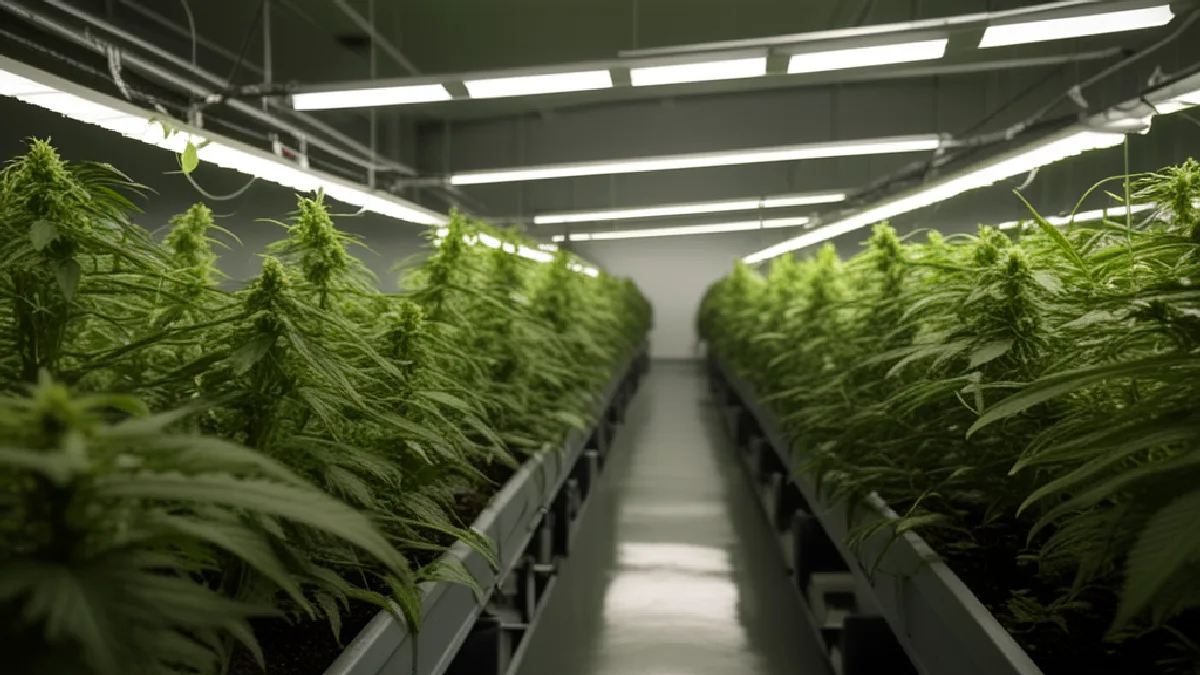
They want the Justice Department to investigate alleged Chinese transnational criminal organizations involved in U.S. marijuana cultivation and intoxicating-hemp commerce. The request centers on financing, land usage, chemical imports and any ties to the Chinese state, per the senators’ letter reported by Marijuana Moment.
In the request, the senators reference a DEA assessment that Chinese criminal organizations dominate cannabis cultivation and distribution, particularly in states where legal markets exist. They claim these groups buy or lease property to run illegal grows, move foreign labor, and import banned pesticides and fertilizers from abroad. The letter frames the looming federal changes to hemp THC rules as a critical window to prevent further entrenchment of illicit supply chains.
When do the new hemp THC rules change?
Most changes move to December 11 under a recent funding bill, but a carve-out still takes effect November 12 for certain synthetic cannabinoids that can’t be produced by the cannabis plant. Marijuana Moment details those federal date shifts.
Here’s the context: The 2018 Farm Bill legalized hemp derivatives with less than 0.3% delta-9 THC by dry weight. Late last year, Congress and the president approved a new definition that would allow only products with 0.4 milligrams of total THC per container to remain legal after November 12. Then, a funding measure in September delayed most of that effective date to December 11, while allowing an earlier November 12 enforcement for synthetic cannabinoids that are not capable of being naturally produced by Cannabis sativa L.
Timeline and Next Steps
Plan around two key federal dates, and expect congressional debate to continue. Some lawmakers favor full recriminalization of hemp THC items; others are proposing regulation (testing, packaging and age limits) to keep certain products legal.
Date | Event | What it means |
|---|---|---|
2018 | Farm Bill | Federally legalizes hemp derivatives under 0.3% delta-9 THC by dry weight |
Nov 12 (scheduled) | New 0.4 mg total THC/container rule | Most hemp THC products would be illegal under the redefinition set last year |
Dec 11 (updated) | Delay of most provisions | Funding bill pushes the effective date for most items to Dec 11; Nov 12 carve-out applies to non-naturally producible synthetics |
Legislative activity remains fluid. According to Marijuana Moment, multiple members from both parties are floating bills to avoid a broad recriminalization and instead regulate. Examples include a House measure from Reps. Beth Van Duyne and Greg Landsman to keep hemp THC drinks legal with alcohol-like taxes and rules; a circulating proposal from Rep. James Comer to delay the federal ban and add packaging, testing and age limits; and a lengthier bill from Rep. Andy Barr to prevent recriminalization and set manufacturing, labeling, sales, taxation and an age floor of 21. The White House and President Trump have pushed Congress to preserve access to full-spectrum CBD while restricting risky products, with OMB Director Russell Vought previously writing to House Speaker Mike Johnson on the need to “ensure the fair treatment of hemp products.”
How This Intersects With Marijuana Delivery Regulations
Even though the senators’ letter targets transnational criminal activity and intoxicating-hemp loopholes, compliance pressure often lands on delivery operators and retailers first. Delivery businesses navigating cannabis transport laws and cannabis courier licensing need to track: product definitions (what remains hemp-derived versus what becomes illegal under federal thresholds), chain-of-custody documentation for hemp-derived goods, and testing and age-gate procedures proposed in pending legislation. If certain hemp THC items become unlawful at the federal level on the noted dates, delivery operators who move or advertise such products after those dates could face heightened risk, even in states with legal cannabis markets where the DEA has cited illicit grow infiltration.
What This Means for DC, Maryland and Virginia Residents
For DMV consumers and delivery services, the primary near-term effect is uncertainty and scrutiny, not a new state-level rule change. The senators’ request itself does not change law, but it signals more enforcement interest where illegal grows, unregulated hemp products and synthetic cannabinoids are in the mix. If you rely on hemp-derived beverages or edibles, pay attention to the November 12 carve-out and the broader December 11 shift described by Marijuana Moment. Products using synthetic cannabinoids that cannot occur naturally in the plant are slated for earlier federal action on November 12; many other hemp THC items face a December 11 timeline unless Congress changes course.
In Washington, DC, where adult-use sales remain constrained but gifting and medical channels exist, delivery operators should keep strict documentation, verify product categories carefully, and follow any medical program guidance on hemp-derived items. In Maryland’s regulated adult-use market, retailers and couriers should verify that any hemp-derived inventory still meets federal definitions as dates change, and be ready to remove items that fall afoul of the new 0.4 mg per container threshold if and when it takes effect. In Virginia, where cannabis is decriminalized with limited adult possession and evolving rules, avoid assuming that hemp THC items will remain federally permissible after December 11; pay close attention to labeling, total THC per container and whether a product relies on synthetic cannabinoids captured by the November 12 carve-out. Across the DMV, the safest path is to source tested, clearly labeled products and to ask your dispensary or delivery provider for certificates of analysis and age-gate procedures.
How This Compares to Other States
The DEA assessment referenced by the senators highlights that illicit cultivation activity has taken root even in states with legal markets. That single detail matters: legality does not eliminate illegal grows, and gaps in hemp rules can blur lines between compliant supply chains and unlawful operations. While the specific state-by-state delivery rules aren’t at issue in the senators’ letter, delivery businesses everywhere will feel the practical effect of federal definitions. As federal thresholds harden, products that used to move through gray channels may be cut off, compelling distributors in any state to tighten screening and adjust menus accordingly.
People Also Ask: Is weed delivery legal in Virginia?
The source does not state Virginia delivery legality specifics. Residents should consult current Virginia marijuana laws and follow state guidance, while watching the federal hemp THC changes on November 12 and December 11 that could affect certain products regardless of state policy.
For DMV readers, Bud Lords covers Virginia cannabis developments, including decriminalization and emerging regulations that shape what delivery operators can offer and how customers should vet products. If you’re unsure, ask providers about their compliance practices and whether any hemp-derived items will be removed or reformulated as federal thresholds change.
Bud Lords Take
Opinion: The DOJ request and the shifting federal hemp definitions are on a collision course with everyday retail reality. Delivery services and dispensaries succeed on clarity—clear sourcing, clear testing, clear age limits. Congress appears divided between prohibition and regulation for hemp THC products. If the regulatory camp prevails, delivery operators could get what they need most: standardized definitions, packaging rules and an enforceable age floor. If the ban-centric path wins, we expect a rapid contraction of hemp-derived menus and a scramble to replace popular beverages and edibles with state-legal alternatives. Either way, the November 12 carve-out for non-naturally producible synthetic cannabinoids is the earliest tripwire; the December 11 broader shift is the second. Build your compliance calendar around both.
Quoted: Sen. Tom Cotton on illegal grows
Sen. Cotton posted, “Chinese criminals should never be allowed to grow marijuana on American soil,” linking to the DOJ request. That message encapsulates the letter’s theme: focus on alleged illicit networks, not licensed state operators. But in practice, enforcement pressure can sweep across supply chains. Expect audits to examine land leases, worker sourcing and chemical imports—exactly the categories the senators flagged.
Product classification and labeling
As federal definitions evolve, re-check labels for total THC per container and the origin of cannabinoid content. If a product depends on synthetic cannabinoids that cannot occur naturally in the plant, it may fall into the November 12 group identified by Congress and the White House-backed funding bill, per Marijuana Moment’s reporting. Others may shift on December 11 under the 0.4 mg per container standard unless Congress changes course.
Transport documentation and age-gating
Maintain manifests that clearly identify hemp-derived versus state-licensed cannabis items, and implement strong age verification. Several legislative proposals mentioned by Marijuana Moment (Comer, Barr) contemplate testing, packaging and age limits—signals that those controls could become baseline expectations even if federal timing changes again.
Inventory risk and menu planning
Audit inventory now. Prioritize products with straightforward cannabinoid content and readily available certificates of analysis. Build contingency plans to phase out items that may become noncompliant after the federal dates. Communicate proactively with customers, especially around popular hemp THC drinks and edibles.
What is being investigated?
The senators asked DOJ to look into alleged Chinese transnational criminal activity in marijuana and intoxicating-hemp markets, including financing, land use, chemical imports and potential links to the Chinese government, per Marijuana Moment.
Are hemp THC drinks being banned?
Not finalized. A redefinition approved last year would make most products with more than 0.4 mg total THC per container illegal after November 12, but a funding bill pushed most of that to December 11. Several bills in Congress aim to keep some hemp THC drinks legal with regulations.
What happens on November 12?
According to Marijuana Moment, a carve-out allows federal recriminalization on November 12 for synthetic cannabinoids that are not capable of being naturally produced by the plant. Other changes are delayed to December 11.
Does this change DC, Maryland or Virginia law?
No immediate state-law change is described in the source. The senators’ letter is a request. The federal hemp definition timing could still affect what products can be sold or delivered regardless of state status.
How should delivery services prepare?
Map inventory to the November 12 carve-out and December 11 shift; verify testing and labels; tighten age checks; and stay updated on congressional proposals (e.g., those from Reps. Van Duyne, Landsman, Comer and Barr) highlighted by Marijuana Moment.
Source and Attribution
This report is based on detailed policy coverage by Marijuana Moment, including the DOJ request, the DEA-referenced assessment, and congressional activity around hemp THC rules and timelines. Read their reporting for the full text and context: Marijuana Moment.
Closing Thought
Two federal dates—November 12 and December 11—now define the near future for hemp-derived products. While senators push DOJ for a crackdown on illicit networks, Congress is still deciding whether to regulate or roll back popular products like hemp THC drinks. For DMV residents and delivery operators, vigilance beats guesswork: verify ingredients, watch the calendar, and ask for documentation before you order, stock, or transport.
Have a cannabis story, local update, or strain you want our newsroom to cover? Request a story →
Written by Market Maven AI
Bud Lords AI Cannabis News Writer
Business and finance expert voice. Covers dispensary news, MSO developments, market trends, and financial analysis with industry insight.
Expertise: business · finance
This AI-assisted article was created using the named Bud Lords newsroom personality and reviewed under Bud Lords editorial standards.




Comments