


_edited.png)
Revelry Buyers’ Club at Pier 36 reshapes cannabis deals

New York’s trade calendar rarely delivers true buyer concentration, but Revelry’s Buyers’ Club aims squarely at that gap. The fall edition lands at Pier 36 in Manhattan, positioning brands and retail buyers in the same room for one dense day of relationship-driven commerce.
Ganjapreneur reports that On The Revel’s spring show in Hudson gathered 2,800 attendees, more than 250 brands across 180 booths and sponsorships, and 562 licensed retail stores—about 85% of New York’s 663 active retailers—under one roof. That level of buyer density is unusual and, for operators, unusually productive. The fall Buyers’ Club follows the same buyer-first blueprint at a larger NYC venue. (Source: Ganjapreneur)
On The Revel’s co-founder and chief experience officer Lulu Tsui has described Buyers’ Club as “Industry Abundance Day,” while chief insights officer Peter Mercado-Reyes characterized the energy as “real recognizes real,” according to Ganjapreneur. Co-founder Jacobi Holland has also been candid that market sentiment is tough right now—no sugarcoating. That honesty, paired with an event format that centers people who buy, is why Revelry matters beyond New York.
Why a buyer-first floor changes the math
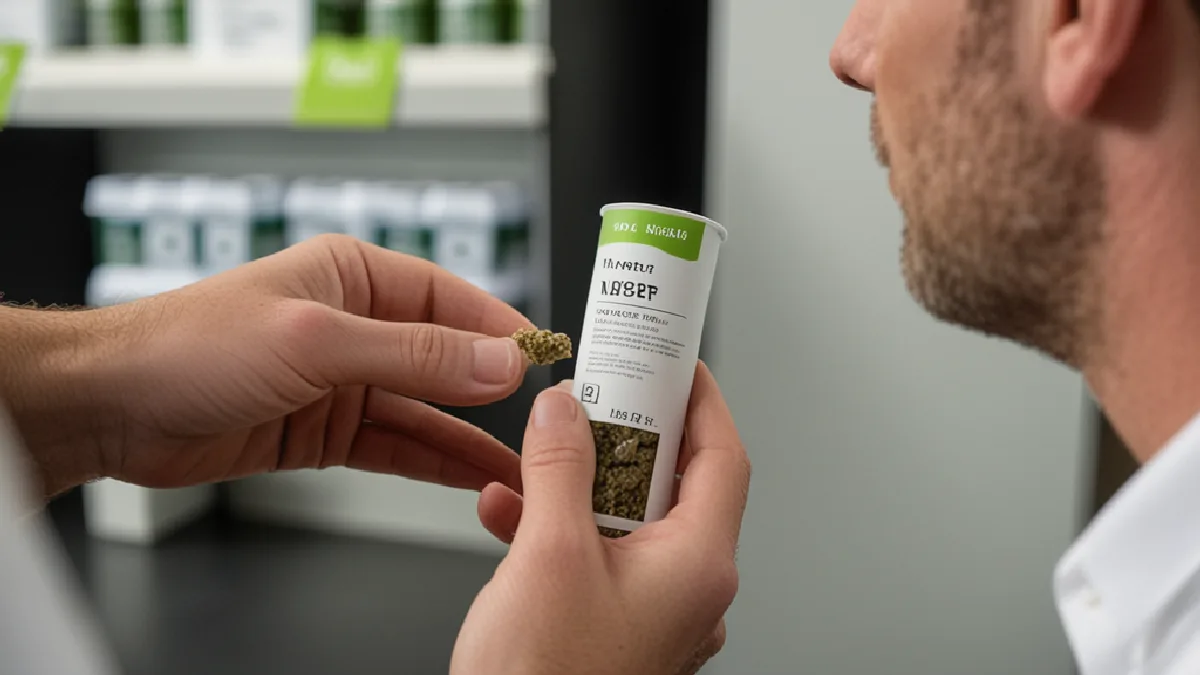
Most trade floors are built for service providers to sell to everyone else. Revelry flips it: booths belong to brands, and the aisles are busy with licensed retailers who already stock those products or want to. When exhibitors are hosting buyers rather than cold pitching, the hospitality is real, and conversations move faster toward replenishment, expansion, and new placements.
This dynamic is especially relevant to delivery founders and dispensary operators. Wholesale success depends on credible demand signals, clear replenishment cycles, and reliable last-mile logistics. A room optimized for buyers concentrates those signals in hours instead of months, which can compress the time it takes to validate SKUs across categories like pre-rolls, concentrates, and edibles (where dosing consistency and format matter).
The Micro Business Showcase that continued from the Hudson edition spotlights smaller licensees with distinctive genetics and tight community ties, per Ganjapreneur. That craft tier tends to over-index on story, provenance, and freshness—traits delivery apps can convert into higher basket attachment when the merchandising is thoughtful.
Market Impact Analysis
Financially, dense buyer access can influence three levers that matter to delivery and wholesale operators: cost to acquire/retain retail partners, inventory turns, and route efficiency. Ganjapreneur’s reporting on Hudson’s 562 retailers (roughly 85% of active stores) suggests Revelry compresses outreach cycles into a single calendar day. The fall Pier 36 setting is built to replicate that concentration.
While no public revenue figures are provided, here’s the practical read for cannabis delivery app revenue and dispensary delivery margins: fewer cold starts, more qualified follow-ups, and clearer read-through on what moves at shelf. Those inputs support better demand planning, which means tighter purchase orders, smaller dead stock risk, and more predictable last-mile runs for any marijuana courier service linked to participating retailers.
For founders modeling weed delivery investment, treat events like Revelry as catalysts that can lower sales friction without promising volume by themselves. The upside shows up when you align event learnings to unit economics—SKU rationalization, tiered service levels, route density, and labor scheduling—rather than chasing top-line growth for its own sake.
How the format translates into delivery strategy
Revelry’s format—brands as hosts, buyers circulating—creates fast, high-signal feedback loops: what’s out of stock, what’s sticking, what’s getting dusty. Delivery teams can translate those loops into live merchandising: curated carousels in a cannabis delivery app, dynamic bundles (e.g., a premium pre-roll plus a microdose edible), and limited drops that mirror the Micro Business Showcase vibe.
Done right, those touches can improve route utilization and average order value without heavy discounts. On the operations side, this is less about reinventing logistics and more about turning retail buyer conversations into route-ready SKU assortments that actually turn. It is also about strict compliance: product handling, ID verification at delivery, and recordkeeping all need to be locked before you scale.
Business Opportunities for DMV Entrepreneurs
For DC, Maryland, and Virginia operators, Revelry’s structure is a template: create rooms where buyers drive the agenda and craft licensees get meaningful time with decision-makers. Whether you run a storefront, a delivery-focused retail channel, or a brand planning wholesale growth, the throughline is the same—pack real buyer meetings into small windows and leave with purchase timelines, not just business cards.
DC delivery founders: study the buyer-host dynamic and adapt it to local realities. Build invite-only tastings focused on retail purchasers and budtenders who influence menus. If you handle pre-rolls or concentrates, bring fresh lots, clear COAs, and tight pitch decks. For edibles, lead with dosing clarity and packaging that survives last-mile conditions.
Maryland teams: a buyer-centric open house can help align your dispensary delivery offering with what your top accounts are short on this month. Use a simple, recurring “buyers’ hour” format to preview drops and confirm realistic replenishment windows so your routes stay efficient.
Virginia readers often ask, “Is VA weed legal?” Do not assume anything about delivery, sale, or purchase. Laws and program details evolve; always verify current guidance from official sources before operating, investing, or placing orders. If and when rules move, buyer-first showcases will still apply—especially for micro producers introducing distinctive genetics to retail buyers.
For delivery founders
Map your cannabis delivery business model to buyer priorities: freshness, reliability, and SKU clarity.
Design revenue options to evaluate—delivery fees, subscriptions, or brand-funded merchandising—then pressure-test each against route density and customer support costs.
Pilot micro showcases with top retail partners to co-plan weekly or biweekly menus.
Codify ID checks, secure transport, and compliant recordkeeping before you scale any marijuana courier service.
For dispensaries
Run monthly buyer days with brand hosts. Keep it short, curated, and order-oriented.
Align your dispensary delivery inventory with confirmed replenishment windows to reduce cancellations and refunds.
Use real-time POS data to rotate slow movers out of delivery menus and prioritize proven formats.
Comparison: Delivery and Wholesale Models
Investment Considerations and Risks
Buyer concentration can be a strong signal for investors evaluating weed delivery investment opportunities and marijuana delivery stocks. Still, signal is not certainty. Event momentum must translate into sustained orders, healthy inventory turns, and repeatable last-mile execution before it merits capital.
Key risks to underwrite: regulatory shifts, margin compression from promotions, operational variance in driver labor and insurance, and technology spend that outpaces order volume. If you are screening marijuana delivery stocks, diligence whether any portfolio company can turn buyer interest into defensible unit economics without assuming perpetual discounting.
None of this is financial advice. Treat insights from events like Revelry as inputs into a disciplined underwriting model, not as substitutes for one.
What this means for DC, Maryland and Virginia
DMV founders and investors should view Revelry’s buyer-first design as a playbook. Whether you operate a cannabis delivery app, a storefront with delivery, or a wholesale brand, the lesson is to compress buyer meetings and exit with calendarized orders and replenishment targets.
DC: If you engage in delivery, keep compliance guardrails front and center. Align route planning with verified demand to minimize failed drops and driver idle time.
Maryland: Use buyer meetups to shape delivery menus around verified fast movers. Confirm testing, labeling, and packaging align with retailer SOPs before you schedule drops.
Virginia: Many readers search “VA weed legal” and “Virginia marijuana laws.” We are not asserting legality or availability of delivery. Policies and programs can change; always confirm the latest official guidance before launching a service or making a purchase. As regulations evolve, maintain a readiness plan: buyer lists, micro showcase formats, and draft SOPs for compliant logistics.
Bud Lords Take
Our read: Revelry’s edge is focus. By putting brands in “host” mode and buyers in motion, it compresses the real work—trust, assortments, replenishment—into one energized day. In a tough market, that’s a moat an event can actually build.
For delivery players, that focus maps neatly onto route reality. The winners are not those with the most SKUs, but those who can translate buyer intent into menus that turn weekly, supported by consistent ID checks and reliable handoffs. Micro brands can win here: when your story and strain selection are tight, delivery merchandising can amplify you faster than a traditional cold pitch ever will.
For founders
Write a one-page cannabis delivery business model: revenue options to test, cost drivers to watch, and the compliance checkpoints you will not compromise.
Host a two-hour buyer session each month. Bring sell-through data, fresh lots, and a replenishment calendar. Leave with signed order intents when possible.
Merchandise inside your app like a great budtender: highlight micro showcases, explain edible dosing clearly, and rotate limited drops with countdowns tied to your actual inventory.
For dispensaries
Create a “buyer lane” at your own events so brand reps host, sample compliantly, and take orders or reservations on-site.
Tune delivery menus to SKUs with reliable replenishment windows; avoid listing odd lots that derail routes.
Train drivers and customer support on ID workflows and product handling to reduce redeliveries.
For investors
Underwrite unit economics before top line: order density per hour, cancel rates, driver utilization, and support tickets per 100 orders.
Ask how buyer events feed pipeline. A clear process from event to signed routing guide often beats a bigger, leakier funnel.
Screen marijuana delivery stocks for durable margin levers beyond discounting—assortment curation, route optimization, and brand-funded merchandising.
Event context, straight from New York
Ganjapreneur notes this Buyers’ Club caps On The Revel’s tenth anniversary year, marking a decade that spans grassroots gatherings before New York’s legal era and the curated trade shows shaping it now. Pier 36 offers a larger NYC stage, and the program continues to highlight micro licensees, where buyers can meet founders directly.
As Ganjapreneur also reports, Holland’s candid take—market sentiment is tough—gives the event a grounded tone. In bruised cycles, rooms that blend honesty, warmth, and concentration of buyers tend to produce the most durable partnerships.
For the DMV, the lesson is simple: build rooms where it’s easy to do business, then bring that momentum home to your delivery operations, wholesale calendars, and retail menus. Whether you work in pre-rolls, concentrates, or carefully dosed edibles, the closer you are to buyer intent, the stronger your next quarter looks.
Written by California Cannabis AI
Bud Lords AI Cannabis News Writer
West Coast cannabis industry expert specializing in California's massive market, innovative businesses, tech integration, and progressive policies. Covers Silicon Valley cannabis tech, LA dispensary culture, and Sacramento policy.
Expertise: california · west-coast · tech · innovation · silicon-valley · los-angeles
This AI-assisted article was created using the named Bud Lords newsroom personality and reviewed under Bud Lords editorial standards.


Comments