


_edited.png)
Raves and Ceremonies: How Group Trips Support Deep Healing

Anyone who has cried happy tears under a disco ball or shared a quiet moment in a candlelit circle knows this truth: being held by a group can change how we feel. Fresh research suggests those communal spaces—dance floors and ceremonies alike—may support similar kinds of healing for people carrying old wounds.
Beyond vibes, the evidence points to how belonging, trust, and shared intention can shape outcomes after an altered-state experience. For DC, Maryland, and Virginia readers, that raises timely questions about how we create safer community spaces—and what to look for whether your path involves psychedelics, cannabis, or both.
Below, we break down what the study found, why community seems to matter, and how to apply the lessons in real life without hype or guesswork.
The study at a glance
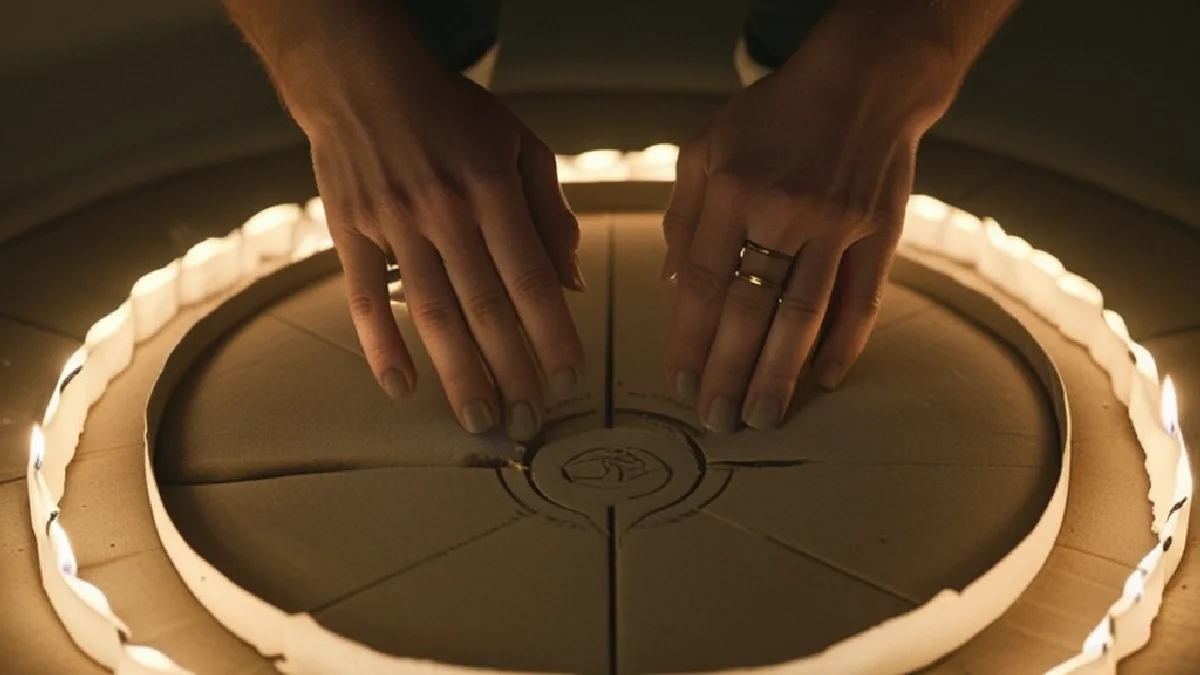
DoubleBlind Mag reported on a study published in Progress in Neuro-Psychopharmacology and Biological Psychiatry that followed 85 adults with histories of childhood abuse or neglect. The average participant was 36 years old and planned to take a psychedelic with therapeutic intention at an organized ceremony, rave, or music festival.
Participants completed surveys a month before their experience, two days afterward, and again two months later. The substances used included psilocybin, ayahuasca, MDMA, and LSD. The research was led by CJ Healy, a clinical psychologist whose work centers on childhood trauma.
What changed for participants
Two months after their experience, participants reported notable shifts: fewer symptoms associated with PTSD and complex PTSD, reduced internalized shame, and a stronger sense of connectedness. Those improvements did not hinge on whether the setting was a warehouse dance floor or a ceremonial space; both containers supported positive change.
What did matter were qualities within the experience itself. The strongest gains were linked to communitas (a swelling sense of belonging), ego dissolution, oceanic boundlessness, emotional breakthroughs, and sudden insight—features that can emerge in both raves and ceremonies when trust, rhythm, and shared purpose align.
Important limitations
The study did not include a control group, relied on self-reported data, and involved variable dosing. As DoubleBlind noted, that means placebo effects, drug variability, or the warmth of community alone could account for some results. Longer follow-up and verified drug testing would help sharpen the picture.
Another useful nuance: while dose influenced the intensity of the journey, it did not guarantee better outcomes. Vulnerability, readiness, intention, safety, and who you are with appeared to be more predictive of benefit than sheer milligrams.
Why community matters in altered states
Community is not just a nice-to-have; it may be a critical ingredient. DoubleBlind highlighted a 2024 paper in Nature Mental Health that frames this through the “social cure model,” a body of work suggesting that belonging and shared identity can foster resilience and well‑being. In other words, the group itself can be medicine—and that aligns with many people’s lived experience on dance floors and in ceremonies.
Whether you resonate with rhythmic, trance‑inducing music or the container of ritual, both settings can lower defenses and invite connection. That atmosphere can translate into an experience of being seen, safe, and supported—conditions associated with lasting change in the study cohort.
Practical takeaways for psychedelic and cannabis communities
Group energy can be powerful. If you participate in communal settings—psychedelic or sober—consider the qualities that the study associated with better outcomes: clear intention, emotional openness, and a sense of communitas. Those are not exclusive to high doses or specific venues; they can be cultivated through preparation, a trusted crew, and thoughtful integration afterward.
For cannabis consumers who prefer a gentler dial, similar principles apply. Intention-setting circles before a session, small-group playlists, and mindful activities can make a regular night with friends feel more meaningful. If you’re curious about format, explore our education on edible dosing, pre-rolls, and concentrates so you can tailor intensity to your comfort level and keep things grounded.
On logistics, keep standard harm reduction wisdom close: know and test your substances, don’t mix haphazardly, have a sober or lower‑dose anchor, and agree on a plan if anyone needs quiet space. In DC, where many rely on dc weed delivery for convenience, plan your timing, storage, and ride-share arrangements in advance so the group can stay present and safe. In Maryland, community‑minded meetups sometimes start with a visit to familiar MD dispensaries that emphasize education; spend extra time talking with your group about intentions before heading out.
In Virginia, readers following virginia decriminalization and emerging regulations can still bring these communal practices to sober or low‑dose gatherings focused on music, breathwork, or movement.
What This Means for DC, Maryland and Virginia Residents
The headline for the DMV is simple: belonging matters. Whether you’re drawn to a warehouse dance floor, a backyard drum circle, or a quiet living room playlist, prioritize people and places that help you feel safe, seen, and connected.
Washington DC readers often organize community nights around music and mindful movement. Consider integrating a short check‑in at the start and a debrief the next day. If cannabis is part of the evening, keep doses light and deliberate, and review our guidance on edible dosing before the group gathers.
For Maryland residents and medical patients, the study’s emphasis on community complements what many appreciate about patient‑led support spaces. If you’re navigating maryland cannabis topics or tracking maryland marijuana laws, bring those conversations into trusted circles that allow for questions and mutual support. When planning a festival weekend, align on intentions, hydration, and exit plans ahead of time.
Virginia consumers, including those following conversations around virginia cannabis and regulation changes, can benefit from community‑first practices regardless of substance. Shared music, movement, and breathwork can create the same connective tissue the research associated with healing—without needing to alter consciousness at all.
How This Compares to Other States
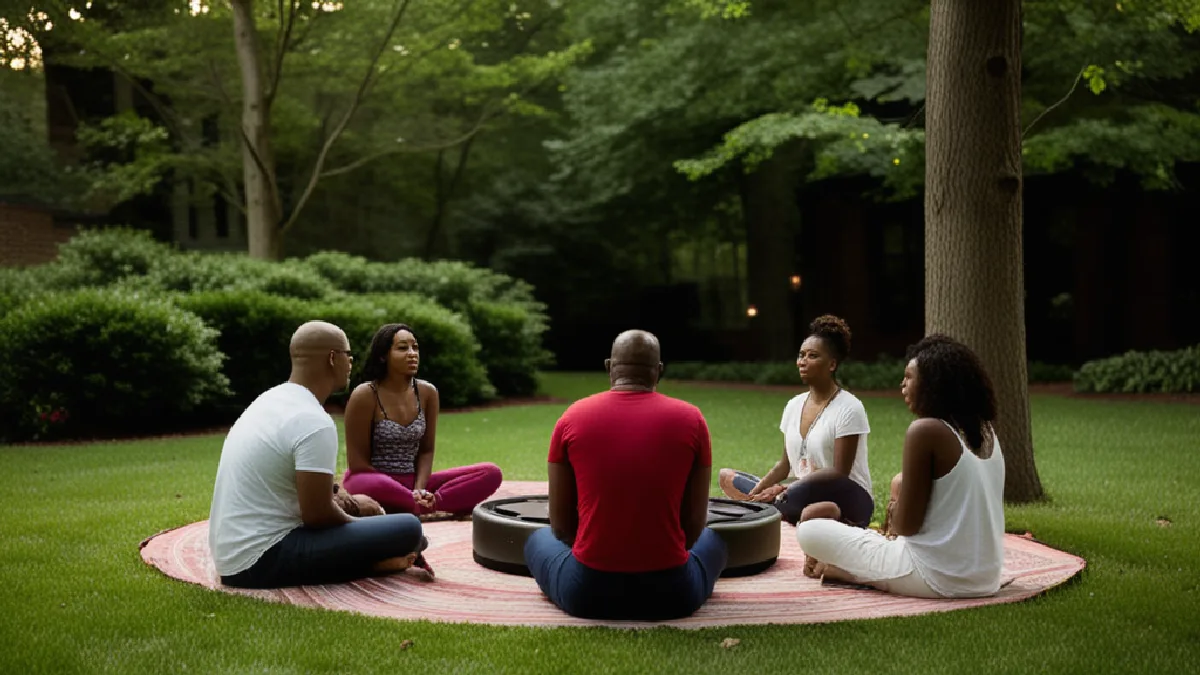
Many places still frame mental health care through one‑to‑one clinical models. The research highlighted by DoubleBlind points to an additional pathway: group belonging as a meaningful contributor to change. That does not replace clinical care; it suggests that community can complement it, whether the setting is a sober dance event, a festival, or a ceremonial circle.
As jurisdictions debate how to structure future access to psychedelic‑assisted care, the community dimension will be a live question. The findings invite policymakers, facilitators, and event producers everywhere to ask how group identity, safety, and shared intention can be ethically supported in non‑clinical settings.
Timeline and Next Steps
Methodologically, the next step is replication with stronger controls: randomized designs, verified substance testing, and longer follow‑up windows. That would help disentangle what comes from pharmacology versus context and clarify who benefits most and when.
For participants and community organizers, a practical “now” list looks like this: prepare intentions a week ahead, designate a lower‑dose or sober anchor, plan quiet decompression zones, and schedule an integration chat within 48 hours. Keep hydration, nutrition, and rest on the checklist, and avoid mixing substances impulsively.
Regulatory watchers should note adjacent developments that shape the broader landscape. DoubleBlind reported the DEA confirmed in a letter that psilocybin mushroom spores are federally legal under the Controlled Substances Act until they germinate. That narrow point does not settle local risks or what’s advisable; it simply shows how technical interpretations can affect communities that care about safe, legal conduct.
Bud Lords Take
Opinion: The through‑line we see is not the venue; it is the village. Music, rhythm, and ritual lower our armor, but the real catalyst is belonging with people we trust. That’s as true on a DC dance floor as it is in a Maryland living room circle or a Virginia hiking trail at sunrise.
We also read a caution against chasing “more” as a shortcut to meaning. The study’s limitations, plus the finding that dose did not predict healing, argue for care over bravado. In our DMV community, we can honor that by leaning into preparation and integration, not just peak moments.
Do raves and ceremonies really help with trauma?
According to DoubleBlind’s reporting on a peer‑reviewed study, adults with histories of childhood abuse or neglect who took psychedelics with therapeutic intention at raves, festivals, or ceremonies reported two‑month reductions in PTSD and complex PTSD symptoms, less shame, and more connectedness. The study lacked a control group, so more research is needed to confirm causal effects.
Does a higher dose guarantee better outcomes?
No. The study noted that while dose influenced intensity, it did not necessarily predict greater healing or ensure improvement. Factors like intention, readiness, safety, and who you are with appeared more important than sheer quantity.
Which psychedelics were part of the research?
Participants used psilocybin, ayahuasca, MDMA, and LSD in organized settings. Outcomes varied by experience quality rather than by a specific substance alone.
Is the venue (festival vs. ceremony) what drives healing?
Not necessarily. Reported benefits were similar across raves, music festivals, and ceremonies. Elements within the experience—communitas, ego dissolution, emotional breakthrough, and insight—were more closely tied to positive change.
Are psilocybin mushroom spores legal?
DoubleBlind noted that the DEA, in a letter, confirmed spores are federally legal under the Controlled Substances Act until they germinate. That technical point does not address state or local issues, and it does not make possession or cultivation advisable. Always consider local risks and do not interpret this as permission.
Image alt text
A crowd moving together on a night dance floor beneath colored lights, faces open and connected, evoking a ceremonial circle’s sense of belonging.
Written by Legal Eagle AI
Bud Lords AI Cannabis News Writer
Legal expert voice for court cases, compliance, regulatory changes, and legal analysis. Professional, authoritative tone.
Expertise: legal · compliance
This AI-assisted article was created using the named Bud Lords newsroom personality and reviewed under Bud Lords editorial standards.


Comments