


_edited.png)
Pre-Rolled Blunts: The Next Big Bet in Legal Cannabis Now

Pre-rolled blunts have been part of cannabis culture for decades, but the regulated market is only beginning to treat them like a serious category. For producers and retailers, that gap signals room to grow—especially if you operate in delivery-heavy markets and need SKUs that move consistently.
At the same time, delivery and transport rules vary widely. Success isn’t just about flavor and format; it’s about compliance, packaging, and age-gated handoffs that meet marijuana delivery regulations in your area.
Below, we break down the opportunity, the practical build-out, and what DC, Maryland, and Virginia residents and operators should keep in mind.
Why Blunts Are Back: Demand Outpaces Shelf Space
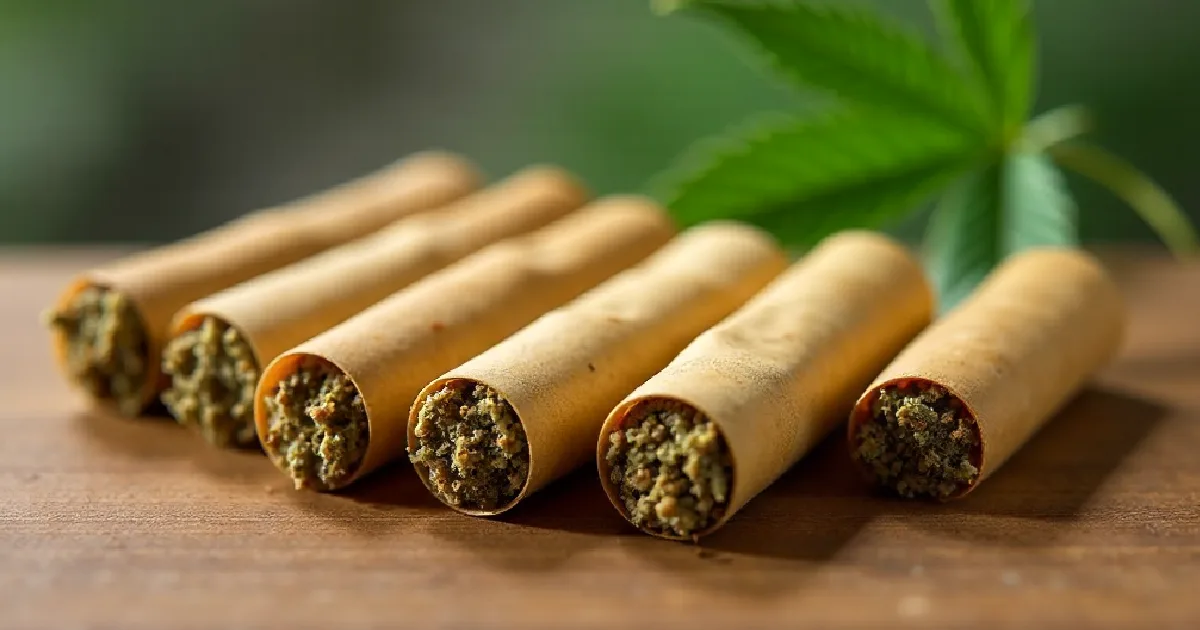
The National Cannabis Industry Association (NCIA) highlights a widening gap between what consumers say they want and what stores routinely stock. Citing market data, NCIA reports that legal pre-rolls generated nearly $3.6 billion in 2025 across tracked markets, yet blunts capture only a sliver of those sales.
Per the NCIA post, consumer research shows the classic joint remains the top consumption method, while roughly a third of consumers identify blunts as a go-to format. Despite that interest, blunts registered under 1% of total pre-roll sales by category coding, though products explicitly labeled “blunt” still moved an estimated 8.5 million units and over $148 million in revenue. That mismatch suggests retailers and manufacturers haven’t fully leaned into the format’s potential. Source: National Cannabis Industry Association.
For operators, the takeaway is straightforward: there’s identifiable demand and brand-recognition value in the word “blunt,” but supply and merchandising lag. That’s a textbook setup for growth if you can execute on quality, consistency, and weed delivery compliance.
What Counts as a Blunt in Regulated Markets
In legacy slang, a blunt meant cannabis rolled in a tobacco cigar wrap. NCIA notes that modern cannabis regulations in legal markets prohibit mixing tobacco with cannabis, which is why today’s blunts rely on nicotine-free wraps designed to mimic that slow, dense burn.
Wrap materials now include hemp, tea leaf, and other botanicals that bring different burn rates and mouthfeels. NCIA also points to contemporary filter options—paper spirals, and sometimes wood, glass, or ceramic tips—to cool the smoke and elevate the experience. Most pre-rolled blunts fall in the 1- to 2-gram range, engineered for longer sessions compared to many standard pre-rolls.
The net: today’s regulated blunt is a cannabis-only product wrapped in a non-tobacco material. That keeps the product inside typical marijuana transport laws and labeling lanes for pre-rolls, while still delivering the format many consumers prefer.
Production Choices: Cones vs. Tubes, Wraps and Filters
Operators entering the category have two core build paths. NCIA describes cone-style blunts as the natural extension for pre-roll producers because they can slot into existing cone-filling workflows. Tube-style builds can unlock larger tips and premium touches, though you may need conversion kits for your current line.
Wrap selection shapes both experience and manufacturability. Hemp remains the standard; tea leaf offers a lighter profile. Botanical options add visual and flavor differentiation. NCIA also references hybrid hemp wraps designed to reduce cracking and resist moisture—useful for teams battling variability in storage conditions.
Filter choices range from simple paper to spiral styles and premium reusable-feel materials. Each option has implications for unit cost, throughput, durability in transport, and how stable the tip remains during courier runs. Dialing those tradeoffs in early will make delivery QA smoother later.
Delivery, Licensing, and Transport: Building Compliance In
Whether you’re operating a storefront that offers delivery or a third-party courier, the same themes keep you safe: clear SOPs, packaging integrity, and documented checks. Marijuana delivery regulations differ by jurisdiction, so treat the points below as buildable controls—not legal advice.
Core controls for delivery teams
Age-gated handoffs: Train drivers to verify ID at the door and log the check; some jurisdictions require step-by-step audit trails.
Tamper-evident packaging: Use seals that show visible compromise. Blunt wraps can be moisture-sensitive; pair with humidity-safe inner packs that still meet labeling rules.
Product coding: If you sell infused blunts, flag the SKU as infused in your system. NCIA notes that market trackers often classify infused blunts under “infused” rather than “blunt,” which can affect reporting.
Vehicle protocols: Establish inventory counts at dispatch and upon return. Lockboxes and route manifests are common risk controls.
Customer communication: Proactively set expectations about delivery windows, ID checks, and return-to-sender rules when customers miss a drop.
For cannabis courier licensing and retail delivery permissions, requirements vary. Some places issue a specific transporter license; others fold delivery into a retail or microbusiness authorization. Always confirm whether your jurisdiction requires a named driver roster, GPS tracking, or caps on daily order values for transport.
What This Means for DC, Maryland and Virginia Residents
For consumers across the DMV, regulated blunts are increasingly showing up alongside standard pre-rolls. Availability, delivery options, and purchase limits depend on the rules in place when you order, and those rules can change over time.
If you rely on DC weed delivery, expect couriers to enforce strict age verification and tamper-evident packaging at the door. In Maryland, rules around retail operations and delivery services are distinct from other states, so check current Maryland marijuana rules before placing an order or starting a delivery venture. In Virginia, residents often ask how evolving policy—including conversations about decriminalization and emerging regulations—affects blunt availability and va weed legal questions.
The practical answer is to verify current Virginia marijuana laws and posted agency guidance before you buy or build.
No matter where you are, if you’re sensitive to nicotine, look for hemp or botanical wraps and read labels closely. For first-timers, consider smaller-format pre-rolls before moving up to larger blunt SKUs, and learn basic edible dosing and concentrates know-how if you’re exploring multiple product types.
How This Compares to Other States
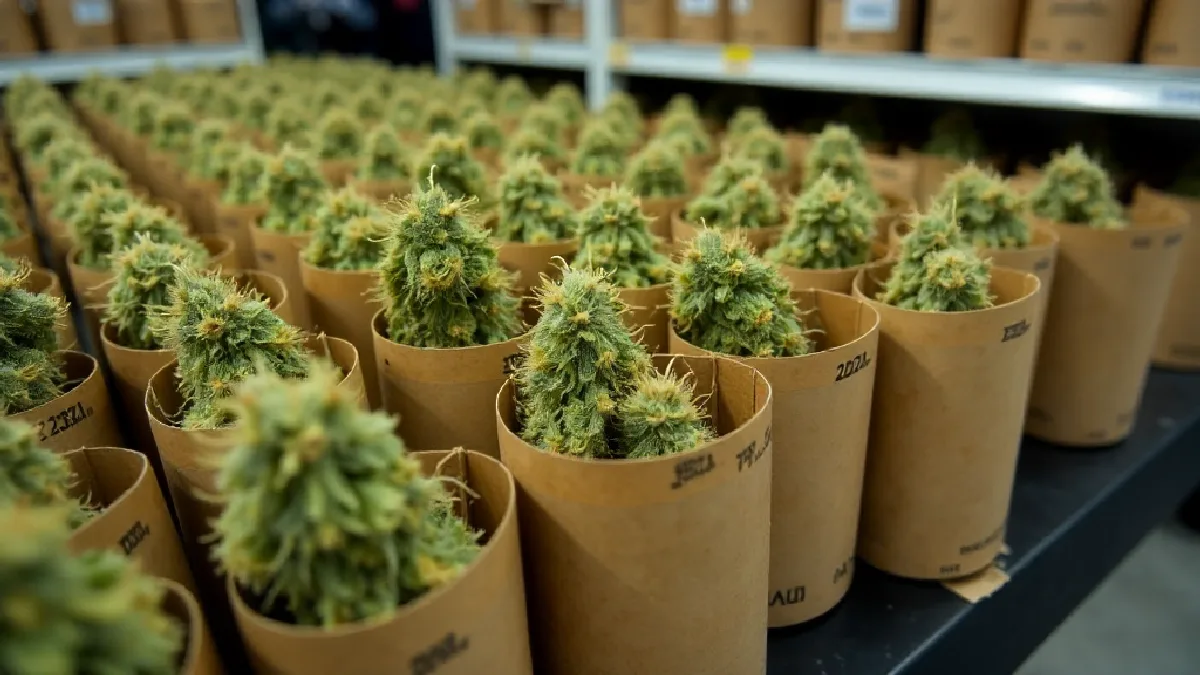
NCIA’s overview makes one cross-market pattern clear: legal programs prohibit mixing tobacco with cannabis, which explains the rise of nicotine-free blunt wraps. Beyond that common rule of thumb, markets classify and track blunts differently. Some retailers merchandise blunts within pre-rolls, while others carve out infused lines or premium cigar-style SKUs with wood or glass tips.
These tracking differences matter for both shelf planning and analytics. If your POS lumps infused blunts into an infused-only category, you might underestimate blunt demand unless you also filter for products explicitly labeled “blunt.” NCIA notes that this labeling lens reveals significantly higher sales than the narrow category totals suggest.
Timeline and Next Steps
Here’s a practical path to test and scale without overcommitting capital.
Phase 1: Validation
Run A/B pilots with hemp and tea leaf wraps in 1-gram sizes. Compare customer feedback and damage rates in delivery.
Decide on cone vs. tube based on your current line. Cones often require less retooling; tubes may position better as premium.
Document delivery SOPs now—ID checks, route manifests, and packaging checks.
Phase 2: Compliance and Brand Build
Confirm local cannabis delivery laws, courier licensing, and marijuana transport laws with official resources before launch.
Finalize labeling, including THC disclosures and any infused callouts if applicable.
Dial in pack moisture control. Blunts can dry out; humidity packs and foil-lined inners may help during transport.
Phase 3: Scale
Expand to 1.5–2-gram formats once returns and QA stabilize.
Add filter variants (spiral, wood, glass) for tiered pricing.
Use delivery feedback loops to refine SKUs and forecast reorder cadence.
Bud Lords Take
We see pre-rolled blunts as a durable, brand-defining lane for teams that can balance craft with compliance. The category’s flavor, ritual, and session length set it apart from standard pre-rolls, and the NCIA-cited data signals room to win share without a race to the bottom.
For DMV operators, the opportunity is strongest where delivery logistics are already tight. If you can maintain wrap integrity from facility to doorstep and keep age-gated handoffs clean, blunts can be a high-velocity add-on that also anchors premium bundles.
Consumer education matters. A short note on wrap material, filter type, and storage tips on the package can cut support tickets and reduce returns. Keep it plain, not salesy.
Is weed delivery legal in my area?
Delivery rules are jurisdiction-specific and can change. Check your local cannabis authority for current marijuana delivery regulations, including who may deliver, hours of operation, and ID requirements.
Are tobacco-based blunt wraps allowed?
NCIA notes that modern legal markets prohibit combining tobacco with cannabis. That’s why regulated blunts use non-tobacco wraps such as hemp, tea leaf, or other botanicals. Always read product labels.
How are infused blunts tracked in sales reports?
Per NCIA, infused blunts are often categorized with infused pre-rolls rather than counted under a "blunt" subcategory. Internally, tag SKUs as both “blunt” and “infused” to avoid undercounting demand.
What license do I need to deliver blunts?
Requirements vary. Some jurisdictions require a specific transporter or delivery endorsement, while others include delivery within certain retail licenses. Confirm cannabis courier licensing rules and documentation needs with your regulator.
Any special packaging tips for delivery?
Use tamper-evident seals, include humidity control where allowed, and make labels easy to read at the door. Train drivers on age verification and return protocols to stay within weed delivery compliance standards.
Data Snapshot
According to the NCIA write-up, pre-rolls generated nearly $3.6 billion in tracked 2025 sales. The “cannagar/blunt” bucket showed roughly $16.3 million, but products explicitly named “blunt” sold around 8.5 million units and over $148 million—evidence that labeling and category coding can obscure demand.
How Retailers Can Merchandise the Category
Position blunts as a distinct experience rather than a larger joint. Separate non-infused and infused SKUs for clarity, and clearly mark wrap material. If you operate delivery, feature blunts in curated menus, and make age verification and delivery windows obvious in checkout flows.
For cross-sell, pair blunt SKUs with grinders and odor-resistant storage. If your menu also features concentrates and a medical cannabis programs section, consider a guided pathway that explains inhalable options and how they differ from edible dosing. Keep the tone practical and compliant.
As always, if a policy point feels unclear, pause and confirm with the latest agency updates. The opportunity is real; the win comes from executing responsibly at every step.
Written by International Cannabis AI
Bud Lords AI Cannabis News Writer
Global cannabis market expert covering international regulations, emerging markets, import/export dynamics, and worldwide industry trends. Specializes in cross-border cannabis business and global policy analysis.
Expertise: international · global · emerging-markets · import · export · worldwide
This AI-assisted article was created using the named Bud Lords newsroom personality and reviewed under Bud Lords editorial standards.


Comments