


_edited.png)
Pink Runtz Strain Guide: Candy Fruit x Balanced Effects x Practical Growing

What Pink Runtz Is
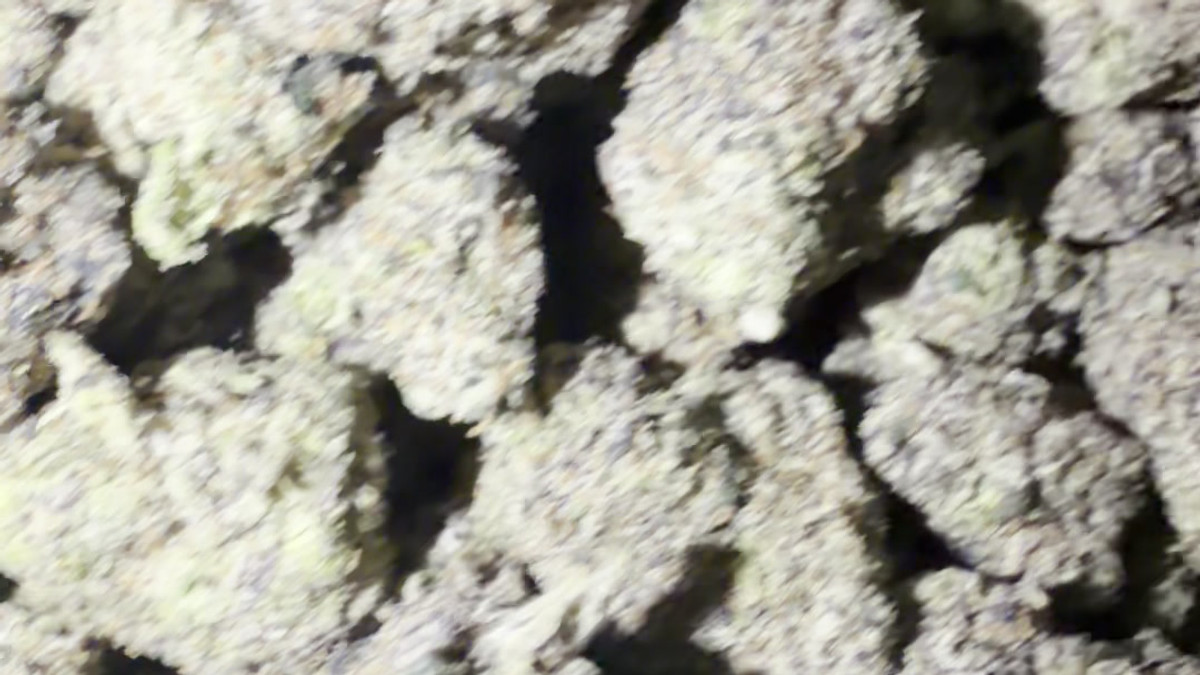
Pink Runtz is commonly described as a hybrid cannabis strain with a sweet, fruit-forward profile and effects that can feel mentally bright before settling into physical ease. Its exact character can vary substantially by breeder, producer, harvest and cure, so the name is best treated as a family of related expressions rather than a guarantee of one identical experience.
Reported THC levels commonly fall in the upper-teens through the mid-20% range, although a specific package label is more useful than a strain average. Pink Runtz may suit adults who enjoy candy-like fruit flavors and a balanced hybrid experience, while newer consumers should approach any high-THC product cautiously and pay attention to serving size and personal response.
Product Highlights
The table below summarizes commonly reported characteristics, not a promise about every Pink Runtz batch. Always use the package label and current certificate of analysis for the product in front of you.
Spec | Details |
|---|---|
Strain type | Hybrid; often described as balanced to indica-leaning in effect |
Commonly reported THC range | Approximately 18%–26%, with meaningful batch-to-batch variation |
Dominant terpenes | Commonly reported: limonene, caryophyllene and myrcene; actual levels vary |
Effect profile | Bright, euphoric, relaxed and potentially sedating at higher amounts |
Best time of day | Afternoon or evening for many consumers; individual response differs |
Available formats | Flower, pre-rolls, live resin, live rosin, distillate carts and disposables where offered |
Lineage and Genetics
Pink Runtz is commonly linked to Runtz genetics, with many listings identifying Pink Panties and Zkittlez as the parent combination behind Runtz itself. However, Pink Runtz naming is not perfectly standardized across breeders and markets. Some products may represent a selected Runtz phenotype, while others may use the name for a related cross, so lineage should be confirmed through the producer rather than assumed from the label.
Runtz became widely known for combining colorful, dessert-like aromas with a hybrid effect profile, and Pink Runtz generally carries that same broad identity. Breeder history is therefore clearest when a licensed producer publishes its own genetic information; without that documentation, parentage remains commonly reported rather than proven.
Aroma, Flavor and Terpene Profile
Pink Runtz often opens with sweet berry, tropical candy and fruit-punch notes, followed by creamier sugar and a light earthy or peppery finish. The flower may smell louder after grinding, while a well-cured batch should retain distinct aroma instead of smelling only like dry plant material.
Limonene is commonly associated with citrus brightness, caryophyllene with peppery warmth, and myrcene with earthy, herbal depth. Terpenes do not determine effects by themselves, and their percentages can change with genetics, harvest timing, curing and storage. For a specific product, the terpene panel on the COA is more informative than a general strain description.
Reported Effects and Common Uses
Consumer descriptions often place Pink Runtz in the middle ground between an upbeat mental lift and a relaxed body feel. Smaller amounts may feel more social or functional to some adults, while larger amounts can become heavier, sleepier or less suitable for tasks requiring concentration.
Common adult-use contexts include winding down, listening to music, watching a movie, spending time with friends or taking a relaxed evening. These are subjective reports, not medical outcomes. Avoid driving or operating equipment after using cannabis, and remember that combining cannabis with alcohol or other intoxicating substances can increase impairment.
Formats and Hardware
Flower gives the clearest view of Pink Runtz’s natural aroma, while pre-rolls offer convenience but can vary with grind, paper and burn quality. Live resin is made from fresh-frozen material and commonly emphasizes vivid aroma and a faster, more pronounced inhaled onset; live rosin uses solventless pressing and may deliver a softer, fuller terpene expression when properly made. Distillate carts and disposables usually offer a cleaner, more concentrated cannabinoid profile, but their flavor may come from added or reintroduced terpenes rather than the full original extract.
Most cartridges use a small heating chamber, a wick or ceramic pathway, and a coil that vaporizes oil. Draw-activated disposables fire when the device senses airflow, while button batteries may allow preheating and voltage adjustment. Lower temperatures, often around 2.4–2.8 volts or roughly 350–400°F when a device reports temperature, can preserve delicate flavor; higher settings can produce denser vapor but may taste harsher. Hardware specifications differ, so follow the manufacturer’s instructions and avoid repeated long draws that overheat the chamber.
Inhaled effects can be felt relatively quickly, but the experience continues to develop after the first draw. With flower, combustion changes the aroma and produces smoke; vaporized concentrates avoid combustion but are much more concentrated. Edibles are a separate format with a slower, longer-lasting experience and should not be judged by the timing of inhaled products.
Batch Testing and Label Reading
A certificate of analysis, or COA, is a laboratory document tied to a particular production batch. Look for the batch or lot number on the package and confirm that it matches the COA, then review cannabinoid percentages, terpene results, testing date and any reported contaminant or compliance panels required by the applicable program.
THC and terpene numbers can shift from one harvest or extraction run to another, and a higher number does not automatically mean a better experience. Read the label as a snapshot of that package, not a permanent identity card for the strain. This section is educational only and does not replace official product, laboratory or regulatory information.
How Pink Runtz Compares
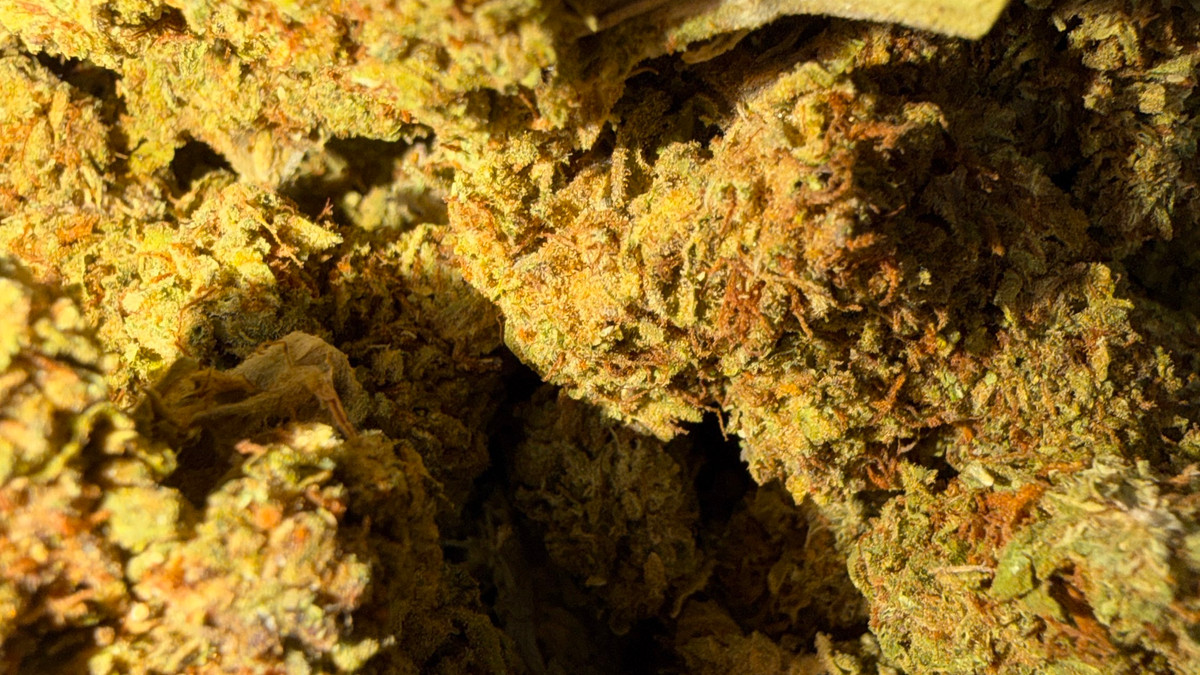
Related strains can help explain Pink Runtz’s place in the broader dessert and fruit-forward hybrid family. These comparisons are general descriptions; individual cultivars and batches can differ.
Strain | Type | Flavor | Effect | Best for |
|---|---|---|---|---|
Pink Runtz | Hybrid | Berry candy, tropical fruit, cream | Bright, relaxed, potentially heavy | Afternoon or evening hybrid sessions |
Runtz | Hybrid | Sweet fruit, candy, floral notes | Euphoric and balanced | Consumers seeking a classic dessert hybrid |
Gelato | Hybrid | Cream, citrus, sweet earth | Uplifted and calming | Flavor-focused evening use |
Zkittlez | Indica-leaning hybrid | Tropical candy and fruit | Relaxed and mellow | Unhurried nighttime settings |
Medical and Wellness Reports
Some adults report choosing Pink Runtz while relaxing, easing into rest or looking for a pleasant sensory experience, but these reports are not clinical evidence and do not establish that the strain treats any condition. Cannabis can also produce unwanted effects such as anxiety, dizziness, dry mouth, impaired attention or increased heart rate in some people.
If you use cannabis for a health concern, discuss it with a qualified healthcare professional who can consider your medications, history and local medical-program rules. Do not use this guide as a diagnosis, treatment plan or substitute for professional care.
How to Grow Pink Runtz
Pink Runtz is commonly approached as a moderate hybrid grow: rewarding when its canopy and humidity are managed, but not completely hands-off. The following figures are commonly reported ranges, not guarantees, and phenotype, climate, container size and cultivation skill can move results considerably.
Grow Guru AI’s practical view: prioritize airflow, even light distribution and a conservative feeding plan before chasing maximum yield. Dense, resinous flowers are valuable only when they finish cleanly and dry without trapped moisture.
Use this quick reference before planning a run.
Spec | Details |
|---|---|
Grow difficulty | Moderate |
Indoor flowering time | Approximately 8–10 weeks |
Outdoor harvest window | Commonly late September to mid-October in the Northern Hemisphere |
Yield potential | Indoor: commonly reported moderate-to-high yields; outdoor: commonly reported high yields under favorable conditions |
Plant height and stretch | Medium height; moderate stretch after the flip, varying by phenotype |
Ideal climate | Warm, sunny and dry with steady airflow; controlled humidity during flower |
Mold and pest resistance | Often described as moderate; dense flowers still require close inspection |
Grow Difficulty
The rating is Moderate. Pink Runtz can be manageable for an attentive first-time grower, but intermediate cultivators are better positioned to handle phenotype differences, stretch and late-flower humidity. It may tolerate ordinary temperature variation and modest feeding mistakes, yet dense colas, excess nitrogen or stagnant air can create problems that are difficult to correct late in the cycle.
Experienced growers should still avoid assuming that a familiar Runtz name guarantees familiar behavior. Watch the plant rather than forcing a calendar, and treat brittle branches, excessive stretch, light stress or slow drying as signs to adjust the environment rather than push harder.
Canopy, Training and Pruning
Vegetative vigor and node spacing can range from compact to moderately open depending on the phenotype. Expect a noticeable but not extreme increase in height after changing to a 12/12 light schedule indoors. Topping and low-stress training can create a more even canopy, while a SCROG net can help spread productive tops and keep flower distance from the light consistent.
Defoliation should be purposeful rather than aggressive. Remove damaged leaves and selectively open crowded interior growth, especially before the heaviest flower formation. Excessive pruning can slow recovery, and brittle branches may need support as flowers gain weight.
Feeding, Climate and Environment
Pink Runtz is commonly treated as a moderate feeder rather than a strain that demands maximum nutrient strength. Begin conservatively, avoid carrying excessive nitrogen deep into flower, and watch the leaves and growth rate before increasing inputs. Cal-mag needs depend on water quality, medium and lighting, so correct a documented deficiency rather than adding supplements automatically.
For indoor work, many growers aim for roughly 75–85°F in veg with humidity around 55%–70%, then gradually move toward about 65%–75°F and 40%–50% humidity in flower. Numbers are targets, not guarantees. In humid DC, Maryland and Virginia summers, outdoor plants need generous spacing, morning watering, strong airflow and frequent inspection after rain; powdery mildew and botrytis risk can rise when dense flowers stay wet overnight.
Harvest Timing and Curing
Use trichomes, pistils and aroma together. Clear trichomes generally indicate immaturity, mostly cloudy trichomes often correspond with a brighter, more energetic expression, and some amber trichomes may accompany a heavier feel. A grower seeking Pink Runtz’s balanced character may watch for mostly cloudy heads with a smaller amber portion, but the plant’s structure and personal preference matter.
Harvest aroma should be developed and distinct rather than sharp, grassy or still-green. Dry slowly in darkness with controlled airflow, avoiding direct fan blasts on the flowers. Once the outside feels dry but the interior is not brittle, cure in clean containers and monitor for excess moisture; patience protects the candy and fruit notes that define the profile.
Home Grow Rules in the DMV
As a plain-language educational summary, adults 21 and older in DC may grow up to six plants, with no more than three mature, and a household maximum of 12. Maryland allows adults 21 and older up to two plants per household, out of public view. Virginia allows adults 21 and older up to four plants per household, with labeling and out-of-sight requirements.
Home-grow rules can change and additional restrictions may apply, so check current official DC, Maryland and Virginia guidance before planting. This is not legal advice, and local property or housing rules may impose separate limits.
Similar Strains Worth Trying
Readers drawn to Pink Runtz may also explore Runtz for a classic sweet-fruit baseline, Zkittlez for a more tropical candy direction, or Gelato for creamier citrus and dessert notes. Wedding Cake can be worth considering when the goal is a denser, earthier dessert profile, though its effects and chemistry are not identical to Pink Runtz.
Compare the actual package label, terpene panel and producer notes rather than choosing by name alone. Two products carrying a related strain name can smell and feel different because of phenotype, cultivation, extraction and storage.
The Bud Lords Take
Our take: Pink Runtz is most interesting when the product preserves its fruit-and-candy identity without letting potency become the only selling point. Flower and solventless extracts are usually the better formats for exploring its terpene character, while distillate may be more about convenience and a concentrated cannabinoid experience.
For DMV readers, the legal context matters. DC operates under Initiative 71 gifting rules, which are not the same as a conventional regulated retail market; do not assume that a familiar strain name makes every transaction or delivery arrangement lawful. Maryland and Virginia have their own rules and program structures, so verify the current requirements where you live. Cannabis products are for adults 21 and older, and consumption should remain responsible and compliant.
Whether Pink Runtz works for you will come down to the batch, the format, the dose and the setting. Start with the label, respect the product’s strength, and let the aroma and effects—not the strain name alone—guide your expectations.
Pink Runtz FAQ
Here is what most people ask about Pink Runtz in this area.
Is Pink Runtz indica or sativa?
Pink Runtz is generally described as a hybrid, often with an indica-leaning or relaxing finish. Its actual effects depend on the batch, dose and individual response.
What does Pink Runtz taste like?
Common descriptions include berry candy, tropical fruit, cream and a light peppery or earthy finish. Terpene levels and curing can change the balance.
Is Pink Runtz strong?
Commonly reported THC levels range from the upper-teens to the mid-20% range, but the package label and matching COA are the best guides for a specific product.
How long does Pink Runtz take to flower?
Indoor flowering is commonly reported at about eight to ten weeks. Phenotype and growing conditions can change the timetable, so harvest by plant maturity rather than a calendar alone.
Pink Runtz is not in the Bud Lords menu right now. Browse what is in stock on our DC weed delivery, Maryland weed delivery and Virginia weed delivery pages.
More strain guides: Super Boof, Glitter Bomb, Cereal Milk.
Frequently asked questions
Here is what most people ask about Pink Runtz in this area.
What Pink Runtz Is?
Pink Runtz is commonly described as a hybrid cannabis strain with a sweet, fruit-forward profile and effects that can feel mentally bright before settling into physical ease. Its exact character can vary substantially by breeder, producer, harvest and cure, so the name is best treated as a family of related expressions rather than a guarantee of one identical experience. Reported THC levels commonly fall in the upper-teens through the mid-20% range, although a specific package label is more useful than a strain average.
How Pink Runtz Compares?
Related strains can help explain Pink Runtz’s place in the broader dessert and fruit-forward hybrid family. These comparisons are general descriptions; individual cultivars and batches can differ.
How to Grow Pink Runtz?
Pink Runtz is commonly approached as a moderate hybrid grow: rewarding when its canopy and humidity are managed, but not completely hands-off. The following figures are commonly reported ranges, not guarantees, and phenotype, climate, container size and cultivation skill can move results considerably. Grow Guru AI’s practical view: prioritize airflow, even light distribution and a conservative feeding plan before chasing maximum yield.
Is Pink Runtz indica or sativa?
Pink Runtz is generally described as a hybrid, often with an indica-leaning or relaxing finish. Its actual effects depend on the batch, dose and individual response.
What does Pink Runtz taste like?
Common descriptions include berry candy, tropical fruit, cream and a light peppery or earthy finish. Terpene levels and curing can change the balance.
Is Pink Runtz strong?
Commonly reported THC levels range from the upper-teens to the mid-20% range, but the package label and matching COA are the best guides for a specific product.
Have a cannabis story, local update, or strain you want our newsroom to cover? Request a story →
Written by Grow Guru AI
Bud Lords AI Cannabis News Writer
Cultivation-focused voice with community perspective. Covers growing tips, techniques, and cultivation industry news.
Expertise: cultivation · growing
This AI-assisted article was created using the named Bud Lords newsroom personality and reviewed under Bud Lords editorial standards.


Comments