


_edited.png)
Horchata Strain Guide: Creamy Spice x Calm Euphoria x Careful Growing

What Horchata is
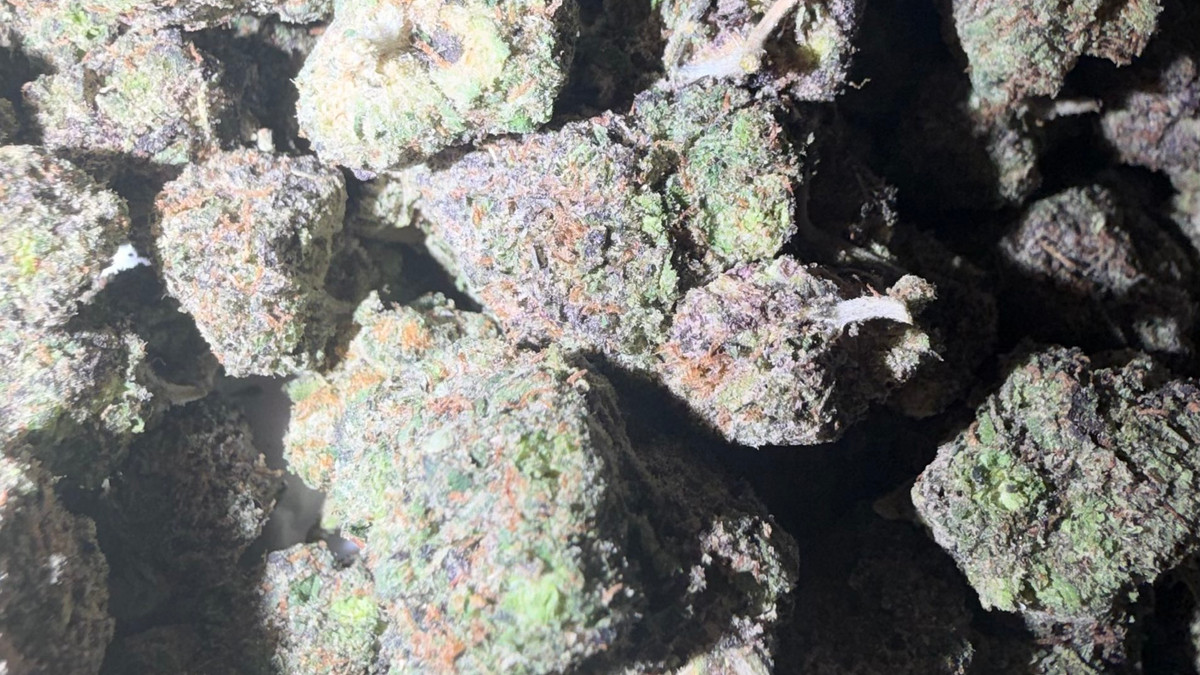
Horchata is commonly described as a hybrid cannabis strain with a sweet, creamy flavor and a relaxed but noticeable mental lift. Its name points to the cinnamon-and-rice drink, although the flower’s exact aroma can shift from batch to batch depending on genetics, cultivation, curing, and extraction.
Reported potency varies, but Horchata flower is often found in the mid-to-high THC range, commonly around 18% to 25%. That is a reported range, not a promise: one harvest may test differently from another, and a product’s label is the best guide for the specific batch in hand. Horchata may suit adults who enjoy dessert-forward cultivars and want a hybrid experience that can begin with conversation and euphoria before settling into physical ease.
Newer consumers should approach any high-THC product cautiously, especially concentrates and infused products. Start with less than you think you need, avoid mixing cannabis with alcohol or other intoxicants, and give inhaled products time to develop before taking more.
Product Highlights
This quick reference summarizes commonly reported Horchata characteristics. Treat it as a general guide rather than a substitute for the label on a particular flower, pre-roll, cartridge, or disposable.
Spec | Details |
|---|---|
Strain type | Hybrid; commonly presented as balanced to indica-leaning |
Commonly reported THC range | Approximately 18%–25% in flower, with meaningful batch variation |
Dominant terpenes | Often reported: caryophyllene, limonene, myrcene, and sometimes linalool |
Effect profile | Calm, euphoric, sociable, appetite-stimulating for some consumers, and potentially sedating at higher amounts |
Best time of day | Late afternoon or evening for many users; individual responses differ |
Available formats | Flower, pre-rolls, live resin, live rosin, distillate cartridges, and disposables where offered |
Lineage and genetics
Horchata is commonly attributed to a cross of Mochi Gelato and Jet Fuel Gelato. Those parentage claims appear frequently in strain descriptions, but cannabis naming is not fully standardized across breeders, retailers, and regional markets. Without a verified breeder record or genetic certificate for a particular cut, lineage should be treated as commonly reported rather than proven.
The reported family helps explain Horchata’s profile. Gelato-associated genetics are often linked with creamy sweetness, fruit, and dessert-like aromas, while Jet Fuel-influenced lines may contribute sharper fuel, pepper, or citrus notes. Expression still depends on the phenotype, grow conditions, harvest timing, curing, and whether the product is flower or concentrate.
Aroma, flavor and terpene profile
Well-cured Horchata may open with sweet cream, vanilla, nutty grain, or soft fruit. On the finish, many descriptions add cinnamon-like spice, pepper, citrus peel, or a light fuel note. The flavor is usually richer than simply “sweet,” with caryophyllene often associated with the peppery edge and limonene with brighter citrus character.
Terpenes are aromatic compounds, and their percentages can vary substantially between batches. Myrcene may contribute earthy or herbal depth, while linalool can add floral softness when present. Rather than relying on the strain name alone, smell the flower when possible and read the terpene panel on the package.
Reported effects and common uses
Consumer descriptions commonly place Horchata in the relaxed-euphoric category. People may report a lifted mood, easier conversation, body calm, increased appetite, or a gradual transition toward sleepiness as the dose rises. Those are subjective reports, not medical outcomes, and the same product can feel different depending on tolerance, setting, expectations, and recent food or sleep.
Many adults choose a strain like Horchata for winding down, watching a movie, listening to music, or low-pressure social time. Higher-potency flower and concentrates may feel more intense and less functional, particularly for people with limited experience. If cannabis causes severe anxiety, confusion, chest pain, or other concerning symptoms, seek appropriate medical help.
Formats and hardware
Horchata flower is the clearest way to experience its cultivated aroma, while pre-rolls offer convenience with less preparation. Live resin and live rosin generally aim to preserve more of the plant’s volatile aroma than distillate, although the final experience depends on extraction, formulation, storage, and hardware. Distillate carts and disposables may deliver a cleaner, more concentrated THC profile with added or strain-inspired terpenes rather than the complete chemistry of the original flower.
Cartridges and disposables typically use a small heating chamber, a wick or ceramic element, and a coil or atomizer that turns oil into aerosol. Some devices activate when the user inhales; others use a button. Lower temperatures, often roughly 2.5 to 3.0 volts on adjustable cartridge batteries, can preserve delicate flavor, while higher heat can produce larger draws but may taste harsher or consume oil faster. Device specifications differ, so follow the manufacturer’s instructions and avoid modifying sealed hardware.
For flower vaporizers, a moderate setting around 350°F to 400°F is often used as a flavor-conscious starting range, while combustion produces a different chemistry and sensory experience. Live resin can feel aromatic and quick through inhalation, live rosin may emphasize solventless flavor and texture, and distillate often feels direct and potent. None of those labels guarantees a particular onset or effect.
Batch testing and label reading
A certificate of analysis, or COA, is a laboratory document tied to a specific cannabis batch. Look for the batch or lot number on the package and confirm that it matches the COA; a generic strain page is not the same thing as batch-specific testing.
Useful fields include total THC, THCA, total CBD, other cannabinoids, terpene percentages, test dates, and contaminant screens. Flower labels may list THCA separately because heat converts THCA into THC during consumption. Percentages also vary from harvest to harvest, so a Horchata label showing 21% THC should not be used to predict every Horchata product.
Testing is educational information, not a guarantee of how your body will respond. Read serving guidance where provided, store products securely, and keep all cannabis away from children and pets.
How it compares
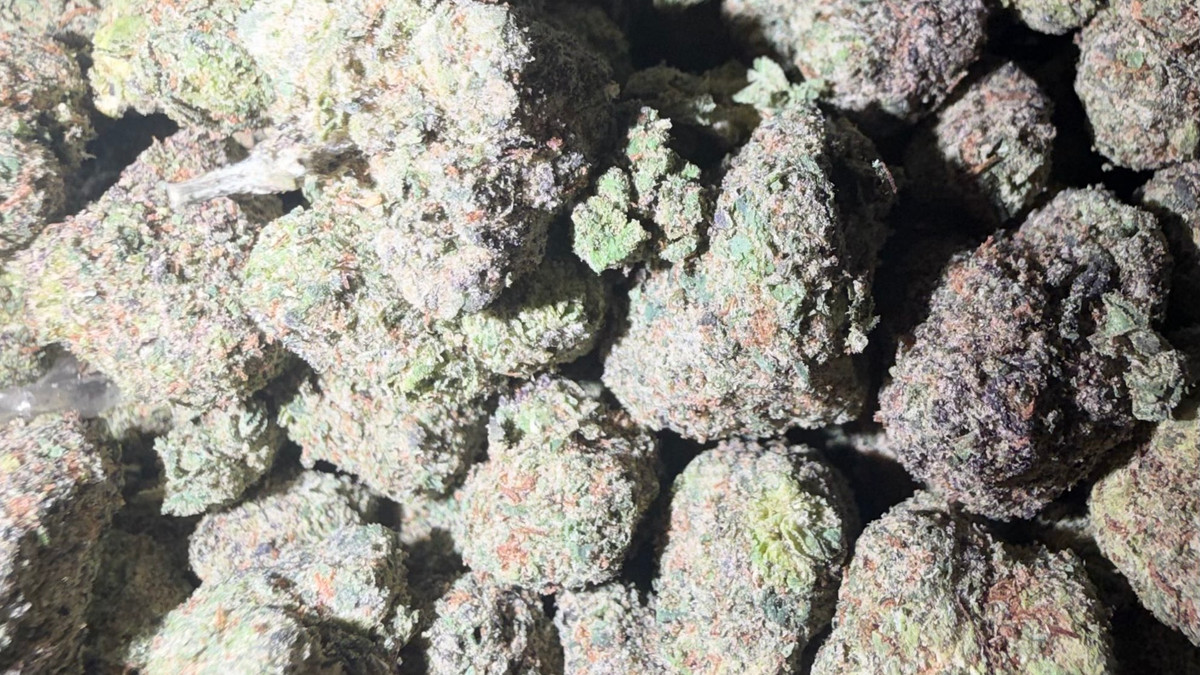
These comparisons use commonly reported strain profiles, not fixed rules. Genetics, phenotype, cultivation, and product format can make two products with the same name feel noticeably different.
Strain | Type | Flavor | Effect | Best for |
|---|---|---|---|---|
Horchata | Hybrid | Cream, vanilla, spice, citrus, light fuel | Relaxed, euphoric, potentially sedating | Dessert-forward evening sessions |
Gelato | Hybrid | Sweet cream, fruit, citrus, spice | Uplift with physical calm | Social time and balanced hybrid fans |
Hybrid | Vanilla, dough, pepper, fruit | Strong relaxation with mental lift | Experienced consumers seeking a heavier hybrid | |
Jet Fuel | Hybrid, often sativa-leaning | Fuel, citrus, pine, spice | More energetic or cerebral for some users | Daytime-leaning hybrid preferences |
Medical and wellness reports
Some consumers report choosing Horchata while seeking relaxation, mood change, appetite stimulation, or help creating an evening routine. Those are personal wellness reports, not evidence that Horchata treats, cures, or prevents any condition. Cannabis can also produce unwanted effects, including anxiety, dizziness, impairment, dry mouth, and sleep disruption for some people.
If you use prescription medicines, have a health condition, are pregnant or breastfeeding, or are considering cannabis for a medical concern, speak with a qualified clinician. This section is educational only and is not medical advice.
How to Grow Horchata
Horchata is commonly approached as a moderately demanding hybrid: rewarding when its canopy and humidity are managed, but not a set-it-and-forget-it cultivar. The figures below are commonly reported ranges, not guarantees, and phenotype selection can change the plant’s structure and finish.
For DMV growers, the biggest practical challenge is moisture management. Hot, humid Mid-Atlantic summers can turn dense flowers into a mold risk quickly, so airflow, spacing, and harvest judgment matter as much as genetics.
Use this table as a planning baseline rather than a promise of performance.
Spec | Details |
|---|---|
Grow difficulty | Moderate |
Indoor flowering time | Approximately 8–10 weeks |
Outdoor harvest window | Late September to mid-October in the Northern Hemisphere |
Yield potential | Indoor: commonly reported moderate to high; outdoor: commonly reported high under favorable conditions |
Plant height and stretch | Medium to tall; commonly reported moderate stretch after the flip |
Ideal climate | Warm, stable, dry during late flower, with strong air movement |
Mold and pest resistance | Often described as moderate; dense flowers still require active inspection |
Grow Difficulty
Moderate is the appropriate rating. Horchata can handle ordinary variation better than an extremely delicate cultivar, but its stretch, hybrid vigor, and potentially dense flowers demand planning. It is best suited to an intermediate grower, although a careful first-time cultivator can manage it with a stable environment, conservative feeding, and daily observation.
Do not assume “resistant” means immune. Temperature swings, overfeeding, weak airflow, or late-flower humidity can still create problems, especially in a humid outdoor season.
Canopy, Training and Pruning
Expect moderate vegetative vigor and medium node spacing, with the exact structure depending on the phenotype. After the transition to 12/12 lighting, plan for noticeable stretch and set the final canopy before the flip rather than waiting for the plant to reveal its full height.
Topping and low-stress training can help spread growth across an indoor footprint. A SCROG works well when branches are guided gradually through the net, while selective defoliation can improve light penetration and airflow. Avoid stripping the plant aggressively; remove weak interior growth and leaves that block developing sites, then let the plant recover before repeating the work.
Feeding, Climate and Environment
Horchata is commonly treated as a moderate feeder rather than an automatic heavy feeder. Start conservatively, watch leaf color and new growth, and avoid chasing dark foliage with excess nitrogen late in flower. Cal-mag needs depend on water source, medium, and lighting, so use a measured program instead of adding supplements automatically.
In veg, many growers target roughly 70°F to 82°F with moderate humidity and consistent air movement. In flower, slightly cooler conditions and lower humidity are helpful; late flower is often managed around 40% to 50% relative humidity when possible. In DC, Maryland, and Virginia outdoor gardens, summer humidity and overnight dew make spacing, pruning, sheltered placement, and frequent cola inspection essential. Powdery mildew and bud rot can develop even when the plant looked healthy the day before.
Harvest Timing and Curing
Use trichomes as the primary cue: clear heads usually indicate immaturity, mostly cloudy heads often align with a brighter effect, and more amber can correspond with a heavier, sleepier character. For a balanced Horchata harvest, many growers look for predominantly cloudy trichomes with a smaller amber portion, but the ideal ratio is personal and not a guarantee of effect.
Swelling calyxes, receding pistils, and a fully developed aroma can support the decision, but pistil color alone is unreliable. Dry slowly in darkness with gentle airflow, then cure in airtight containers opened periodically to release excess moisture. Protecting temperature, light, and humidity during this stage helps preserve Horchata’s cream, spice, and citrus notes.
Home Grow Rules in the DMV
As a plain-language overview, DC adults 21 and older may grow up to six plants, with no more than three mature, and a household may have up to 12 plants. Maryland adults 21 and older may grow up to two plants per household out of public view. Virginia adults 21 and older may grow up to four plants per household, with labeling and out-of-sight rules.
Home-grow laws and implementation details can change, so check current official guidance before planting. This is educational information, not legal advice.
Similar strains worth trying
Consumers drawn to Horchata’s creamy dessert profile may also explore Gelato, Wedding Cake, and other dessert hybrids. If the sharper side of the reported lineage appeals more, Jet Fuel-style hybrids may offer more fuel, citrus, or pine character and a potentially more alert experience.
Compare the actual product label rather than relying only on strain names. A flower’s terpene panel, cannabinoid results, harvest or package date, and storage condition can matter as much as the cultivar title.
The Bud Lords Take
Our take: Horchata is most interesting when its creamy sweetness is supported by real spice, citrus, or pepper rather than flattened into generic “cake” flavor. It has the kind of balanced identity that can work for a relaxed evening, but its reported potency means new consumers should keep the first session modest and give inhaled cannabis time to settle.
For DMV readers, the product format matters. Flower and pre-rolls can show more of the original aroma, while live resin, live rosin, distillate carts, and disposables offer different tradeoffs in flavor, concentration, hardware, and onset. Read the batch label, verify the COA when available, and remember that product rules differ across DC, Maryland, and Virginia.
Washington, DC operates under Initiative 71 gifting rules, which are distinct from a conventional regulated retail market. Do not assume that a promotion, gift, delivery arrangement, or product listing has the same legal status everywhere in the region. Cannabis products discussed here are for adults 21 and older, and readers should confirm current local rules before possessing, growing, transporting, or consuming them.
Horchata strain FAQ
Here is what most people ask about Horchata in this area.
Is Horchata indica or sativa?
Horchata is commonly described as a hybrid, often with a balanced or indica-leaning presentation. Labels can differ, so the product’s batch information and your own response are more useful than the category alone.
What does Horchata taste like?
Commonly reported notes include cream, vanilla, sweet grain, cinnamon-like spice, citrus, pepper, and light fuel. The exact balance depends on phenotype, curing, and product format.
Is Horchata good for beginners?
It may be approachable in a lower-potency flower, but reported THC levels can be substantial. Beginners should choose a clearly labeled product, use a small amount, avoid mixing substances, and wait before consuming more.
How long does Horchata take to flower?
Indoor flowering is commonly reported at approximately eight to 10 weeks, while outdoor harvest is often placed between late September and mid-October in the Northern Hemisphere. Actual timing depends on the phenotype and growing conditions.
Horchata is not in the Bud Lords menu right now. Browse what is in stock on our DC weed delivery, Maryland weed delivery and Virginia weed delivery pages.
More strain guides: Super Boof, Glitter Bomb, Cereal Milk.
Frequently asked questions
Here is what most people ask about Horchata in this area.
What Horchata is?
Horchata is commonly described as a hybrid cannabis strain with a sweet, creamy flavor and a relaxed but noticeable mental lift. Its name points to the cinnamon-and-rice drink, although the flower’s exact aroma can shift from batch to batch depending on genetics, cultivation, curing, and extraction. Reported potency varies, but Horchata flower is often found in the mid-to-high THC range, commonly around 18% to 25%.
How it compares?
These comparisons use commonly reported strain profiles, not fixed rules. Genetics, phenotype, cultivation, and product format can make two products with the same name feel noticeably different.
How to Grow Horchata?
Horchata is commonly approached as a moderately demanding hybrid: rewarding when its canopy and humidity are managed, but not a set-it-and-forget-it cultivar. The figures below are commonly reported ranges, not guarantees, and phenotype selection can change the plant’s structure and finish. For DMV growers, the biggest practical challenge is moisture management.
Is Horchata indica or sativa?
Horchata is commonly described as a hybrid, often with a balanced or indica-leaning presentation. Labels can differ, so the product’s batch information and your own response are more useful than the category alone.
What does Horchata taste like?
Commonly reported notes include cream, vanilla, sweet grain, cinnamon-like spice, citrus, pepper, and light fuel. The exact balance depends on phenotype, curing, and product format.
Is Horchata good for beginners?
It may be approachable in a lower-potency flower, but reported THC levels can be substantial. Beginners should choose a clearly labeled product, use a small amount, avoid mixing substances, and wait before consuming more.
Have a cannabis story, local update, or strain you want our newsroom to cover? Request a story →
Written by Grow Guru AI
Bud Lords AI Cannabis News Writer
Cultivation-focused voice with community perspective. Covers growing tips, techniques, and cultivation industry news.
Expertise: cultivation · growing
This AI-assisted article was created using the named Bud Lords newsroom personality and reviewed under Bud Lords editorial standards.


Comments