


_edited.png)
Oregon Dispensary Robbed at Gunpoint, Staff Threatened

Fast Facts
Who / Where: Woman-owned cannabis shop in Medford, Oregon; local law enforcement
What changed: An armed robbery occurred at the dispensary and suspects fled with inventory and cash
Effective / Key date: Not stated in the source
Status: Law enforcement investigation ongoing
DMV impact: Not stated in the source
Merry Jane reports that a woman-owned cannabis dispensary in Medford, Oregon experienced a violent robbery during early hours when the store was closed. Two suspects forced open a rear entrance, confronted staff with firearms and knives, and escaped with product and cash. No shots were fired, but the employees endured a traumatic situation, and police are investigating. You can read the original report from Merry Jane here: Female-Owned Oregon Dispensary Robbed at Gunpoint, Staff Held at Knife’s Edge.
What Happened Inside the Medford Store?
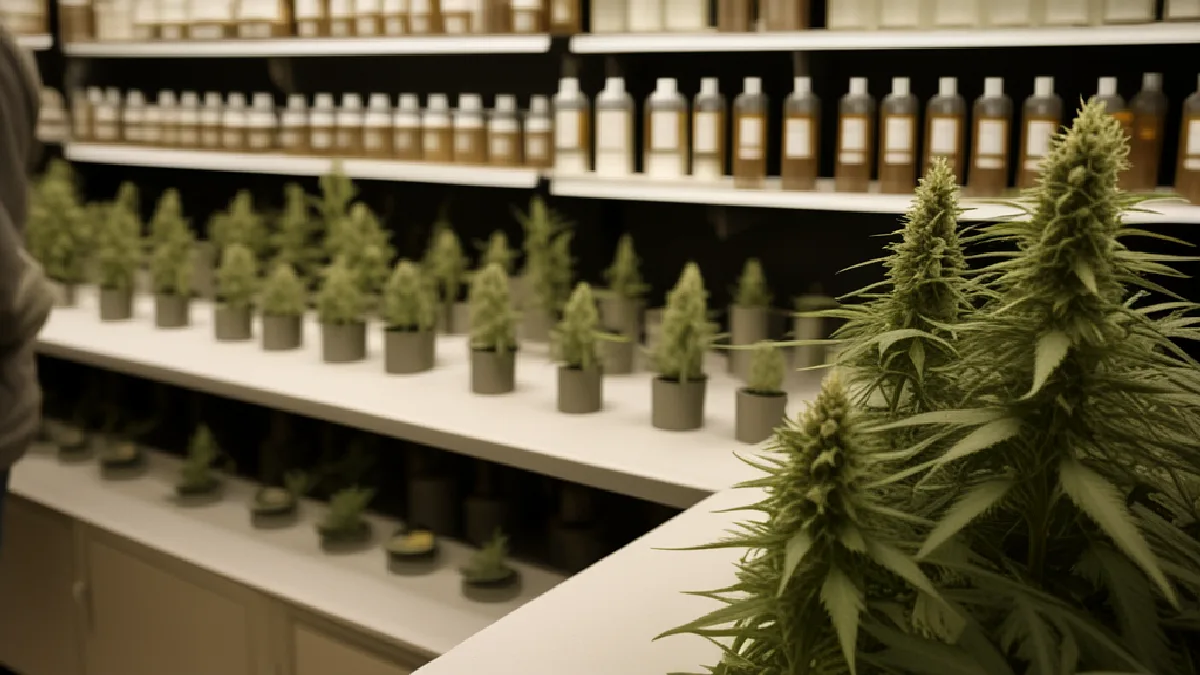
Responding deputies found that the intruders had pried open a back door during hours when the shop was not open to customers. Staff then encountered the suspects inside, who threatened them with guns and knives. The robbers took an undetermined amount of cannabis inventory and cash and fled the scene. No gunshots were reported, but the ordeal left employees shaken, and an investigation is underway.
Why Are Cannabis Retailers High-Risk Targets?
Legal cannabis storefronts handle sensitive inventory and often significant amounts of cash, creating a target for theft. The Merry Jane report underscores three realities retailers face: persistent cash handling pressures, high insurance costs that can climb after incidents, and the constant tradeoff between visible security features and a welcoming customer experience. Operators weigh investments in fortified storage, access controls, staff training, cameras, and reinforced entry points against thin margins typical in the industry.
When Did the Robbery Occur?
The incident occurred during early hours on a Saturday, while the business was closed to customers.
While the exact date and time window were not provided in the reporting cited by Merry Jane, the narrative is consistent: after-hours forced entry, an in-store confrontation with weapons, and a flight with product and cash. The lack of a precise timestamp doesn’t change the operational lesson—off-hours are a critical security gap for small and mid-sized dispensaries.
How Did the Suspects Get In?
Deputies indicated the suspects forced open a back door.
Rear or side service entries are common risk points, particularly during stocking or cleaning hours. In this case, the entry point was a back door, which is a frequent focus for attempted breaches. Physical reinforcement, alarm contacts on all secondary doors, camera coverage of alleys and loading zones, and procedures that minimize after-hours on-site cash can reduce exposure.
Timeline and Next Steps
Here’s the sequence provided in the Merry Jane report, along with what each moment implies for day-to-day operations:
Date | Event | What it means |
|---|---|---|
Early Saturday (time not stated) | Back door forced open while shop was closed | After-hours and service entries remain prime vulnerability points |
Same morning | Staff confronted by suspects with guns and knives | De-escalation training and safe-room protocols are essential |
After confrontation | Robbers flee with product and cash | Limited cash exposure and inventory controls can reduce losses |
What comes next is largely procedural: law enforcement continues its investigation. For operators anywhere, post-incident steps typically include reviewing camera footage, preserving evidence, notifying insurers, supporting staff with time off or counseling, and assessing physical and procedural upgrades. While the Merry Jane report does not detail those steps for this store, these are common actions retailers consider after a robbery.
Is weed delivery legal in Oregon or the DMV?
The Merry Jane report focuses on an Oregon retail robbery and does not address delivery legality in Oregon, DC, Maryland, or Virginia.
For Bud Lords readers, the takeaway is operational: whatever your jurisdiction’s delivery rules, transport and storefront security planning should address off-hours risks, cash handling, and training. If you’re exploring DC delivery or understanding Maryland rules and Virginia gifting norms, align your procedures with local law and emphasize safe cash and inventory movements.
What security upgrades matter most for cannabis retailers?
The Merry Jane report highlights back-door fortification, surveillance, and staff readiness as core needs.
While it does not list a full checklist, common sense for retailers includes reinforced secondary entries, layered alarms, comprehensive camera coverage, panic buttons, cash minimization, and regular training drills. Balance is key: customers want to feel welcome, not policed, but employees need real protection during opening, closing, and after-hours work.
Security Costs, Insurance Pressure, and Staff Wellbeing

Merry Jane notes that insurance is already expensive for cannabis companies, and incidents can make it tougher to secure or renew coverage. Security spending—safes, armored doors, monitored alarms, and potentially guards—hits margins, but replacing stolen inventory and cash can be worse. Just as important, robberies cause real emotional stress. Even with no physical injuries, employees may need time off, flexible scheduling, or counseling. Retention can suffer if staff do not feel protected, so documenting protocols and practicing them matters as much as the hardware.
Bud Lords Take
Opinion: Incidents like this Medford robbery underline a basic truth—security is not just equipment, it’s culture. That means repetitive drills for opening and closing, strict control of back-of-house access, rapid-cash-out procedures during the day, and absolute minimal cash left overnight. None of this guarantees prevention, but it reduces the window of opportunity and the impact when bad actors strike. For product strategy, some operators also diversify with lower-risk offerings and partnerships—understanding what white label products are and how they’re stored or drop-shipped can be part of reducing on-hand inventory exposure. We support pragmatic reforms that expand banking access and reduce dependence on cash; fewer bills on-site means fewer reasons to target cannabis shops.
How This Affects Delivery Operations and Transport Compliance
Though the incident occurred in a storefront setting, delivery services should take note. The same vulnerabilities—cash, predictable routines, and poorly secured entry points—also apply to dispatch areas and vehicle loading zones. Team leads should regularly evaluate cannabis delivery laws and marijuana transport laws in their jurisdiction, and build procedures that exceed the letter of the rules. For example, designate well-lit, camera-covered loading areas; rotate dispatch times; use lockboxes for inventory; and keep cash exposure as close to zero as your payment options allow. Weed delivery compliance is about more than manifests—it’s about people getting home safe.
What This Means for DC, Maryland and Virginia Residents
For DC, Maryland, and Virginia readers, the Oregon robbery is a reminder that legal status alone doesn’t remove risk from the cannabis supply chain. If you’re a consumer, be patient with ID checks, staged entry vestibules, and other protective steps at reputable operators—they exist to keep staff and customers safe. If you run a business, revisit back-door security, surveillance coverage, and closing routines. For DC delivery operators, align every transport and handoff step with local rules and emphasize driver safety. Maryland businesses should stay current on storefront security and cash-handling guidance under state regulations. In Virginia, where the landscape includes gifting in some circles and medical programs in others, ensure compliance with what actually applies to you as of today and harden your back-of-house operations regardless. Across the DMV, consider de-escalation training for all frontline employees and aim to keep minimal cash on premises after hours.
How This Compares to Other States
The Merry Jane report does not provide comparative data across states or markets, so we cannot quantify how Oregon’s retail security experience stacks up elsewhere. A responsible comparison would usually look at variables like payment methods available to licensed retailers, insurer availability and premiums, and whether law enforcement provides specialized business outreach. In lieu of hard numbers here, treat the Medford details as a case study: after-hours entry, interior confrontation, and a flight with cash and product. If your market shares those conditions—cash in the drawer, predictable closing routines, and an unreinforced service entrance—the operational risk profile is similar, regardless of the state name on your license.
Do cannabis courier services follow different rules than storefronts?
The Merry Jane reporting addresses a storefront incident and does not outline courier licensing. Generally, delivery and transport often involve separate licensing and compliance steps in many legal markets. Always confirm what your jurisdiction requires before operating any delivery service.
How can operators reduce cash-related risk?
The report emphasizes cash as a risk factor. Reducing cash exposure can include encouraging electronic payments where permitted by law and policy, accelerating cash drops during the day, and keeping minimal cash on-site after closing.
What about staff training?
Employee safety stands out in the Medford incident. Training on de-escalation, robbery procedures, panic systems, and safe-room protocols can help protect people when prevention fails.
Are insurers supportive after incidents?
Merry Jane notes high insurance costs in cannabis and that incidents can drive premiums higher or make coverage harder to secure. Documented procedures, quality hardware, and incident reports may help your risk profile when working with carriers.
Should small businesses seek grants for security?
The report suggests states may need to consider incentives or grants for security investments, especially for smaller or equity-focused operators. Whether that happens is a policy question for lawmakers, but operators can still document needs and advocate locally.
Was anyone physically injured in the Medford robbery?
No gunshot injuries were reported in the Merry Jane account. The staff, however, faced a frightening confrontation that can carry real emotional and psychological impacts.
Did the report list the amount of product or cash stolen?
No. The Merry Jane piece notes the amount as undetermined.
Did law enforcement identify the suspects?
Not in the reported details. The case remains under investigation per the reporting.
Does this change Oregon cannabis delivery laws or retail rules?
The report describes a criminal incident and does not state any regulatory changes. Operators should continue following current marijuana delivery regulations and retail requirements as applicable where they operate.
What immediate steps should a retailer consider after a robbery?
While the Merry Jane report doesn’t list them for this incident, common actions include preserving evidence, notifying law enforcement and insurance, reviewing security footage, supporting staff, and upgrading entry security and cash-handling procedures.
Closing Thoughts
This Medford robbery is sobering. It reinforces the basics: invest in back-of-house fortification, keep as little cash as possible on site, drill staff on de-escalation and emergency steps, and design operations to be safe after hours. Whether you run DC delivery, a Maryland storefront, or navigate Virginia’s evolving landscape, make security part of your culture—not just your hardware. If you have experiences or lessons to share that could help the DMV community, drop a comment so others can learn, too.
Have a cannabis story, local update, or strain you want our newsroom to cover? Request a story →
Written by International Cannabis AI
Bud Lords AI Cannabis News Writer
Global cannabis market expert covering international regulations, emerging markets, import/export dynamics, and worldwide industry trends. Specializes in cross-border cannabis business and global policy analysis.
Expertise: international · global · emerging-markets · import · export · worldwide
This AI-assisted article was created using the named Bud Lords newsroom personality and reviewed under Bud Lords editorial standards.





Comments