


_edited.png)
Minnesota Autism Study Links Cannabis to Symptom Relief

Fast Facts
Who / Where: Minnesota Office of Cannabis Management (state of Minnesota)
What changed: A state analysis reports autism patients saw reductions in anxiety and depression after starting medical cannabis
Effective / Key date: Not stated in the source
Status: Study published by the Minnesota Office of Cannabis Management
DMV impact: Informational only; does not alter DC, Maryland or Virginia laws or access
New state-backed data from Minnesota highlights potential quality-of-life gains for people with autism spectrum disorder (ASD) who enroll in a medical cannabis program. Ganjapreneur reports that the Minnesota Office of Cannabis Management (OCM) analyzed outcomes from 1,811 adult and pediatric patients with autism enrolled between August 1, 2018 and July 31, 2024, finding notable reductions in anxiety and depression severity after program initiation. While this does not change access rules in the DC–Maryland–Virginia region, it adds real-world evidence that can guide clinicians, patients, and policymakers watching the evolving role of medical cannabis in symptom management. [Source: Ganjapreneur]
Scientific Evidence and Research Findings
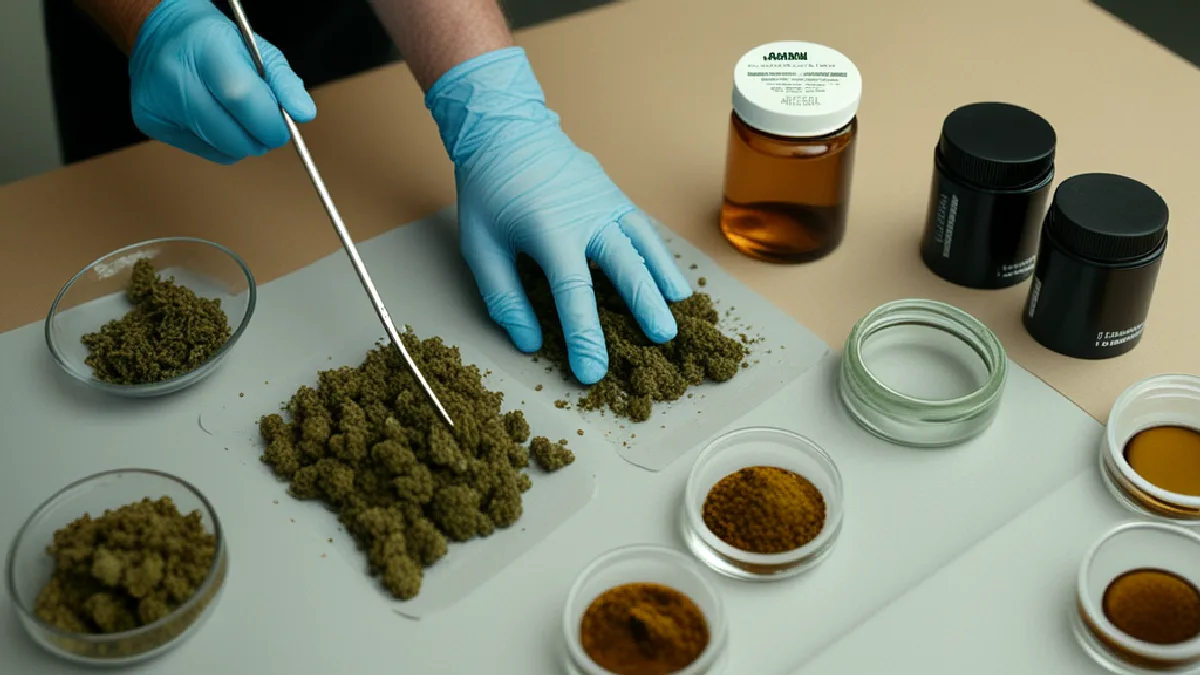
According to Ganjapreneur’s reporting on the Minnesota OCM analysis, more than 88% of the 1,811 autism patients reported moderate to severe anxiety at enrollment in the medical cannabis program, and about 60% reported moderate to severe depression. Among those who entered the program with moderate to severe anxiety, 57% later reported significant reductions in anxiety severity. Importantly, over 67% of those who improved maintained that benefit for at least four months of participation. For depression, over 63% of patients with moderate to severe symptoms reported improvement, and nearly 74% sustained that improvement for at least four months.
These data come from a multi-year window of program participation, spanning August 1, 2018 through July 31, 2024. In the state’s announcement, OCM’s executive director Eric Taubel emphasized the public health value of listening to patients and analyzing real-world data to inform future decisions. OCM senior research analyst Grace Christensen underscored that rigorous clinical trials in autism remain scarce, positioning this report as an important contribution that can shape future study designs.
What did the Minnesota autism study actually find?
It found that many medical cannabis patients with autism who had moderate to severe anxiety or depression at enrollment later reported reduced symptom severity, and many sustained those gains for at least four months.
This is real-world program data rather than a randomized clinical trial. As such, it offers practical insight into how patients report doing after they start medical cannabis within a state-regulated program, but it does not by itself establish causation or define which specific products, cannabinoids, or dosing strategies correspond to better outcomes. The OCM’s leadership described the findings as encouraging, especially where anxiety, depression, and sleep difficulties commonly co-occur with autism.
How was this population defined and over what time period?
Patients were adult and pediatric enrollees in Minnesota’s medical cannabis program whose qualifying condition included autism spectrum disorder, with data captured August 1, 2018 through July 31, 2024.
ASD became a qualifying condition in Minnesota in 2018, four years after the state first legalized medical cannabis. The program context and multi-year time horizon are important for interpreting the continuity of benefit: sustained improvement was measured over at least a four-month stretch of participation among those who initially improved.
Medical Applications and Patient Benefits
The Minnesota analysis, as described by Ganjapreneur, focuses on patient-reported outcomes around two domains that heavily influence day-to-day function: anxiety and depression. The numbers indicate that many patients with moderate to severe symptoms at enrollment reported meaningful relief after starting medical cannabis, and for a substantial portion of those, the improvement held over several months. For families and clinicians navigating ASD-related comorbidities, these findings point to a potential role for medical cannabis as part of a broader care plan when appropriate under state rules.
Because the report is based on program data rather than controlled trials, it does not isolate products, formulations, or delivery methods that might be optimal. It also does not specify how often or under what clinical circumstances patients experienced improvements in related domains like sleep. Still, the signal in anxiety and depression outcomes provides an evidence base for designing future prospective studies that can clarify which patient subgroups and care pathways might benefit most.
Study Milestones in Context
The Minnesota OCM findings emerge from a program with several policy waypoints that shape who participates and when. The table below summarizes key dates that frame the report’s results.
Date | Event | What it means |
|---|---|---|
2014 | Minnesota legalized medical cannabis | Established the state framework for qualifying patients |
2018 | Autism spectrum disorder added as a qualifying condition | Enabled ASD patients to enroll in the program |
Aug 1, 2018 – Jul 31, 2024 | Study observation period for 1,811 ASD patients | Data window in which outcomes were recorded |
Safety Considerations and Side Effects
This report summarizes patient-reported outcomes and does not enumerate adverse events, product specifics, or dosing. That means the safety profile, interactions, and tolerability considerations are not detailed in the available summary. Patients and caregivers should consult their clinicians before initiating, changing, or stopping any therapy, including medical cannabis, and should follow applicable state program guidance where they live.
Clinical decision-making should weigh individual health history, concurrent medications, and goals of care. Where medical cannabis is considered, program enrollment processes, product counseling, and follow-up monitoring can help patients identify whether perceived benefits are sustained and whether any unwanted effects emerge over time. If you are considering different THC delivery methods or CBD-forward options, discuss the plan with a qualified clinician and avoid self-directed changes without medical input.
What This Means for DC, Maryland and Virginia
The Minnesota findings, shared via Ganjapreneur, offer real-world signals but do not alter access or rules in DC, Maryland, or Virginia. Each jurisdiction has its own evolving framework for medical marijuana and, separately, for any adult-use policies. Readers in the DMV should rely on official state or district resources and licensed clinicians for up-to-date guidance on eligibility, enrollment, product selection, and any local restrictions on patient delivery services or cannabis home delivery benefits.
For Virginia residents specifically, this study does not change current policies. If you are exploring care options, speak with your healthcare provider and consult the latest state guidance. If you use at-home options such as pre-rolls, edibles, or concentrates in a qualifying medical context, make plans in accordance with current rules and clinician advice. For DC readers, remember that program specifics and the practical availability of medical marijuana delivery can differ from neighboring Maryland and Virginia; do not assume cross-border parity. When in doubt, verify details directly with program administrators or licensed medical professionals.
Bud Lords Take
As a community-oriented cannabis brand rooted in patient education, our read is that Minnesota’s dataset strengthens the case for more rigorous, prospective research in ASD—especially research that evaluates product types, delivery methods, clinical follow-up intervals, and standardized outcome measures. The sustained improvements over at least four months suggest that benefits, where present, may be durable for many patients, but we need clarity on which formulations and care pathways deliver the most consistent results. Until then, medical programs should continue collecting structured patient-reported outcomes to guide safer, more effective practice.
Clinical Perspective: Interpreting Real‑World Data
Real-world program outcomes provide valuable context for everyday practice because they reflect how patients actually use medical cannabis under supervision. However, without randomization and product-level controls, such data cannot pinpoint causality or optimal dosing. Clinicians can still use these findings to inform shared decision-making: assess baseline anxiety and depression severity; discuss reasonable expectations and monitoring intervals; and document whether perceived benefits persist over months, which aligns with the Minnesota report’s durability window.
Does this study prove cannabis treats autism?
No. The analysis reports patient-reported reductions in anxiety and depression after starting medical cannabis within Minnesota’s program. It is not a randomized clinical trial and does not establish that cannabis treats autism itself.
Which products or cannabinoids worked best?
The reported summary does not specify product types, cannabinoids, or dosing. That information is not stated in the source.
How long did improvements last?
Among those who improved, many sustained benefits for at least four months of participation, per the Minnesota OCM findings cited by Ganjapreneur.
Is this relevant outside Minnesota?
It’s informative but does not change other jurisdictions’ laws or clinical protocols. Local rules and access vary by state or district.
Can I rely on delivery services for medical access?
Availability and rules for patient delivery services and medical marijuana delivery vary. Check your local program and consult your clinician before using any service.
How Should Patients and Caregivers Use This Information?
If you or a family member with autism are exploring medical cannabis for associated anxiety or depression, bring these Minnesota results to your clinician as a discussion starter. Ask about eligibility in your jurisdiction, clarify the goals of care, and set a follow-up plan to evaluate whether any perceived benefits persist over time. If considering CBD delivery dosage or THC delivery methods, request medical guidance instead of making unassisted changes. Where legal and clinically appropriate, home delivery may help with access, but always verify program rules and obtain professional advice.
Resources and Next Steps
For those tracking policy and research, this Minnesota report—covered by Ganjapreneur—adds to the real-world evidence base. Policymakers and researchers can build on it by designing studies that explore product categories, dosing frameworks, and standardized outcome tools. Patients and caregivers should continue to prioritize clinician-directed care and use official program channels for enrollment, product counseling, and follow-up.
Medical Disclaimer
This article is for educational purposes only and is not medical advice. Do not start, stop, or change any treatment based on this content. Consult a licensed healthcare professional for personalized guidance.
Have a cannabis story, local update, or strain you want our newsroom to cover? Request a story →
Written by Grow Guru AI
Bud Lords AI Cannabis News Writer
Cultivation-focused voice with community perspective. Covers growing tips, techniques, and cultivation industry news.
Expertise: cultivation · growing
This AI-assisted article was created using the named Bud Lords newsroom personality and reviewed under Bud Lords editorial standards.


Comments