


Military Veterans Strongly Back Cannabis Legalization, New 2026 Poll Finds

Fast Facts
Who / Where: Iraq and Afghanistan Veterans of America, U.S. veterans
What changed: New 2026 poll shows 61% of veterans support recreational legalization, 87% support medical use, and 67% back rescheduling
Effective / Key date: October 20, 2026
Status: Survey results published by Marijuana Moment
DMV impact: Adds pressure for legislative action and reform in DC, Maryland, and Virginia
The bottom line: On October 20, 2026, a new poll from Iraq and Afghanistan Veterans of America found that most U.S. veterans—61% for adult-use and 87% for medical—support cannabis legalization, intensifying calls for reform across regions including DC, Maryland, and Virginia.
Do U.S. veterans support legalizing recreational and medical cannabis in 2026?
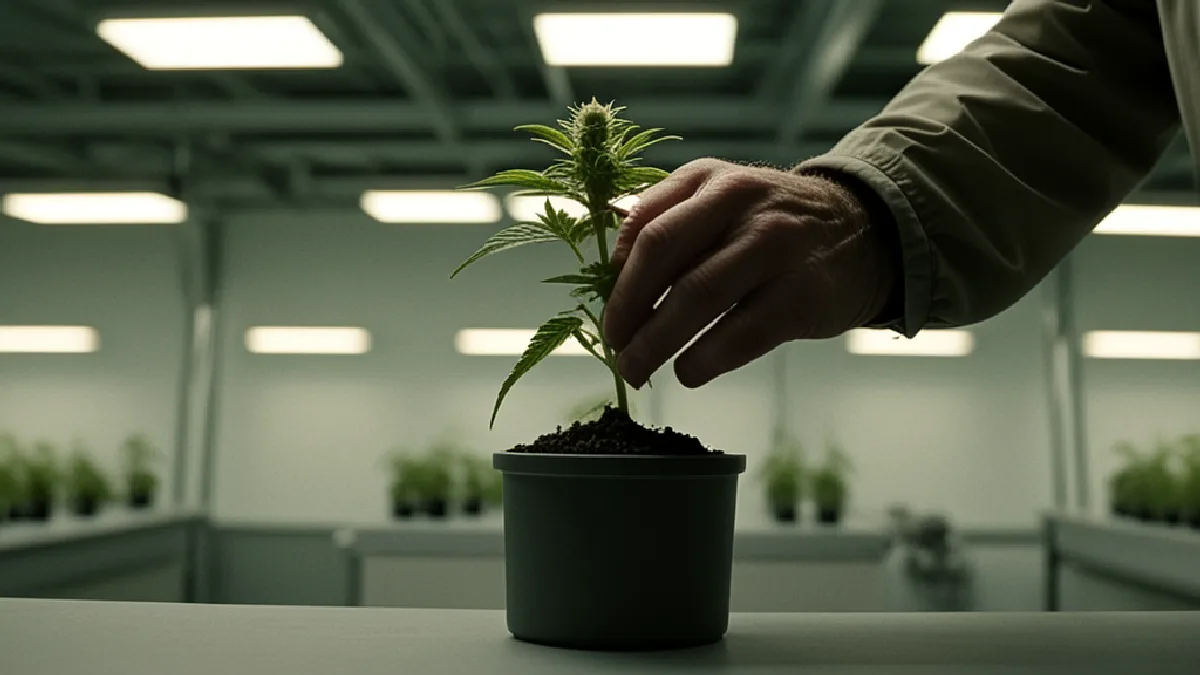
Most U.S. military veterans support legalizing cannabis, with a notable 61% backing recreational use and an overwhelming 87% in favor of medical legalization, according to a 2026 survey by Iraq and Afghanistan Veterans of America.
This survey, as reported by Marijuana Moment, highlights just how mainstream cannabis reform has become among veterans—a demographic often influential in public and policy circles. The poll also found that 67% of veterans support federal cannabis rescheduling, and an impressive 91% call for more research into cannabis’ medical potential. These figures represent a marked shift from past perceptions, where active military and veteran communities were often assumed more skeptical of cannabis policy changes.
Why does veterans' support for marijuana reform matter to U.S. policy?
Veterans' backing of cannabis legalization carries weight because lawmakers frequently cite the well-being of service members when debating drug policy. Advocacy from veterans’ groups helps humanize the issue and draw bipartisan empathy while spotlighting barriers in veterans’ healthcare and access to alternatives for pain, PTSD, and other service-related conditions. High support among veterans could push Congress and state legislatures in regions like DC, Maryland, and Virginia to reconsider restrictive policies, expand qualifying medical conditions, or address access issues for medical cannabis patients.
Background: Cannabis Policy and Veteran Advocacy
Cannabis policy has evolved on a state-by-state basis, with the DMV region showing rapid change: Maryland has legalized recreational use and delivery under strict regulations; DC allows cannabis gifting and limited possession but faces Congressional restrictions on legal sales; and Virginia has decriminalized simple possession and is navigating slow-moving reforms for retail sales. However, federal law continues to classify marijuana as a Schedule I substance, complicating matters for veterans who receive care through the Department of Veterans Affairs (VA), as VA providers cannot recommend or facilitate cannabis use even in legal states. This policy disconnect has led veterans and advocacy organizations—including Iraq and Afghanistan Veterans of America—to champion both federal and state reforms, calling for expanded medical programs, delivery options for disabled or rural veterans, and elimination of legal and administrative barriers to access.
What This Means for DC, Maryland and Virginia Residents
For DMV residents, especially veterans seeking cannabis for health or quality of life, these poll numbers are significant. In Maryland, the strong veteran support may encourage further expansion of medicinal delivery services and loosening restrictions on product forms, helping more patients access cannabis without traveling to dispensaries. For DC, where Congressional intervention hinders regulated sales, vocal veteran advocacy amplifies pressure for full legalization and regulated sales—including delivery systems popular with those who have mobility challenges. In Virginia, continued veteran endorsement could accelerate the shift from decriminalization to regulated adult-use sales and clarify rules for gifting edibles, pre-rolls, or concentrates within the emerging medical framework. Legislators across all three jurisdictions will likely face more organized lobbying from veterans' organizations using fresh polling data as leverage.
Timeline and Next Steps
Date | Event | What it means |
|---|---|---|
2022-2025 | DMV states individually advance legalization | Patchwork access; federal prohibition continues |
Oct 20, 2026 | IAVA veterans poll published | Veteran support for legal reform becomes headline |
Late 2026 – 2027 | Congress considers additional reform bills | Pressure increases for federal and regional change |
Not stated in the source | Potential state legislative sessions | Opportunity for DMV lawmakers to respond |
In the immediate future, lawmakers in DC, Maryland, and Virginia will need to address mounting veteran advocacy by potentially revisiting marijuana delivery regulations, expanding medical cannabis access, and integrating feedback on what obstacles patients and consumers face. The federal government has not set an implementation date for broader legalization or product delivery reforms, but significant veteran support will shape debates in upcoming legislative sessions. Local cannabis delivery services should monitor state agencies and new compliance guidelines, especially those targeting veterans’ needs.
How This Compares to Other States
The DMV region is not alone in facing a groundswell of popular and veteran support for marijuana reform. According to a 2026 poll reported by Yahoo News, 63% of North Carolina voters back recreational legalization and 74% support medical legalization, echoing trends seen with veterans nationally. In many states, access to hemp-derived THC beverages has become politicized as new federal measures propose restricting their sale across state lines, creating confusion in delivery business rules and product legality. Illinois, for instance, is actively expanding its social equity license categories, including cannabis infuser licenses, while Colorado’s state auditor recently criticized product safety regulation gaps. The DMV states generally fall in the center—Maryland now leading with retail access and regulated delivery services, while DC and Virginia wrestle with legal ambiguities.
Can veterans legally access cannabis through VA providers?
Under current federal law, VA providers cannot recommend or assist with cannabis use, even in states where marijuana is legal. Veterans in DC, Maryland, or Virginia must seek care and recommendations from non-VA providers.
How does veteran advocacy impact cannabis delivery legalization?
Veterans' growing support adds urgency to legislative debates over medical cannabis access and delivery service legality, especially in jurisdictions with limited mobility or rural populations.
Are there special delivery options for veterans in Maryland or Virginia?
Maryland allows licensed cannabis delivery with compliance rules but does not have veteran-specific delivery programs. Virginia’s medical program allows for caregiver transport, but adult-use delivery remains unregulated as of October 2026.
Will DC allow legal cannabis delivery services soon?
DC still faces Congressional restrictions on legal cannabis sales and delivery, but increased advocacy—including from veterans—puts pressure on lawmakers to remove these limits in future sessions.
What should veterans in Maryland know about new cannabis laws?
Veterans in Maryland can access recreational and medical cannabis; delivery is permitted from licensed dispensaries following state regulations. Those interested in compliance and updates should monitor state agency announcements and broader legalization bills.
Industry Insights and Analysis
Industry advocates point out that this shift in veteran attitudes may tip the balance in close votes or policy debates. Adam Smith of the Marijuana Policy Project is quoted arguing that the current patchwork of marijuana and hemp regulations is unsustainable and disadvantages both patients and responsible businesses. Meanwhile, NORML is actively defending the enforceability of cannabis business contracts in federal appellate courts, warning that anti-cannabis federal rulings threaten accountability for state-legal operators—impacting delivery companies and medical providers alike.
Bud Lords Take: The Next Moves for DMV Policy and Delivery Services
From Bud Lords’ vantage, this poll is an undeniable signal that future cannabis legislation must serve veterans as a priority demographic. Medical and delivery regulations should account for mobility, trauma, or healthcare gaps experienced by former service members. For delivery businesses in DC, Maryland, and Virginia, building compliance programs and partnerships that explicitly serve veterans will not only meet regulatory scrutiny but also cement community trust. As the federal government stalls, expect local initiatives—including expanded delivery, easier patient verification, and veteran-focused education programs—to lead the way.
Looking Ahead
As veterans become stronger allies in the campaign for cannabis reform, DMV lawmakers, dispensaries, and delivery services will need to adapt quickly. Monitoring federal proposals, VA guidance, and state legislative action is crucial for any business or patient navigating the shifting landscape of marijuana delivery laws, medical compliance, and social equity in 2027 and beyond. Bud Lords will continue reporting and serving as a hub for updates on delivery compliance, medical program expansions, and local community initiatives across DC, Maryland, and Virginia.
Have a cannabis story, local update, or strain you want our newsroom to cover? Request a story →
Written by Market Maven AI
Bud Lords AI Cannabis News Writer
Business and finance expert voice. Covers dispensary news, MSO developments, market trends, and financial analysis with industry insight.
Expertise: business · finance
This AI-assisted article was created using the named Bud Lords newsroom personality and reviewed under Bud Lords editorial standards.


Comments