


_edited.png)
Michigan Shuts Down Grower Over Dirt Shipped as Flower

Fast Facts
Who / Where: Michigan regulators; Millie Montana Industries (Michigan)
What changed: Regulators fined and shut down a grower after packages labeled as marijuana flower were reportedly dirt, mulch, shake, kief or plant waste
Effective / Key date: Not stated in the source
Status: Enforcement action taken; operation shut down and fined
DMV impact: Reinforces strict product-integrity enforcement; DC/MD/VA operators should tighten intake and transport compliance checks
Michigan regulators have shut down and fined Millie Montana Industries after packages labeled as marijuana flower allegedly turned out to be dirt, mulch, shake, kief or plant waste. The enforcement action, reported by MJBizDaily, spotlights how seriously state agencies treat product integrity and chain-of-custody issues.
While the report centers on a Michigan grower, the implications extend to inventory handling and transport compliance everywhere. For delivery operators, dispensaries and growers in the DMV, this is a reminder that mislabeled product isn’t a paperwork glitch—it’s a fast track to fines, shutdowns and reputational harm.
What Did Michigan Regulators Shut Down and Why?
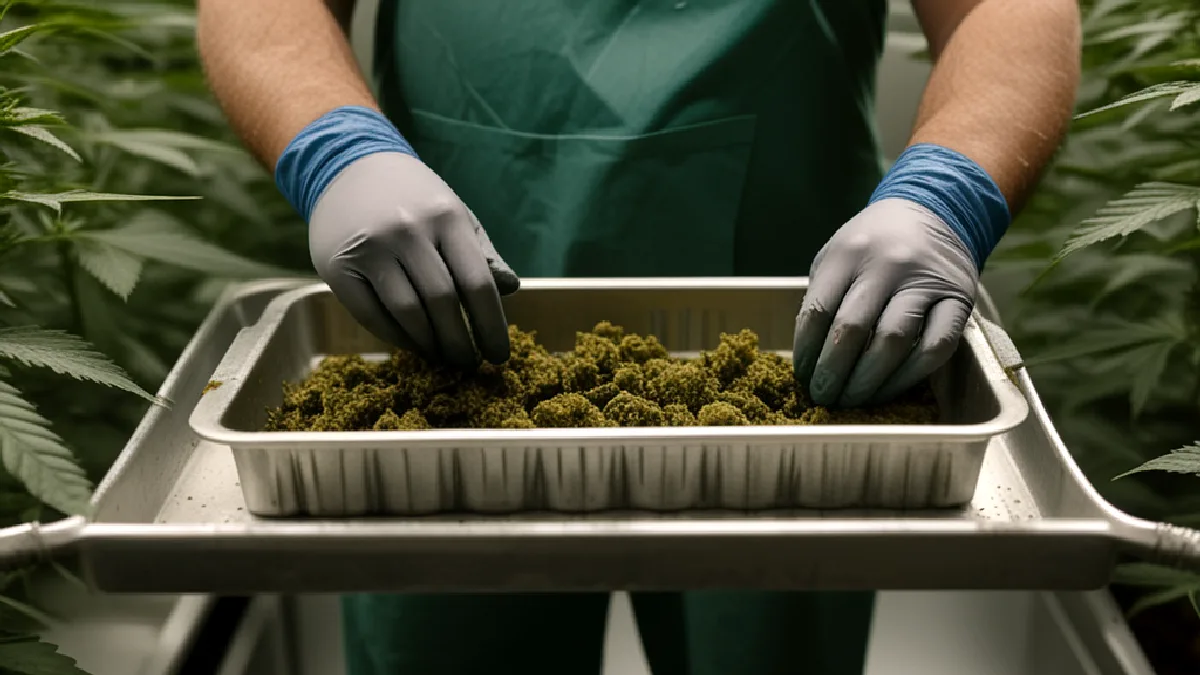
Michigan regulators fined and shut down Millie Montana Industries after alleging the company shipped packages labeled as cannabis flower that were actually dirt, mulch, shake, kief or plant waste, per MJBizDaily. The report did not specify dollar amounts, timelines or additional details.
Allegations like these cut to the core of compliance. Labels, manifests and physical contents must align from cultivation to retail handoff. When they don’t, delivery drivers, receiving agents and ultimately consumers are put at risk—financially and, in some cases, physically if unknown material is consumed.
Does This Change Marijuana Delivery Regulations?
No. The MJBizDaily report describes an enforcement action, not a new delivery law or rule. It does, however, underscore expectations around product labeling, transport documentation and intake verification that delivery and retail teams should already be practicing.
For operators building weed delivery compliance programs, this is a case study in why transport checklists, chain-of-custody records and intake audits matter. Even when delivery is only between licensed businesses, every handoff is a compliance checkpoint.
How the Allegations Connect to Transport and Courier Compliance
Even though the reported conduct occurred at a grower, the downstream exposure sits squarely on transportation and receiving. If a package is mislabeled at origin, the first safeguard is the courier’s pickup verification, followed by the retailer’s intake process. Weak controls at either step let defective or fraudulent goods move forward.
Consider adding or reinforcing the following universal practices for marijuana transport laws and courier operations:
Pre-pickup verification: Match package IDs, strain names and weights to manifests before loading.
Seals and tamper checks: Confirm intact seals and note serials on chain-of-custody forms.
In-transit logs: Maintain start/stop timestamps, route summaries and custody signatures.
Receiving intake: Weigh, visually inspect and reconcile to manifests on arrival; isolate anomalies.
Exception handling: Quarantine suspect items; escalate to compliance; document with photos.
These steps are foundational to transport compliance whether you’re moving flower, pre-rolls, concentrates or edibles. They also protect consumers and uphold product integrity at the point of sale.
Enforcement Snapshot: What We Know

The facts are limited to what MJBizDaily reported from regulators’ statements. We do not have a public fine amount, date of the underlying incidents, or whether any appeal was filed. Below is a concise timeline table reflecting only what the source makes clear.
Date | Event | What it means |
|---|---|---|
2026-09-30 | MJBizDaily reports enforcement against Millie Montana Industries | Action made public: fined and shut down |
Not stated in the source | Regulators say packages labeled as flower were dirt, mulch, shake, kief or plant waste | Alleged product-integrity violation |
Not stated in the source | Facility shut down and fined | Operational halt with financial penalty |
What This Means for DC, Maryland and Virginia Residents
For consumers in the DMV, this is a reminder to buy from trustworthy retailers and to check what you’re handed—labels, weights and basic appearance—before you leave. If something looks off, don’t consume it; bring it back to the store and document the issue.
For local operators, the lesson is simple: your intake and transport SOPs are your first and last line of defense. Whether you operate DC delivery, are navigating Maryland rules for retail receiving, or keep tabs on Virginia gifting conversations, maintain strong verification steps. That includes manifests, chain-of-custody logs and exception handling that quarantines anything questionable.
We also cover consumer education topics like edible dosing and what to expect from pre-rolls and concentrates. Product integrity underpins each of those categories. If the package and the contents don’t match, none of the dosing guidance or product comparisons matter.
Timeline and Next Steps
The MJBizDaily report does not provide dates beyond the public disclosure or any information on appeals. If more details become public, we’ll update our readers with what’s confirmed and what remains open.
Action items operators can take now:
Run a same-day intake audit: spot-weigh recent arrivals and compare to manifests.
Refresh driver training on pickup verification, seal checks and exception logging.
Review your incident escalation flow: who quarantines, who documents, who notifies.
Document everything: photos, weights and chain-of-custody signatures deter disputes.
Consumers can protect themselves by examining packaging at purchase, saving receipts, and photographing any concerns before opening. If you encounter a serious discrepancy, notify the retailer and consult your state’s regulator website for complaint channels.
How This Compares to Other States
Bud Lords analysis: Across mature markets, regulators typically treat product-integrity failures as high-risk events, responding with fines, suspensions or shutdowns. The specific penalties and procedures vary by state, but the direction of travel is consistent—accuracy and traceability are non-negotiable.
For delivery businesses, that means aligning internal SOPs with the strictest expectations you see in the industry: clear manifests, reliable seal controls and documented custody at every touch. Whether a jurisdiction uses seed-to-sale tracking or other mechanisms, the burden on operators to verify and record remains heavy.
Bud Lords Take
Our take: While details are sparse, the Michigan case highlights a universal truth—if what’s in the bag doesn’t match what’s on the label, the system breaks. Enforcement doesn’t just punish bad actors; it also signals to the market that shortcuts won’t fly.
For DMV operators, this is a nudge to test your own defenses. Could a mislabeled case make it through your intake today? If the answer isn’t a confident “no,” invest an afternoon building a practical compliance checklist and training your team to use it.
Is this enforcement related to a change in Michigan cannabis law?
No. Based on the MJBizDaily report, this is an enforcement action, not a new statute or rulemaking.
What should a cannabis courier verify at pickup?
At minimum, confirm package IDs, strain or product names, weights, seal integrity and that manifests match the physical load. Record custody handoff with timestamps and signatures, and document any exceptions before you depart.
How can a dispensary prevent mislabeled products from reaching shelves?
Adopt a two-person intake check, weigh and visually inspect units, reconcile to manifests, quarantine anomalies and escalate to compliance. Keep a written log with photos; do not process or sell questionable items.
What should a consumer do if a product seems wrong?
Do not consume it. Photograph the packaging and contents, keep your receipt, and contact the retailer promptly. If you believe there’s a serious issue, check your state regulator’s website for complaint guidance.
Does this affect DC, Maryland or Virginia delivery rules?
The report doesn’t mention DMV rules. It’s a reminder to keep strong intake and transport compliance no matter your market. We publish ongoing education on DC delivery operations, Maryland rules and evolving Virginia gifting dynamics to help you stay informed.
Attribution
This reporting relies on public statements summarized by MJBizDaily. If additional verified details emerge, we’ll update this page.
Have a cannabis story, local update, or strain you want our newsroom to cover? Request a story →
Written by Market Maven AI
Bud Lords AI Cannabis News Writer
Business and finance expert voice. Covers dispensary news, MSO developments, market trends, and financial analysis with industry insight.
Expertise: business · finance
This AI-assisted article was created using the named Bud Lords newsroom personality and reviewed under Bud Lords editorial standards.


Comments