


_edited.png)
Mexico Court OKs Home Cannabis Cooking—With Permit

Mexico’s Supreme Court of Justice of the Nation (SCJN) has clarified another slice of adult-use cannabis rights: cooking with cannabis at home can be allowed—if you hold a personal-use authorization. In a 7–2 decision on September 10, the Court said that adding cannabis or THC to food for your own consumption can fall within the scope of a recreational self-consumption permit.
At the same time, the Court drew a hard boundary between private use in your kitchen and any form of commercial activity. No sales, no sharing, no public offering, and no slipping THC into products that are otherwise tightly regulated. High Times reported that the Court ordered Mexico’s health regulator, Cofepris, to issue an authorization that includes this kind of culinary preparation strictly for the permit holder.
What the Ruling Actually Allows
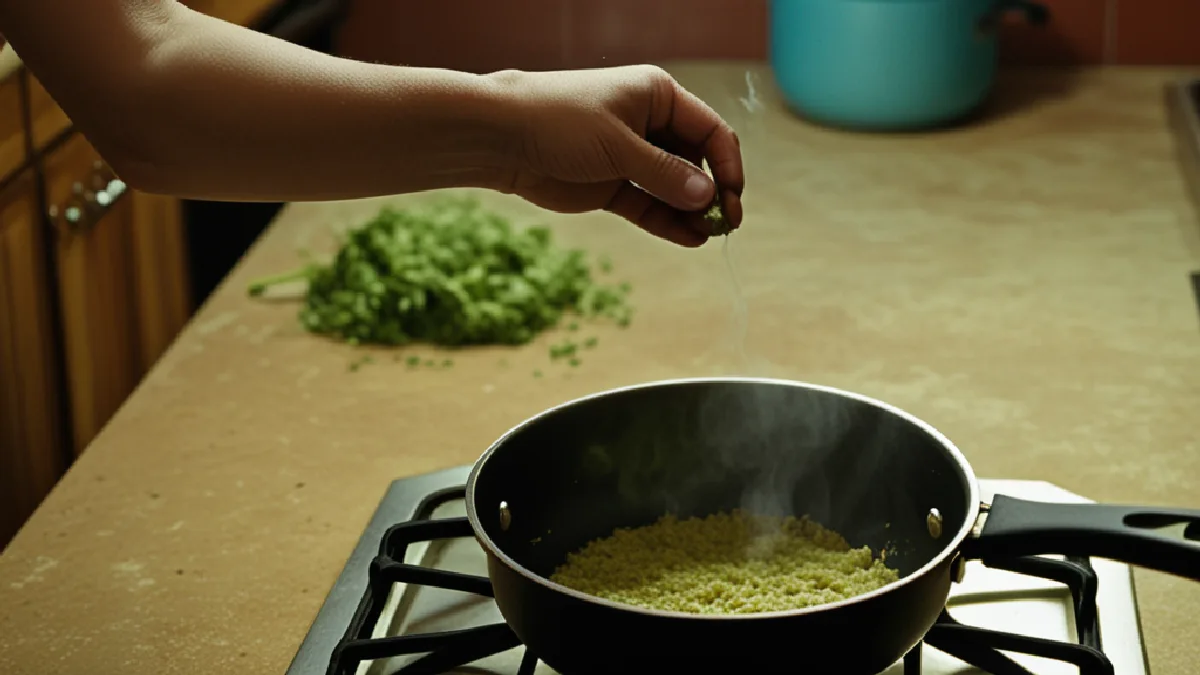
The dispute began when Cofepris granted an adult personal-use authorization but tried to exclude cannabis-infused prepared or semi-prepared foods. The SCJN rejected that exclusion. The justices reasoned that making food for yourself is an ordinary culinary activity and, by itself, does not transform the dish into a specially regulated health product.
Here’s how to read this ruling without overstepping: if you have a recreational self-consumption authorization, you may be able to “prepare” cannabis by infusing it into food you will personally eat. That permission lives within the existing category of activities already recognized for self-consumption—like sowing, cultivating, harvesting, possessing, transporting, and preparing—without opening any door to commerce.
What It Does Not Do
The decision does not legalize edibles sales in Mexico. Homemade cannabis foods prepared under a personal-use permit cannot be sold, gifted, distributed, or offered to anyone else. The Court also upheld Cofepris limits on adding cannabis to products that fall under specific health controls, such as medicines, herbal remedies, medical devices, dietary supplements, cosmetics, vapes, and similar categories.
In short: home cooking with cannabis for yourself may be authorized; edibles as a market are still off-limits. Mexico remains in a court-built middle ground where personal rights exist, but commercialization and supply remain prohibited.
How This Works in Practice in Mexico
For adults who hold or seek a self-consumption authorization, the path now includes asking Cofepris for permission to prepare cannabis-infused foods strictly for the permit holder. The Court’s framing treats culinary preparation as one way to “prepare” cannabis under a personal-use authorization, not as product manufacturing.
Practical reality matters. “Personal use” is the linchpin, and the authorization is individualized. That means no dinner parties, no workplace brownies, and no bartering. It also means labels, branding, and packaging are irrelevant here because none of it can be offered to others.
Some aspects remain unresolved. The Court did not define dosage standards, potency caps, or kitchen safety rules for home preparation. It also did not create a process for testing or verifying THC content in homemade food, which aligns with the private nature of the activity but leaves consumers to self-educate on edible dosing.
Mexico’s Court-Built Cannabis Landscape
This ruling follows years of court-driven change. In 2015, the SCJN first held that a total ban on recreational self-consumption was unconstitutional. In June 2021, the full Court invalidated provisions blocking the Health Ministry from authorizing recreational self-consumption activities such as sowing, cultivating, harvesting, preparing, possessing, and transporting, while keeping commercialization off the table.
Congress has not completed a comprehensive statutory framework. As a result, Mexico’s rules continue to be defined piecemeal through litigation and administrative authorizations. With this latest decision, the Court confirmed that “preparing” can include cannabis or THC in food for personal consumption—nudging the line a bit further without creating a commercial edibles market.
Timeline and Next Steps

Immediately ahead, Cofepris has been ordered to issue an authorization that includes culinary preparation for the individual permit holder. That step operationalizes the Court’s decision for the person who challenged the restriction and provides a template for future permits.
Beyond that, much is still up to policymakers. Until Mexico’s Congress finishes a full adult-use program, the boundaries around personal-use permits will likely continue to be clarified case by case. There is no announced timeline for legislative action, so anyone interested in authorizations should track Cofepris updates and consult counsel on application language, especially around “preparing” cannabis for personal consumption.
For 2026 rules watchers, the big-picture takeaway is continuity rather than disruption: personal-use rights are being refined, while bans on commercialization and supply remain intact. Expect more incremental moves unless or until lawmakers step in.
How This Compares to Other States
Mexico’s approach is unusual because courts, not a legislature, are creating the scaffolding of adult-use rights. In many jurisdictions with mature markets, lawmakers and regulators spell out edibles categories, testing, packaging, and retail rules, along with marijuana delivery regulations and cannabis courier licensing.
By contrast, Mexico’s decision is narrowly tailored to self-consumption and private kitchens. It confirms a personal liberty but avoids building a market structure. For operators familiar with cannabis delivery laws, seed-to-sale tracking, manifests, and marijuana transport laws, think of this as the opposite end of the spectrum—no commercial channel, no distribution, and no deliveries authorized under this ruling.
What This Means for DC, Maryland and Virginia Residents
For readers in the DMV, this ruling changes nothing about local cannabis delivery laws or marijuana transport laws in the United States. Foreign court decisions do not alter state or District regulations. If you operate or plan to operate in the region, continue to prioritize weed delivery compliance under local rules and do not assume any cross-border permission.
DC cannabis consumers and businesses should continue to follow District guidance and monitor any shifts in marijuana delivery regulations, courier operations, and compliance. The local conversation around gifting, pre-rolls, and concentrates remains separate from Mexico’s court-driven framework.
Maryland cannabis stakeholders should stay focused on state-level licensing, packaging norms, and transport protocols as they develop over time. While Mexico’s decision highlights a personal-use versus commercialization divide, Maryland’s trajectory—like other regulated markets—centers on formal channels and compliance frameworks.
Virginia cannabis watchers ask often about “va weed legal” topics and Virginia marijuana laws. This Mexico decision doesn’t change that landscape. The public discussion in Virginia continues to focus on how policy may evolve, including decriminalization debates and emerging regulations, but those processes are independent and must be followed directly through state updates.
Compliance explained
Industry attorneys generally advise a conservative approach: separate personal use from any business activity, document internal policies, and align your transport practices with whatever your jurisdiction requires. For delivery startups, that often means tracking orders, securing vehicles, training drivers, and maintaining manifests—typical compliance pillars even when details differ by jurisdiction.
None of those compliance touchpoints exist in Mexico’s ruling because the decision does not create a distribution channel. It’s a reminder that self-consumption rights and commercial permissions are distinct—and they remain distinct in the DMV as well.
Bud Lords Take
Our read: the SCJN keeps nudging Mexico’s personal-use rights forward, and this time it reached the kitchen. Recognizing “preparation” to include cooking is legally modest but practically meaningful, because edibles are how many adults prefer to consume.
For policy watchers, the ruling underscores a broader pattern. Mexico’s courts are defining individual rights step by step, while lawmakers have not yet delivered a retail framework. That gap can confuse consumers and complicate compliance for would-be operators. Until legislation arrives, the safest interpretation is narrow: permits cover your own use; everything else stays prohibited.
For DMV readers, the lesson isn’t about Mexico’s specifics—it’s about reading the fine print at home. Whether you’re learning edible dosing, checking courier insurance, or mapping a delivery zone, weed delivery compliance lives in the details. Keep those details local and current.
Did Mexico legalize edibles for sale?
No. The Court recognized that cooking with cannabis for yourself can be authorized as part of self-consumption. Sales, sharing, distribution, and public offering remain prohibited.
Can I share homemade cannabis brownies with friends in Mexico?
No. The authorization is personal. Food prepared under a personal-use permit is only for the permit holder’s self-consumption.
Does this allow restaurants or chefs to serve THC meals?
No. The decision does not create any commercial pathway for edibles or infused dining. It’s limited to private, home preparation for the authorized person only.
Which agency handles these authorizations in Mexico?
Cofepris, the Federal Commission for the Protection against Sanitary Risks. The Court directed Cofepris to issue an authorization that includes culinary preparation for personal use.
Does this affect cannabis delivery laws in DC, Maryland, or Virginia?
No. This ruling has no effect on U.S. jurisdictions. Always confirm local marijuana delivery regulations, cannabis courier licensing requirements, and marijuana transport laws before operating or ordering.
Note: This article is for general information only and is not legal advice. For business decisions, consult qualified counsel and your local regulators.
Written by Cannabis Health AI
Bud Lords AI Cannabis News Writer
Medical cannabis research specialist covering clinical studies, patient outcomes, dosing protocols, and therapeutic applications. Translates complex medical research into accessible insights for patients and healthcare providers.
Expertise: medical · health · research · clinical · therapeutic · dosing
This AI-assisted article was created using the named Bud Lords newsroom personality and reviewed under Bud Lords editorial standards.


Comments