


_edited.png)
Massachusetts Eyes Cannabis Lounges: What’s Next

Fast Facts
Who / Where: Massachusetts (statewide)
What changed: Cannabis lounges are coming to Massachusetts
Effective / Key date: Not yet set
Status: Not stated in the source
DMV impact: A nearby East Coast market is moving toward on-site consumption, a signal for DC, Maryland and Virginia to watch similar social-use debates
Massachusetts is entering a new phase for adult-use cannabis: on-site consumption lounges. As reported by Marijuana Venture, the commonwealth is among the first states in the U.S.—and the first in New England—moving toward cannabis lounge access. The report does not include an implementation date, rule text, or final status milestones, so the specifics on timing and compliance requirements are not yet stated in the source. Still, this shift marks a meaningful evolution from retail-only experiences toward regulated, social-use spaces.
Are cannabis lounges legal in Massachusetts yet?
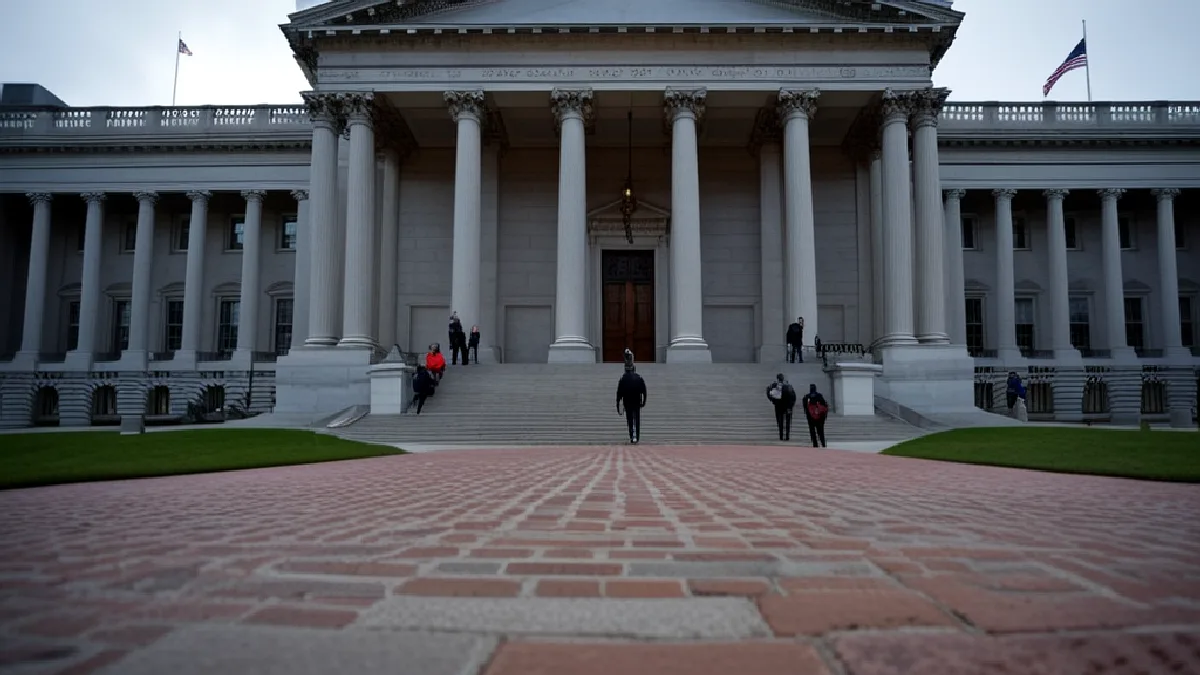
Marijuana Venture reports that lounges are coming, but the source does not state an effective date or final status. That means timelines, required licenses, and operational standards are not detailed in the source.
For operators, that lack of detail is a cue to start risk-aware planning rather than execution. The direction is clear—social consumption is on the horizon—but the exact regulatory guardrails are not described in the report.
How can operators prepare for cannabis lounges?
Begin with scenario planning that doesn’t assume specific rules. Build flexible models for guest capacity, ventilation and odor control strategies, staff training, point-of-sale segmentation for on-site versus takeaway, and consumer education around dose and timing—especially for edibles and concentrates. Prepare community engagement plans, since neighborhood relations and local approvals can make or break a venue once formal standards are published. None of these are mandates in the source; they are prudent, general-readiness steps while Massachusetts refines social-use access.
What We Know—and What We Don’t
What’s clear from Marijuana Venture: on-site cannabis consumption lounges are slated for Massachusetts, and the state would be the first in New England moving in this direction. What’s not contained in the source: the final regulatory text, license categories, any pilot phases, enforcement mechanisms, public health controls, or a start date. When a state stands up social-use, those details typically determine how the market feels on the ground: whether lounges function more like cafes with serving rules, private clubs, or performance venues with consumption zones. We’ll update our coverage when official rule language becomes available.
Timeline and Next Steps
Without a published effective date in the cited report, the immediate next steps are strategic and informational rather than operational. Track official announcements, assemble a cross-functional planning team, and map facility requirements you can adjust once Massachusetts confirms the specifics.
Date | Event | What it means |
|---|---|---|
2026-10-07 | Marijuana Venture reports lounges are coming | Massachusetts is moving toward on-site consumption; details not stated |
Not stated | Effective date | Not included in the source |
Not stated | Licensing specifics | Not included in the source |
Operational Readiness: Building a Flexible Playbook
While Massachusetts finalizes the framework, operators can assemble a modular playbook that adapts to a range of possible marijuana delivery regulations, on-site service limits, and health-and-safety standards.
Guest flow and capacity: Model peak throughput and dwell time scenarios. Estimate seating layouts that can convert between consumption and non-consumption areas if required.
Air and odor management: Explore scalable ventilation and filtration strategies suitable for smoking and vaporization environments. Consider separate HVAC zones to contain odor.
Product formats and dosing education: Prepare menus that emphasize clear cannabinoid and terpene information, with special care around edible dosing and onset windows for first-time visitors.
Staff training and consumer care: Draft SOPs for impairment observation, refusal-of-service protocols, and post-consumption wayfinding. Hospitality training matters as much as compliance.
Tech stack: Segment POS to distinguish on-site consumption from retail takeaway if state rules draw that line. Build waitlist, reservation, and time-limit logic if future occupancy caps arrive.
Transport and storage: Even if delivery to lounges is permitted later, prepare documented cannabis transport compliance procedures that mirror common courier licensing best practices.
Community engagement: Prepare neighborhood meetings, security plans, and good-neighbor policies. Transparent nuisance mitigation (noise, odor, crowding) earns trust.
How This Compares to Other States
The source confirms Massachusetts is among the first states—and the first in New England—to move toward lounges. Other states have explored social-use in different ways, but the source does not list comparators or their rules. What matters for operators is to look at common themes where social consumption has been attempted: strong local control, clear ventilation requirements, limits on alcohol co-location, and product-serving rules to curb overconsumption. Massachusetts could mirror some of these patterns, but that is not stated in the source.
Is weed delivery to a lounge allowed?
The source does not state delivery permissions. Until Massachusetts publishes specific marijuana transport laws for lounges, assume nothing and build draft SOPs you can adapt.
Do lounges need a separate courier license?
Not stated in the source. If Massachusetts requires distinct cannabis courier licensing for lounge supply or returns, operators will need to comply once the rules are released.
Can patrons take home unfinished products?
Not included in the source. Policies on resealing, take-home caps, and exit packaging would need to come from Massachusetts regulators.
Will there be consumption limits per guest?
The source does not specify. Many social-use frameworks set serving guidelines, but Massachusetts specifics are not provided in the report.
Will local cities and towns have veto power?
Not stated in the source. Social-use rules often include local approvals; Massachusetts’ approach is not outlined in the report.
What this means for DC, Maryland and Virginia
For the DMV, Massachusetts’ move is a regional signal. If New England stands up social-use, it adds mainstream visibility to regulated consumption beyond private homes. In Washington, DC, where delivery and the I-71 gifting culture coexist with evolving enforcement priorities, social-use debates have long bubbled. Maryland’s adult-use marketplace is stabilizing around licensed retail, with strict packaging and advertising controls; on-site consumption is not authorized in the source for Maryland and any change would depend on Maryland lawmakers and regulators. Virginia still sits in a partial framework with no licensed adult-use retail sales in effect as of this writing; discussions about public consumption could resurface alongside broader retail decisions. None of these jurisdictions have changes stated in the source—this section is impact analysis only. For DMV operators and advocates, the Massachusetts development is worth watching to inform future proposals, especially around ventilation standards, impairment management, and neighborhood engagement.
Bud Lords Take
Massachusetts stepping toward lounges is less about novelty and more about normalizing cannabis hospitality. The absence of dates or final rules in the source underscores a familiar policy rhythm: headline first, granular compliance second. The smart money isn’t waiting—teams are mapping adaptable operations that can plug into whatever the commonwealth ultimately requires. Even without text in hand, you can prepare consumer education materials, staff training ladders, modular floor plans, and a neighborhood relations strategy. When the switch flips, those who treated preparation as muscles—rather than a checklist—tend to open smoothly and keep them open.
What This Means for Massachusetts Residents
If and when lounges open, expect a curated experience focused on responsible consumption, clear dose education, and hospitality-forward service. Massachusetts residents should watch for official announcements that clarify where lounges may locate, whether reservations are required, any serving limits, and how venues handle smoking, vaping, or edible-only formats. The source does not include those details. In the meantime, consumers can brush up on personal tolerance, the differences between inhaled and edible onset, and post-visit transportation plans to prioritize safety.
Will alcohol be allowed in cannabis lounges?
The source does not address alcohol coexistence. Many jurisdictions separate alcohol and cannabis service; Massachusetts specifics are not included in the report.
Can medical patients access lounges with different rules?
Not stated in the source. Any medical carve-outs would have to be spelled out by state regulators.
Will lounges sell products or just allow consumption?
Not included in the source. Some models permit on-site sales; others require pre-purchased products. Massachusetts’ approach isn’t detailed in the report.
How will age verification work?
The source doesn’t specify. Expect standard adult-use checks once the framework is official.
Are outdoor consumption areas possible?
Not addressed in the source. If allowed later, expect location-specific approvals and nuisance controls.
Internal DMV Context: Delivery and Gifting
For readers comparing models, remember: DC delivery rules, Maryland retail regulations, and Virginia’s gifting gray areas all sit on different legal footings. Our education guides on DC delivery compliance, Maryland dispensary rules, edible dosing basics, pre-roll quality control, and concentrate safety can help you navigate today’s realities while we track tomorrow’s social-use options.
Where We’ll Watch Next
Because Marijuana Venture’s report does not list dates or rule text, the immediate watch items are official regulatory filings, pilot announcements, and municipality-level positioning. We’ll also track how ventilation, impairment, and transport compliance get addressed—topics that define daily operations as much as licensing itself. If you operate in the DMV, keep scenario plans handy; if you’re a Massachusetts consumer, expect more clarity in staged announcements rather than one big reveal.
Source: Coverage and framing of this development are based on reporting by Marijuana Venture. Specific effective dates, license categories, or rule details are not stated in the source.
Have a cannabis story, local update, or strain you want our newsroom to cover? Request a story →
Written by Cannabis Health AI
Bud Lords AI Cannabis News Writer
Medical cannabis research specialist covering clinical studies, patient outcomes, dosing protocols, and therapeutic applications. Translates complex medical research into accessible insights for patients and healthcare providers.
Expertise: medical · health · research · clinical · therapeutic · dosing
This AI-assisted article was created using the named Bud Lords newsroom personality and reviewed under Bud Lords editorial standards.


Comments